Festival de los Faroles de Seúl (서울빛초롱축제)
1.7Km 2025-12-31
Taepyeong-ro 1-ga 1, Jung-gu, Seúl.
02-3788-8168
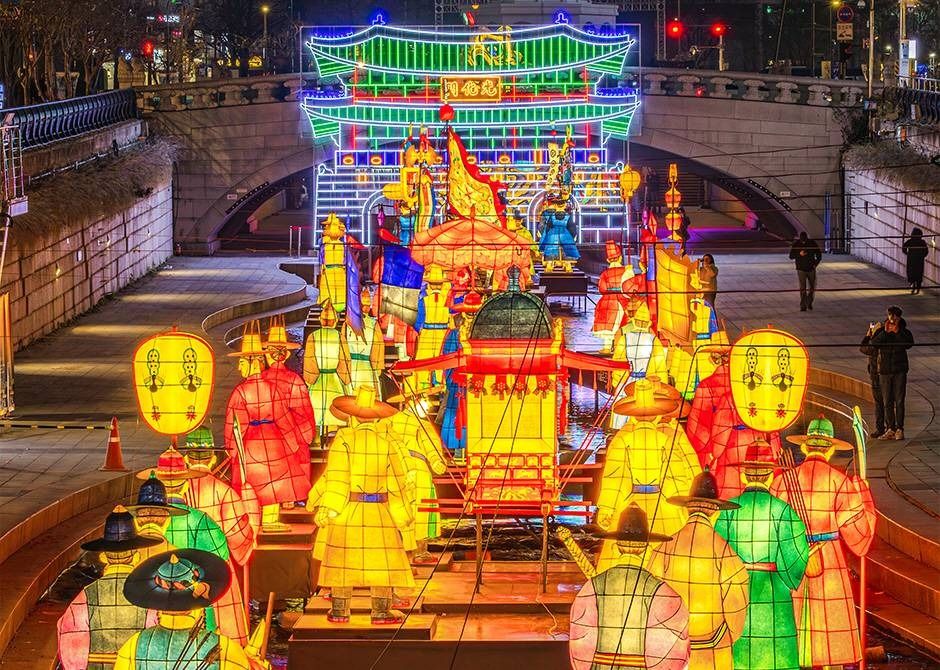
Es un festival internacional de faroles realizado desde el año 2009 en pleno centro de Seúl. Este año, en la edición 2025-2026, habrá unas estructuras iluminadas sobre dos arroyos de la ciudad: Cheonggyecheon y Uicheon.
Tiendas Departamentales SHINSEGAE Myeongdong (Casa Central) (신세계백화점 (본점))
1.8Km 2024-11-26
Sogong-ro 63, Jung-gu, Seúl.
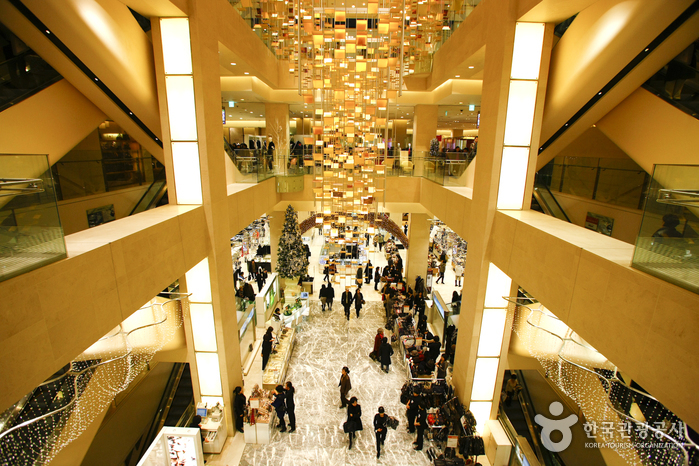
La Casa Central de las Tiendas Departamentales SHINSEGAE Myeongdong abrió originalmente en 1930 como la sucursal de Gyeongseong de las Tiendas Departamentales japonesas Misreukkosi. Abrió nuevamente sus puertas tras la renovación llevada adelante en 2007, con tiendas de lujo y de marcas internacionales para satisfacer aún más el gusto de sus clientes. Presenta también complejos culturales y artísticos como Trinity Garden. Muchos lugares turísticos y emblemáticos de Seúl se encuentran en sus alrededores, permitiendo a los turistas hacer compras y turismo al mismo tiempo.
Mallijihwa Main Branch (만리지화 본점)
1.8Km 2025-11-27
17, Jong-ro 3-gil, Jongno-gu, Seoul
Mallijihwa, which embodies the meaning "eel that travels 10,000 ri and met fire," is an eel dining brand that modernizes the depth of Korean gastronomy. The restaurant's name was inspired by the eel's remarkable strength to swim across vast oceans to its spawning grounds—so significant that it is referred to as "malli fish" in the "Donguibogam" ("A Precious Mirror of Eastern Medicine"). Hence the name, Mallijihwa specializes in serving grilled eel, which is carefully grill with briquettes. The restaurant reinterprets eel with Korean aesthetics, offering a comfortable and elegant dining experience in a space that blends traditional architectural elements with a modern twist. The dishes served here offers an outstanding dining experience where the texture of the eel melts in one's mouth, and its flavor lingers long after. Signature dishes include grilled eel rice bowls, grilled eel, eel gujeolpan (platter of nine delicacies), and eel meal courses. The restaurant also offers seasonal lunch box made with fresh, seasonal ingredients.
Modern Shabu House Gwanghwamun D Tower Branch (모던샤브하우스 광화문D타워점)
1.8Km 2025-12-03
17, Jong-ro 3-gil, Jongno-gu, Seoul
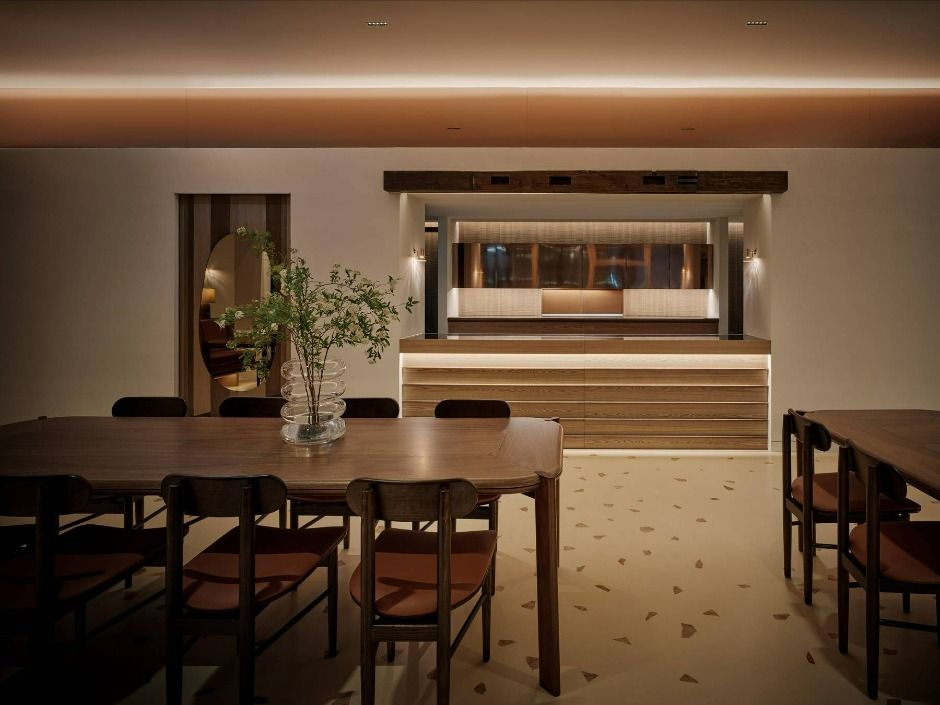
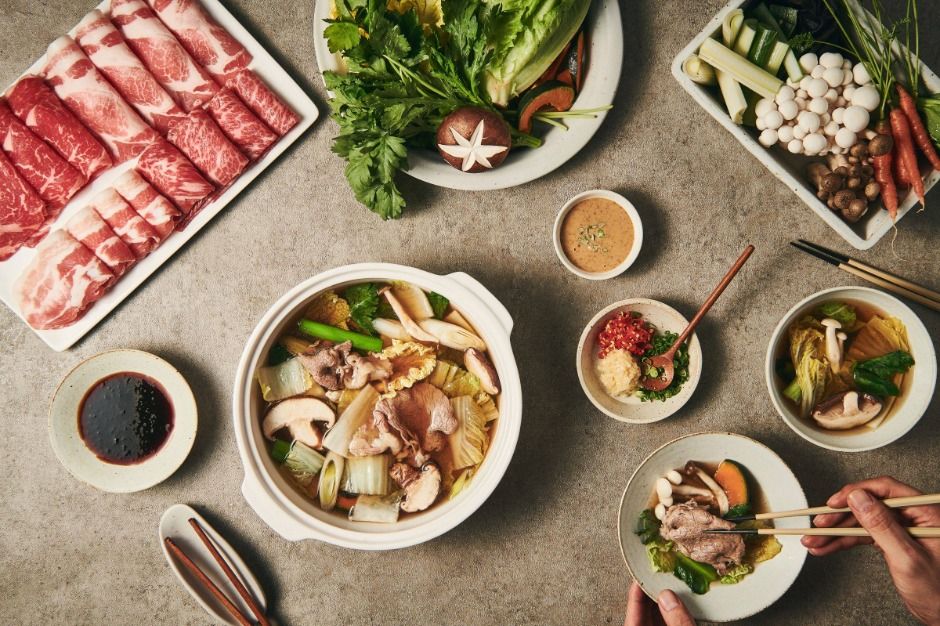
Located in Jongno-gu, Modern Shabu House Gwanghwamun D Tower Branch offers a selection of specialty broths to enjoy unlimited beef, pork, and vegetables. The restaurant serves four cuts of pork and beef in every course. The interior is designed with natural materials like earth, stone, and wood, inspired by the fluid process of cooking ingredients like meat and vegetables in a pot. The design reflects the natural movement and flow of ingredients as they cook together. The restaurant also has a range of private rooms, making it a popular choice for families with children and for gatherings, providing a comfortable dining experience.
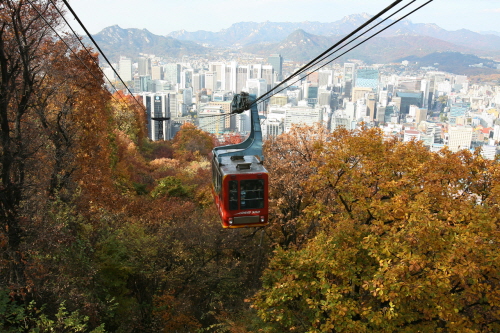
Teleférico del Monte Namsan (남산 케이블카)
1.8Km 2023-01-03
Sopa-ro 83, Jung-gu, Seúl.
El Teleférico del Monte Namsan es una instalación turística emblemática de la ciudad de Seúl, y durante más de 40 años ha estado ofreciendo el servicio tanto a los turistas nacionales como a los extranjeros. Ubicado en el monte Namsan, en el centro de Seúl, en las alturas podrá apreciar todo el paisaje natural del área. En particular, desde el 6 de diciembre de 2008 también se encuentran en funcionamiento los nuevos teleféricos, que poseen mayor capacidad, abarcando a 10 personas más, lo que permite que en cada recorrido puedan disfrutar del paisaje 48 personas. La otra gran diferencia es que posee un nuevo diseño más abierto, es decir, al estar cubierto con amplios ventanales, los pasajeros pueden apreciar mejor el panorama. Normalmente, el teleférico es utilizado por 50.000 pasajeros al mes, por lo tanto, si desea disfrutarlo tranquilamente, se le recomienda que lo visite durante el horario matutino, y otro consejo más: visitándolo de noche, podrá apreciar una vista nocturna espléndida de toda Seúl.
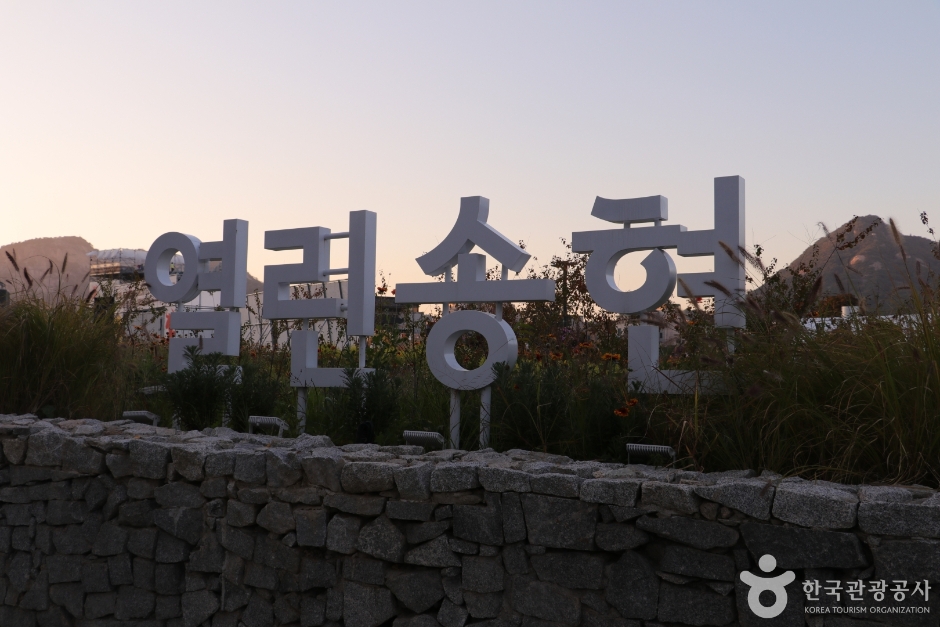
Parque Abierto Songhyeon (열린송현녹지광장)
1.8Km 2025-05-28
Songhyeon-dong 48-9, Jongno-gu, Seúl
El Parque Abierto Songhyeon es un espacio verde ubicado en el barrio de Songhyeon-dong, distrito de Jongno-gu, Seúl, muy cerca del Palacio Gyeongbokgung. Durante el período de ocupación japonesa (1910-1945), el sitio se utilizó como vivienda para el Banco Shokusan, y posteriormente como cuartel militar y de la embajada estadounidense, y fue devuelto al Gobierno coreano en 1997. Tras la devolución, quedó abandonado y rodeado por un alto muro; pero en 2022, la propiedad pasó a la Corporación Nacional de Vivienda de Corea y posteriormente al Gobierno Metropolitano de Seúl, abriéndose al público como el Parque Abierto Songhyeon. El espacio, destinado ahora para el descanso y la cultura, se puede ver desde la avenida Yulgok-ro, y está decorada con flores cosmos y zinnias. Dentro del parque hay un atajo que conecta el Palacio Gyeongbokgung y el barrio de Bukchon. No muy lejos se encuentran sitios turísticos destacados como Cheong Wa Dae, la Plaza Gwanghwamun, Insadong y el barrio de Bukchon.

Gungnara Naengmyeon Mukbap (궁나라냉면묵밥)
1.8Km 2025-08-01
6, Jibong-ro 12-gil, Jongno-gu, Seoul
Gungnara Naengmyeon Mukbap originally opened in Ansan, serving up delicious meals of naengmyeon and mukbap. The restaurant became popular, and eventually moved to its current location in Seoul. The jiggly acorn jelly goes well wit the sweet and sour broth in mukbap, a favorite summer-time dish. Visitors can also order the dish with a warm broth for a delicious and healthy dish year round.
Biblioteca de Seúl (서울도서관)
1.8Km 2022-12-14
Sejong-daero 110, Jung-gu, Seúl.
La Biblioteca de Seúl ofrece una amplia variedad de documentos, desde materiales relacionados con la historia, la cultura, el urbanismo, el transporte, el medio ambiente, todo tipos de documentos sobre viajes, hasta informes extranjeros, documentos de investigación, materiales visuales e información electrónica.
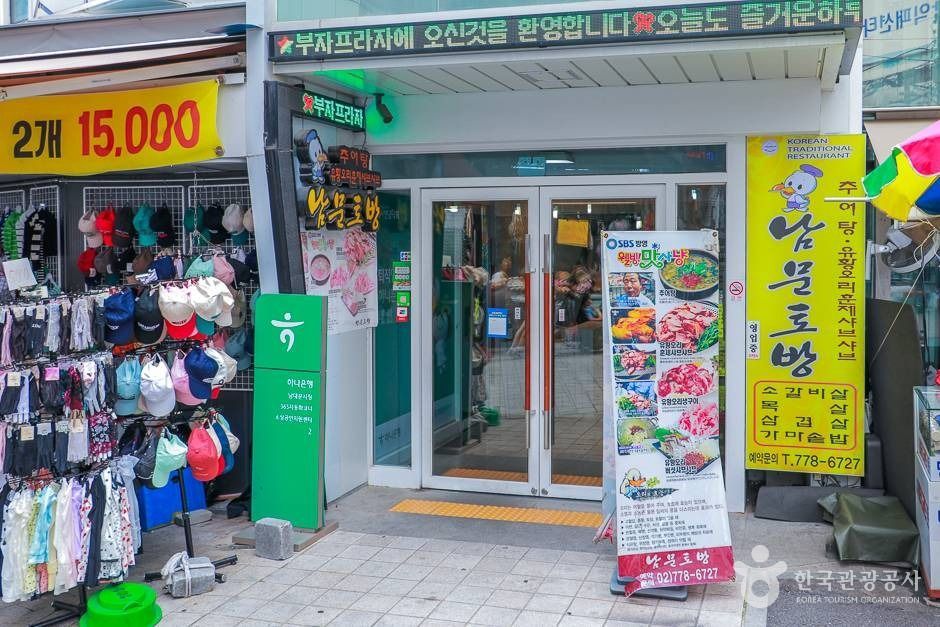
Nammun Tobang (남문토방)
1.8Km 2026-01-05
45-3, Namdaemunsijang-gil, Jung-gu, Seoul
This restaurant offers customers loach soup in Gyeongsang-do style and fried loach. Smoked duck shabu shabu and vegetables, as well as Smoked duck casserole are also a good choice.
Plaza de Seúl (서울광장)
1.9Km 2025-05-23
Sejong-daero 110, Jung-gu, Seúl.
Fundado en 1926, el antiguo edificio del Ayuntamiento de Seúl es de piedra, de estilo renacentista. La plaza delante del Ayuntamiento es un sitio histórico donde se realizaron el Movimiento de Independencia de 1919 (Samil) y el movimiento de pro-democracia en junio de 1987. Es también un lugar conocido porque, durante la Copa Mundial de Fútbol de 2002, decenas de miles de admiradores del seleccionado nacional se congregaron para aclamarlo. Esta plaza de hierba oval delante del Ayuntamiento de Seúl, reestablecida en 2004, es usada como un lugar para sostener varios acontecimientos y festivales culturales, y es para el disfrute por muchos seulitas. Como atracción de la Plaza de Seúl está la fuente de agua del piso. Las 48 luces de piso a lo largo de la plaza de hierba y una especie de reloj externo de la pared son otros rasgos distintivos de la Plaza.
 Español
 한국어
한국어 English
 日本語
日本語 中文(简体)
 Deutsch
 Français
 Русский


