![Santuario de la Realeza Jongmyo (종묘) [Patrimonio Cultural de la Humanidad de la Unesco]](http://tong.visitkorea.or.kr/cms/resource/41/2678541_image2_1.jpg)
Santuario de la Realeza Jongmyo (종묘) [Patrimonio Cultural de la Humanidad de la Unesco]
905.6M 2023-08-28
Jong-ro 157, Jongno-gu, Seúl.
El Santuario de la Realeza Jongmyo era el lugar de adoración de los reyes de la dinastía Joseon. Fue construido cuando el primer rey de Joseon, Lee Seong-Gye (1335-1408) fundó la dinastía. El Santuario de la Realeza Jongmyo se encuentra registrado como Patrimonio Cultural de la Humanidad porque la tradición y las costumbres tales como los servicios de conmemoración y la música tradicional entre otros, se hallan muy bien preservados.
Frente a la entrada principal del Santuario el sendero se divide en tres. La senda del medio, levemente más elevada que los de los lados, era para el difunto rey; la senda del lado este, para el rey en el gobierno; y la del lado oeste, para el príncipe. El sendero central se conecta a Jeongjeon, y los senderos de los lados, a las habitaciones donde se preparaban para el servicio de conmemoración una vez que habían consumado la ablución. Después de la preparación adecuada del cuerpo y mente, el rey y el príncipe se trasladaban a Jeonsacheong. Jeonsacheong era el lugar donde se preparaba la comida para la ceremonia. Con un patio en el centro, el edificio de Jeonsacheong tenía la forma de un cuadrado. El edificio principal, Jeongjeon era donde se preservaban las lápidas mortuorias de los reyes anteriores y la sede de ejecución de las ceremonias de conmemoración. Solamente este lugar ha mantenido durante tan largo tiempo su tradición, pese a que la costumbre de celebrar la memoria de los monarcas exitosos se haya trasmitido originalmente desde China. Jeongjeon tiene 19 habitáculos y en cada uno se adora a los reyes de la Joseon. Dentro de una pared de Jeongjeon se halla el Gongsinjeong, donde se preservan los restos de los servidores más fieles al rey.
La música de los servicios conmemorativos del Santuario de la Realeza Jongmyo es el resultado armónico de los sonidos instrumentales, el canto, y las danzas que se han transmitido por 500 años. La melodía se logra en la misma forma que hace cinco siglos atrás. Entre las ceremonias completas, esta es la más antigua del mundo y tiene lugar cada primer domingo de mayo. Si está de viaje por Corea en esas fechas, puede ser una excelente oportunidad para observar la solemnidad y grandeza de una ceremonia tradicional tan antigua.
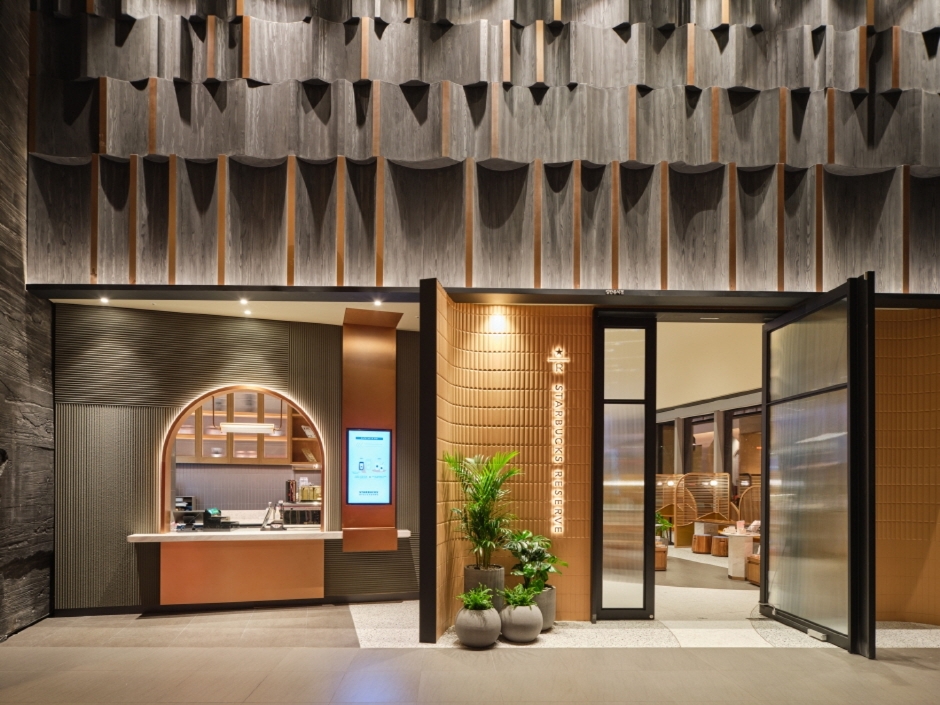
Starbucks - Byeoldabang (스타벅스 별다방)
935.3M 2024-12-27
Toegye-ro 100, Jung-gu, Seúl
Su nombre, Byeoldabang, toma las palabras byeol ("estrella", en coreano) y dabang (un tipo de antigua taberna coreana, donde se solían consumir bebidas y charlar) se ubica en pleno centro urbano de Seúl y se abrió para celebrar el vigesimosegundo aniversario de la fundación de Starbucks Korea. Aquí se venden café de tipo reserva y alimentos elaborados bajo conceptos novedosos. Uno de sus principales atractivos es su entorno digital y sus vídeos creativos difundidos en el interior del local que atraen a numerosos visitantes. Así, se puede apreciar El viaje de la sirena, donde se ve el derrotero de una sirena que lleva el mensaje del café por el mar, durante el día y la noche.
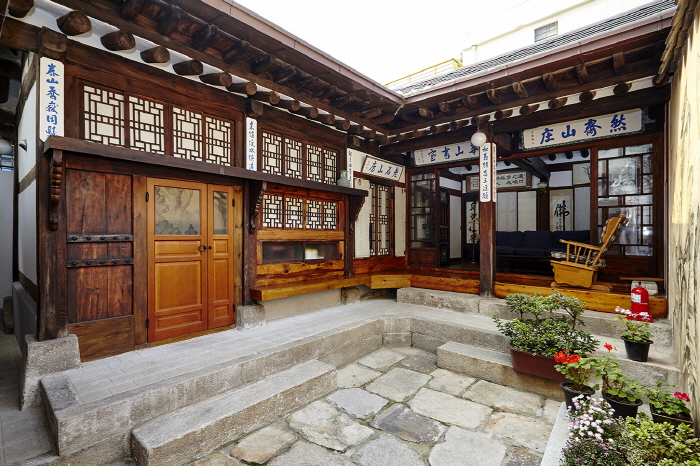
Sieunjae / 시은재
954.1M 2025-08-13
439, Samil-daero, Jongno-gu, Seoul
Located in Gyeongun-dong, Jongno-gu at the very heart of Seoul, Sieunjae is a hanok with a longstanding tradition. It has three guestrooms including the anbang (main room), byeolchae (detached building), and jakeunbang (small room). The anbang is the only room with a living room, where various items of old furniture, including a comfortable sofa, create an antique atmosphere. The communal bathroom and toilets are supplied with toiletries, while the communal kitchen is equipped with cooking equipment and a washing machine.
The house can be rented either as individual accommodations or in its entirety. As it is situated in Jongno-gu, at the very heart of Seoul, guests can easily reach many nearby major tourist attractions. Car users are advised to use the public parking lot as the house has no parking spaces. Entering by a small gate, the little flowerbed comes into sight. This old hanok shows traces of repair works on the tiled roof.

Choryuhyang (초류향)
963.8M 2025-05-19
24-10, Dadong-gil, Jung-gu, Seoul
This restaurant's feature items are its Samseon-nurungjitang, Dongpayuk, and Seafood Galbi. Seafood is plentiful in the Samseon-nurungjitang, making for a delicous soup base to which nicely browned rice is added later. When the browned rice is added to the soup base, a loud crackling noise is heard, which signals the beginning of a delicious meal.
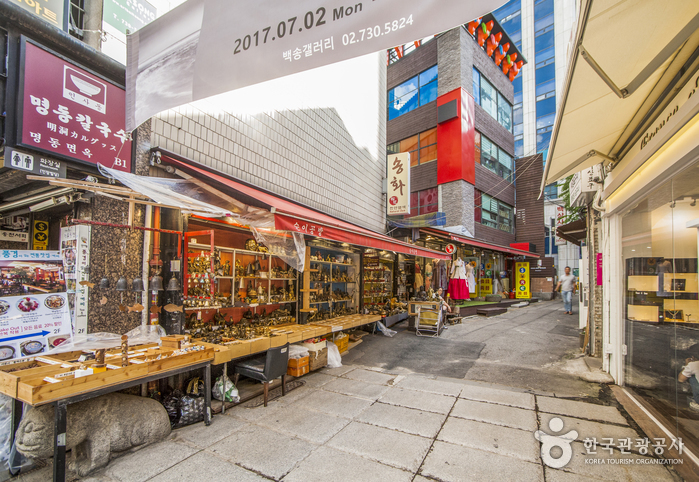
Insa-dong Antique Art Street (인사동 고미술거리)
965.3M 2025-08-04
29, Insadong-gil, Jongno-gu, Seoul
As of today, there are approximately 70 shops in the Insa-dong area that sell antique arts. Some of the products they sell include antique artworks, porcelains, woodcrafts, and metalwork. Visitors may even find rare and valuable products such as earthenware from the Silla period or white porcelain used in the Joseon dynasty. Each shop is a specialty store, authorized to sell product types that are of their expertise, ranging from antique furniture and traditional artworks to handcrafted items.
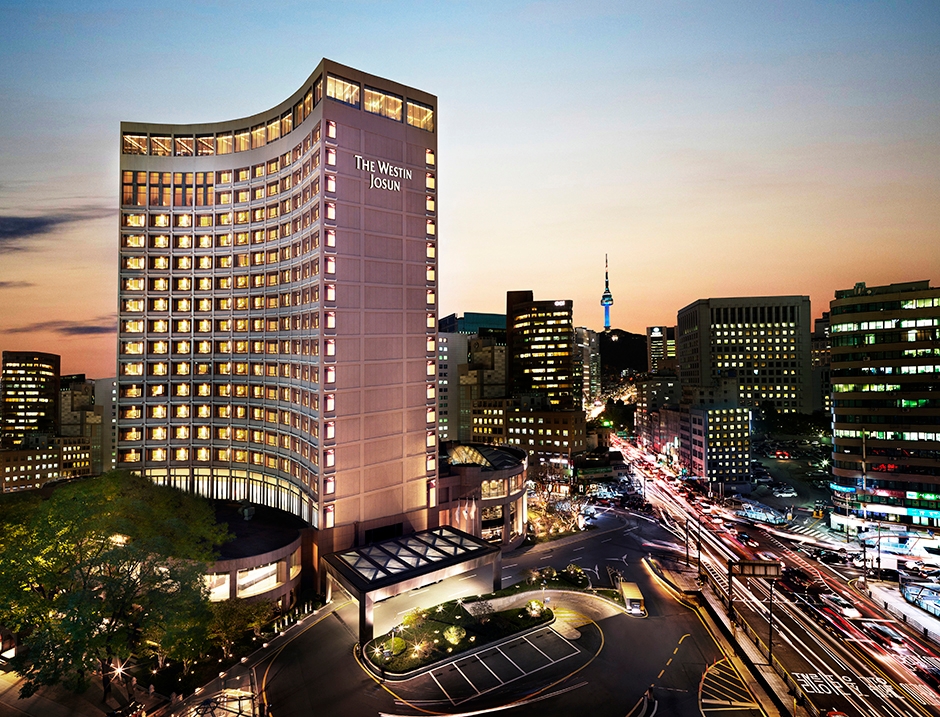
The Westin Josun Seoul (웨스틴 조선 서울)
980.9M 2025-07-18
106, Sogong-ro, Jung-gu, Seoul
The Westin Josun Seoul is situated in the heart of the business and shopping center of Seoul, where the embassies, banks, and government offices are also located. In 1999 and 2003, the Westin Josun was selected as one of the world's top 100 hotels by international financial institutional investors, boasting newly renovated state-of-the-art facilities and rooms, and great service. The hotel has a health center including a swimming pool, spa, and gym; a business center, conference rooms in various sizes, and restaurants. The Westin Josun also manages a banquet hall service with food catered from Gangnam's COEX food courts. The hotel provides the finest business environment, offering a cutting-edge facility holding guestrooms with desktop PCs, high-speed internet connections, TV internet, fax machines, printers, copy machines, automatic climate control, mini bars, and a 24-hour room service to accommodate to guests' every need. The VIP rooms come furnished with 'Heavenly Beds' guaranteeing the best of comfort.
Insadong Chatjip (인사동찻집)
1.0Km 2025-06-24
33-1, Insadong-gil, Jongno-gu, Seoul
Insadong Chatjip is a hanok teahouse that serves home-made traditional tea. Even the red beans used in the summer delicacy patbingsu
Imun Seolnongtang (이문설농탕)
1.0Km 2025-08-08
38-13, Ujeongguk-ro, Jongno-gu, Seoul
Imun Seolnongtang has been serving its hearty seolleongtang for over a hundred years since it first opened in 1907. Even its name has a long history: the word imun comes from Imun-gol, the now-obsolete name of the restaurant’s location, and seolnongtang, an old variation of the word seolleongtang. During the Japanese ocupation rule, the restaurant’s regular customers included Gijeong Son, the marathon gold-medalist at the 1936 Berlin Olympics. To make the rich seolleongtang broth, beef meat and bones are simmered for more than 15 hours. Try putting rice and minced green onion in your seolleongtang for a warm and tasty experience. Kkakttugi (diced radish kimchi), provided as a side dish, is also delicious.
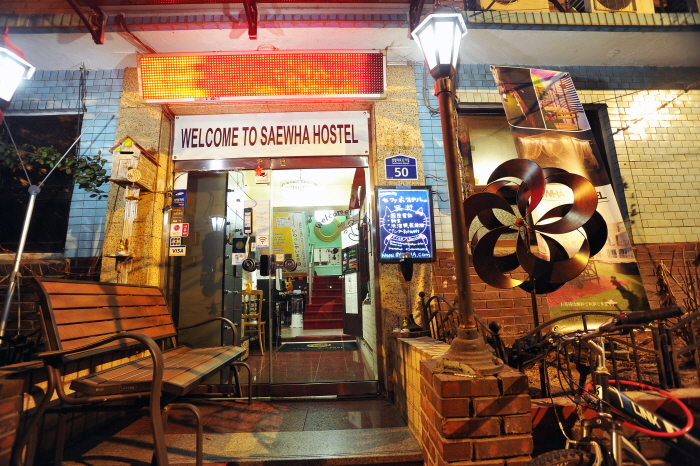
Saewha Hostel (세화호스텔)
1.0Km 2025-07-23
50, Samil-daero 32ga-gil, Jongno-gu, Seoul
Located in Jongno, in the heart of Seoul, Saehwa Hostel offers a variety of guest rooms, including ondol rooms and bedrooms, for up to 3 people. There’s a bathtub in each room. Shared PCs, massage chairs, microwave ovens, washing machines and dryers are all available free of charge. A simple free breakfast is provided, plus a free international phone service and a foreign language guidance service. Seoul Station is 15 minutes away by subway, and the airport limousine bus stops at Jongno 3-ga station. Changdeokgung Palace, Jongmyo Shrine, and downtown shopping streets are all reachable on foot.
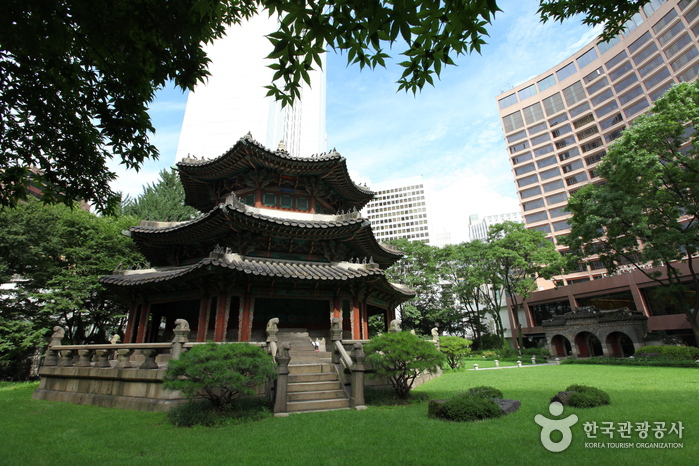
Altar Hwangudan (환구단)
1.0Km 2021-07-30
Sogong-ro 112, Jung-gu, Seúl
El Altar Hwangudan es uno de los altares donde se realizaban rituales sagrados. Los primeros se hicieron durante la dinastía Goryeo, a cargo del rey Seongjong, en el primer mes de 983 (2º año de su reinado), pero su realización se vio interrumpida en diversos períodos hasta que en 1456, ya en la dinastía Joseon, se retomaron estas prácticas. El Altar Hwangudan empezó a tener rituales 1457, pero en 1464 se abolieron nuevamente hasta 1897.
 Español
 한국어
한국어 English
 日本語
日本語 中文(简体)
 Deutsch
 Français
 Русский


