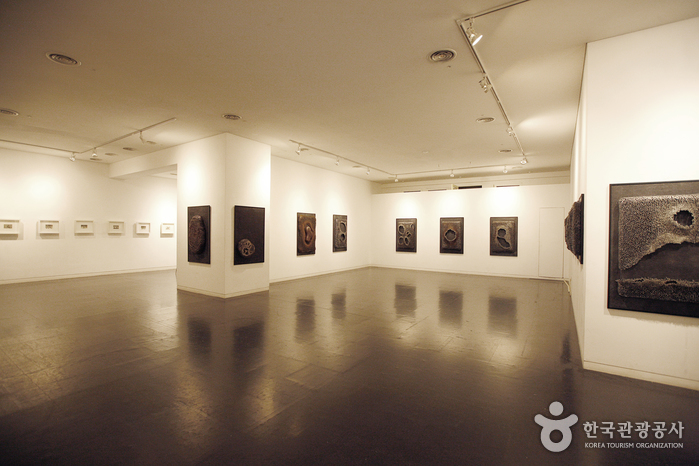
Centro de Arte de Seúl Galería Gongpyeong (서울아트센터 공평갤러리)
441.0M 2023-01-03
Samil-daero 30-gil 10-3, Jongno-gu, Seúl.
Esta galería, inaugurada en 1992, tiene grandes dimensiones: posee 2 pisos, con 4 salas de exposición. La institución organiza exposiciones de todo tipo: arte oriental, occidental, coreano, de escultura, etc., por lo que es un destino imperdible durante una visita a Insa-dong. Más que ser un espacio destinado únicamente a las exposiciones, trata de desarrollarse como un complejo cultural artístico.
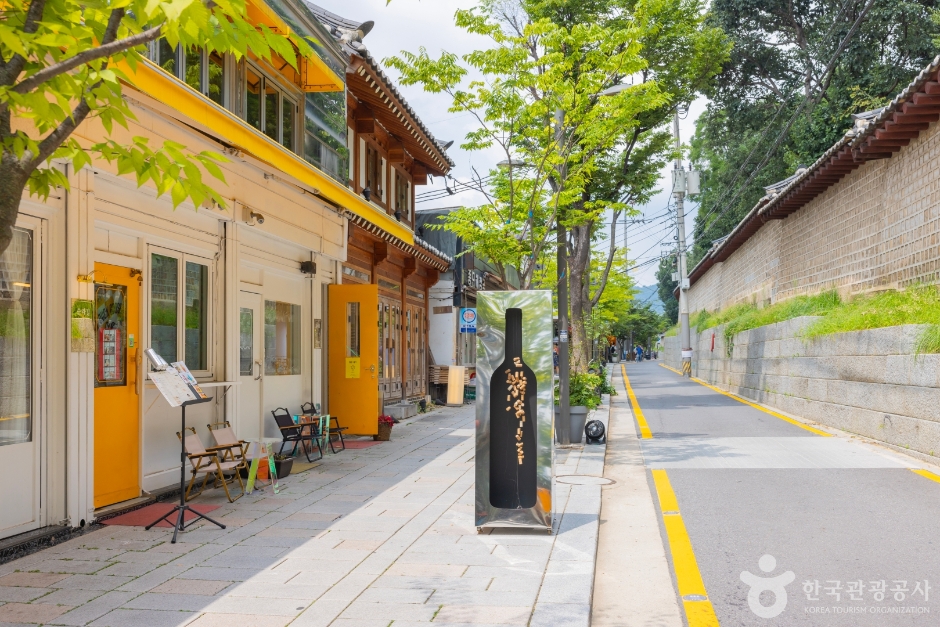
Calle Seosulla-gil (서순라길)
446.4M 2025-05-21
Jong-ro 150-3, Jongno-gu, Seúl
La Calle Seosulla-gil era una calle de la ciudad capital que utilizaban los guardias nocturnos durante la dinastía Joseon. La calle se encuentra al oeste del Santuario de la Realeza Jongmyo y cerca hay varios sitios de interés turístico, como los barrios de Ikseon-dong, Insa-dong, Bukchon y Samcheong-dong, además de restaurantes, cafeterías y talleres de artesanías. La calle es especialmente bonita durante las estaciones de primavera y otoño, gracias a los diversos colores que adquiere la vegetación.
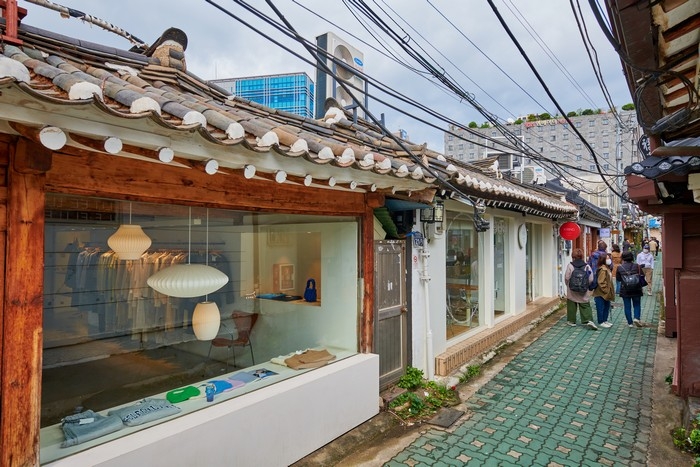
Calle de los Hanok de Ikseon-dong (익선동 한옥거리)
461.4M 2025-05-26
Ikseon-dong, Jongno-gu, Seúl
La Calle de los Hanok de Ikseon-dong es la calle que conecta la salida 6 de la Estación de Jongno 3(sam)-ga con el hotel Ibis Ambassador Insadong. Esta calle, con edificios de estilo tradicional coreano hanok como ninguna otra en Seúl, se ha convertido en un sitio de visita obligada en los recorridos por la capital de Corea para visitantes nacionales e internacionales. Alberga muchos restaurantes, cafés y tiendas en edificios hanok renovados. En el pasado, este barrio estaba cerca de los palacios de la dinastía Joseon, por lo que era el hogar de dignatarios de alto rango, incluidos aristócratas prominentes. Debido a esto, hay muchas casas grandes con techos de tejas (giwajip), lo que le da a la calle un aspecto tradicional. Su designación como Distrito de Preservación Hanok en 2018 resultó en que muchas tiendas locales se mudaran al vecindario. Encontramos una maraña de callejones estrechos que en ocasiones pueden ser un desafío a la hora de circular, en especial cuando hay muchos visitantes, por lo que se recomienda prestar atención al recorrer los alrededores.
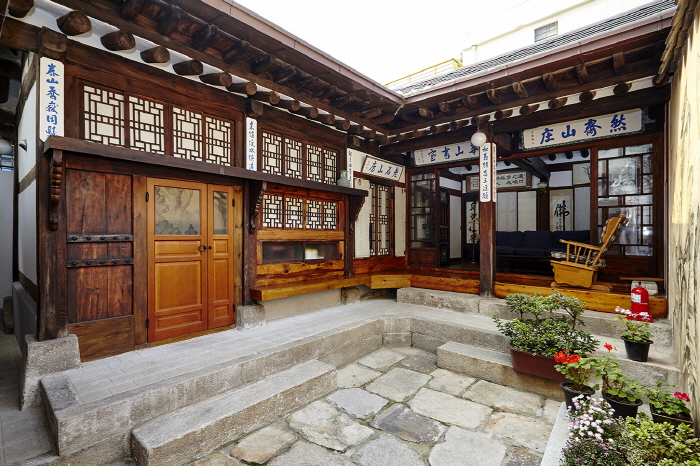
Sieunjae / 시은재
483.1M 2025-08-13
439, Samil-daero, Jongno-gu, Seoul
Located in Gyeongun-dong, Jongno-gu at the very heart of Seoul, Sieunjae is a hanok with a longstanding tradition. It has three guestrooms including the anbang (main room), byeolchae (detached building), and jakeunbang (small room). The anbang is the only room with a living room, where various items of old furniture, including a comfortable sofa, create an antique atmosphere. The communal bathroom and toilets are supplied with toiletries, while the communal kitchen is equipped with cooking equipment and a washing machine.
The house can be rented either as individual accommodations or in its entirety. As it is situated in Jongno-gu, at the very heart of Seoul, guests can easily reach many nearby major tourist attractions. Car users are advised to use the public parking lot as the house has no parking spaces. Entering by a small gate, the little flowerbed comes into sight. This old hanok shows traces of repair works on the tiled roof.
Campanario Bosingak (보신각 터)
507.7M 2025-06-25
Jong-ro 54, Jongno-gu, Seúl
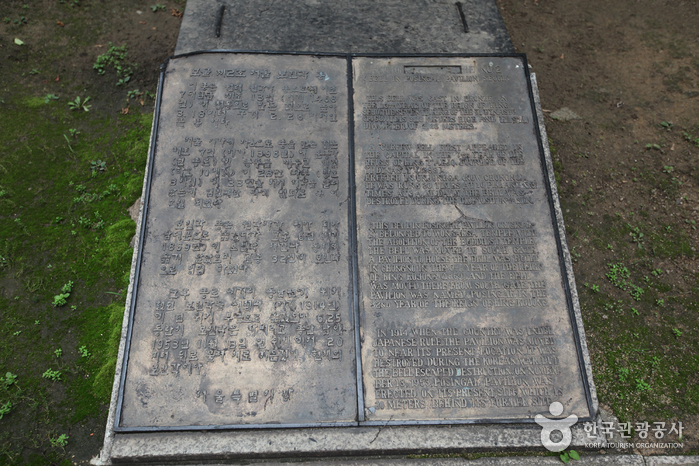
El campanario Bosingak es el lugar en donde se encontraba la campana que daba la señal de la hora, tanto para las áreas del interior y exterior de la muralla de la ciudad capital. Fue construido en el 13º año (1468) del reinado de Sejo de la época Joseon, y en aquel tiempo, se fundó también el templo Wongaksa, pero fue trasladado al sitio actual, durante el reinado de Gwanghaegun (1619). En la antigüedad, la campana se tocaba 33 veces a las 04:00, y 28 veces a las 22:00, y era utilizada para dar la señal de la hora, y como símbolo de la apertura y cierre del portón de la muralla. Es un patrimonio cultural de gran valor para los estudios académicos. Siendo el Tesoro, la pieza original se encuentra en el Museo Nacional de Corea.
Insa-dong Antique Art Street (인사동 고미술거리)
508.0M 2025-08-04
29, Insadong-gil, Jongno-gu, Seoul
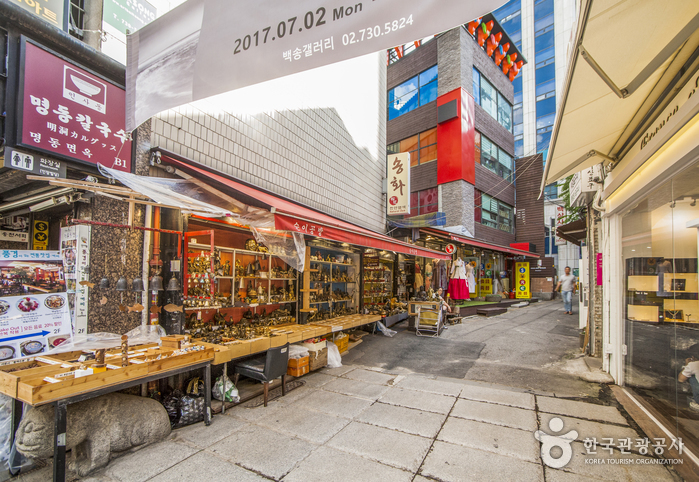
As of today, there are approximately 70 shops in the Insa-dong area that sell antique arts. Some of the products they sell include antique artworks, porcelains, woodcrafts, and metalwork. Visitors may even find rare and valuable products such as earthenware from the Silla period or white porcelain used in the Joseon dynasty. Each shop is a specialty store, authorized to sell product types that are of their expertise, ranging from antique furniture and traditional artworks to handcrafted items.

Insadong Chatjip (인사동찻집)
548.6M 2025-06-24
33-1, Insadong-gil, Jongno-gu, Seoul
Insadong Chatjip is a hanok teahouse that serves home-made traditional tea. Even the red beans used in the summer delicacy patbingsu
Saewha Hostel (세화호스텔)
576.4M 2025-07-23
50, Samil-daero 32ga-gil, Jongno-gu, Seoul
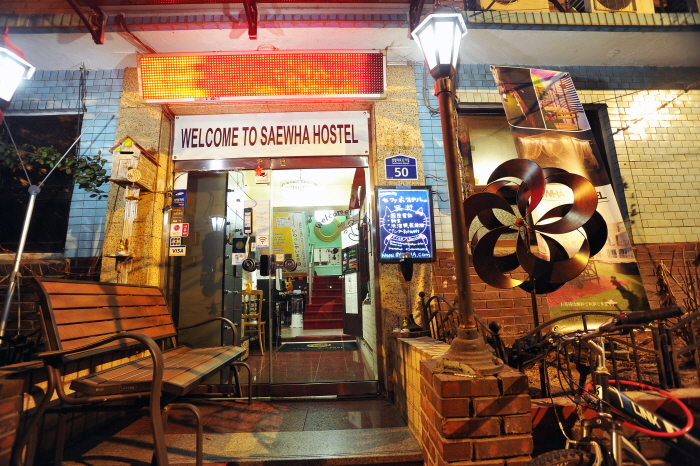
Located in Jongno, in the heart of Seoul, Saehwa Hostel offers a variety of guest rooms, including ondol rooms and bedrooms, for up to 3 people. There’s a bathtub in each room. Shared PCs, massage chairs, microwave ovens, washing machines and dryers are all available free of charge. A simple free breakfast is provided, plus a free international phone service and a foreign language guidance service. Seoul Station is 15 minutes away by subway, and the airport limousine bus stops at Jongno 3-ga station. Changdeokgung Palace, Jongmyo Shrine, and downtown shopping streets are all reachable on foot.
Museo Kimchikan (뮤지엄 김치간)
582.4M 2025-05-26
Insadong-gil 35-4, Jongno-gu, Seúl
Desde su fundación en 1986, el Museo Kimchikan ha expuesto las reliquias históricas relacionadas con el kimchi, los diversos tipos, maquetas de los procesos del preparado, e información sobre la eficacia derivada de su proceso de fermentación. Los visitantes aprenderán sobre el origen y la historia del kimchi a través de libros, pinturas y escrituras antiguas, y los diferentes tipos de vasijas almacenadoras de kimchi junto con los utensilios tradicionales de cocina que se utilizaban para prepararlo. También se exponen diferentes tipos de kimchi característicos en cada región de Corea y espacios para actividades.
Imun Seolnongtang (이문설농탕)
590.3M 2025-08-08
38-13, Ujeongguk-ro, Jongno-gu, Seoul
Imun Seolnongtang has been serving its hearty seolleongtang for over a hundred years since it first opened in 1907. Even its name has a long history: the word imun comes from Imun-gol, the now-obsolete name of the restaurant’s location, and seolnongtang, an old variation of the word seolleongtang. During the Japanese ocupation rule, the restaurant’s regular customers included Gijeong Son, the marathon gold-medalist at the 1936 Berlin Olympics. To make the rich seolleongtang broth, beef meat and bones are simmered for more than 15 hours. Try putting rice and minced green onion in your seolleongtang for a warm and tasty experience. Kkakttugi (diced radish kimchi), provided as a side dish, is also delicious.
 Español
 한국어
한국어 English
 日本語
日本語 中文(简体)
 Deutsch
 Français
 Русский


