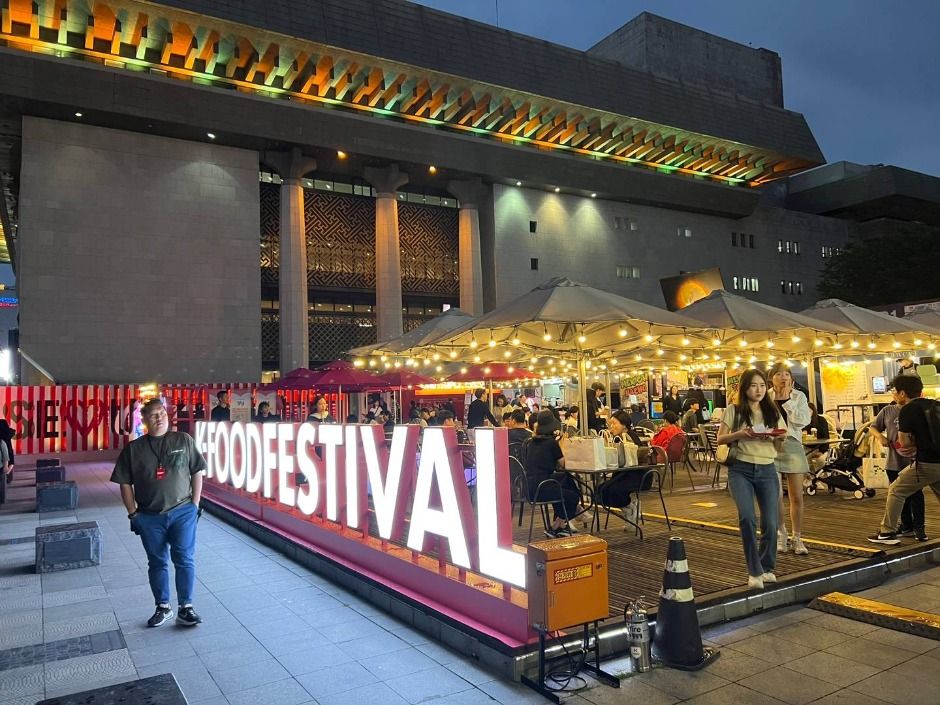
K-Food Festival Knock Knock (K-푸드 페스티벌 넉넉)
940.5M 2025-06-20
Sejong-daero Jiha 189, Jongno-gu, Seúl
02-2088-4960
Auspiciado por el Ayuntamiento de Seúl, K-Food Festival Knock Knock es un evento de carácter gastronómico dedicado en especial a la comida coreana. Se instalan unos 15 camiones de comida que ofrecen platos de comida coreana que no son fáciles de encontrar en otros lugares, como crepe de kimchi, panceta y queso; rollo de caqui disecado con nueces y queso crema, brochetas de pollo con kimchi y salsa ssamjang, pollo frito rebozado con arroz acaramelado, bebida de arroz sikhye con calabaza, etc. Durante fines de semana largos y períodos festivos se agregan diversos eventos anexos como espectáculos, tiendas temporales de artesanías, etc.
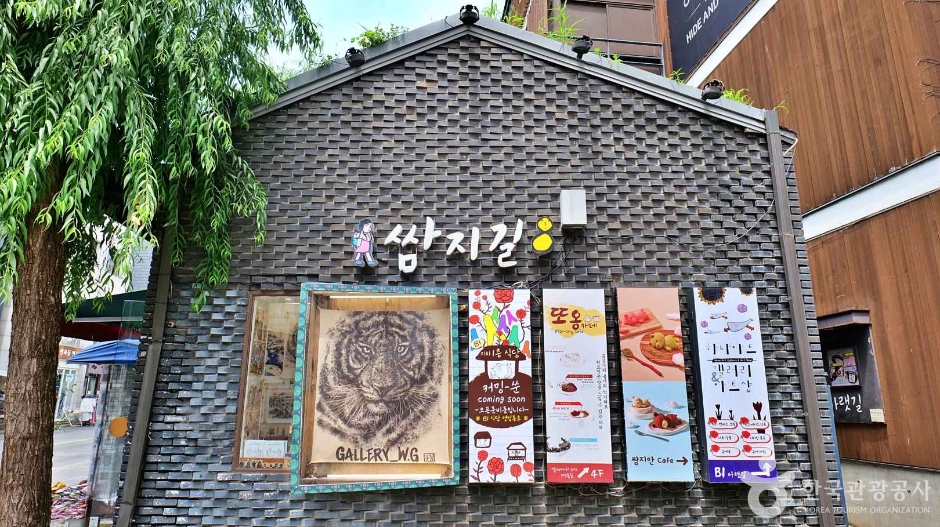
Ssamzigil (쌈지길)
967.4M 2025-05-26
Insadong-gil 44, Jongno-gu, Seúl
En las animadas calles de Insa-dong se fundó un área de 500 m de largo el 18 de diciembre de 2004. Este edificio tan particular fue construido conectando las encantadoras calles con escaleras en forma de espiral. Al ir haciendo compras por las divertidas y encantadoras tiendas hasta el último piso, llegará a Haneulmadang, donde podrá tener una buena vista del cielo. Ssamzigil cubre una superficie de aproximdamente 4.000 m² con más de 70 tiendas de artesanías, galerías de arte, restaurantes y tiendas de recuerdos.
Of one book and stay / 일독일박
983.7M 2025-08-11
11-1, Pirundae-ro 3-gil, Jongno-gu, Seoul
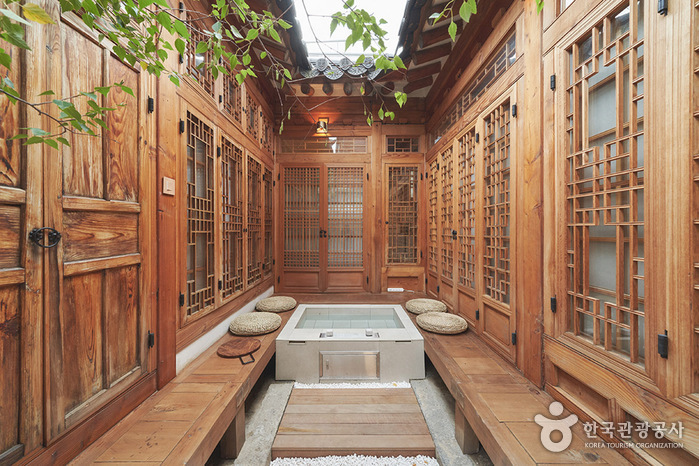
This hanok (traditional Korean house) is located in Seochon Village near Gyeongbokgung Palace. It is a modern C-shaped hanok centered around the inner courtyard, which is the first thing that the guests see after entering through the gate. While it is not expansive, white pebbles and a foot bath make this hanok a unique one. One can enjoy a foot bath while sitting on the porch.
The bedroom, which is located beyond the living room, is furnished with a queen-sized bed. Opening the screen doors brings one to the view of the kitchen area beyond the inner courtyard. A large table, plush sofa, and a small bookcase make the space ideal for books and discussions. Climbing the wooden ladder to the side of the kitchen brings one to the attic, which also doubles as a Korean-style room with a skylight. The kitchen is furnished with a refrigerator, microwave oven, gas stove, electric kettle, toaster, pots, utensils, wine glasses, and bottled water. There is a restroom with a bathtub. The standard occupancy of the house is 4 people.

Museo Kimchikan (뮤지엄 김치간)
1.0Km 2025-05-26
Insadong-gil 35-4, Jongno-gu, Seúl
Desde su fundación en 1986, el Museo Kimchikan ha expuesto las reliquias históricas relacionadas con el kimchi, los diversos tipos, maquetas de los procesos del preparado, e información sobre la eficacia derivada de su proceso de fermentación. Los visitantes aprenderán sobre el origen y la historia del kimchi a través de libros, pinturas y escrituras antiguas, y los diferentes tipos de vasijas almacenadoras de kimchi junto con los utensilios tradicionales de cocina que se utilizaban para prepararlo. También se exponen diferentes tipos de kimchi característicos en cada región de Corea y espacios para actividades.
 Español
 한국어
한국어 English
 日本語
日本語 中文(简体)
 Deutsch
 Français
 Русский


