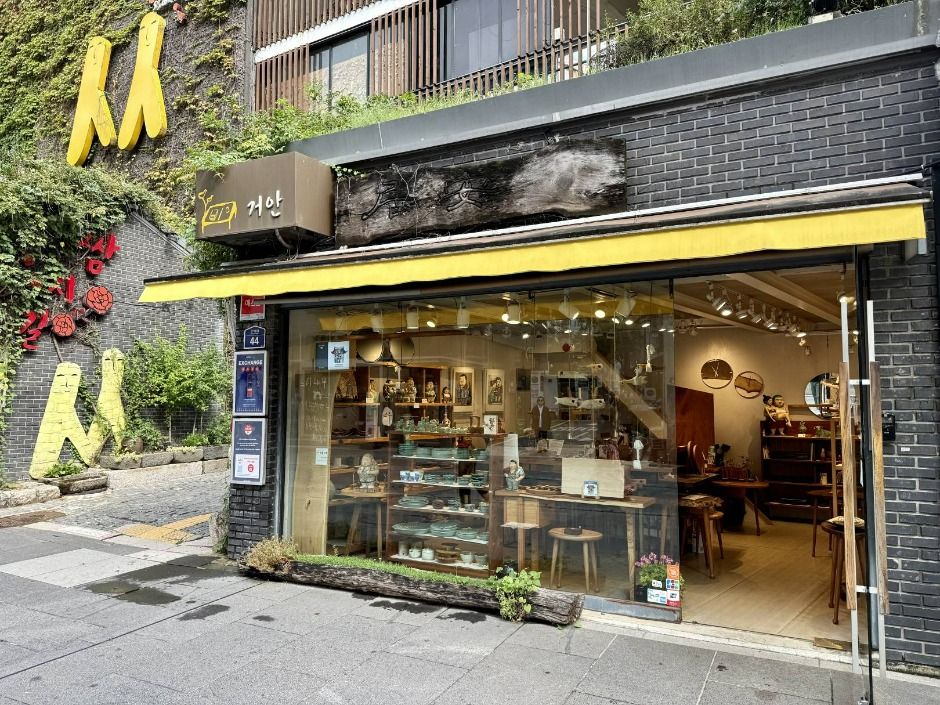
Geoan (거안)
7.6Km 2025-10-23
Insadong-gil 44, Jongno-gu, Seúl
Inaugurado en el barrio de Insa-dong, Seúl, en 1981, Geoan es un taller que crea muebles y accesorios de madera utilizando la mejor madera maciza y técnicas exquisitas. Los productos expuestos se pueden comprar en el momento, y es posible personalizarlos especificando el material y el tamaño. Además de la producción de muebles, la tienda también expone y vende una variedad de obras de arte, como porcelana celadón, laca de nácar y esculturas. Es conocido como un elegante espacio artístico donde se fusionan la tradición y la modernidad. Geoan continúa transmitiendo el valor de la ebanistería coreana y los visitantes pueden experimentar la belleza atemporal de la madera y la cálida sensibilidad que nace del trabajo artesanal.
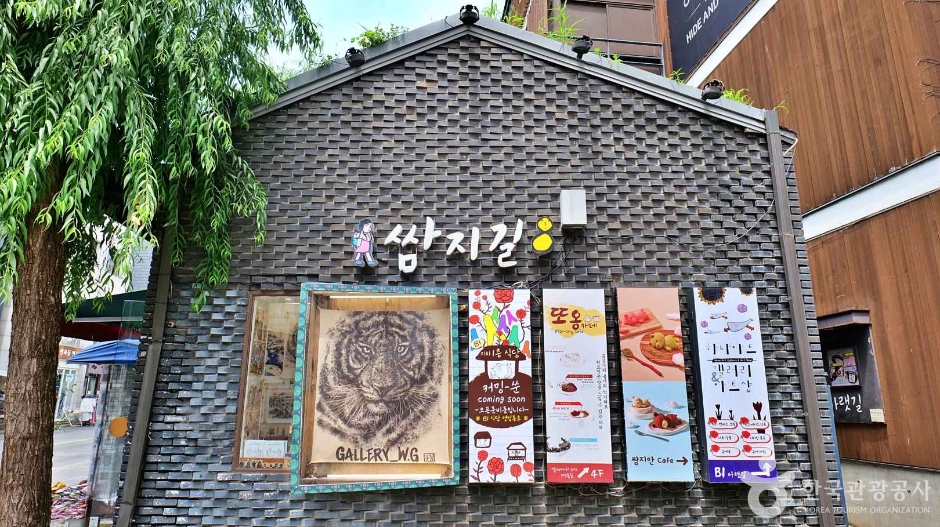
Ssamzigil (쌈지길)
7.6Km 2025-05-26
Insadong-gil 44, Jongno-gu, Seúl
En las animadas calles de Insa-dong se fundó un área de 500 m de largo el 18 de diciembre de 2004. Este edificio tan particular fue construido conectando las encantadoras calles con escaleras en forma de espiral. Al ir haciendo compras por las divertidas y encantadoras tiendas hasta el último piso, llegará a Haneulmadang, donde podrá tener una buena vista del cielo. Ssamzigil cubre una superficie de aproximdamente 4.000 m² con más de 70 tiendas de artesanías, galerías de arte, restaurantes y tiendas de recuerdos.

Sarangchae (사랑채)
7.6Km 2025-05-14
6, Insadong 16-gil, Jongno-gu, Seoul
Sarangchae is located in Insa-dong, one of the most famous neighborhoods visited by tourists. Majority of the restaurant's customers are foreigners, and they offer reasonably priced Korean dishes that are highly popular among foreign visitors.
![Museo Nacional de Arte Moderno y Contemporáneo en Seúl [MMCA] (국립현대미술관 서울관)](http://tong.visitkorea.or.kr/cms/resource/03/2991503_image2_1.jpg)
Museo Nacional de Arte Moderno y Contemporáneo en Seúl [MMCA] (국립현대미술관 서울관)
7.7Km 2025-04-18
Samcheong-ro 30, Jongno-gu, Seúl
En 2013, el Museo Nacional de Arte Moderno y Contemporáneo [MMCA] abrió un nuevo edificio en Seúl, ubicado en el barrio de Sogyeok-dong, distrito de Jongno-gu. Este museo es especial porque introdujo el concepto de arquitectura tradicional coreana 'madang', que se trata de un espacioso patio que la gente puede visitar. Tiene distintas instalaciones, como un teatro, una galería, una sala multiuso, etc.
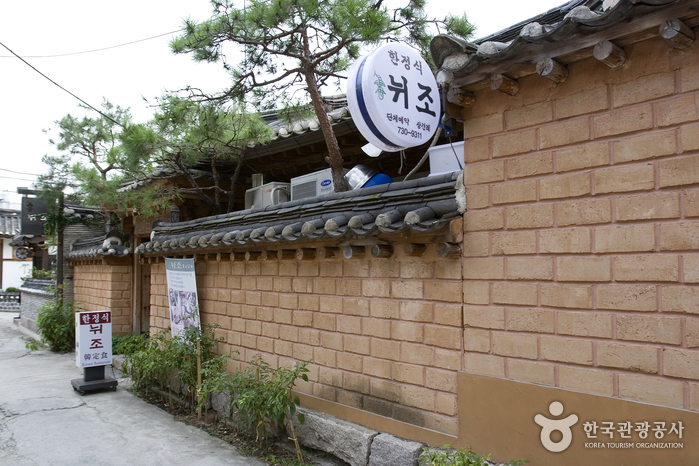
Nwijo (뉘조)
7.7Km 2024-11-28
27, Insadong 14-gil, Jongno-gu, Seoul
+82-2-730-9311
Nwijo (뉘조) is a Korean restaurant specializing in wild vegetable cuisine. The name ‘Nwijo’ means ‘the god of the silkworm,’ and likens wild vegetables to silkworms in that both can be eaten in their entirety. The restaurant serves original full-course Korean meals that are prepared using hundreds of kinds of wild vegetables, including special seasonal vegetables.
A typical full-course meal starts with delicious pumpkin porridge, followed by seasoned wild vegetables, root vegetable ssam (condiments wrapped in vegetable leaves), slices of boiled meat, and steamed lotus leaf-wrapped rice served with jjigae (Korean stew) and various side dishes. This kind of traditional feast is pleasing to both the eye and the palate and is topped off with sikhye (traditional sweet rice drink). Lunch specials are also available.
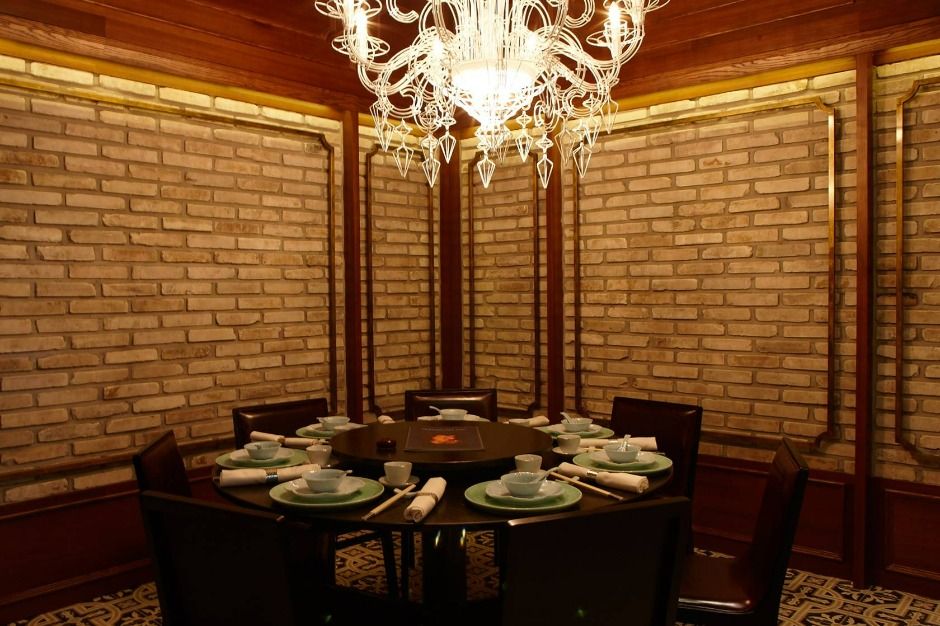
Modern Nulang Central City Branch (모던눌랑 센트럴시티점)
7.7Km 2025-12-03
205, Sapyeong-daero, Seocho-gu, Seoul
Setting a romantic and modern atmosphere, Modern Nulang is a Chinese restaurant inspired by the "New Woman" concept from Shanghai's modern history. The restaurant’s design reflects Shanghai’s modern culture in the 1930s, portraying itself as a place that sets trends and is frequented by intelligent, sophisticated women. Decorative elements like a train platform, murals, and antique décor are scattered throughout the space, capturing the aesthetic essence of that era. Even the food served here stays true to the concept, presented in an elegant and romantic fashion. Signature menu items include Modern Nulang Shanghai Roll Platter, Braised Pork Belly with Chinese Buns, and Mint Lime Shrimp.
Sieunjae / 시은재
7.7Km 2025-08-13
439, Samil-daero, Jongno-gu, Seoul
+82-10-5355-3029
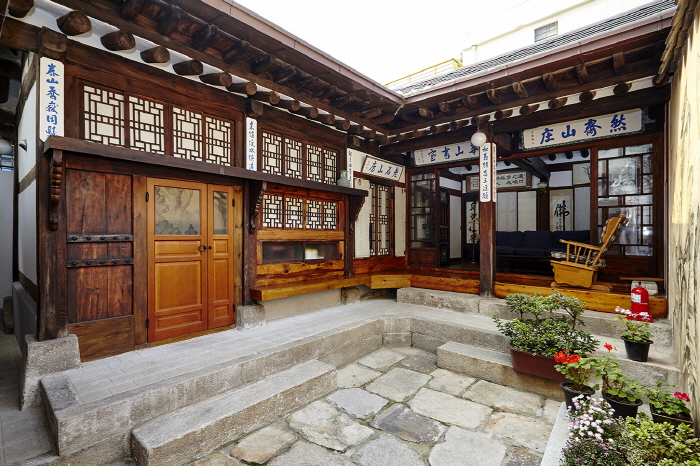
Located in Gyeongun-dong, Jongno-gu at the very heart of Seoul, Sieunjae is a hanok with a longstanding tradition. It has three guestrooms including the anbang (main room), byeolchae (detached building), and jakeunbang (small room). The anbang is the only room with a living room, where various items of old furniture, including a comfortable sofa, create an antique atmosphere. The communal bathroom and toilets are supplied with toiletries, while the communal kitchen is equipped with cooking equipment and a washing machine.
The house can be rented either as individual accommodations or in its entirety. As it is situated in Jongno-gu, at the very heart of Seoul, guests can easily reach many nearby major tourist attractions. Car users are advised to use the public parking lot as the house has no parking spaces. Entering by a small gate, the little flowerbed comes into sight. This old hanok shows traces of repair works on the tiled roof.
Texas de Brazil Central City Branch (텍사스 데 브라질 센트럴시티점)
7.7Km 2025-12-03
205, Sapyeong-daero, Seocho-gu, Seoul
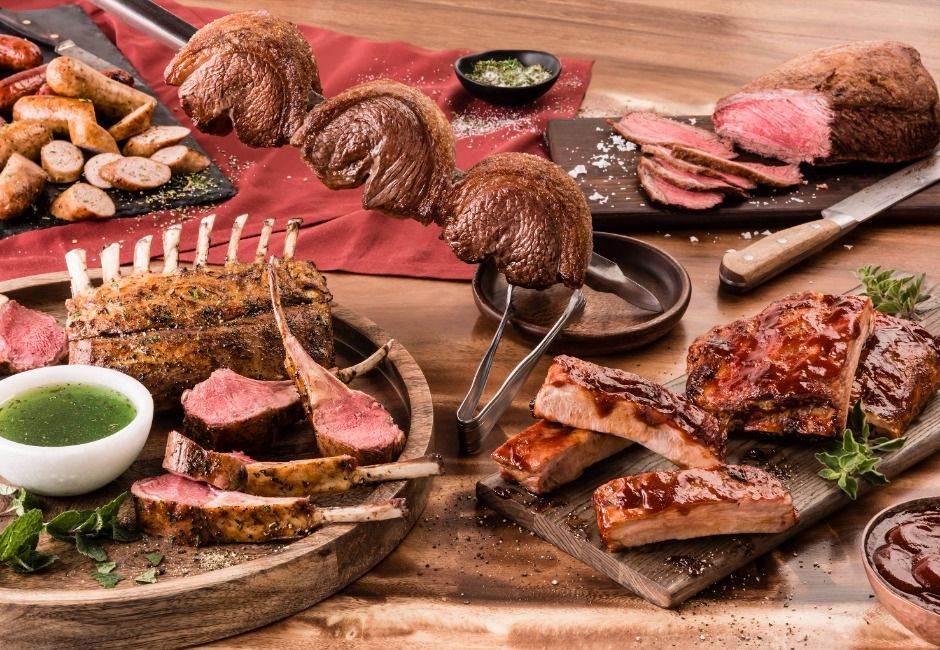
Located in Seocho-gu, Texas de Brazil Central City Branch offers 15 different types of churrasco—traditional Brazilian steak barbecue—and 50 varieties of Brazilian dishes. Churrasco refers to meat skewered on a 1.2-meter-long stick and grilled over hard charcoal, making it tender and juicy. The carver also comes to the guest’s table to slice—or "carve"—the meat portions according to the guest’s request. Not only is the food served here a treat for the palate, but for the eyes as well.
Museo de Artesanía de Seúl (SeMoCA) (서울공예박물관)
7.7Km 2025-05-28
Yulgok-ro 3-gil 4, Jongno-gu, Seúl
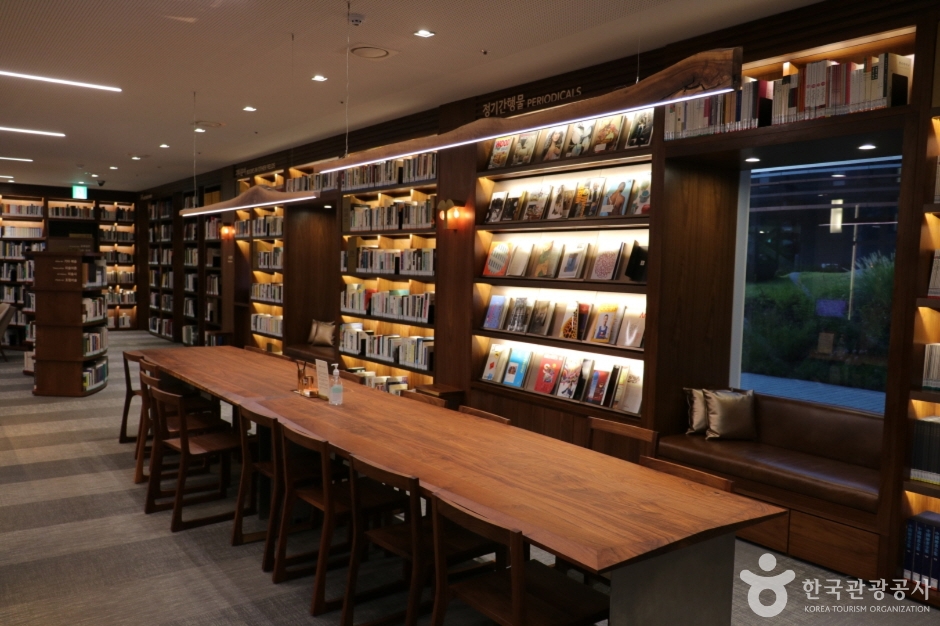
El Museo de Artesanía de Seúl (SeMoCA, por sus siglas en inglés) es el primer museo público de artesanía en Corea y abrió sus puertas en el barrio de Anguk-dong, Seúl, en julio de 2021. La inauguración se produjo tras la renovación de cinco edificios de la antigua escuela secundaria femenina Pungmoon. El SeMoCA estudia y comparte no solo obras, sino también información, registros y entornos relacionados con la artesanía, con el objetivo de convertirse en una plataforma dinámica para experimentar los valores técnicos, prácticos, artísticos y culturales de la artesanía.
El SeMoCA alberga una colección que abarca diversas artesanías y materiales artesanales que abarcan múltiples campos y épocas, desde lo tradicional hasta lo actual. También organiza exposiciones que presentan la historia de la artesanía, desde el arte tradicional hasta el contemporáneo, así como artesanías locales e infantiles, junto con programas que utilizan las instalaciones, los archivos, la biblioteca y el sistema de gestión de recursos del museo.
El sitio donde se encuentra el museo tiene profundas raíces históricas, ya que también es el solar del Palacio Secundario de Anguk, donde se construyó un palacio independiente como residencia real para el hijo del rey Sejong, el príncipe Yeongeung, y sirvió como sede de celebraciones reales, como la boda del rey Sunjong. Su ubicación, en el centro del distrito de Jongno-gu, es donde los maestros artesanos de la era Joseon producían y entregaban sus obras.
Gwangyang Bulgogi (광양불고기)
7.7Km 2025-05-15
531, Nambusunhwan-ro, Yangcheon-gu, Seoul, Korea
Bulgogi is a common dish in South Korea, but Gwangyang bulgogi has a unique taste based on a special seasoning that is buried in tradition. The side dishes, not only the bulgogi, are very delicious.
 Español
 한국어
한국어 English
 日本語
日本語 中文(简体)
 Deutsch
 Français
 Русский


