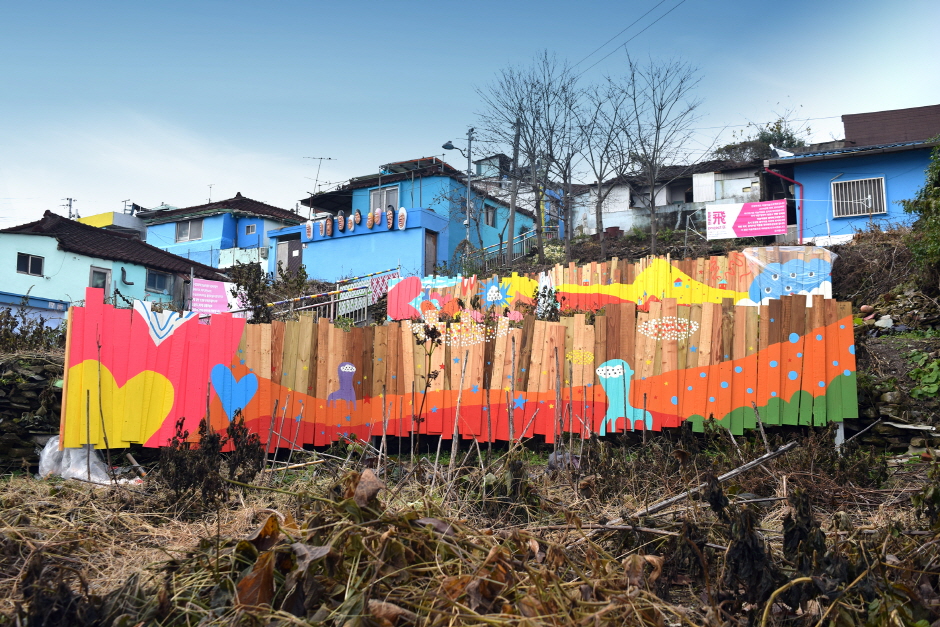
Aldea Cheongchun Balsan (청춘발산마을)
19.3Km 2026-06-30
Cheonbyeonjwa-ro 12-16, Seo-gu, Ciudad Metropolitana Especial de Jeonnam-Gwangju
La Aldea Balsan fue una zona representativa de Gwangju. Se conformó como un asentamiento de refugiados de la Guerra de Corea y luego, en los años 70 y 80 del siglo XX, las pequeñas casas apiñadas en la ladera de una montaña atrajeron a jóvenes que buscaban trabajo, principalmente mujeres para las fábricas textiles cercanas. En años recientes, un proyecto de renovación urbana con la incorporación de murales coloridos y otros espacios públicos le ha dado a la aldea un nuevo aire, convirtiéndose en un destino turístico de Gwangju.

Gwihyangjeong (귀향정)
19.4Km 2026-06-30
Champan-ro 26-beongil 21, Dong-gu, Ciudad Metropolitana Especial de Jeonnam-Gwangju
Gwihyangjeong ha servido el tradicional menú completo coreano hanjeongsik durante más de 17 años. Los comensales pueden disfrutar de mariscos frescos, productos orgánicos de la región y sabores locales.
Calle de la Carne de Pato (오리요리의 거리)
19.4Km 2026-06-30
Gyeongyang-ro 125, Buk-gu, Ciudad Metropolitana Especial de Jeonnam-Gwangju
La Calle de la Carne de Pato alberga diversos restaurantes que sirven carne de pato en la ciudad de Gwangju, especialmente la sopa de pato (oritang). Esta comida se prepara con carne de pato mezclada con perejil en vinagre y pasta de guindilla roja (gochujang) y polvo de hojas de perilla. El origen de esta sopa está en los barrios de Yu-dong y Sinan-dong del distrito de Buk-gu, remontándose a la década de 1970. En aquel entonces, se cree que un joven que dirigía una granja de patos en Geumcheon-myeon, ciudad de Naju, provincia de Jeollanam-do, le preguntó al dueño de un restaurante cómo cocinar patos silvestres, y desarrolló y popularizó la sopa de pato hervida con perejil de agua y polvo de perilla. La deliciosa y económica sopa de pato se popularizó, y el número de restaurantes de sopa de pato comenzó a aumentar, formando una calle. Actualmente, hay unos 10 restaurantes operando en esta Calle de la Carne de Pato. La sopa de pato no es el único plato que se sirve, también hay opciones como el lomo de pato y el pato salteado sazonado, pero la sopa sigue siendo la más popular.
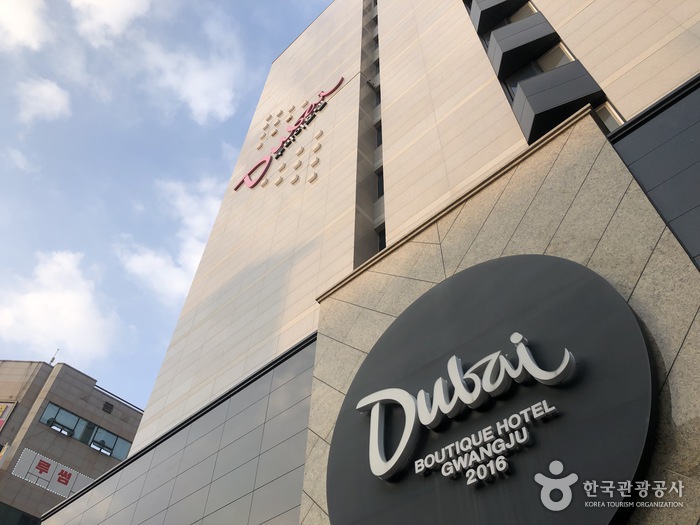
Dubai Hotel (두바이호텔)
19.4Km 2026-06-30
47, Sangmubeonyeong-ro, Seo-gu, Ciudad Metropolitana Especial de Jeonnam-Gwangju
The Dubai Hotel in Gwangju opened in 2016. Rooms have white-themed interiors, king-size double beds, a jacuzzi, and chandeliers to enhance the opulence. Free valet parking and both Korean and American buffet breakfasts are provided. Gwangju Airport and U-Square Gwangju Bus Terminal are just 10 minutes away by car, and KTX/SRT Gwangju Songjeong station about 15 minutes away. Gwangju City Hall is within walking distance, and the Kim Daejung Convention Center and the 5.18 Memorial Park are also both nearby.

Arirang House (아리랑하우스)
19.4Km 2026-06-30
2, Mudeung-ro 321beon-gil, Dong-gu, Ciudad Metropolitana Especial de Jeonnam-Gwangju
With a proud 20-year history, Arirang House is famous for its kimchi, which won a prize at the first Kimchi Festival. In 2003, the restaurant collaborated with Shilla Hotel and Paradise Hotel and successfully hosted a royal cuisine demonstration event, contributing to the promotion of Korean cuisine. Arirang House serves delicious Korean cuisine in an elegant style. The food is carefully prepared by 11 chefs, including the chef who has thirty years of experience. The kitchen is divided into the side dish team, the special dish team, and the main course team to prepare a total of thirty or so specialized dishes. The flavors are enhanced by using only the freshest natural ingredients and not using any artificial seasonings. Prices vary by course, and each course comes with raw beef, samhap (a combination of three special foods), assorted raw fish, and steamed short ribs. The bossam kimchi (kimchi with slices of steamed pork) is also one of their specialties.
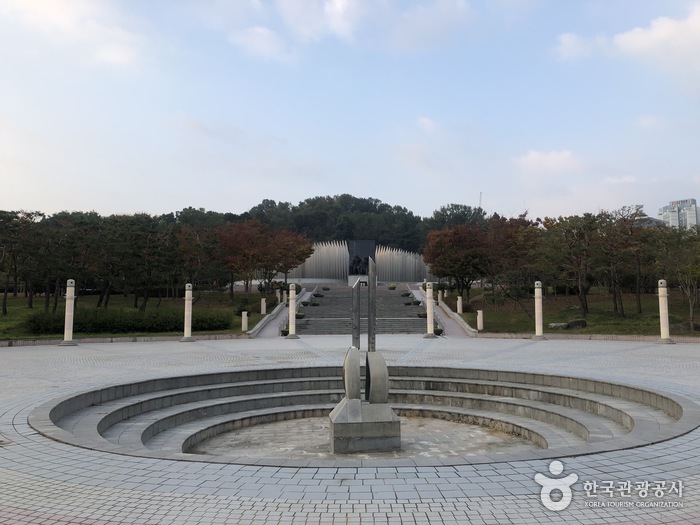
Parque Conmemorativo del 18 de Mayo (5·18 기념공원)
19.5Km 2026-06-30
Naebang-ro 152, Seo-gu, Ciudad Metropolitana Especial de Jeonnam-Gwangju
El Parque Conmemorativo del 18 de Mayo se estableció para recordar el Movimiento por la Democracia del 18 de Mayo, que tuvo lugar en Gwangju en 1980. El parque alberga varias instalaciones históricas y culturales, incluida la Biblioteca 18 de Mayo, el Centro Cultural 18 de Mayo, el Centro Educativo, la Plaza Daedong, la Torre Owoldae y otras esculturas y monumentos conmemorativos. En su interior también están el Templo Mugaksa y varios senderos para caminar, ya que casi la mitad del predio de más de 200.000 ㎡ está compuesto por zonas verdes.
Hotel The May (호텔 5월)
19.5Km 2026-06-30
51, Sangmubeonyeong-ro, Seo-gu, Ciudad Metropolitana Especial de Jeonnam-Gwangju
Hotel The May is a boutique & business hotel located in the Sangmu district of Seo-gu, Gwangju. Business travelers will find a shared work space on the 7th floor equipped with desks, fax machines and computers. Breakfast is served free of charge in the 2nd floor cafeteria, and residents can use a well-equipped shared kitchen. The hotel is close to Gwangju Airport, Songjeong station, and Gwangju Express Bus terminal, making it convenient for both domestic and international travelers.
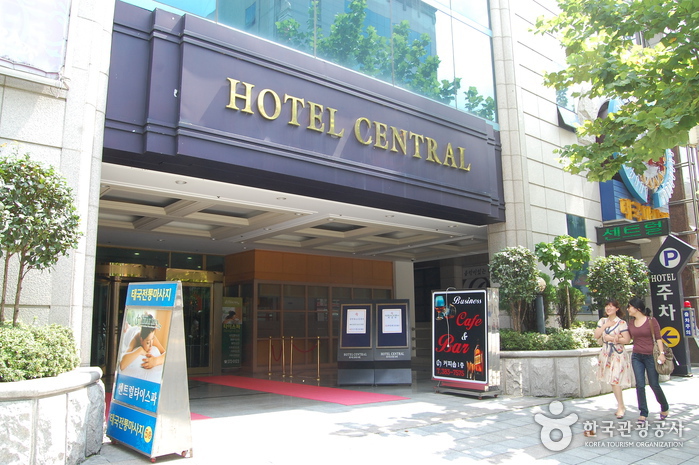
Hotel Central (센트럴관광호텔)
19.5Km 2026-06-30
68, Sangmuyeonha-ro, Seo-gu, Ciudad Metropolitana Especial de Jeonnam-Gwangju
Hotel Central is an affordable tourist hotel located in the city center of Gwangju. The hotel aims to meet every need of today's modern travelers, from high-speed internet to safety and comfort.
Macheollu (마천루)
19.8Km 2026-06-30
236, World Cup 4gang-ro, Seo-gu, Ciudad Metropolitana Especial de Jeonnam-Gwangju
Macheollu is a popular Chinese cuisine restaurant, especially for familiy and friend gatherings. The restaurant also has “couple” menus for young couples.
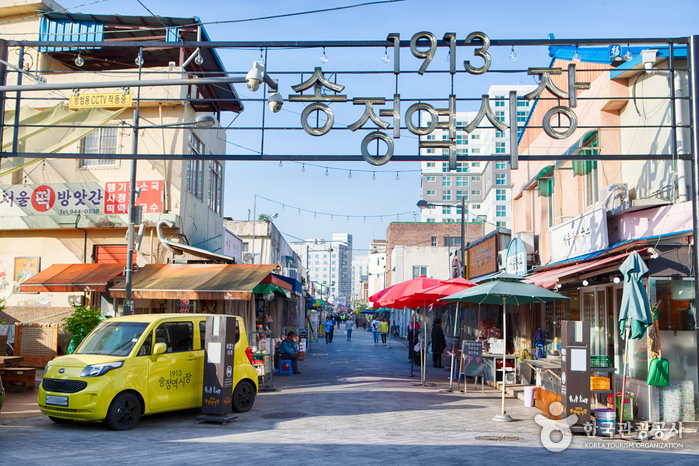
Mercado 1913 de la Estación de Songjeong (1913송정역시장)
19.9Km 2026-06-30
Songjeong-ro 8-beongil 13, Gwangsan-gu, Ciudad Metropolitana Especial de Jeonnam-Gwangju
El Mercado 1913 de la Estación de Songjeong abrió en 1913 junto a la apertura de la Estación de Gwangju-Songjeong. Como mercado local, era muy visitado durante sus primeras décadas; pero con el paso del tiempo, el número de visitantes cayó notablemente, lo cual hizo que el mercado se revistiera con nuevas tiendas y productos que reflejan la sociedad actual. Así nació el Mercado 1913, que presenta un estilo totalmente contemporáneo, pero con diseños que permiten conocer la historia del lugar.
 Español
 한국어
한국어 English
 日本語
日本語 中文(简体)
 Deutsch
 Français
 Русский


