![Olive Mart [Tax Refund Shop] (주식회사 올리브마트)](http://tong.visitkorea.or.kr/cms/resource/77/2878677_image2_1.jpg)
Olive Mart [Tax Refund Shop] (주식회사 올리브마트)
15.7Km 2024-04-16
1F, 229-3, Jangchungdan-ro, Jung-gu, Seoul
-

Olive Young - Hyehwa Station Branch [Tax Refund Shop] (올리브영 혜화역점)
15.7Km 2024-06-27
1F, 122, Daehak-ro, Jongno-gu, Seoul
-
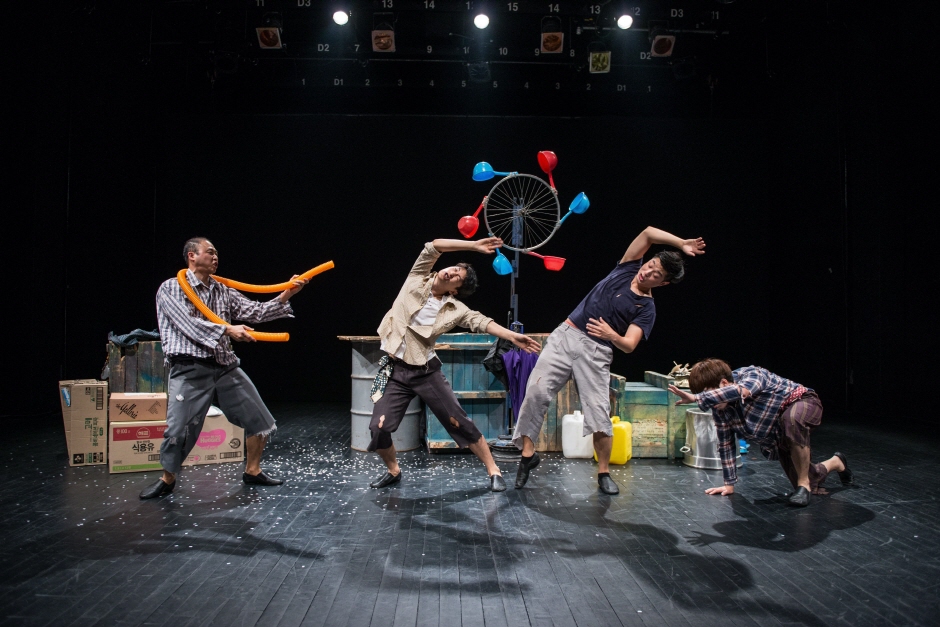
D. Festa: Daehakro Street Performance Festival (대학로 거리공연축제)
15.7Km 2025-06-16
1, Daehak-ro 8-gil, Jongno-gu, Seoul
• 1330 Travel Hotline: +82-2-1330 (Korean, English, Japanese, Chinese) • For more info: +82-2-741-4188
Started in 2015, Daehakro Street Performance Festival provides various performances including plays, dances, mimes and more. The festival aims to provide hope and changes in daily life through diverse performances.
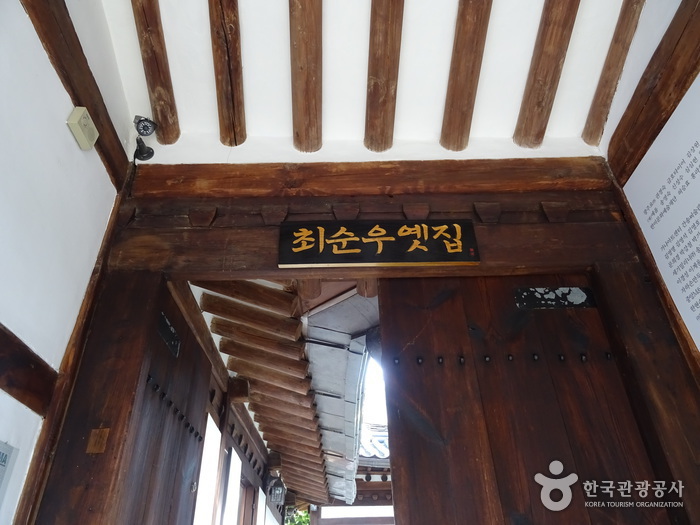
Choi Sunu House (최순우 옛집)
15.7Km 2021-12-21
9, Seongbuk-ro 15-gil, Seongbuk-gu, Seoul
+82-2-3675-3401
The Choi Sunu House is the old residence of Hyegok Choi Sunu (1916-1984), who lived in this house from 1976 until the day he passed away. The house is designated as Korea’s Registered Cultural Property. Choi Sunu was a leading art historian who served as the director of the National Museum of Korea. He devoted his life to rediscovering the beauty of Korean art and made many academic accomplishments in the areas of Korean ceramics, traditional woodcraft, and the history of painting.
The house has been open to the public as the Hyegok Choi Sunu Memorial Hall since 2004. The memorial hall displays Choi Sunu’s relics as a permanent exhibition and holds special exhibitions in the fall as well as cultural programs every spring and fall.
SJ. Kunsthalle (SJ쿤스트할레)
15.7Km 2021-02-09
5 Eonju-ro 148-gil, Gangnam-gu, Seoul
+82-10-2014-9722
SJ. Kunsthalle is an iconic place where culture and art figures meet to discuss the hosting of cultural events from trendy sub-culture to classic fine art. It has provided a wide variety of cultural platforms for exhibitions, performances, parties, fashion shows and workshops.
Constructed out of 28 recycled shipping containers, it has become a special place that offers a unique variety of sub-cultures that a conventional white cube gallery cannot not deliver. The minimalistic interior and open-space design were employed to foster the inclusion of a wide variety of art and culture into one large space. Now it is becoming an epicenter of cultural and artistic innovation, drawing the passionate attention of trend setters from around Korea, and even internationally.
![FootJoy - Dosan Branch [Tax Refund Shop] (풋조이 도산점)](http://tong.visitkorea.or.kr/cms/resource/85/2887785_image2_1.jpg)
FootJoy - Dosan Branch [Tax Refund Shop] (풋조이 도산점)
15.7Km 2024-04-16
1F, 2F (Sinsa-dong), 807, Eonju-ro, Gangnam-gu, Seoul
-
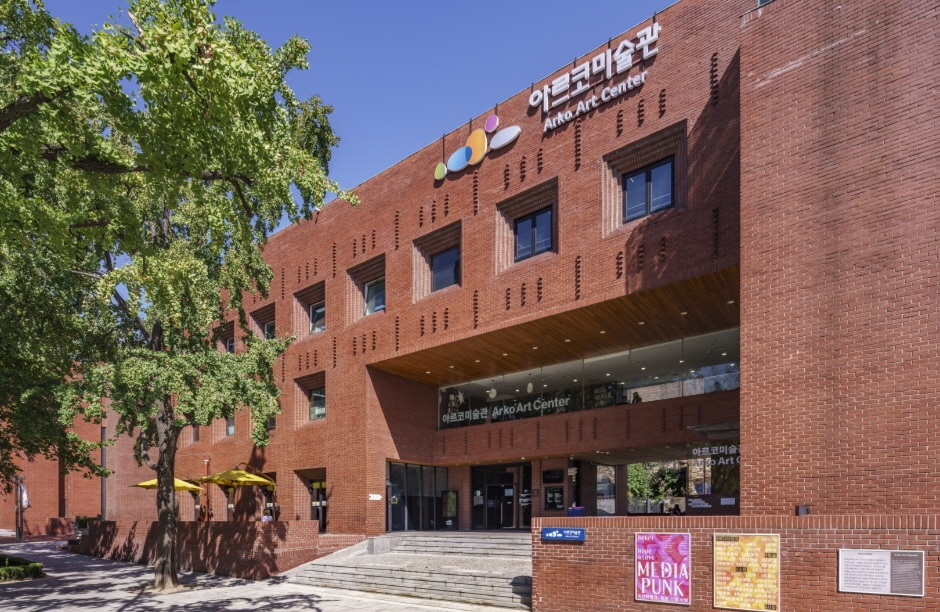
ARKO Art Center (아르코미술관)
15.7Km 2025-06-05
3, Dongsung-gil, Jongno-gu, Seoul
+82-2-760-4850
ARKO Art Center was founded in 1974 as Misulhoegwan in a building of former Deoksu Hospital in Gwanhun-dong, Jongno-gu to offer much-needed exhibition space for artists and arts groups. In 1979, Misulhoegwan moved to its present building, designed by preeminent Korean architect Kim Swoo-geun (1931-1986) and located in Marronnier Park, the former site of Seoul National University. The two neighboring brick buildings accommodating ARKO Art Center and ARKO Arts Theater are the major landmarks of the district of Daehakro.
As more public and private museums and commercial galleries came into the art scene in the 1990s, Misulhoegwan shifted to curating and presenting its own exhibitions. Renamed as Marronnier Art Center in 2002, ARKO Art Center assumed a full-fledged art museum system and played an increasingly prominent role as a public arts organization leading the contemporary art paradigm. When The Korea Culture and Arts Foundation was reborn as Arts Council Korea, Marronnier Art Center became ARKO Art Center named after the abbreviation for Arts Council Korea in 2005.
ARKO Art Center is committed to working as a platform where research, production, exhibitions and the exchange of creative activities grow and develop in connection with one another in addition to having a diversity of programs including thematic exhibitions addressing social agenda and public programs widely promoting various discourses in art.
 English
 한국어
한국어 日本語
日本語 中文(简体)
 Deutsch
 Français
 Español
 Русский


