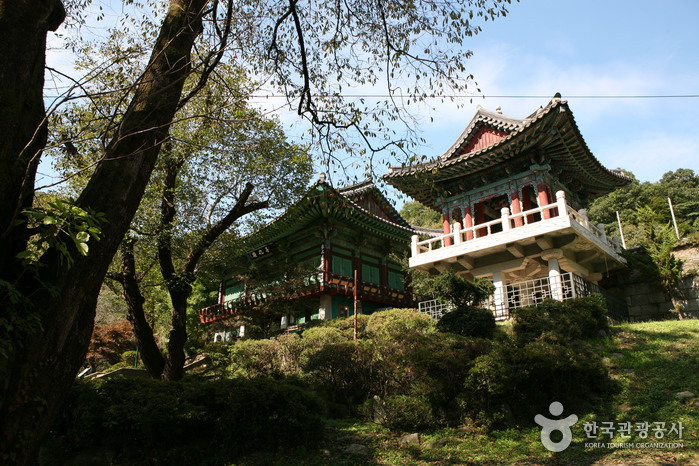
Cheonan Gwangdeoksa Temple (광덕사(천안))
18.8Km 2021-12-01
30, Gwangdeoksa-gil, Dongnam-gu, Cheonan-si, Chungcheongnam-do
Gwangdeoksa Temple is said to be established in 637 by Monk Jajang Yulsa during the Silla Kingdom and was refurbished during the reign of King Heungdeok (832). The temple sits in the southeast of Gwangdeoksan Mountain, which borders Asan-si and Cheonan-si, and the southwest of Taehwasan Mountain. It was the biggest temple within Chungcheong and Gyeonggi regions before the Japanese invasion. However, it was burnt down during the Japanese invasion and the main buildings such as Daeungjeon, Myeongbujeon and Cheonbuljeon Halls are relatively new compared to the other original facilities.
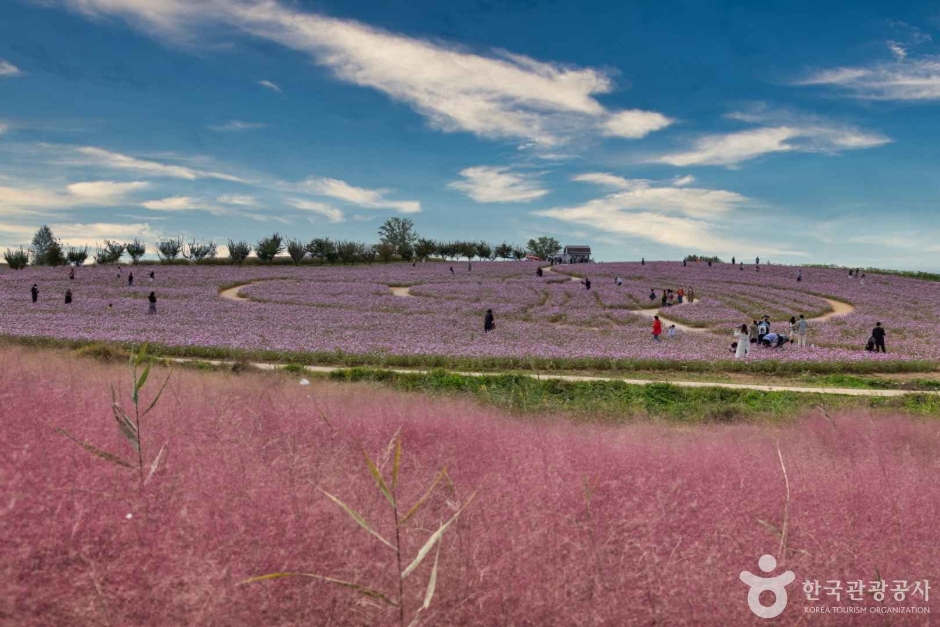
Anseong Farmland (안성팜랜드)
19.0Km 2025-10-23
28 Daesindu-gil, Anseong-si, Gyeonggi-do
Anseong Farmland is a learning center that spreads information about the importance of agriculture and livestock farming and a theme park where visitors can see and interact with animals. These characteristics make the attraction popular among family travelers with young children. At the experience ranch, visitors can see bulls, donkeys, sheep, geese, rabbits, and other animals and feed them. Diverse activities are also available such as horseback riding, racing karts, and bumper cars.
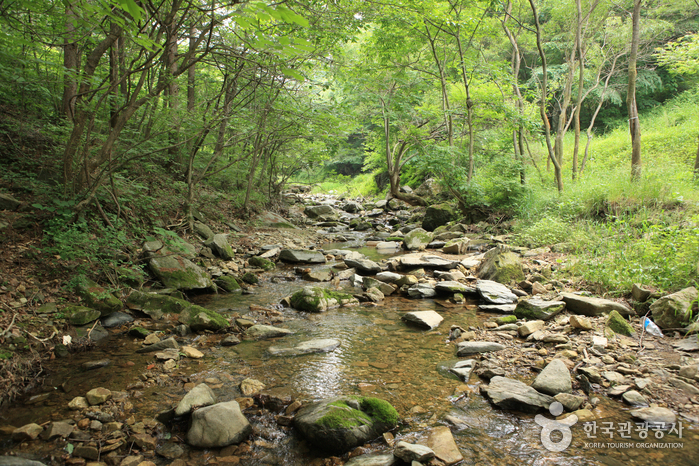
Yeongok Valley (연곡계곡)
19.3Km 2024-05-28
Sanggye-ri, Jincheon-eup, Jincheon-gun, Chungcheongbuk-do
Yeongok Valley, situated south of Malloesan Mountain in Jincheon, is adjacent to a picturesque lake formed by damming the Seongamcheon Stream. This verdant, forested valley, with its clear water sounds, birdsongs, and refreshing breeze, offers a serene escape, perfect for cooling both body and mind during the summer. Additionally, nearby shops and restaurants, pensions, and Malloesan Ecological Park provide further opportunities for exploration and enjoyment.
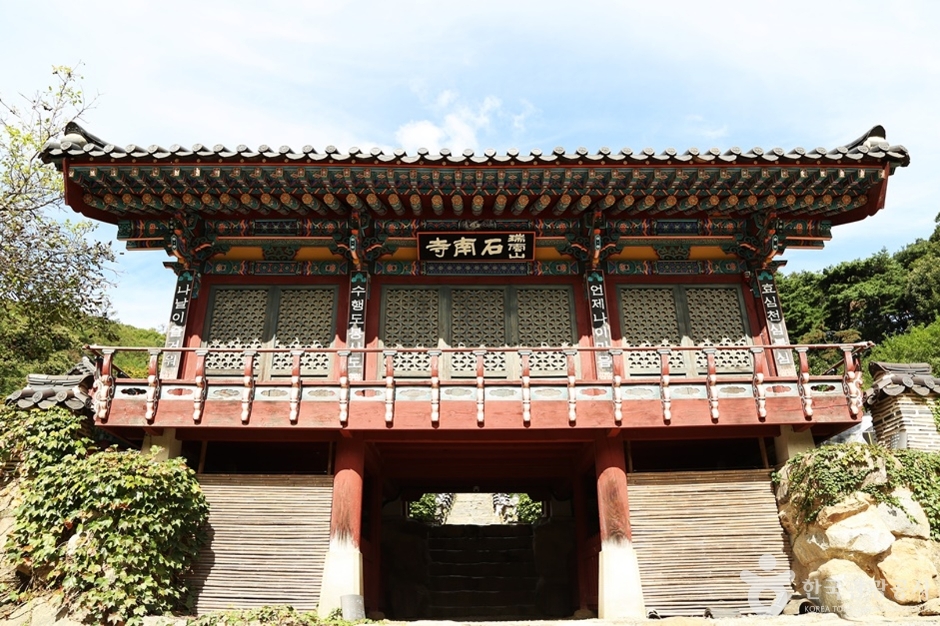
Anseong Seoknamsa Temple (석남사(안성))
19.4Km 2024-01-03
3-120 Sangchonsaemal-gil, Anseong-si, Gyeonggi-do
Seoknamsa Temple is located at the northeastern foot of Seounsan Mountain, 12 kilometers from Anseong. It’s a small temple but the view of stone steps leading up from the temple entrance to the Daeungjeon Hall is worth seeing. Seoknamsa Temple is known to have been presided by prominent monks such as Monk Hyegeo in the Goryeo dynasty. It is also where hundreds of monks in training stayed and practiced Buddhism at the time. The Daeungjeon Hall, which has three rooms on the front and three rooms on the sides, looks simple yet imposing with its gabled roof with double-layer eaves. The building with a hipped and gable roof resembling a crane flying right below the Daeungjeon Hall harmonizes with the Yeongsanjeon Hall. Seoknamsa Temple, which looms over the site, exudes a charm that immerses visitors with the energy of Seounsan Mountain. The Yeongsanjeon Hall also has a hipped and gable roof and three rooms in front and two rooms on the side. The sharp end of the roof is gently hidden in the forest, adding an elegant atmosphere. This building has great architectural significance because its bracket demonstrates the typical design of the early and middle Joseon dynasty. The temple also houses many cultural heritages such as the Yeongsanjeon Hall, where 16 Nahan are enshrined, the Daeungjeon Hall, and Rock-carved Stone Buddha, as well as local relics such as stone pagodas and stupas.
Hapjeong-dong Café Street (합정동 카페거리)
19.7Km 2024-03-19
415 Seogyo-dong, Mapo-gu, Seoul
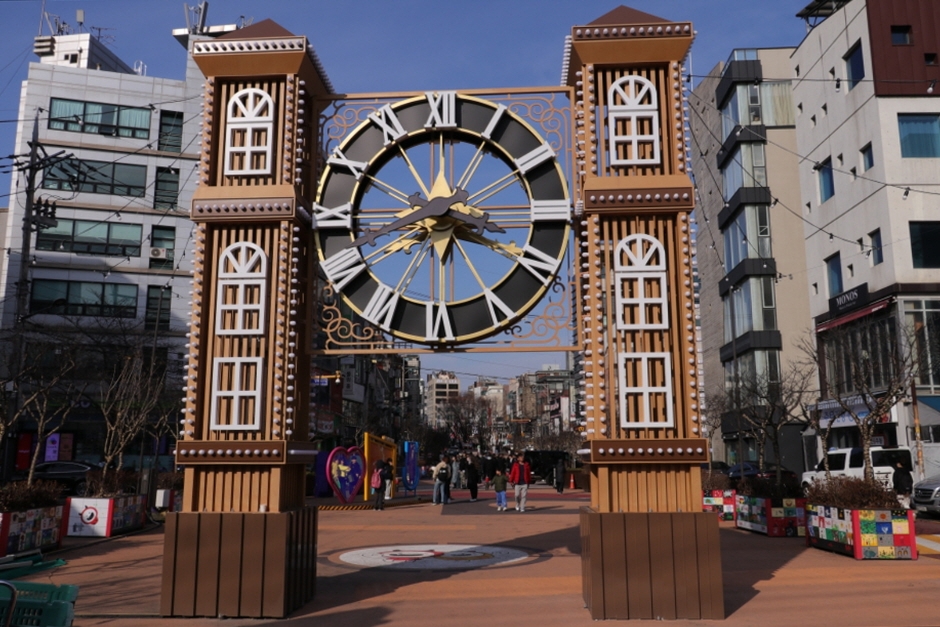
Hapjeong-dong Café Street is a charming street near Hongik University Station lined with lovely cafés and restaurants offering cuisine from various countries. You'll find an abundance of unique cafés, including dessert cafés, bakeries, and nostalgic toy block cafés that evoke a sense of nostalgia. Some eateries specialize in single dish, while others offer exotic flavors from places like Hawaii and Africa, adding to the excitement of choice. During spring, you can enjoy a leisurely stroll along the cherry blossom-lined streets, creating a picturesque walking experience.
Sejong Traditional Paste Museum (세종전통장류박물관)
19.8Km 2025-05-20
90-43 Baeil-gil, Jeondong-myeon, Sejong-si
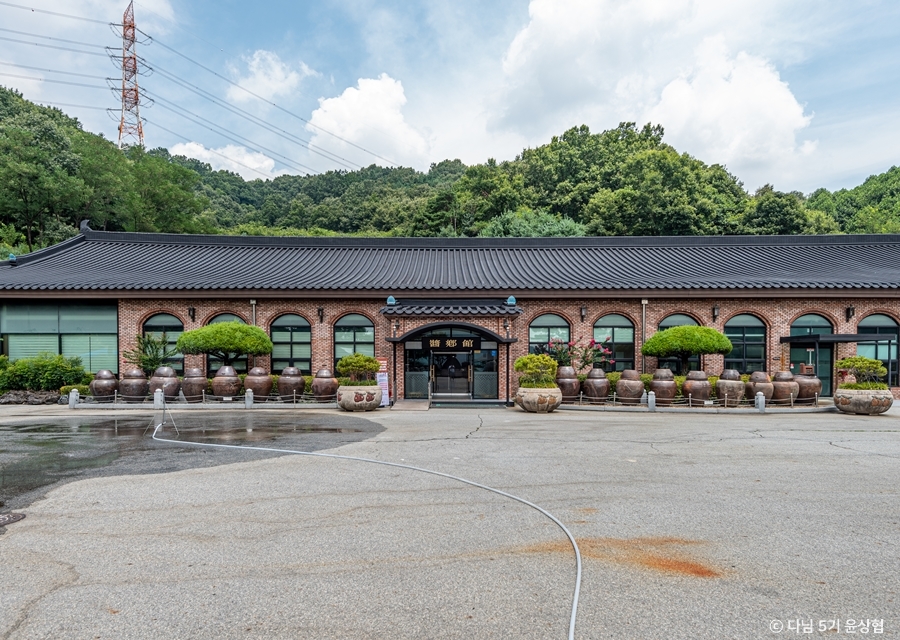
The Sejong Traditional Paste Museum highlights Korea’s traditional sauce culture, featuring staples like soybean paste, red chili paste, and soy sauce. Its garden, with over 1,000 pots, is a standout attraction. The museum includes indoor exhibition halls, an outdoor exhibit area, a fermentation experience center, a Korean restaurant specializing in fermented sauces, and a paste shop. Visitors can participate in activities such as making grain soap shaped like meju (fermented soybean blocks) or creating their own fermented pastes. In November, visitors can also observe the process of making soybean paste and red chili paste.
 English
 한국어
한국어 日本語
日本語 中文(简体)
 Deutsch
 Français
 Español
 Русский


