
Gyeonghuigung Palace (경희궁)
15.9Km 2024-07-09
45 Saemunan-ro, Jongno-gu, Seoul
+82-2-724-0274
Gyeonghuigung Palace, a designated Historic Site, was originally called the large palace by Saemun Gate, or the Western Palace, for its location within the city. It was not until the eighth year of Gwanghaegun (1616) that the palace was used as a royal residence for the king, changing the name to Gyeongdeokgung Palace. The name later changed again to the current Gyeonghuigung Palace in 1760. The palace grounds included many halls but they were mostly all burned down in a fire in 1829. After the Japanese occupation began, all remaining buildings on the site were torn down and the palace grounds were turned into Gyeongseong Middle School (now Seoul High School). The school moved to Gangnam area in 1987, afterwhich the previous location was turned into a park. The palace grounds currently hold Seoul Museum of Art and walking paths, as well as a restoration of Heunghwamun Gate, the main gate of the palace, and Sungjeongjeon Hall, the main hall, completed in November 1994.
Golden Tour Korea DMC (골든투어코리아 디엠씨)
15.9Km 2025-10-23
(#1227), 173 Mapo-daero, Mapo-gu, Seoul
Since its establishment in 2013, Golden Tour Korea DMC has been offering high-quality, customized travel services worldwide, focusing on premium travel experiences and diverse Korean tour products. In addition, the company actively organizes incentive tours, corporate meetings, government forums, business trips, family vacations, educational programs, and foreign patient attraction activities in Europe. Golden Tour Korea DMC designs tour products tailored to meet customers’ needs, with expert tour operators providing consulting to enhance customer satisfaction. The company maintains strong collaborations with numerous international partners. With extensive experience and expertise in the travel industry, Golden Tour Korea DMC will do its best to create beautiful memories and make the next chapter of your life unforgettable.
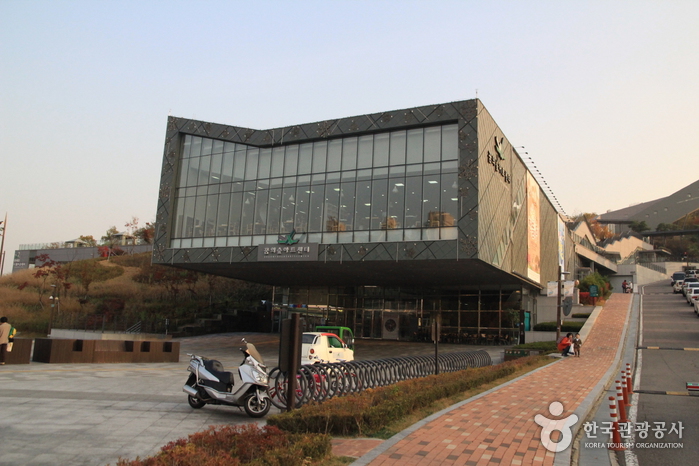
Dream Forest Art Center (꿈의숲 아트센터)
15.9Km 2025-01-15
173, Wolgye-ro, Gangbuk-gu, Seoul
Dream
Forest Art Center, located in Gangbuk, Seoul, is operated by the Sejong Center
for the Performing Arts. Composed of two performance venues (Performance
Hall and Concert Hall), alongside with Sang Sang Tok Tok Art Gallery and Dream
Gallery, there are also a Chinese restaurant, cafe and an observatory deck available
for all visitors to enjoy.
Bukjeong Village (북정마을)
15.9Km 2024-02-15
132-3 Seongbuk-ro 23-gil, Seongbuk-gu, Seoul
Bukjeong Village, situated along the slopes of Seongbuk-dong, offers a glimpse into Korea's old alleyways. The village expanded as refugees from the Korean War (1950–1953) and people from various regions settled, building houses under the collapsed walls of Hanyang doseong (Seoul City Wall). Presently, the village is home to young artists, and the broad street in front of the village bus stop hosts various community events.
![Taereung and Gangneung Royal Tombs [UNESCO World Heritage] (서울 태릉과 강릉 [유네스코 세계문화유산])](http://tong.visitkorea.or.kr/cms/resource/16/2658216_image2_1.jpg)
Taereung and Gangneung Royal Tombs [UNESCO World Heritage] (서울 태릉과 강릉 [유네스코 세계문화유산])
15.9Km 2022-09-19
681, Hwarang-ro, Nowon-gu, Seoul
+82-2-972-0370
Designated as a Historic Site, Taereung & Gangneung Royal Tombs is comprised of two tombs. Taereung Royal Tomb houses the burial mound of Queen Munjeong who was the second queen of King Jungjong, the 11th King of the Joseon dynasty, and Gangneung Royal Tomb houses the burial mounds of King Myeongjong, the 13th King of Joseon dynasty, and Queen Insun. King Myeongjong ascended the throne after his elder brother, King Injong, when he was twelve years old at Geunjeongjeon Hall in Gyeongbokgung Palace in 1545. The king’s mother, Queen Munjeong ruled behind the scenes, acting as guardian for eight years.
Samcheong-dong Street (삼청동길)
15.9Km 2025-01-22
107 Samcheong-ro, Jongno-gu, Seoul
It is said that Samcheong-dong was named from the story about the three "cheong" (Chinese character meaning clean) of the area, namely the mountain, water, and people. Another theory is that the origin of the region's name came from Samcheongjeon Hall where three tablets called "Taecheong," "Sangcheong," and "Okcheong," were set up based on Taoism. Samcheong-dong Street features a mixture of old scenes of hanok buildings with traditional beauty and modern scenes of galleries and cafés, creating a unique atmosphere. Visitors can feel the abundant cultural mood at every corner of the street through the art galleries, museums, antique shops, and quiet pathways.
Baegunhosu Lake (백운호수)
15.9Km 2023-09-05
526 , Baegun-ro, Uiwang-si, Gyeonggi-do
+82-31-240-4810
Baegunhosu Lake is an artificial lake that was completed in 1953. The lake is surrounded by mountains made up of Cheonggyesan Mountain in the northeast, Baegunsan Mountain in the southeast, and Moraksan Mountain in the west. The lake encompasses an area of 363,638 m². This lake was originally built to provide irrigation for nearby farmlands but it became a public recreational space due to its scenic landscape, fresh air, and spacious lot perfect for parking. Visitors to Beagunhosu Lake can enjoy music at a live cafe or water activities such as motor boating, as well as delicious foods from nearby restaurants.
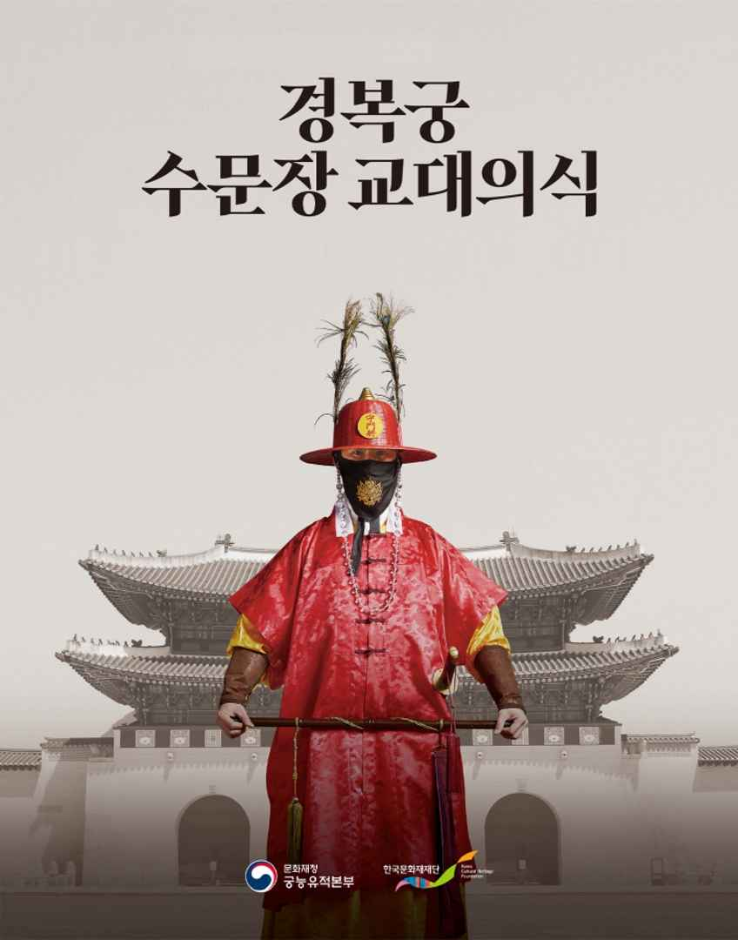
Palace Royal Guard Changing Ceremony (수문장 교대의식)
15.9Km 2025-07-11
161 Sajik-ro, Jongno-gu, Seoul
+82-2-3210-1645
In the Joseon dynasty, the royal guards of the palace were gatekeepers who were responsible for guarding the the main gates of Gyeongbokgung Palace as well as the main gates of the city such as Heunginjimun Gate and Sungnyemun Gate. The royal guards worked in shift duties and were in charge of opening and closing Gwanghwamun Gate. Before the royal guard system was enforced in 1469, the palace gates were protected by soldiers of the central army. The Palace Royal Guard Changing Ceremony held at Gyeongbokgung Palace and the Gwanghwamun area reenacts the guard-changing procedure that took place during the Joseon dynasty, along with the reproduction of costumes and weapons, based on historical records.
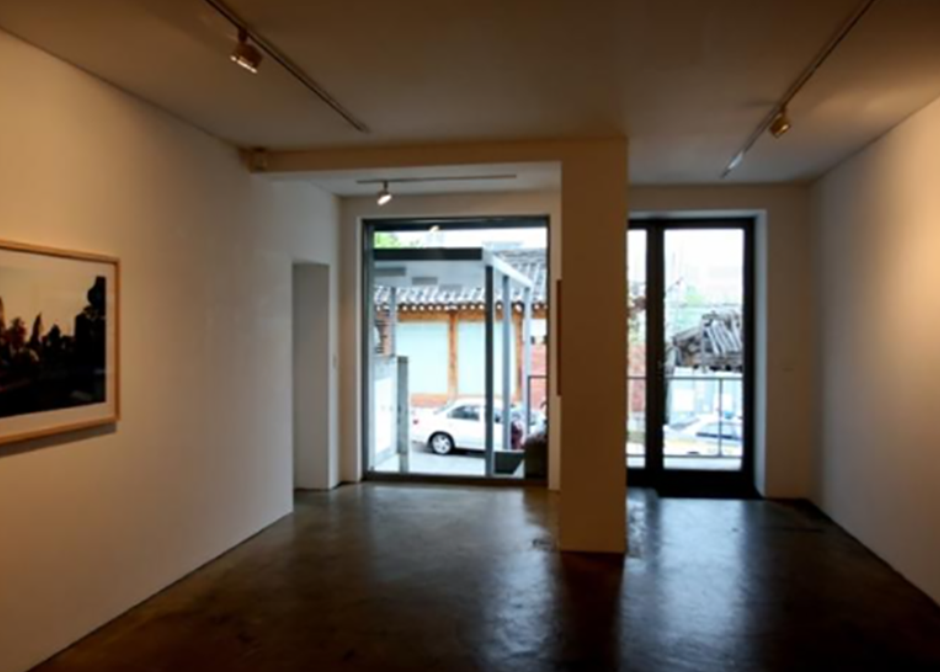
PKM Gallery (PKM갤러리)
16.0Km 2024-03-18
40 Samcheong-ro 7-gil, Jongno-gu, Seoul
PKM Gallery, now providing 397 square meters of exhibition space, includes a main building with a maximum x_height of 5.5 meters comprising two upper stories and a two-story basement. PKM+, an annex built in 2018, has one upper story and a basement floor and is equipped with a boutique-like gallery space.
The gallery not only exhibits the works of leading figures in Korean contemporary art, but has also succeeded in introducing renowned international artists to the Korean audience. As an incubator for emerging young artists, PKM Gallery has been organizing exhibitions to encourage their growth as leading artists of the next generation. PKM gallery, the first among the Korean galleries invited to participate in the Frieze Art Fair in 2004, played a major role in advancing Korean contemporary art to the global art market.
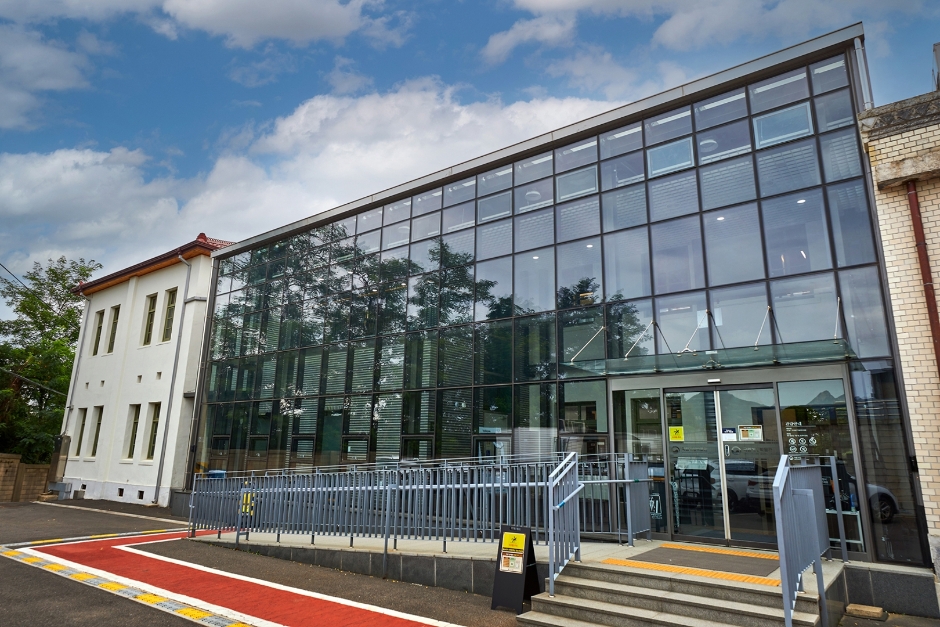
National Meteorological Museum of Korea (국립기상박물관)
16.0Km 2024-03-26
52 Songwol-gil, Jongno-gu, Seoul
A museum where one can look at Korea's meteorological observation history and technological development through exhibitions. The museum has the world's first rain gauge, invented in 1441, in the early Joseon dynasty. The museum operates approximately 350 meteorological observatories across Korea and focuses on promoting the uniqueness and excellence of Korea's meteorological science. There are permanent collections and special exhibitions. The permanent collections focus on the history of meteorological science in Korea. At the same time, the special exhibitions take a closer look at the history and information about meteorological science and natural disasters (e.g., earthquakes) that occurred in various regions of Korea. There are experience programs related to meteorological science, such as making a rain gauge or learning about rain gauges.
 English
 한국어
한국어 日本語
日本語 中文(简体)
 Deutsch
 Français
 Español
 Русский


