
Amsa-dong Prehistoric Site Museum (암사동선사유적박물관)
10.6Km 2023-12-22
875 Olympic-ro, Gangdong-gu, Seoul
The archaeological sites in Amsa-dong, Seoul, were a collective settlement where people lived during the Neolithic Age about 6,000 years ago and became known to the world after the sand dunes along the Hangang River caved in during the great flood of 1925, exposing numerous pieces of comb-patterned pottery. The area designated as a historic site in 1979, and excavation of the site took place from 1981 to 1988. The cultural heritage protection area was expanded to a total area of 78,133㎡. Currently, nine Neolithic dugout huts and one experiential dugout hut have been restored. The exhibitions currently open to the public are Exhibition Hall 1, which displays a restoration of a Neolithic Age dugout, and Exhibition Hall 2, which displays various panels and models to help understand the prehistoric era as a whole.
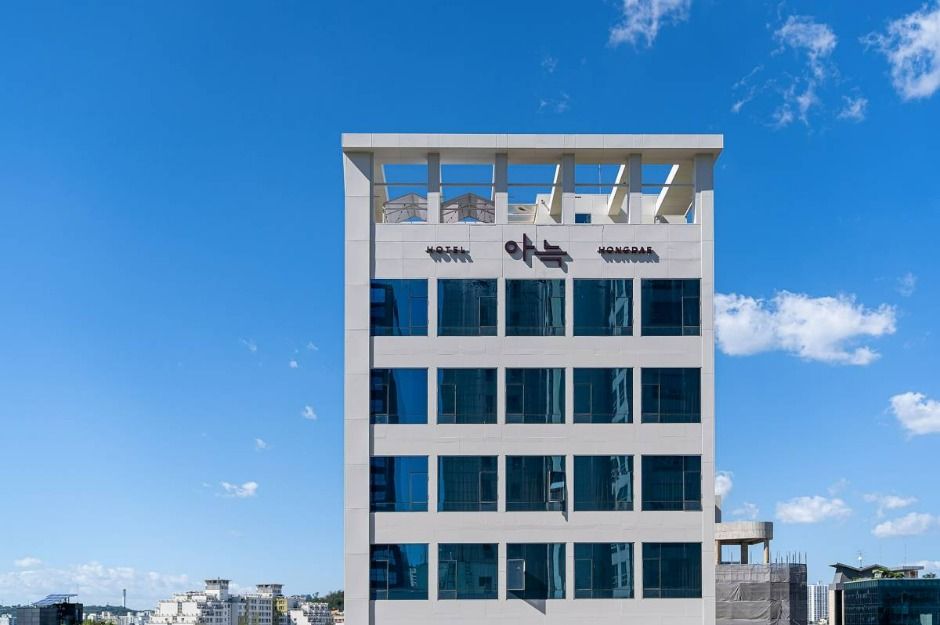
The Hyooshik Aank Hotel Hongdae (더휴식 아늑호텔 홍대점)
10.6Km 2025-04-18
162-7 Donggyo-ro, Mapo-gu, Seoul
The hotel offers rooms equipped with various entertainment options, catering to the diverse preferences of its guests. From a private movie room to a meditation room, guests can choose the type of stay they want, whether it is a fun movie time or a relaxing retreat to unwind. The business room provides the amenities needed for a workation, while the gaming room allows guests to relieve stress by gaming.
Archaeological Site in Amsa-dong, Seoul (서울 암사동 유적)
10.6Km 2021-07-27
875, Olympic-ro, Gangdong-gu, Seoul
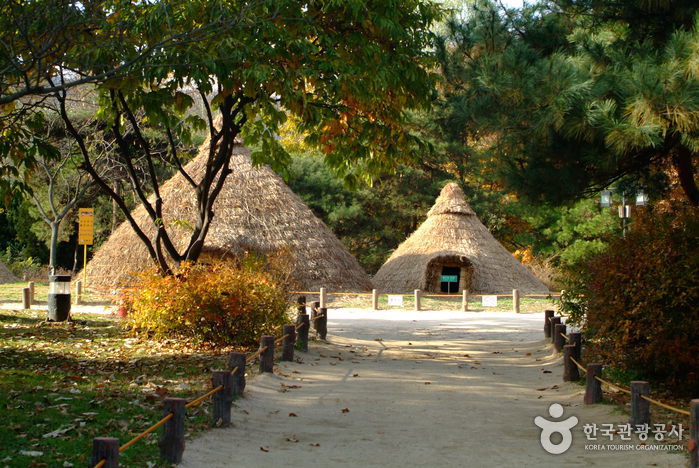
The Archaeological Site in Amsa-dong reproduces the lifestyle of the Neolithic Era. Even the entrance gate is shaped like a huge dolmen and the trash cans are ancient diagonal-line patterned earthenware. Archaeological Site in Amsa-dong was excavated in 1925 when a flood washed away the soil on the banks of the Hangang River and exposed a large number of diagonal-line patterned earthenware. After several excavations, the Archaeological Site in Amsa-dong was established.
The site was a location for a massive colony, thus many ancient buildings, stone axes and stone arrows have been uncovered as well as countless diagonal-line patterned earthenware. The housing site is round with a spot in the center for fire. The site is colossal and possesses nine mud huts, two exhibition halls displaying ancient artifacts and an open mud hut where visitors can experience life in the Neolithic Era. The site offers many attractions such as mud huts and promenades. Archaeological Site in Amsa-dong is also very educational for children and families who want to learn and experience the Neolithic Age.
![Volvik [Tax Refund Shop] (볼빅)](http://tong.visitkorea.or.kr/cms/resource/57/3314557_image2_1.jpg)
Seodaemun Museum of Natural History (서대문자연사박물관)
10.7Km 2021-07-02
51, Yeonhui-ro 32-gil, Seodaemun-gu, Seoul
Nestled at the foothills of Ansan Mountain, a natural resting area in the city, Seodaemun Museum of Natural History is the first natural history museum in the nation to be established by a government agency. Opened on July 10, 2003, the museum offers various opportunities to experience and learn about the environment. It also provides the chance to interact with animals and plants, teaching the value of life.
Samseongsan Holy Ground (삼성산성지)
10.7Km 2021-08-17
454-16, Hoam-ro, Gwanak-gu, Seoul
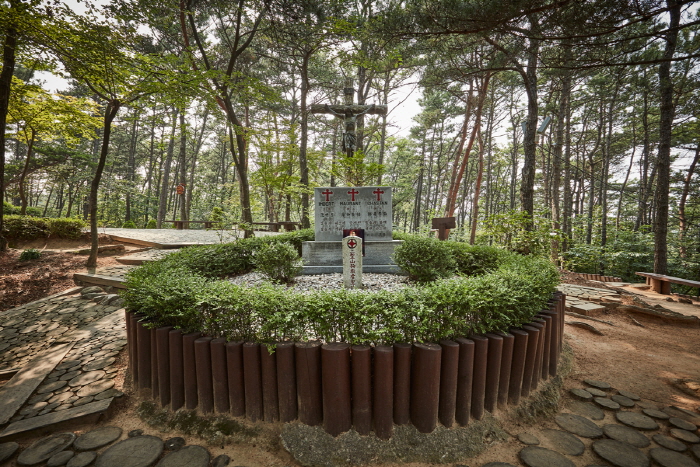
During the Gihae Persecution of 1839, three French Catholic priests were sentenced to death for spreading Catholicism in Korea. Saint Laurent Joseph Marius Imbert (Bishop), Saint Pierre Philibert Maubant (Priest), and Saint Jacques Honore Chastan (Priest) were beheaded on September 21, 1839 at Saenamteo, currently known as the Saenamteo Catholic Holy Place of the Martyrs, and their bodies were buried at Samseongsan Mountain and later transferred to the grotto of Myeondong Cathedral.
Yeonnam-dong (연남동)
10.7Km 2024-03-19
Yeonnam-dong, Mapo-gu, Seoul
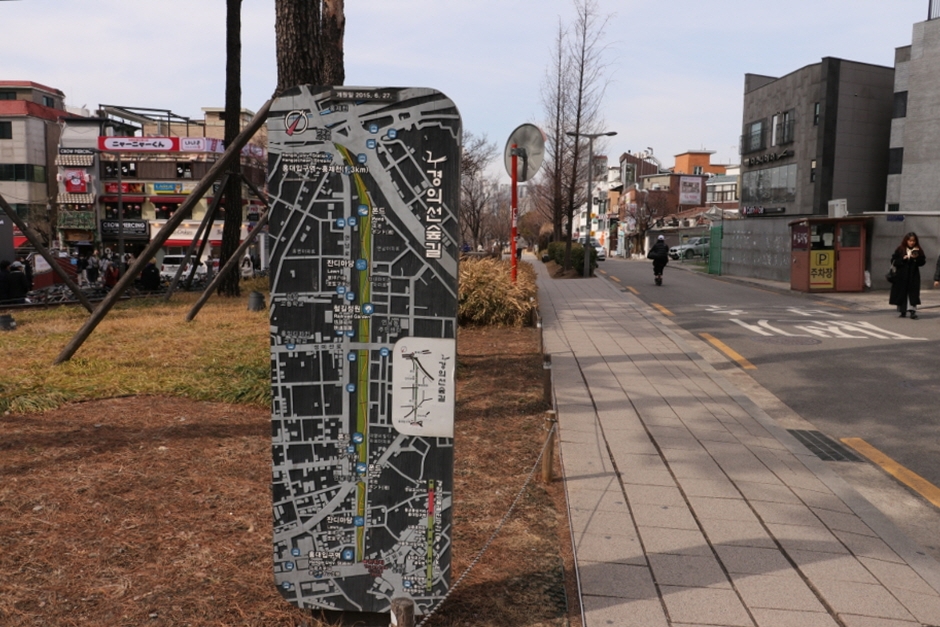
Yeonnam-dong, located near Hongik University Station, has become a hot spot in Seoul as young artists and hipsters gather. It is densely packed with art spaces, and every alley is filled with unique concept cafés and many restaurants. There are also many guesthouses, editorial shops, and fashion stores, along with Yeontral Park, which was transformed from the old Gyeongui Line railroad into a park.
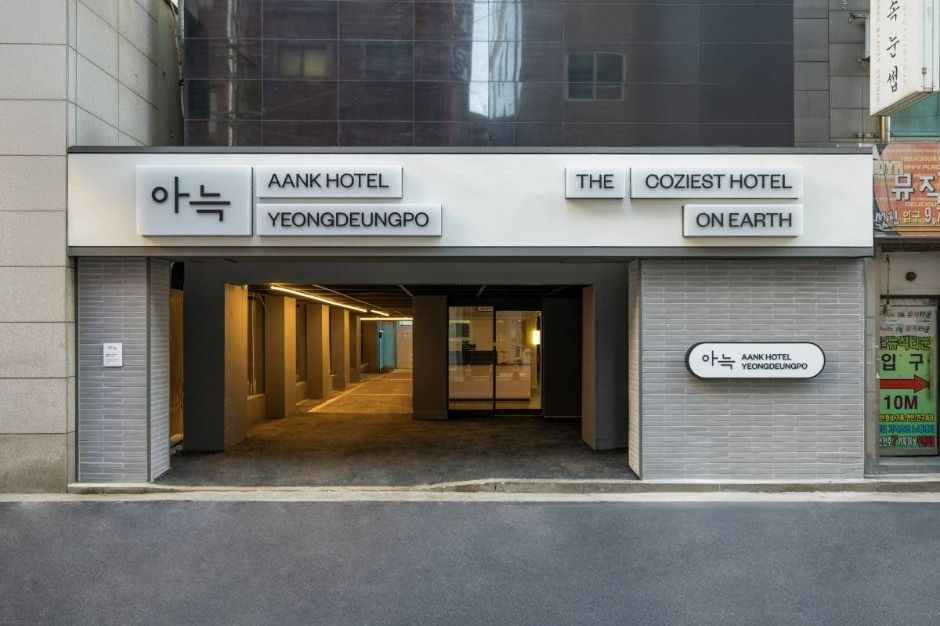
Aank Hotel Yeongdeungpo (아늑호텔 영등포점)
10.8Km 2025-04-24
10 Yeongjung-ro 10-gil, Yeongdeungpo-gu, Seoul
Located within 5 minute's walking distance from Yeongdeungpo Station, Aank Hotel Yeongdeungpo has major attractions like Times Square and Yeongdeungpo Market in the vicnity. The hotel lobby has a coffee machine, ice dispenser, and water dispenser for guests' convenience. Equipped with a variety of room types, guests can enjoy both comfort and entertainment at Aank Hotel Yeongdeungpo.
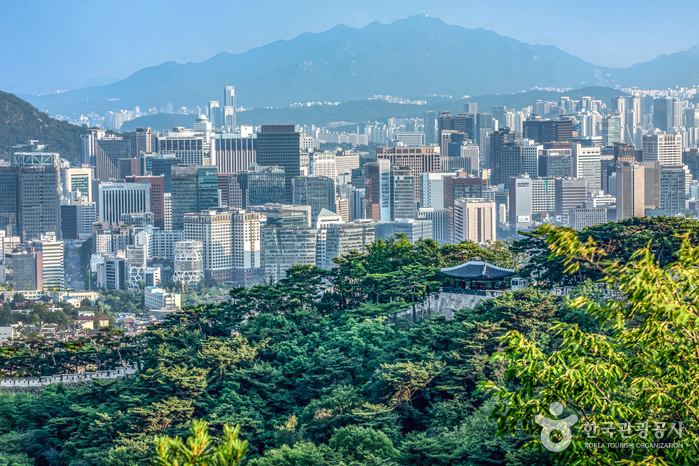
Bugak Skyway Palgakjeong Pavilion (북악스카이 팔각정)
10.8Km 2024-12-31
267 Bugaksan-ro, Jongno-gu, Seoul
Bugak Skyway Palgakjeong Pavilion exudes a tranquil, serene beauty regardless of the season. The pavilion, which sits on Bugaksan's 1,652,900 square meter summit at an altitude of 345 meters, was built in a traditional Korean-style and became a popular attraction within the city. There are also spaces for visitors to enjoy food and drinks.
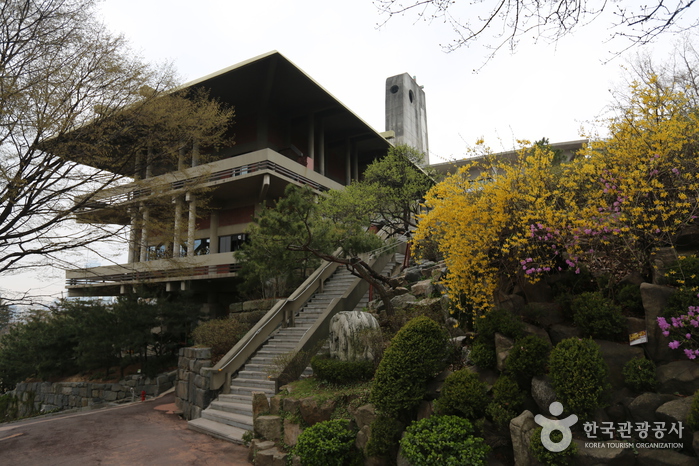
Korean Martyrs' Museum (한국천주교순교자박물관)
10.8Km 2023-01-03
6, Tojeong-ro, Mapo-gu, Seoul
Korean Martyrs’ Museum was opened in October of 1967 as Jeoldusan Martyrs' Shrine, in memory of the Catholic martyrs who lost their lives during the Byeongin Persecution of 1866. The name of the museum changed to the current Korean Martyrs' Museum in August 2008. The museum displays artifacts and materials in exhibitions related to the Catholic Bishops' Conference of Korea.
 English
 한국어
한국어 日本語
日本語 中文(简体)
 Deutsch
 Français
 Español
 Русский


