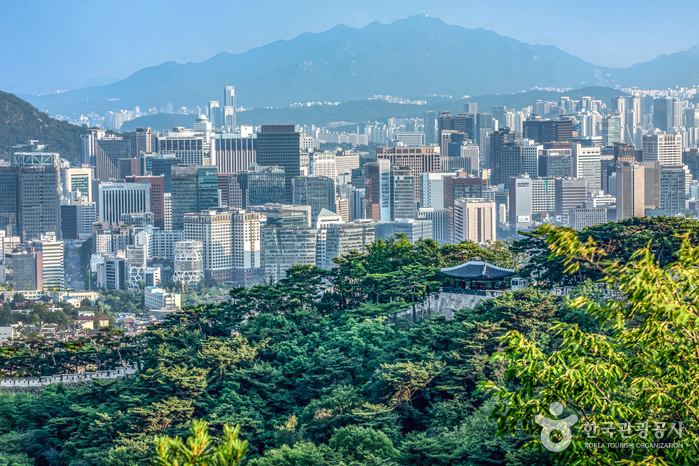
Bugak Skyway Palgakjeong Pavilion (북악스카이 팔각정)
3.0Km 2024-12-31
267 Bugaksan-ro, Jongno-gu, Seoul
Bugak Skyway Palgakjeong Pavilion exudes a tranquil, serene beauty regardless of the season. The pavilion, which sits on Bugaksan's 1,652,900 square meter summit at an altitude of 345 meters, was built in a traditional Korean-style and became a popular attraction within the city. There are also spaces for visitors to enjoy food and drinks.
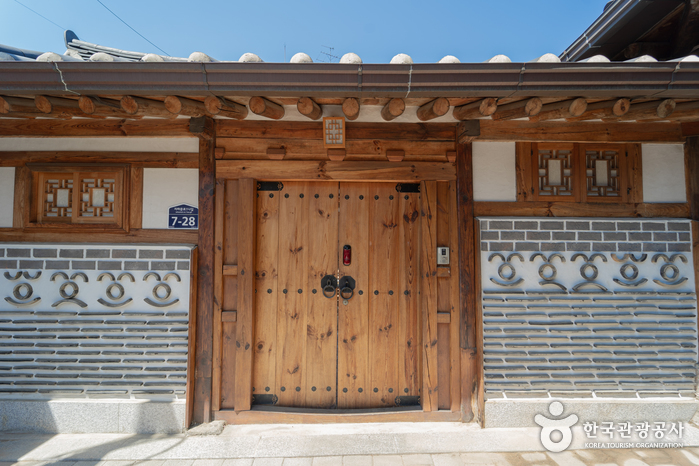
Seoul Hanok Stay (JNP Stay) (서울한옥스테이(jnpstay))
3.0Km 2024-10-30
7-28 , Jahamun-ro 1na-gil, Jongno-gu, Seoul
+82-10-5720-6800
Seoul Hanok Stay (JNP Stay) is a private hanok stay located 3 minutes' walking distance from Gyeongbokgung Station. You can play traditional Korean games such as jejichagi (hacky sack), yut nori (board game), and tuho (arrow-throwing) in the yard, and cooking barbecue adds to the charm of the hanok. From the yard, you can enjoy the sky view, feel the gentle breeze, and observe raindrops falling from the eaves.
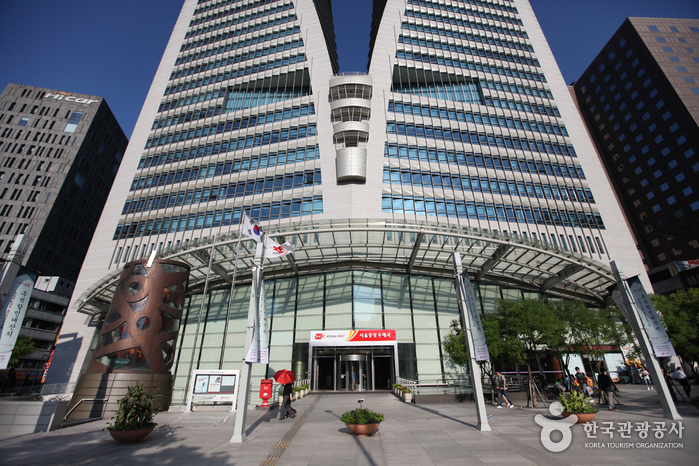
Korea Postage Stamp Museum (우표박물관(구.우표문화누리))
3.1Km 2024-03-06
B2, 70, Sogong-ro, Jung-gu, Seoul
+82-2-6450-5600
The Korea Postage Stamp Museum was established to promote stamp culture. Here, visitors can explore the history of stamps throughout the ages, with a wide variety of subjects and types. Its main facilities include Postal Service History, Hands-on Postage Stamp Experience, Informative Postage Stamps, and Philately Classroom. Reservations are required for weekend tours and can be made on the website.

Seoul Gyeongdong Market (서울 경동시장)
3.1Km 2024-12-03
3 Gosanja-ro 36-gil, Dongdaemun-gu, Seoul
As the nation began to recover from the aftermath of the Korean War, farmers from the northern Gyeonggi-do region and Ganwon-do gathered around the old Seongdong Station (renamed ‘Hansol Donguibogam’) to sell their produce and wares. The farmers’ impromptu gathering on the fallow farmland to make their transactions soon led to the birth of a new marketplace. With the recent remodeling of the market, including the long-neglected Gyeongdong Theater, the place feels totally renewed and full of energy. Thanks to the renovation and diverse food stalls, the place is always bustling and filled with people.
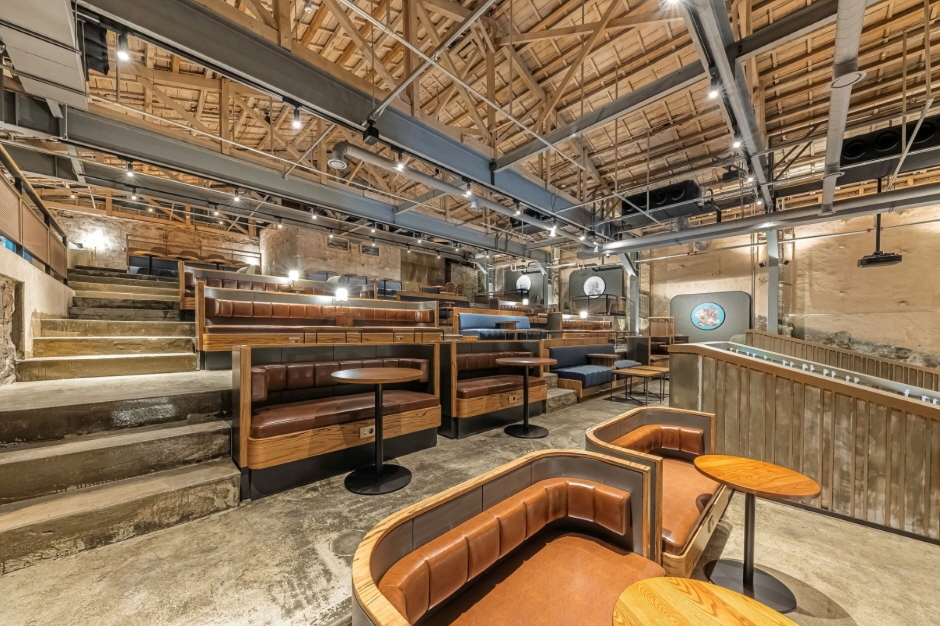
Starbucks Gyeongdong Market (스타벅스 경동1960)
3.1Km 2024-12-27
3 Gosanja-ro 36-gil, Dongdaemun-gu, Seoul
Restored Gyeongdong Market space and the 5th community store for a win-win relationship with local economy
This 5th Starbucks Community Store is housed in a restored theater in Gyeongdong Market. The store has a win-win agreement with local merchants. Starbucks created a multiple cultural space in collaboration with LG Electronics such as LG Gold Star Radio Refresh Center. Every week, local artists and college students present culture and art performances on the stage that recreated the theatre concept. To offer a special experience suitable to an old theater, Starbucks developed the Retro Theater-like CND. For differentiated customer experiences, the store sells store-baked crafted food and exclusive merchandise.
Hanok Guesthouse Dongchonchae (한옥 게스트하우스 동촌재)
3.1Km 2024-12-23
21-10 , Jahamun-ro 11-gil, Jongno-gu, Seoul
+82-10-8561-5227, +82-10-9127-5227
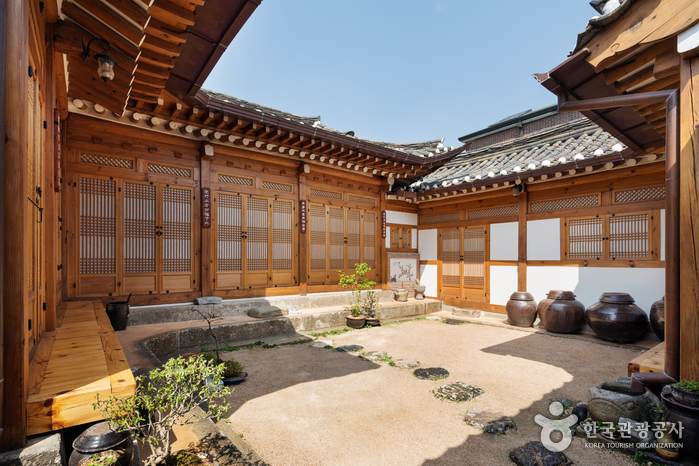
Dongchonjae is a hanok guesthouse in Seochon, Jongno, Seoul. The the Anchae(women's quarters) consists of four sleeping rooms and a cheongmaru lounge space, plus kitchen and toilet. (There are also shared toilets in the yard.) Cooking is not allowed, but guests are welcome to bring in prepared food. A free breakfast is provided. Guests can watch movies in the yard or main hall, and can use the refrigerator and washing machine. A guided night tour of Seoul City Wall is offered, as is a tea ceremony, and rice-cake making experience.
Sangchonjae House (상촌재)
3.1Km 2025-11-06
12-11 , Jahamun-ro 17-gil, Jongno-gu, Seoul
Sangchonjae House, run by the Jongno Cultural Foundation, is a traditional hanok cultural space located in Sejong Village, Ogin-dong, Jongno-gu, and operates various cultural Korean programs such as exhibitions, educational experiences, and events to fully experience Korea's four seasons. The name Sangchonjae was conceived from the old name of Sejong Village, the western part of Gyeongbokgung Palace and the birthplace of King Sejong. The house reflects the lifestyle of an ordinary peasant during the Joseon dynasty. It consists of three buildings: the main building, the guesthouse known as sarangchae, and the annex. There is an experience center indoors offering tea ceremonies and traditional game experiences.
Bank of Korea Money Museum (화폐박물관)
3.1Km 2024-03-18
39 Namdaemun-ro, Jung-gu, Seoul
This Renaissance-style three-story stone building is the museum of the Bank of Korea. The older Bank of Korea was established as the central bank of the Korean Empire in 1909 and has been designated as a National Historical Site. During the Japanese colonial period, the bank was renamed the Bank of Joseon, and the building was used as the main and head office of the Bank of Korea until 2001. The building has been used as the nation’s Money Museum since June 2001 in celebration of the 50th anniversary of the Bank of Korea. The museum has 13 exhibition rooms on two floors, with one basement floor and two above-ground floors. It holds special exhibitions of various currency and art collections to provide domestic and foreign visitors with the opportunity to enjoy the history and culture of currency. Visitors can learn about the Bank of Korea and the central banking system, as well as how to identify counterfeit notes and how money is produced and circulated. It is also a good place for children to learn about currencies from around the world. Advance reservations are required, and parking is not available. The museum can easily be reached via subway by getting off at Hoehyeon Station (Seoul Subway Line 4) and exiting through Exit 7.
Kumho Art Hall (금호아트홀)
3.1Km 2021-05-28
76, Saemunan-ro, Jongno-gu, Seoul
+82-2-6303-1977
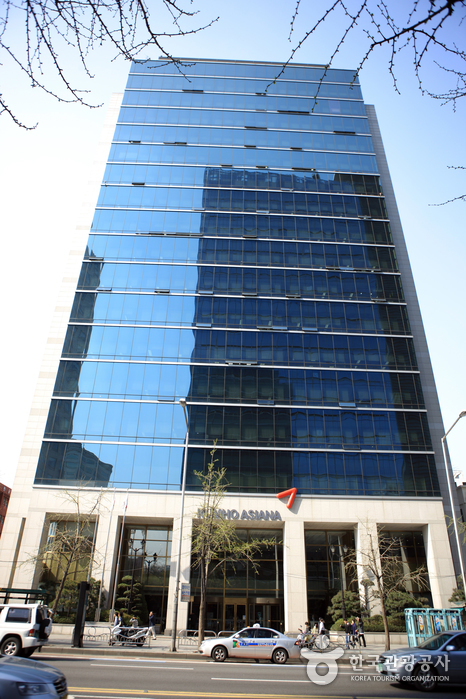
Kumho Art Hall was built in 2000 exclusively for classical music concerts, with 390 seats, the perfect structure for chamber concerts. All seats are recital hall chairs and the wide spacing between rows of chairs helps the audience to have a pleasant time. Upon entering the theater, all cell phones will turn off automatically. This helps all visitors to enjoy the concert without being interrupted by ringing cell phones. The interior is cozy and luxurious, and the stage is made of maple.
 English
 한국어
한국어 日本語
日本語 中文(简体)
 Deutsch
 Français
 Español
 Русский


