
COANMI PLASTIC SURGERY (코앤미성형외과의원)
5.4Km 2025-11-06
(10th Floor, Tongyeong Building), 405 Gangnam-daero, Seocho-gu, Seoul
At SeoulQueen Plastic Surgery, we pride ourselves on providing care with warmth and compassion, treating every patient like family. Our goal is to ensure that every person who visits us leaves with a smile, confident, and satisfied with their results.
In today’s world, patients often suffer from surgeries performed by unqualified individuals, leading to complications and, unfortunately, a lack of accountability. A superficial understanding of anatomy cannot ensure a successful outcome and may result in disappointing or even harmful results. Through our experience in correcting such procedures, we have witnessed firsthand the pain and distress caused by substandard surgeries.
At SeoulQueen Plastic Surgery, we are committed to prioritizing safety and achieving natural beauty. We promise to pursue excellence in every procedure, ensuring that our patients experience the best outcomes without unnecessary risks or complications.
Cheongdam Park (청담공원)
5.5Km 2021-07-30
26, Yeongdong-daero 131-gil, Gangnam-gu, Seoul
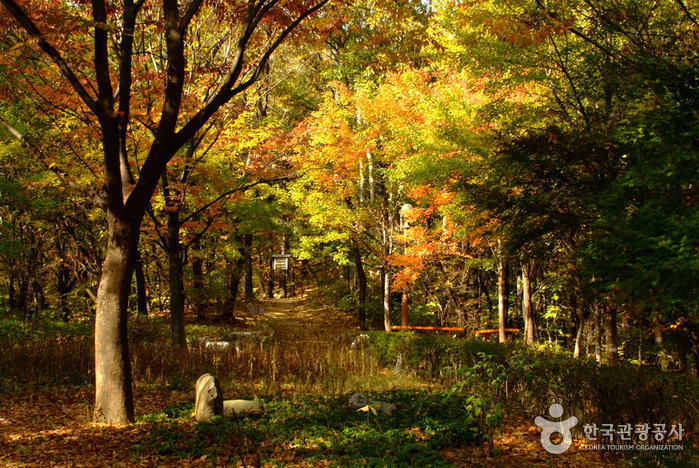
Up until the early 1960's, people would cross the Hangang River from Ttukseom Ferry Dock and arrive in Cheongdam-dong. Although highly developed, Cheongdam Park remains as a soothing natural oasis that is relatively untouched by city pollution. Following the trail, there is a small exercise area and playground. The park is quite crowded in the morning with people exercising. The tightly woven trees in the park offers a resting place to enjoy fresh air. The park size is 59,347 ㎡.
Exprive (주식회사 엑스프리베)
5.5Km 2025-10-23
#705, 38 Ttukseom-ro 13-gil (Seongsu-dong 2-ga, Sangsang Planet), Seongdong-gu, Seoul
Exprive Medical is a certified international patient attraction agency that safely connects overseas patients with Korea’s high-quality medical services. Our main services include discovering and consulting with international patients, coordinating customized hospital connections, and providing interpretation and convenience support. Through personalized services tailored to each patient, we contribute to enhancing the value of Korea’s medical tourism.
ATOP Plastic Surgery (에이탑 성형외과)
5.5Km 2025-10-23
4F-5F, 10 Gangnam-daero 94-gil, Gangnam-gu, Seoul
ATOP Plastic Surgery provides various beauty solutions, including fillers, Botox, lifting, laser treatments, skin care, and body contouring, all tailored to each individual’s needs. The clinic focuses on providing truly customized treatments for each patient, rather than one-size-fits-all procedures, to reveal and harmonize the patient's unique beauty and personality. Discover your true beauty and uniqueness through procedures customized for your face, just like finding the perfect outfit for your body.
Since its establishment, ATOP Plastic Surgery has performed approximately 50,000 procedures, with an average of 1,300 procedures per month. Based on this expertise, the clinic provides personalized procedures (e.g., fillers, Botox, lasers, etc.) for each customer. Every day, over 100 patients from around the world visit the clinic to enhance their beauty.
ATOP Plastic Surgery is committed to high-quality treatments, continuous research, and engaging in academic activities and social contributions.
Spa In New York (스파인뉴욕 (SPA IN NEWYORK))
5.5Km 2025-01-10
406, Gangnam-daero, Gangnam-gu, Seoul
Located in Seocho-dong, Seocho-gu, SPA IN NEW YORK is a spa and aesthetic center providing beauty know-how and relaxing spa treatments. The interior of the center, a combination of natural wood and stones, is designed to provide utmost comfort and pleasure to its visitors. The center’s representative spa treatment program, Marine Aqua Aroma Therapy, restores energy and balance to the exhausted body and mind using fresh marine therapy materials. Other popular programs include Power Detox Alga, which helps excrete toxins from the body, and Healing Back Stone Therapy, which is effective for relieving stress and pain as heat-absorbing basalt stones are used to relax stiff muscles. Advance reservations are required for all programs at SPA IN NEW YORK. The spa is open from 10am to 10pm.
B&VIIT Eye Center (비앤빛안과의원)
5.5Km 2025-11-21
B2 Floor, GT Tower, 411 Seocho-daero, Seocho-gu, Seoul
B&VIIT Eye Center is a leading premium eye clinic with over 30 years of expertise in vision correction. Combining advanced technology and extensive clinical experience, our specialists provide personalized treatments, including SMILE Pro, SMILE, LASIK, LASEK, PIOL, and refractive cataract surgery. With a strong focus on safety and precision, B&VIIT is trusted by patients from around the world as a global leader in eye care.
Roen OB&GYN Clinic (로앤산부인과의원)
5.5Km 2025-10-23
6F, 403 Gangnam-daero, Seocho-gu, Seoul
Roen OB&GYN Clinic, a representative obstetrics and gynecology clinic in Korea, is located in Gangnam-gu, Seoul. It operates a total of 16 branches, 7 located in major areas in Seoul (e.g., Seolleung and Jongno) and the other 9 branches in other large cities, including Ansan, Suwon, Incheon, Busan, and Daegu.
With 35 female obstetricians and gynecologists at each branch, Roen OB&GYN Clinic provides treatments to female patients in a comfortable environment.
Additionally, the clinic provides international patients with airport drop-off services and interpretation in various languages (i.e., English, Chinese, Russian, Mongolian, and Vietnamese).
Lienjang Clinic (리엔장성형외과의원)
5.5Km 2025-12-03
14F-18F, 403 Gangnam-daero, Seocho-gu, Seoul
Lienjang Clinic pursues safe beauty through honesty. Consisting of specialists in plastic surgery, dermatology, and anesthesiology & pain medicine, Lienjang Clinic places the highest priority on patient safety, offering the best results by leveraging its abundant procedural experience.
The clinic offers top medical services with its specialists and top-quality facilities, creating a special experience for patients. The clinic presents a new standard in Korea's cosmetic medical services.
[Special and Differentiated Features of Lienjang Clinic]
- Advanced medical facilities for safety
- Regular specialized training for medical staff, including doctors
- A monitoring system for safe surgeries and procedures
- Specialized medical treatment by 55 specialists covering different areas
- 120 professional consultants and service employees
- 1:1 customized services by approximately 40 global consultants
- VIP services at the premium lounge
- Convenient services for international patients, including limousine services
E-Land Cruise (Hangang River Ferry Cruise) (이랜드크루즈 (한강유람선))
5.5Km 2024-10-31
(Nodeulnaru Park), 290, Yeouidong-ro, Yeongdeungpo-gu, Seoul
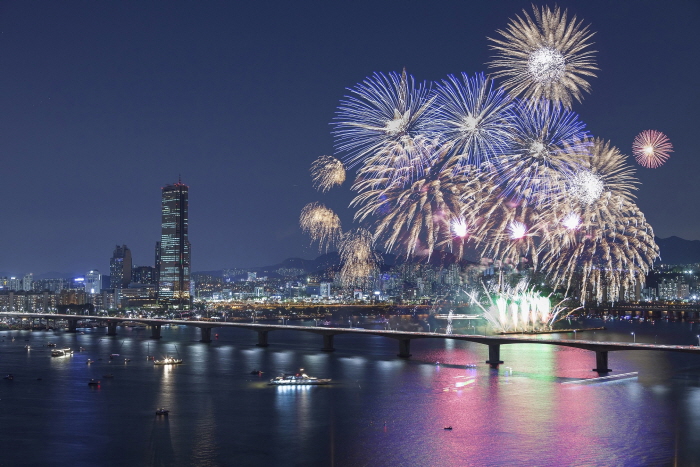
The E-Land Cruise cuts across the Hangang River along the east-west axis. It connects two terminals, one in Yeouido and the other in Jamsil. The company offers a number of different programs, such as the Han River Tour Cruise, a daytime cruise that takes one along the views of Hangang River, and the Moonlight Music Cruise, which offers a beautiful view of Seoul at night with jazz music. One can also enjoy buffet lunch and dinners on the ship.
Seoul Center for National Intangible Cultural Asset (서울국가무형문화재전수회관)
5.5Km 2023-06-13
406, Bongeunsa-ro, Gangnam-gu, Seoul
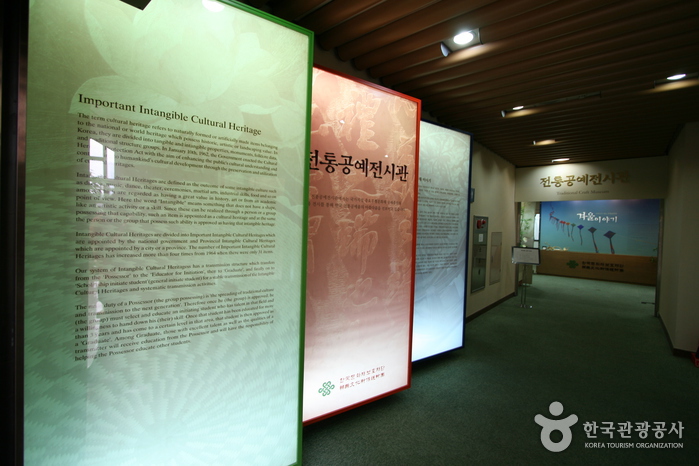
Created by the government to hand down traditions and preserve important, intangible cultural assets, the center supports cultural masters in the training of their pupils and their efforts to promote Korean traditional culture to the general public.
The center houses 8 groups that represent the music field. Serving not only as a training ground for those specializing in the arts, the center also seeks to reach out to the general public through regular programs and recitals. Musicians also participate in musical conferences, events and performances on a national and international level.
There are 12 craft groups at the center that are directed by craft masters who have been designated 'National Intangible Cultural Assets.' Craft groups host a number of training programs.
Other special features of the center include the 'Pungryu,' a 147-seat folk theatre; the 2 or 3 story 'Traditional Craft Hall' with an open-run exhibition hall and planned exhibition hall; a shop selling the works of the artists; a seminar room; a training room; and a practical training room.
 English
 한국어
한국어 日本語
日本語 中文(简体)
 Deutsch
 Français
 Español
 Русский


