
Jinju Hoegwan (진주회관)
1.5Km 2024-06-19
26 Sejong-daero 11-gil, Jung-gu, Seoul
+82-2-753-5388
Jinju Hoegwan is a renowned kongguksu (noodles in cold soybean soup) eatery near City Hall Station. Kongguksu is a traditional Korean summer dish made by boiling and grinding soybeans into a creamy broth, served with noodles, offering a refreshing and nutty flavor. Kongguksu is available from March to November. Their staff-recommended menu includes kimchi bokkeumbap (kimchi fried rice), freshly roasted by the staff, along with kimchi jjigae and samgyeopsal (pork belly).
Korea House (한국의집)
1.5Km 2025-10-23
10, Toegye-ro 36-gil, Jung-gu, Seoul
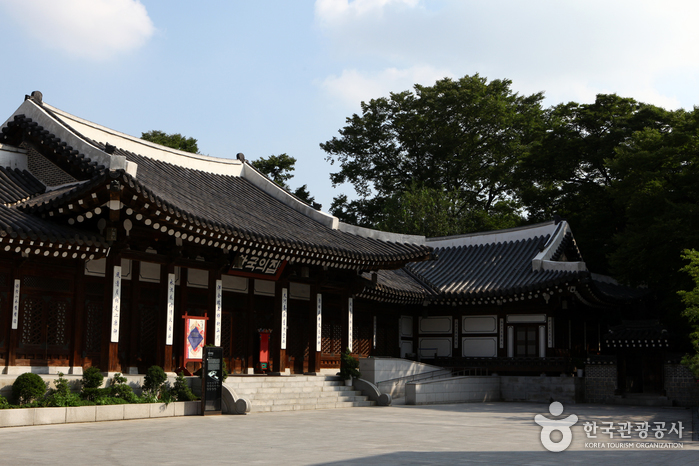
The Korea House was opened in 1981. It is a traditional Korean building that introduces the culture and lifestyle of Koreans, where you can experience traditional architecture and a classical atmosphere. The building was built in the style of the Joseon Dynasty's Jagyeong-jeon building at the Gyeongbok Palace. It is the only building built in the traditional architectural style. You will feel its antiquity as you enter the building.
It is divided into the Haerin-gwan (a space for people to get acquainted with each other), the Traditional Theater, and three annex buildings (Munhyang-ru, Nokeum-jeong and Cheongwu-jeong). At Haerin-gwan, you can enjoy traditional music at Garak-dang and try traditional food at Sohwa-dang. In the square of Garak-dang you can view a traditional wedding (on the weekends) or people playing folk games. Also, at the Traditional Theater, about 156 seats are available, and in the afternoons Human Cultural Assets or members of the National Center for Korean Traditional Performing Arts and the National Corps members present traditional music and dances. Sinayui, Salpuri, Pansori, the Drum Dance and the Bongsan Mask Dance are the most popular programs for foreigners. The programs are all explained in English and Japanese.
In the Cultural Gift Shop you can view various crafts made by traditional craftsmen. It is always open and the crafts are for sale as well. There are pottery, ceramics, golden crafts, knots and embroidery etc; approximately 500 pieces of artwork made by craftsmen from 20 different fields. Next to the House of Korea is the Namsan-gol Hanok Village where visitors can explore traditional houses.
Korea House (한국의집)
1.5Km 2024-03-05
10 Toegye-ro 36-gil, Jung-gu, Seoul
+82-2-2266-9101
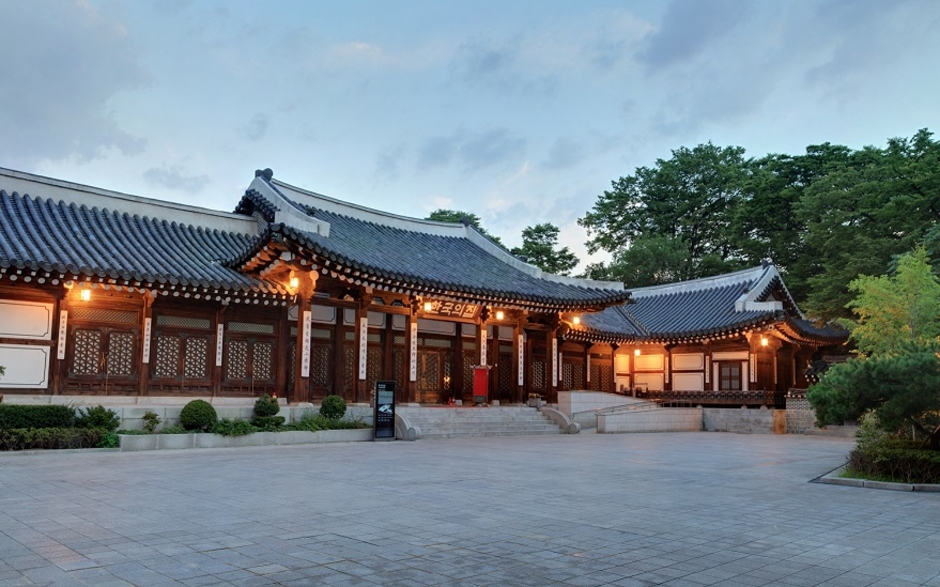
Located in the center of Seoul, Korea House is a must-visit tourism spot as a high-end cultural complex offering Hanjeongsik (Korean table d'hote), traditional refreshments, traditional performance arts, and traditional weddings, allowing visitors to feel the beauty of Korean culture and the taste of Korea. Guests can also enjoy the elegant beauty of hanok.
Cheongsongok (청송옥)
1.5Km 2024-02-20
14 Seosomun-ro 11-gil, Jung-gu, Seoul
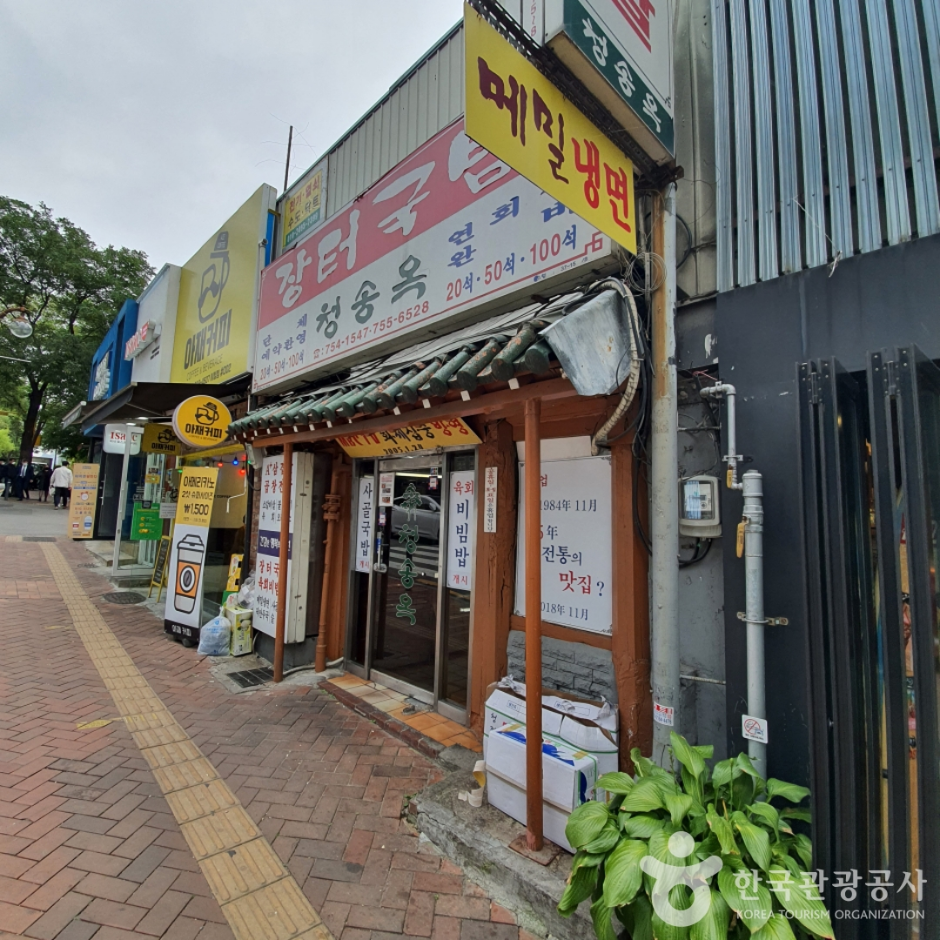
Cheongsongok is a jangteo gukbap (rice soup) restaurant that opened in 1984. The signature menu is jangteo gukbap, a rice soup with green onions and radishes in beef bone broth. The kimchi served with the gukbap is homemade, known for its spicy flavor and crisp texture. Nearby is Deoksugung Palace, and the Seokjojeon Hall in Deoksugung Palace presents a picturesque landscape harmonized with the garden, making it a popular spot for photography.
Cheonggye 5-ga Bag Wholesale Shopping Center / Cheong'o Bag Shopping Center (청계5가 가방도매상가 / 청오가방상가)
1.5Km 2024-03-18
229 Cheonggyecheon-ro, Jongno-gu, Seoul
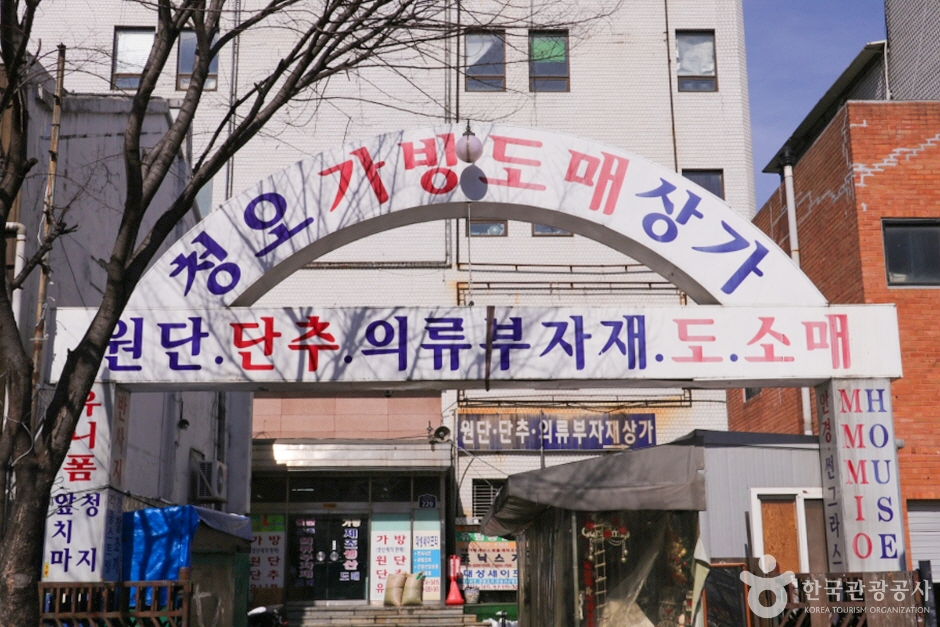
Cheonggye 5-ga Bag Wholesale Shopping Center is a place where you can purchase various types of bags at affordable prices. They offer a diverse range of items including handbags, briefcases, suitcases, and school bags. Selling unique models produced directly from their own factory, the prices are reasonable, and the quality is excellent. The shopping center also houses wholesale stores for clothing and bag accessories.
![Boylondon - Hoehyeon Branch [Tax Refund Shop] (보이런던 회현)](http://tong.visitkorea.or.kr/cms/resource/03/2888003_image2_1.jpg)
Boylondon - Hoehyeon Branch [Tax Refund Shop] (보이런던 회현)
1.5Km 2024-04-16
2F, 72, Toegye-ro, Jung-gu, Seoul
-
Leaders Dermatology Clinic Myeongdong (리더스피부과의원 명동점)
1.5Km 2025-10-23
B1 Floor, 72 Toegye-ro (Hoehyeon-dong 1-ga, SK Leaders' View Namsan), Jung-gu, Seoul
Founded in 2001 by board-certified dermatologists from Seoul National University College of Medicine, Leaders Dermatology has grown into a trusted network of over 12 clinics across Korea and internationally, with a team of more than 20 dermatologists and 150 medical professionals.
Our doctors are actively involved in global academic circles delivering lectures at renowned conferences and seminars and are dedicated to raising the bar for dermatological care. With a systematic, patient-centered approach, our mission is to become the No.1 dermatology clinic in customer satisfaction through excellence in service and results.
Samcheong-dong Street (삼청동길)
1.5Km 2025-01-22
107 Samcheong-ro, Jongno-gu, Seoul
It is said that Samcheong-dong was named from the story about the three "cheong" (Chinese character meaning clean) of the area, namely the mountain, water, and people. Another theory is that the origin of the region's name came from Samcheongjeon Hall where three tablets called "Taecheong," "Sangcheong," and "Okcheong," were set up based on Taoism. Samcheong-dong Street features a mixture of old scenes of hanok buildings with traditional beauty and modern scenes of galleries and cafés, creating a unique atmosphere. Visitors can feel the abundant cultural mood at every corner of the street through the art galleries, museums, antique shops, and quiet pathways.
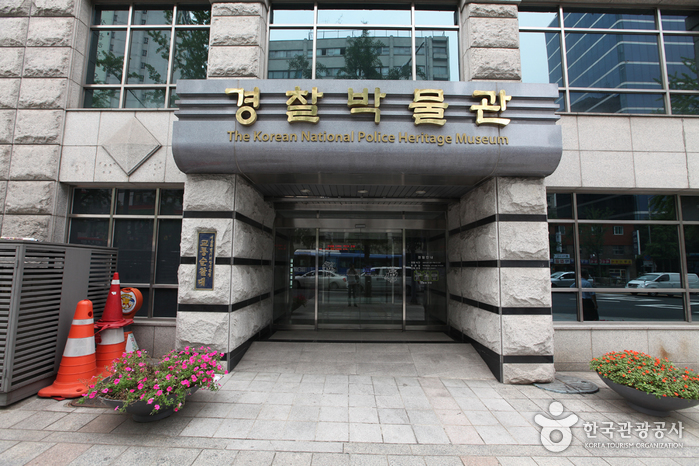
Korean National Police Heritage Museum (경찰박물관)
1.5Km 2021-12-21
41, Saemunan-ro, Jongno-gu, Seoul
+82-2-3150-3681
The police museum opened on October 14, 2005 to give a better understanding of the job of the police and to offer a formal education to children who wish to become police officers in the future. The history hall of the museum is designed for visitors to learn about the history of Korean police at a glance, exhibiting information on the police force from the Joseon dynasty up until current times.
Visitors to the museum can pretend to be police officers by touching actual equipment and learning about an officer's daily tasks. Visitors can also get in patrol cars, wear a police uniform, experience shooting a gun through a simulation, and learn self-defense martial arts and arrest techniques. Visitors can also go to the museum jail.
 English
 한국어
한국어 日本語
日本語 中文(简体)
 Deutsch
 Français
 Español
 Русский


