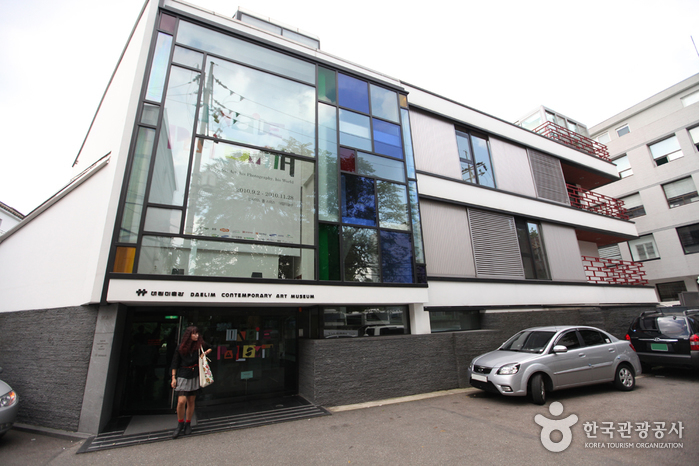
Daelim Museum (대림미술관)
2.0Km 2022-07-29
21, Jahamun-ro 4-gil, Jongno-gu, Seoul
+82-2-720-0667
The Daelim Museum, built by the Daelim Group, was first established in Daejeon in 1996 and later moved to Jongno, Seoul in 2002. The art gallery studies, analyzes, and presents modern art through the lens of photography and holds exhibitions centered around photo media.
The museum is located in the residential area of Tongui-dong, near the time-honored Gyeongbokgung Palace. The museum, which was designed by French architect, Vincent Cornu, and built by the Daelim Corporation, opened its door to the public in late May 2002.
On the first floor, there is a garden, parking lot, reception desk, storage area, and conference room. On the second and third floor are offices and exhibition hall approximately 595 m² in size, consisting of small and large rooms, a long gallery, and a special high-ceilinged exhibition space. On the fourth floor, there is a seminar room that can seat up to 120 guests and a balcony with a beautiful view. From the balcony of the seminar room, Visitors can also enjoy a wide open view of Inwangsan Mountain and Bukhansan Mountain. The stained glass panels (designed to reflect the beauty of traditional Korean wrapping cloth) and the scenic lounges on the 2nd and 3rd floors of the building add to the overall charm.
Above all else, the museum was designed with consideration of the photos, which are very sensitive to humidity, light, and temperature.
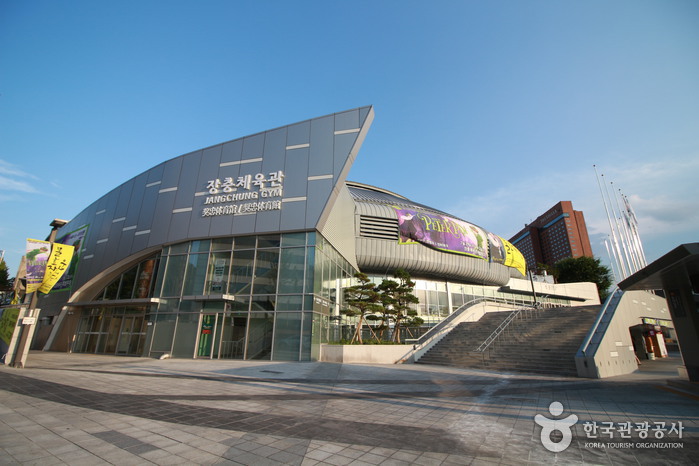
Jangchung Gymnasium (장충체육관)
2.0Km 2024-03-12
241, Dongho-ro, Jung-gu, Seoul
+82-2-2128-2800
Jangchung Gymnasium is Korea's first domed gymnasium and opened in 1963. It was renovated in 2015 to become what it is today. It is famous for hosting the Korean Professional Volleyball League during the winter months. The gymnasium also boasts a variety of athletic competitions, cultural performances, and events. Nearby are Jangchungdan Park, Jangchung-dong Jokbal Street, and Dongdaemun Historical and Cultural Park, which are all worth exploring.
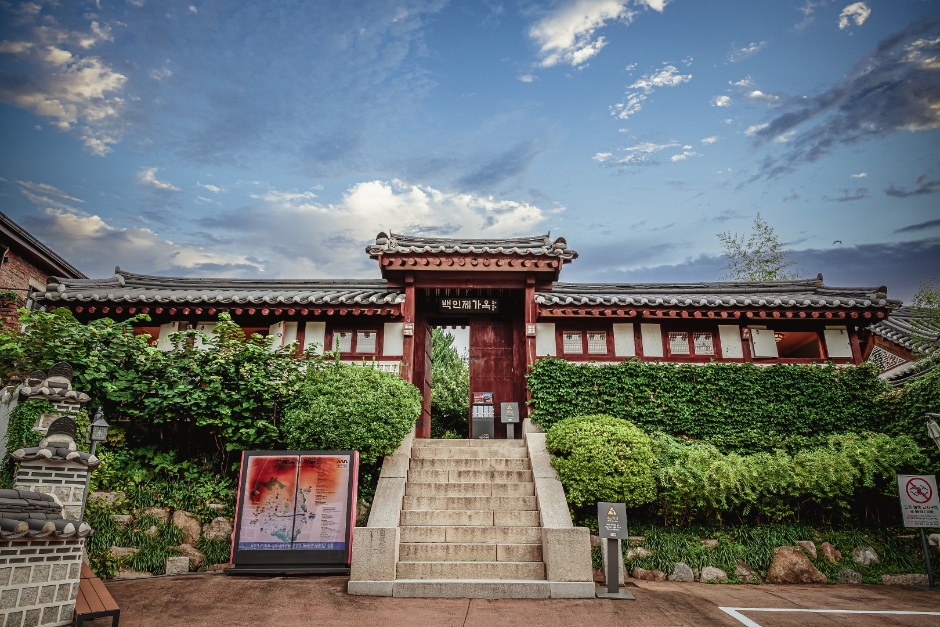
Baek In-je House (백인제가옥)
2.0Km 2025-10-24
16 Bukchon-ro 7-gil, Jongno-gu, Seoul
+82-2-724-0200
Baek In-je House, located in Bukchon Hanok Village, is a hanok built during the Japanese administration period that portrays modern hanok features. The structure consists of a main room offering a good view of the whole village, spacious bedrooms, a large garden, and annex buildings. As it maintains the beauty of a traditional hanok while incorporating the modern trend of its time, Baek In-je House is considered to be highly valuable in means of both architecture and history, representing the Bukchon Hanok Village together with Yun Bo-seon House.
Baek In-je House was built from black pine, which was first introduced in Seoul during the Gyeongseong Expo in 1907, distinguishing itself from other upper-class houses of its time. Unlike other traditional hanok designs that separate the main building from the other rooms, Baek In-je House connects the two with a hallway, allowing convenient access between the two structures. The house also consists of a Japanese-style hallway and floor mat rooms, reflecting the interior trends of that period. Baek In-je House is also unique in that the main room is partially built as a two-story structure, a style that was never seen in any traditional hanok built during the Joseon period.
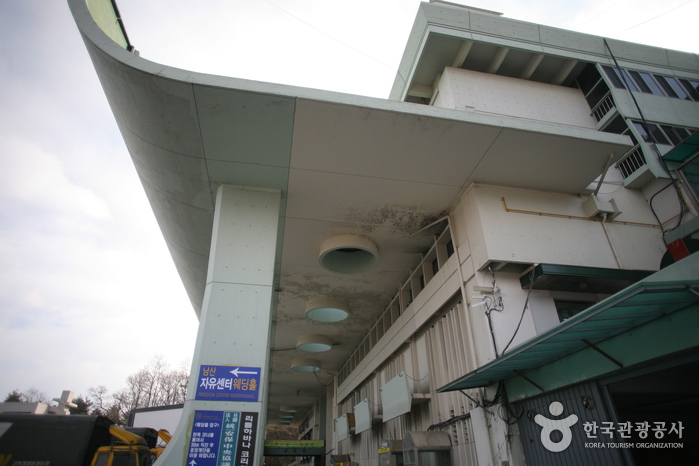
Yejiwon (예지원)
2.0Km 2022-09-19
72, Jangchungdan-ro, Jung-gu, Seoul
+82-2-2253-2211
The Yejiwon is located in Seoul Jung-gu Jangchung-dong and has been offering traditional Korean etiquette education programs since its inception on September 16th, 1974. Furthermore, the Yejiwon also serves to introduce the traditional cultures and living cultures of Korean etiquettes to foreigners.
Most programs offered are short-term classes, and reservations can be made on the homepage up to 15 days in advance. Reservations are only available for groups of 10 or more and classes are instructed in Korean only, so it may be a good idea to be accompanied by a guide.
Dongdaemun Dak Hanmari Alley (서울 동대문 닭한마리 골목)
2.0Km 2024-03-04
37-7, Jongno 5(o)-ga, Jongno-gu, Seoul
+82-2-2236-9135
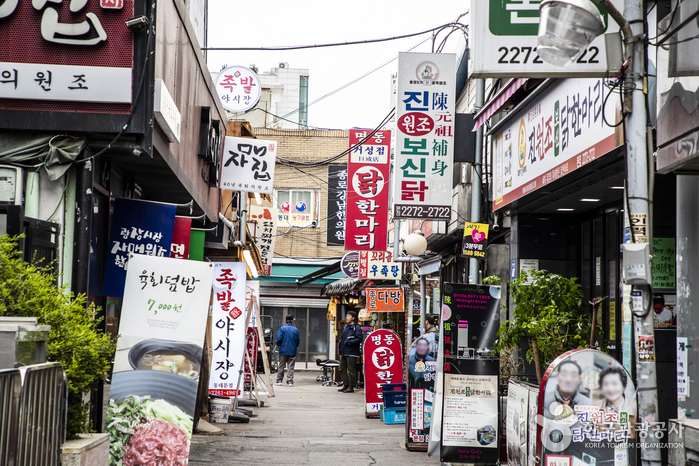
Located near the Dongdaemun Market, Dongdaemun Dak Hanmari Alley gets its name from the restaurants serving dak hanmari (whole chicken soup) that line the alley. Dak hanmari (whole chicken soup), literally “one whole chicken” in Korean, is a dish where a whole chicken is boiled in a soup and served with the alley’s special sauce. After the diners eat the meat, the broth is used to make kalguksu (noodle soup). Because the area is home to large-scale apparel and fashion material markets of the Dongdaemun Market, the district is always lively and bustling.

Ground Seesaw Seochon (그라운드시소 서촌)
2.0Km 2023-01-17
18-8, Jahamun-ro 6-gil, Jongno-gu, Seoul
Ground Seesaw is a cultural complex located in Seochon, Jongno presented by Media & Art, an exhibition production company, and designed by SoA, an architecture firm, and Loci Studio, a landscaping studio. Visitors are able to check out a variety of exhibits at Ground Seesaw Seochon.
Gallery Simon (갤러리 시몬)
2.0Km 2022-09-15
20, Jahamun-ro 6-gil, Jongno-gu, Seoul
+82-2-720-3031
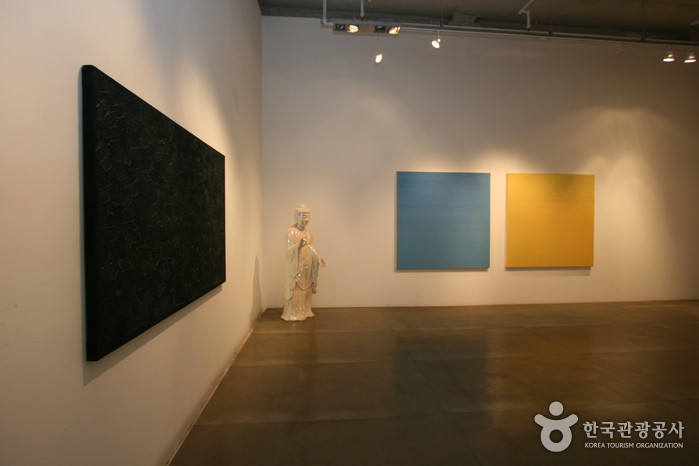
Since its opening in April, 1994, Gallery Simon has continued to focus on promoting the beauty of modern art. Exhibitions include works from experienced artists as well as the works of budding artists, both from Korea and abroad. Select artists, referred to collectively as "Simon's Friends," have exhibitions annually. The changing collections allow the museum and featured artists to constantly strive for improvement and follow the changes in art over time.
Seochon Village (서촌마을)
2.0Km 2024-12-02
45 Pirundae-ro, Jongno-gu, Seoul (Nuha-dong)
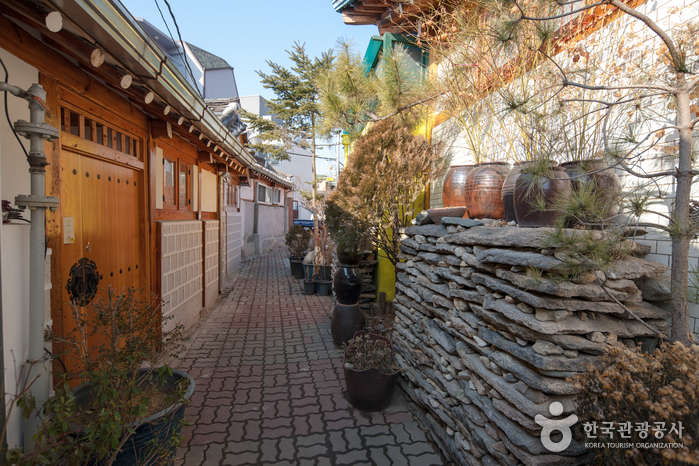
Seochon Village is the name given to the area to the west of Gyeongbokgung Palace. It is a historic village, home to old shops and hanok buildings that have stood the test of time. Korean traditions and contemporary sensibilities coexist within Seochon Village’s maze-like alleyways, creating the unique ambience that makes the district so beloved. One can find shops, guesthouses, cafés, and restaurants in the village.
World Jewellery Museum (세계장신구박물관)
2.0Km 2023-09-21
2, Bukchon-ro 5na-gil, Jongno-gu, Seoul
+82-2-730-1610
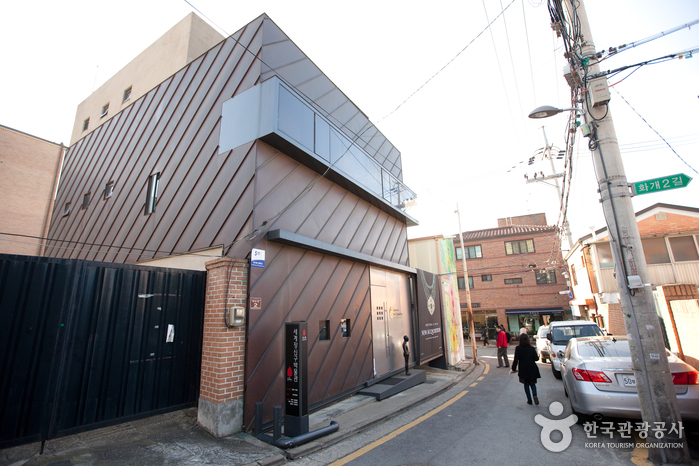
Situated in the gallery district in the back alley of Samcheong-dong (east of Gyeongbokgung Palace), the World Jewellery Museum houses 3,000 jewelry pieces from 60 countries, which have been collected over 30 years. Of which, 1,000 have been selected for display. The first floor contains an Amber Wall that goes back as far as 50 million years, the Golden Hall (El Dorado), the Necklace Hall, and the solemn Alter of the Cross. The second floor holds a mask wall, rings, beads and ivory as well as modern jewelry.
Kukje Gallery (국제갤러리)
2.0Km 2021-07-29
54, Samcheong-ro, Jongno-gu, Seoul
+82-2-735-8449
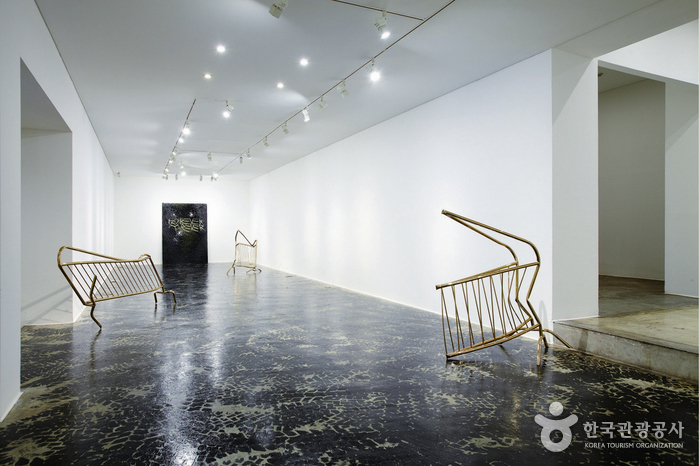
The Kukje Galley has been committed to presenting the work of significant Korean and international contemporary artists to the public since 1982. The gallery has established itself as a leading venue for international exhibits such as Helen Frankenthaler, Sam Francis, Jim Dine, Frank Stella, Robert Mangold, Anthony Caro, Cy Twombly, Edward Ruscha, Anselm Kiefer, Joseph Beuys, and Bill Viola, attracting enthusiastic responses from both the public and the media.
The gallery has placed emphasis on collaborations between artists, galleries, and art dealers around the world and nurturing upcoming artists by sponsoring their artwork and giving them international exposure.
 English
 한국어
한국어 日本語
日本語 中文(简体)
 Deutsch
 Français
 Español
 Русский


