
Wellness Pharmacy [Tax Refund Shop] (웰리스약국)
2.1Km 2024-04-19
51, Myeongdong 10-gil, Jung-gu, Seoul
-
![Wellness Pharmacy [Tax Refund Shop] (웰니스약국)](http://tong.visitkorea.or.kr/cms/resource/54/2878654_image2_1.jpg)
Wellness Pharmacy [Tax Refund Shop] (웰니스약국)
2.1Km 2024-06-27
51, Myeongdong 10-gil, Jung-gu, Seoul
-
![Wiseyou Clinic - Myeong-dong Branch [Tax Refund Shop] (와이즈유의원코스메틱 명동)](http://tong.visitkorea.or.kr/cms/resource/68/2888068_image2_1.jpg)
Wiseyou Clinic - Myeong-dong Branch [Tax Refund Shop] (와이즈유의원코스메틱 명동)
2.1Km 2024-04-17
3F, 52, Myeongdong 8ga-gil, Jung-gu, Seoul
-
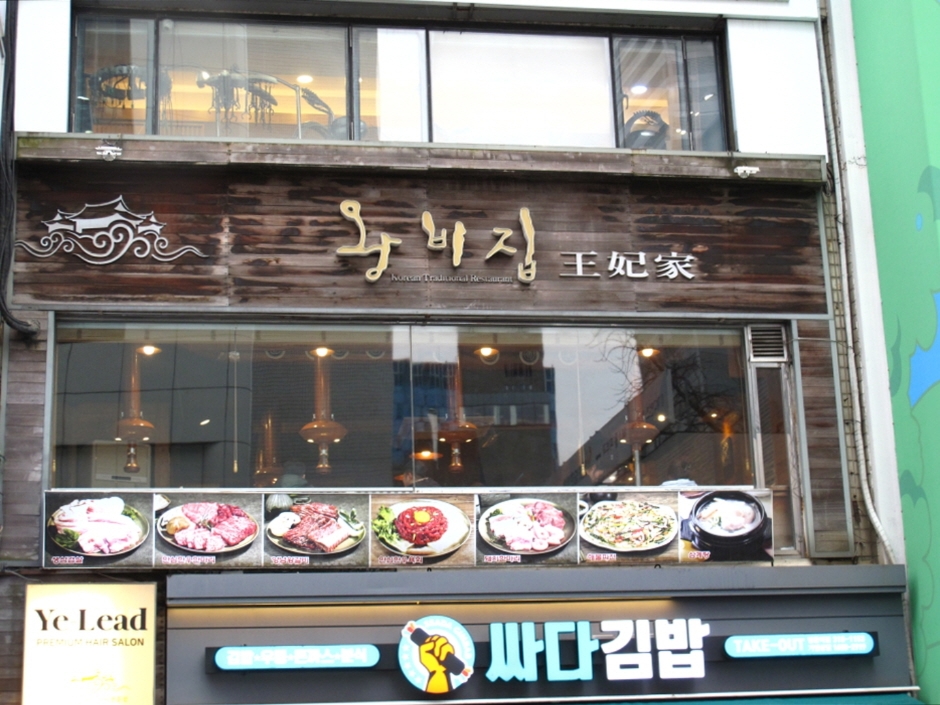
Wangbijip (왕비집)
2.1Km 2024-03-11
26, Myeongdong 8ga-gil, Jung-gu, Seoul
+82-2-3789-1945
Wangbijip is a restaurant where all the meat is grilled by the staff. They focus on meats such as hanu galbisal (grilled boneless korean galbi) and sweet grilled marinated galbi. Popular lunch specialties include sogalbi jeongsik (grilled galbi set menu), bori gulbi jeongsik (barley-aged dried yellow croaker set menu), and dwaeji galbi jeongsik (grilled pork galbi set menu). The set menucomes with soybean paste jjigae and janchi guksu (banquet noodles) for a small serving. The lightly flavored janchi guksu is the best combination with the marinated galbi, giving it a light aftertaste.
![Lf Hazzys - Myeong-dong [Tax Refund Shop] (LF(명동헤지스종합))](http://tong.visitkorea.or.kr/cms/resource/55/2878655_image2_1.jpg)
Lf Hazzys - Myeong-dong [Tax Refund Shop] (LF(명동헤지스종합))
2.1Km 2024-04-19
28, Myeongdong 8ga-gil, Jung-gu, Seoul
-
Olive Young - Myeongdong Jungang Branch [Tax Refund Shop] (올리브영 명동중앙점)
2.1Km 2024-06-27
1F, 18, Myeongdong 8na-gil, Jung-gu, Seoul
-
![Samdaein [Tax Refund Shop] (삼대인)](http://tong.visitkorea.or.kr/cms/resource/23/2887823_image2_1.jpg)
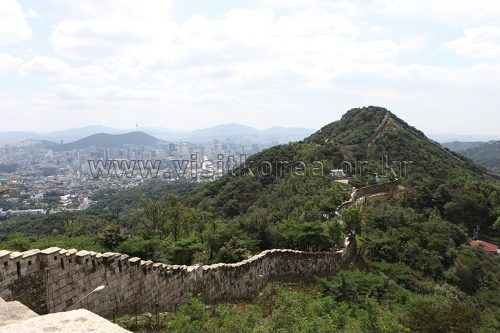
Bugaksan Mountain (북악산)
2.1Km 2024-03-04
Cheongun-dong, Jongno-gu, Seoul
+82-2-765-0297
Bugaksan Mountain is the mountain that one can see behind the Gyeongbokgung Palace and the Cheong Wa Dae to the north. Hanyangdoseong, the city wall that surrounded the historic capital of Hanyang, was built by connecting the ridges of this mountain. These walls can still be found today, having been preserved quite well. Different trails weave through the area along the Hanyangdoseong, the Seoul City Wall, and one can visit these trails at night as well. Bugak Skyway is a road that connects Changuimun Gate to Jeongneung Royal Tomb, and one can get a great view of Seoul’s city center from the Palgakjeong Pavilion on Bugak Skyway.
![Adidas Original - Myeongdong Branch [Tax Refund Shop] (아디다스오리지널 명동점)](http://tong.visitkorea.or.kr/cms/resource/39/2878639_image2_1.jpg)
Adidas Original - Myeongdong Branch [Tax Refund Shop] (아디다스오리지널 명동점)
2.1Km 2024-04-19
20, Myeongdong 8na-gil, Jung-gu, Seoul
-
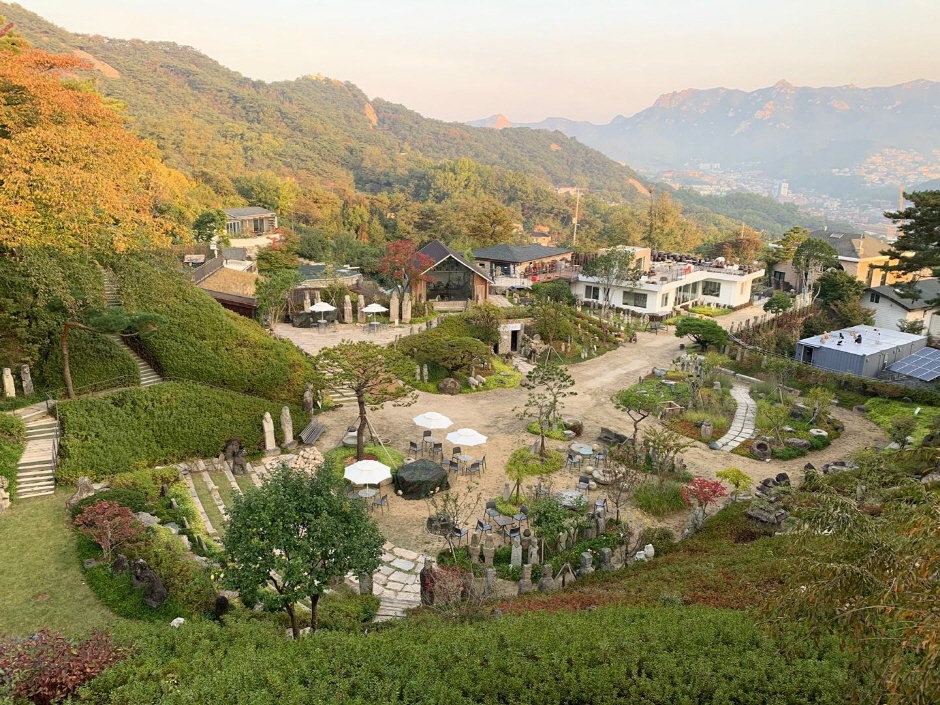
Mok In Museum Mok Seok Won (목인박물관 목석원)
2.1Km 2021-09-01
46-1, Changuimun-ro 5-gil, Jongno-gu, Seoul
+82-2-722-5066
Mok In Museum Mok Seok Won relocated in 2019 from Insa-dong to Buam-dong. Six exhibition halls offer visitors a look at wooden figures from around the world. Mokin refers to traditional wooden sculptures carved in shapes of human figures or various animals. The museum holds around 12,000 wooden folk sculptures including those used to decorate funeral carriages and temples mostly from the Joseon dynasty up to modern times. The museum also has an outdoor exhibition hall that harmonizes the sculptures with nature.
 English
 한국어
한국어 日本語
日本語 中文(简体)
 Deutsch
 Français
 Español
 Русский


