
Imun Seolnongtang (이문설농탕)
867.2M 2025-06-18
38-13 Ujeongguk-ro, Jongno-gu, Seoul
+82-2-733-6526
Imun Seolnongtang has been serving its hearty seolleongtang for over a hundred years since it first opened in 1907. Even its name has a long history: the word imun comes from Imun-gol, the now-obsolete name of the restaurant’s location, and seolnongtang, an old variation of the word seolleongtang. During the Japanese colonial rule, the restaurant’s regular customers included Gijeong Son, the marathon gold-medalist at the 1936 Berlin Olympics. The meal served at this restaurante is reputed to stay consistent from the Japanese colonial period.
Tteulan Teahouse (뜰안)
871.1M 2024-12-10
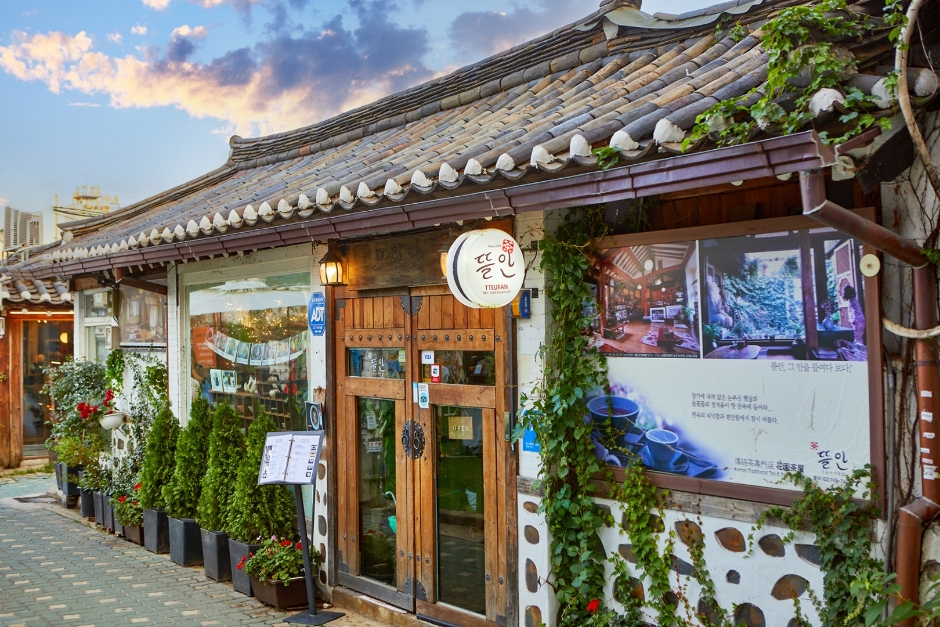
Tteulan Teahouse is a cafe that really allows one to feel the tradition and flair of Korea. Tteulan has two entrances: one facing the wide alley and the other facing the smaller one. The smaller entrance is decorated like a garden, so it feels as if one is stepping into a land of fairy-tales. The café has a floor seating tables with traditional items like gadari soban (a table with legs that curve like a dog's legs), and jogakbo (a textile woven from several pieces of scrap cloth), all of which add to the traditional Korean aesthetic. The menu features ssanghwacha (medicinal herb tea known to help the immune system), a favorite among middle-aged and elderly Koreans; omija tea (omija is a tart berry that grows in East Asia known to be good for lung and bronchial health and boosts immunity); citrus tea (usually made with yuzu which is rich in vitamin C and said to help mitigate fatigue); and pour-over coffee. Traditional desserts include mugwort rice cake (rice cake with mugwort added for herbal flavor, best enjoyed with malt syrup), pumpkin rice cake, and roasted grain powder (a nutritious beverage made with a variety of powdered grain). It can be hard to find seating in the afternoon, so visitors are advised to avoid these hours if they seek to enjoy their drink in peace.
Changgyeonggung Palace (창경궁)
876.9M 2024-10-31
185 Changgyeonggung-ro, Jongno-gu, Seoul
+82-2-762-4868
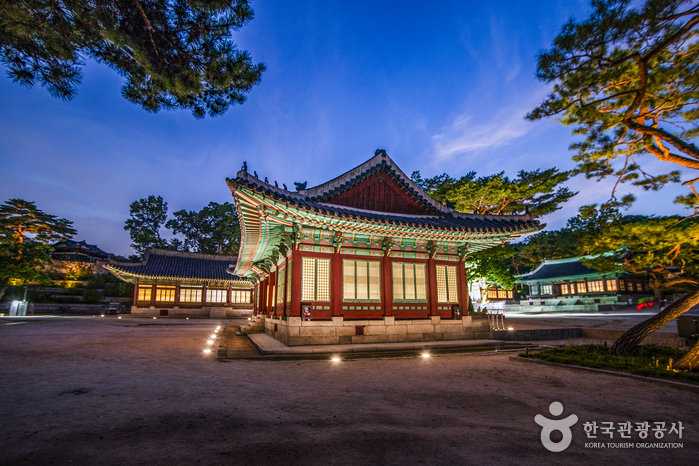
Located in the heart of Seoul, Changgyeonggung Palace was originally built as Suganggung Palace by the 4th ruler of the Joseon dynasty, King Sejong (r.1418-1450), for his retiring father, King Taejong. It often served as residential quarters for queens and concubines. During the reign of King Seongjong (r.1469-1494), the palace was renovated and renamed to Changgyeonggung Palace. It later became a park with a zoo and a botanical garden during Japanese colonial rule. The palace grounds remained this way until 1983 when restoration of its old grace was completed.
Changgyeonggung Palace Honghwamun Gate (창경궁 홍화문)
876.9M 2021-05-27
99, Yulgok-ro, Jongno-gu, Seoul
+82-2-762-4868
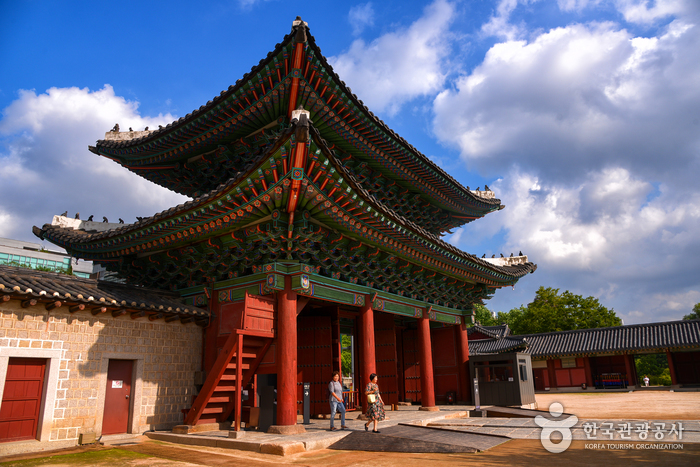
Honghwamun Gate is the main gate of Changgyeonggung Palace. It has three opening gates in the front and two to the side with a sophisticated locking mechanism.
![Harmony Mart - Insa Branch [Tax Refund Shop] (하모니마트 인사)](http://tong.visitkorea.or.kr/cms/resource/79/2888079_image2_1.jpg)
Harmony Mart - Insa Branch [Tax Refund Shop] (하모니마트 인사)
885.2M 2024-04-17
1F (Gwanhun-dong), 38, Insadong 5-gil, Jongno-gu, Seoul
-
Insadong Cultural Street (인사동 문화의 거리)
892.7M 2023-12-26
Insa-dong, Jongno-gu, Seoul Metropolitan City
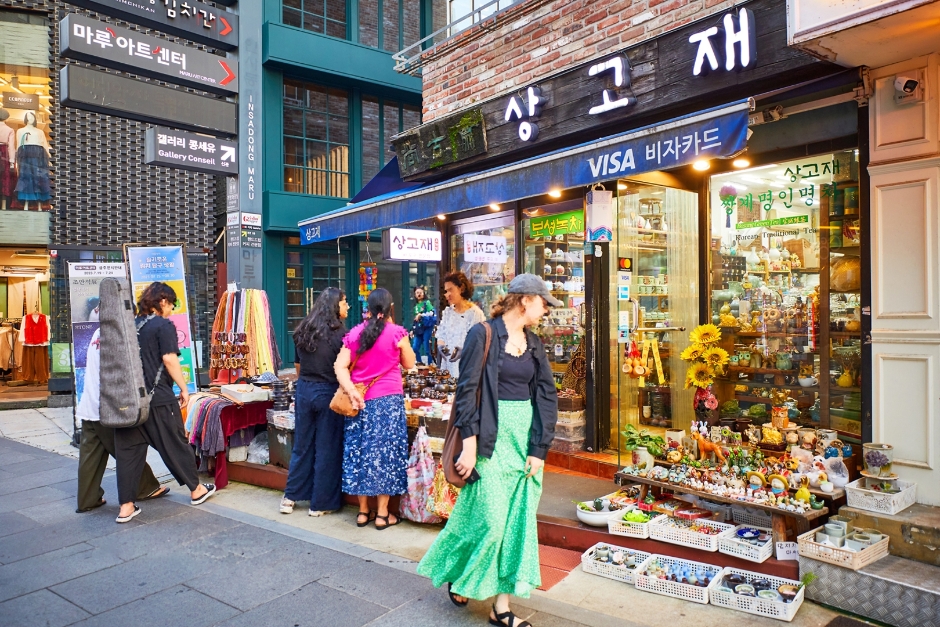
Insadong Cultural Street is a popular tourist destination for visitors from all around the world, thanks to its numerous art galleries, restaurants serving Korean table d’hote, traditional teahouses, and street vendors lining the streets. Its most recognizable feature is the use of Hangeul (Korean script) in storefronts, which allows the visitors to really see just what makes this place so special. Unlike the nearby Ikseon-dong Hanok Street, Insadong Cultural Street has larger streets with wider stores, so it is much easier to traverse. On evenings and weekends, one can find buskers performing on the side of the road.
Ikseon-dong Hanok Street (익선동 한옥거리)
907.5M 2025-10-27
Ikseon-dong, Jongno-gu, Seoul
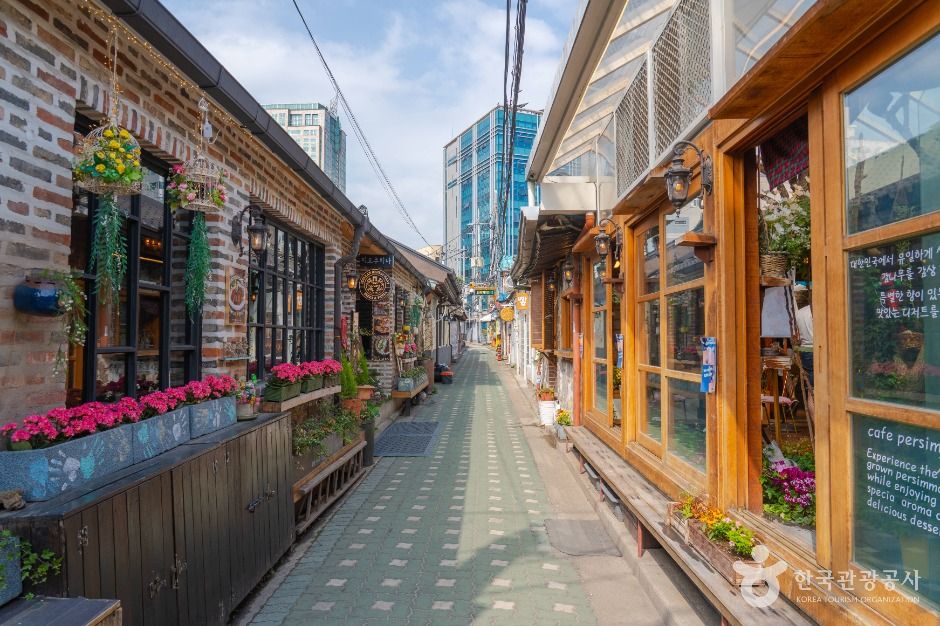
Ikseon-dong is a place where the harmony of alleys and hanok houses exudes beautiful charm and is a must-visit spot for tourists of all ages and genders. It is also an area that connects the younger and older generations.
Beautiful Tea Museum (아름다운 차박물관)
908.4M 2022-07-26
19-11, Insadong-gil, Jongno-gu, Seoul
+82-2-735-6678
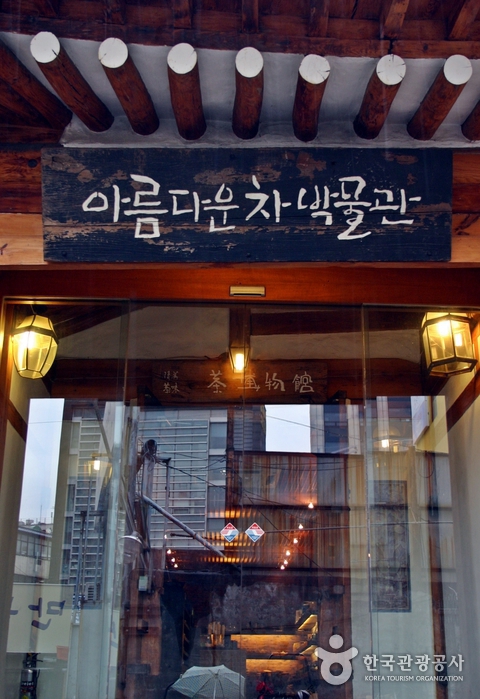
Located in Insa-dong, The Beautiful Tea Museum aims to promote Korean tea culture. It preserves and exhibits tea related utensils and items, featuring those from the ancient Gaya and Joseon period as well as items from abroad such as China and Tibet. The museum also displays original tea pots and other ceramics made by young artists and ceramists. Inside the museum is a tea house named "Tea Story," serving a wide variety of teas. Visitors can also purchase tea leaves from all over the world at the Tea Shop.
Teterot Salon (때때롯살롱)
913.8M 2025-10-23
21-12 Supyo-ro 28-gil, Jongno-gu, Seoul
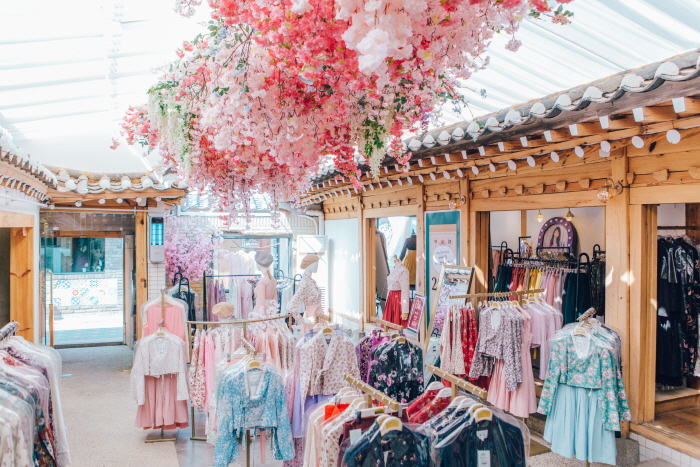
Teterot Salon is a representative hanbok brand in Seoul operated by Chima Jeogori Seoul. They boast high levels of completion by closely monitoring the process from design conception, production, and sale of products. In particular, they have their own factory that allows for high quality products and more frequent updates on new products.
 English
 한국어
한국어 日本語
日本語 中文(简体)
 Deutsch
 Français
 Español
 Русский


