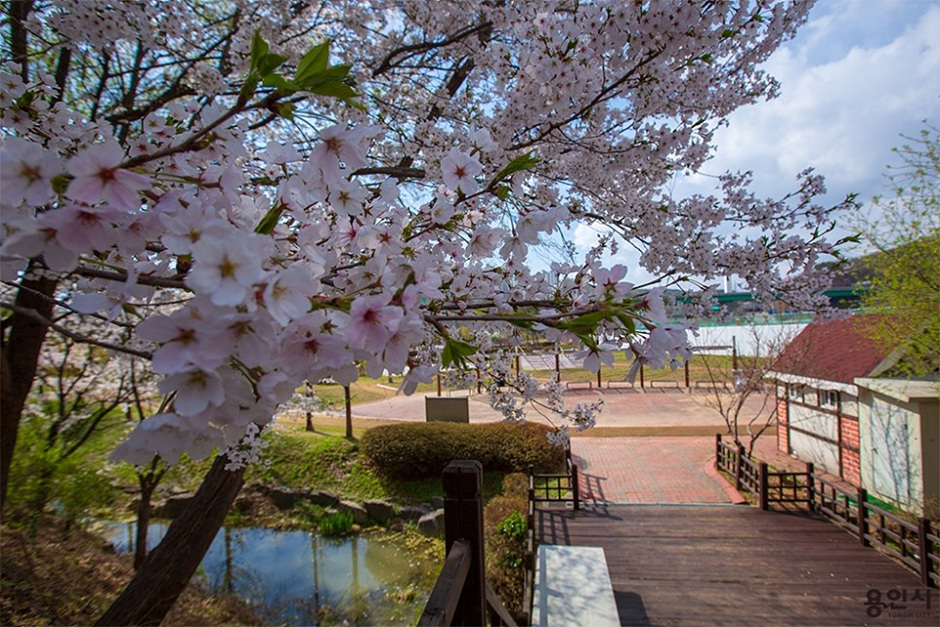
Giheunghosu Lake Park Pet Playground (기흥호수공원 반려동물놀이터)
12.3Km 2024-10-25
79-1 Hagal-ro, Giheung-gu, Yongin-si, Gyeonggi-do
The Giheunghosu Lake Park Pet Playground is a large play area set up for citizens and their canine companions to run around freely. The playground is divided into different sections for large and small breeds for safety. All pet owers using the park must ensure they have waste disposal bags and a leash before entering, and must clean up after their pets. Please note that for sanitary reasons, the use of picnic mats and food is not permitted within the playground.
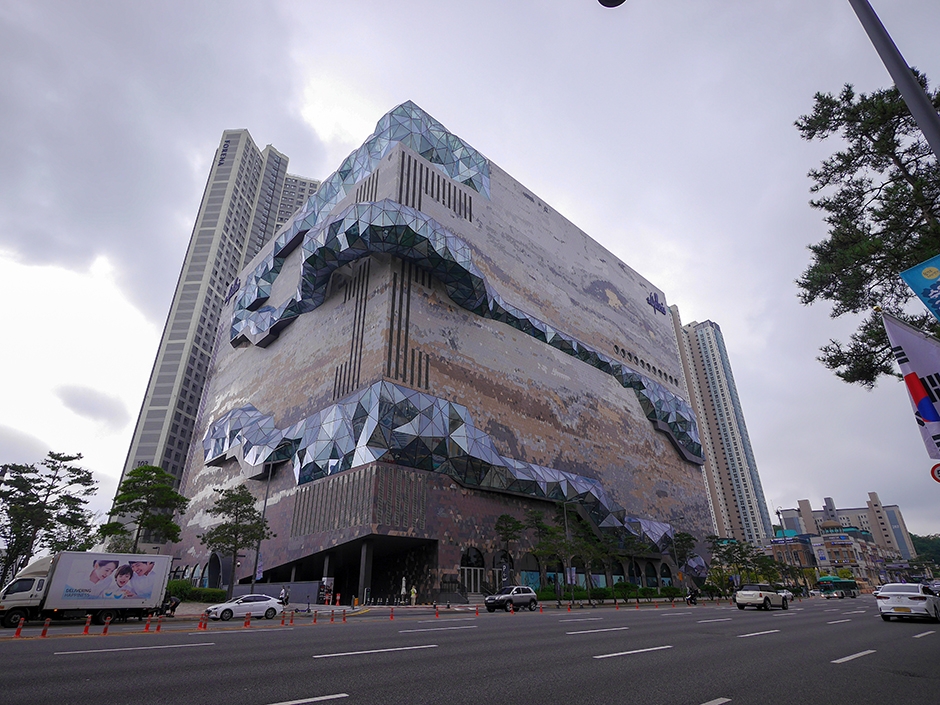
Galleria Gwanggyo Passage (갤러리아 광교 파사쥬)
12.4Km 2025-05-21
124 Gwanggyojungang-ro, Yeongtong-gu, Suwon-si, Gyeonggi-do
Opened in 2020, the Galleria Gwanggyo Passage is located on the lower floors of the Galleria Gwanggyo. Inspired by sedimentary rocks, its exterior was designed by renowned architect Rem Koolhaas. With its striking design, it offers visitors a unique experience. In addition to popular cafes and bakeries, visitors can explore a variety of brands of cosmetics, outwear, IT, and food & beverages. The space also features various photo zones, a self-studio, and other fun activities that go beyond the traditional department store experience.
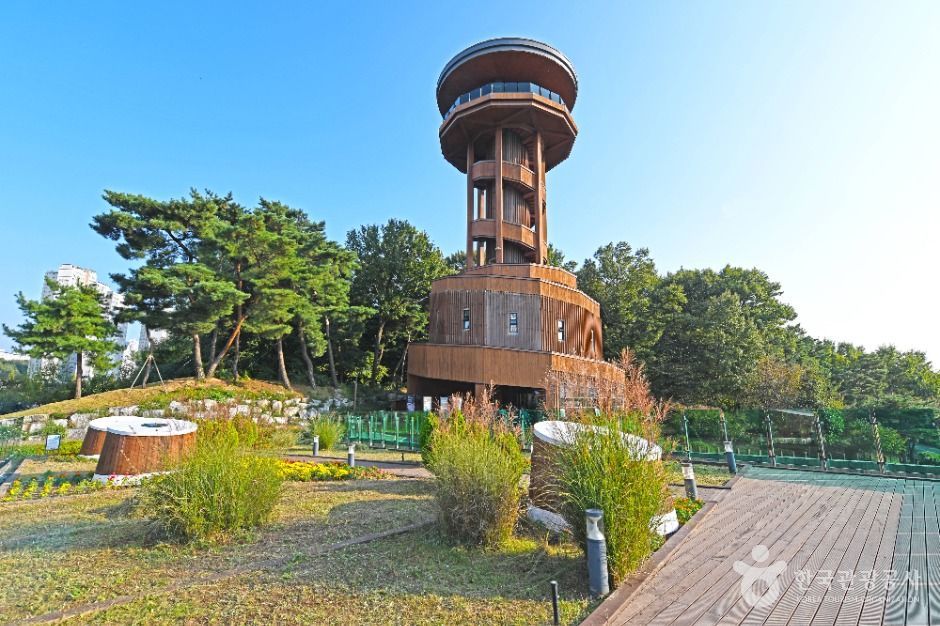
Gwanggyo Freiburg Observatory (광교 프라이부르크전망대)
12.4Km 2025-05-21
127 Gwanggyohosu-ro, Yeongtong-gu, Suwon-si, Gyeonggi-do
The Freiburg Observatory in Gwanggyo Lake Park is inspired by the observatory in Freiburg, an eco-city in Germany, and represents Suwon’s commitment to becoming an eco-conscious city. The observatory offers a stunning view of the lakes nearby.
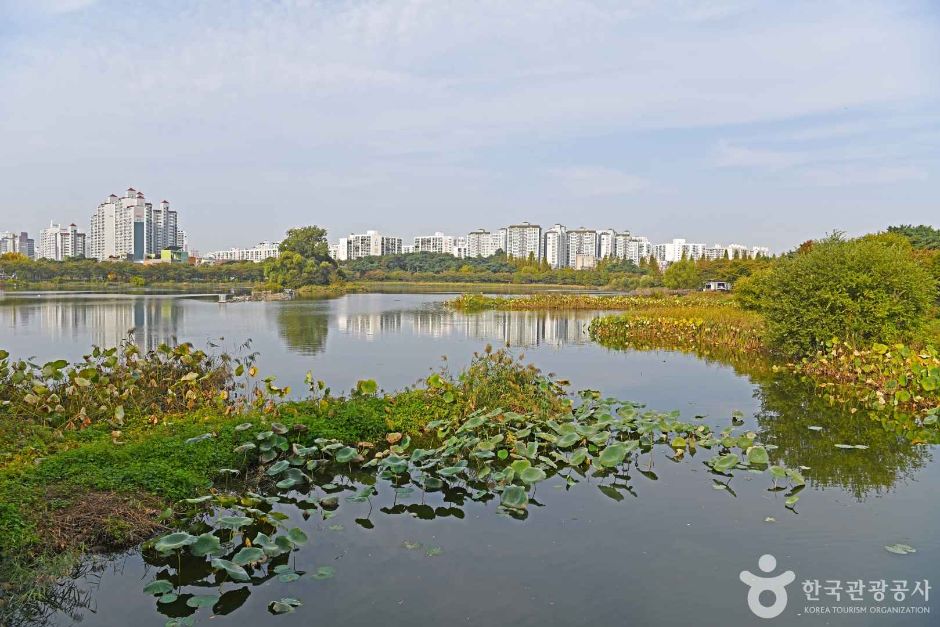
Manseokgeo Park (만석거공원)
12.5Km 2024-12-23
1087 Jeongjo-ro, Jangan-gu, Suwon-si, Gyeonggi-do
Manseokgeo Park centers around Manseokgeo Reservoir, built in 1795 to combat drought by transforming barren land into a water source. The park features a pavilion, tennis courts, a playground, small convenience store, an outdoor concert hall, and an art museum. In spring, cherry blossoms bloom, while summer brings beautiful lotus flowers to the lake. A well-maintained walking trail encircles the reservoir, and at night, the rainbow-colored musical fountain provides a spectacular view.

Weolmoon Hot Spring (월문온천 휴양지)
12.7Km 2025-06-30
5 Beodeul-ro 1597beon-gil, Paltan-myeon, Hwaseong-si, Gyeonggi-do
Weolmoon Hot Spring is a natural hot spring where water, with a pH of 9.2, emerges from 700 meters underground as alkaline sodium bicarbonate (NaHCO3) type. The water is soft and minimally irritating, contributing to smoother skin. It is also effective in treating conditions like neuralgia, rheumatoid arthritis, and allergic dermatitis. The sauna facilities include a hot water bath, open-air bath, cold water bath, showers, and a charcoal sauna.
Suwon Museum (수원박물관)
12.8Km 2025-05-22
265 Changnyong-daero, Yeongtong-gu, Suwon-si, Gyeonggi-do
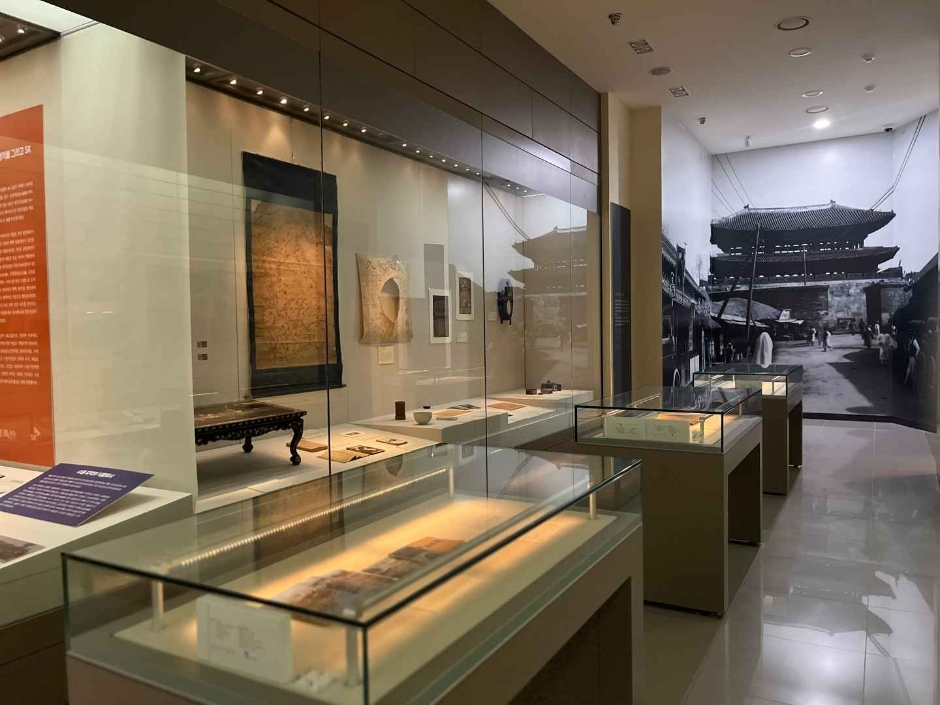
Locaed in Iui-dong, Yeongtong-gu, Suwon Museum has one basement floor and two above-ground floors, spanning over an area of 6,535 ㎡. Suwon Museum consists of two main exhibition halls, Suwon Museum of History and Calligraphy Museum of Korea, showcasing approximately 48,000 relics, and a planned exhibition hall for special occasions and exhibitions.
Suwon Museum of History recreates a scene of Yeongdong Market Street during the1960s. Children can learn and get secondhand experience of what Suwon was like in the past while adult visitors can reminisce the old times.
Calligraphy Museum of Korea is the first calligraphy museum built by a local government. The museum houses Korea's significant calligraphy works. The hall features a spacious area and its display cases are designed with cutting edge technology to highlight the relics on display. Exhibited collections include geumseokmun (metal writing), beopseo (calligraphic specimen of renowned artists of the past), works of renowned calligraphers during the Joseon dynasty, eopil (the writings of Kings), seogan (letters), works of renowned contemporary calligraphers, and more. Also, a planned exhibition hall holds exhibitions with specific themes every year. In addition, the museum offers educational programs for visitors as well as large scale calligraphy events for the general public.
Gwanggyo Lake Park (광교호수공원)
12.9Km 2025-05-22
165 Gwanggyohosu-ro, Yeongtong-gu, Suwon-si, Gyeonggi-do
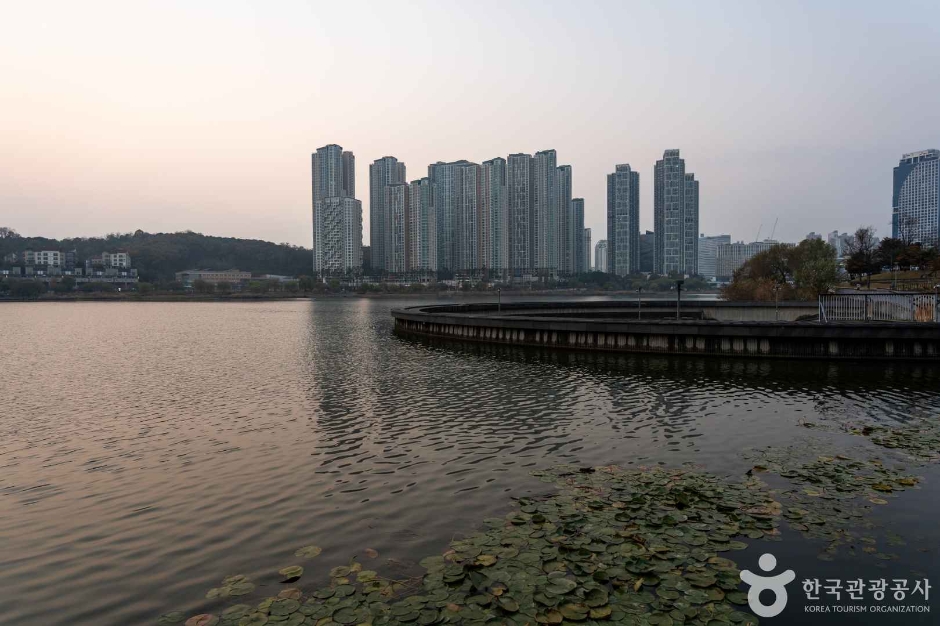
Gwanggyo Lake Park is the largest lake park in the city center of Korea. The park is designed to blend the scenic nature of Gwanggyosan Mountain and the nearby reservoirs with urban culture. It consists of urban levees and 6 different themed "dumbeong," the Korean term for a pool of water.
Suwon Gwanggyo Museum (수원광교박물관)
13.2Km 2021-10-23
182, Gwanggyo-ro, Yeongtong-gu, Suwon-si, Gyeonggi-do
Suwon Gwanggyo Museum features a variety of relics that were discovered during the construction of Gwanggyo New Town. The exhibitions focus on the history and culture of the Gwanggyo area based on artifacts along with materials related to Korea’s modern history, Dokdo Island, and Admiral Yi Sun-sin. Suwon Gwanggyo Museum is located in Gwanggyo History Park near the burial site of Sim On and Prince Hyeryeong, providing a great opportunity for visitors to learn about Korea’s history as well as enjoy a relaxing stroll around the park.
Trivium (트리비움)
13.3Km 2025-09-16
175-4, Dongcheon 2-gil, Jinwi-myeon, Pyeongtaek-si, Gyeonggi-do
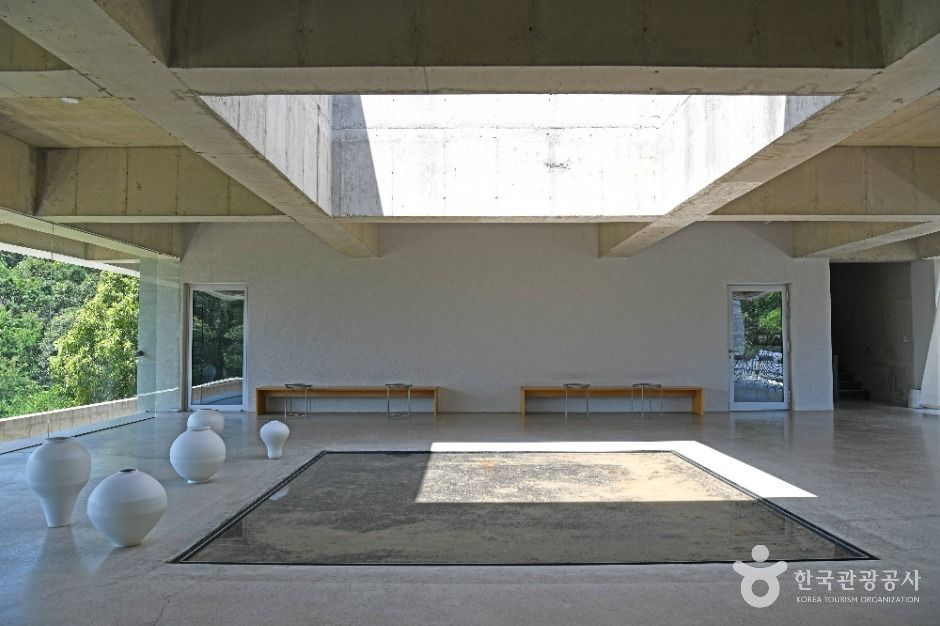
Trivium is a special retreat nestled in the quiet village of Dongcheon-ri, Jinwi-myeon, Pyeongtaek-si, Gyeonggi-do. Founded by a landscape architect and his wife, an aromatherapist, Trivium was envisioned as a place where visitors could set aside the weight of daily life and find true rest. The name trivium is a Latin word meaning “the three paths of learning,” symbolizing grammar, logic, and rhetoric, which compose the foundation of classical scholarship. Beyond its beautiful scenery, Trivium aspires to be an academic and philosophical space where everyone can explore the self and find inspiration. As Zhuangzi once said, “People see their reflection not in flowing water, but in still water." In this spirit, Trivium offers a unique experience of encountering oneself and the world in tranquility. More than just a building, it is a harmonious and serene sanctuary and a place of learning where people and nature breathe together.
Ieyoung Contemporary Art Museum (이영미술관)
13.5Km 2021-05-28
63, Heungdeok 4-ro, Giheung-gu, Yongin-si, Gyeonggi-do
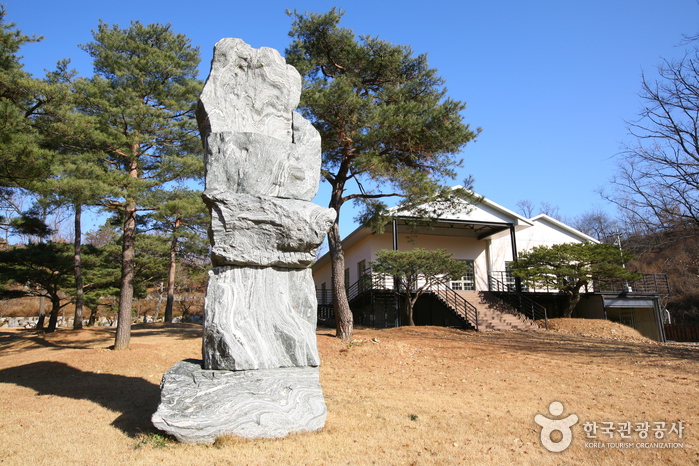
Ieyoung Contemporary Art Museum opened in June 2001 to showcase artworks that were personally collected by the gallery owners. Upon entering the eco-friendly exhibition space, visitors will be met by works of Korea's famous contemporary artists. In particular, the gallery has the largest collection of works by Park Saeng-gwang, a patriotic painter. In 2004, to mark the 100th anniversary of Park’s birth, the gallery created a foundation with the dual purpose of studying Park and his works and identifying undiscovered interpretation of Korea's tradition.
 English
 한국어
한국어 日本語
日本語 中文(简体)
 Deutsch
 Français
 Español
 Русский


