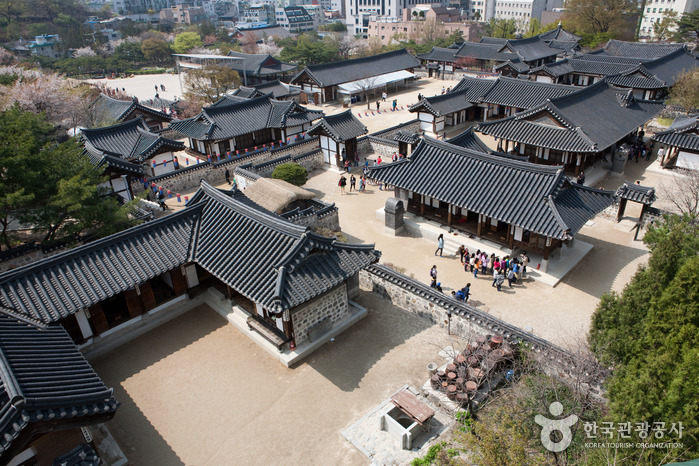
Myeong-dong, Namdaemun, Bukchang-dong, Da-dong and Mugyo-dong Special Tourist Zone (명동 남대문 북창동 다동무교동 관광특구)
9.1Km 2021-12-30
40, Sejong-daero, Jung-gu, Seoul
+82-2-3396-4622
Myeong-dong, Namdaemun, Bukchang-dong and Da-dong are widely known among international visitors as hot spots for shopping and food.
Myeong-dong is a popular destination for shopping, culture, arts and fashion. Major shopping malls such as Lotte Department Store, Shinsegae Department Store, Myeong-dong Migliore and Samik Fashion Town are located here. Shoppers can find a variety of products here from high-end items to relatively inexpensive clothes. There’s also no shortage of street food, traditional restaurants, coffee shops and fancy cafes.
Namdaemun Market is the biggest traditional market in Korea. Visitors can purchase souvenirs and local produce at an affordable price in the shopping complex crowded with stores and street stalls. The market sells a variety of clothes, kitchenware, toys, accessories, food, flowers and imported goods.
Bukchang-dong and Sogong-dong have high-end accommodations including Lotte Hotel Seoul and Westin Chosun Seoul, duty-free shops, and restaurants serving traditional dishes.
[Myeong-dong, Namdaemun Market and Bukchang-dong Special Tourist Zone]
Areas included: Myeong-dong, Bukchang-dong, Mugyo-dong and Da-dong, Seoul
Area size: 872,809 ㎡
Tourist attractions: Myeong-dong, Namdaemun Market and Bukchang-dong, Department Stores (Lotte Department and Shinsegae Department Store, etc.), Traditional Market, Duty-free Shop, Hanok Village, N Seoul Tower, etc.
Sungnyemun Gate (숭례문)
9.2Km 2024-11-27
40 Sejong-daero, Jung-gu, Seoul
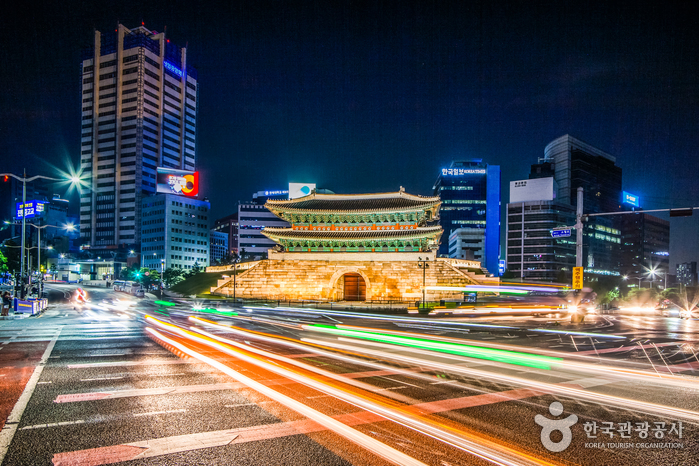
Sungnyemun Gate is Korea’s National Treasure No. 1, and its unofficial name is Namdaemun Gate. Sungnyemun Gate is the largest castle gate stone structure with an arched entrance in the middle. There’s a column on top of a platform, raising the roof, distinguishing the upper stories and lower stories of the building. Passageways for traffic are located at the east and west ends of the gate. Different from the other gates, Sungnyemun Gate’s tablet has its name written vertically.
On February 10, 2008, Sungnyemun was destroyed by fire. After a 5-year reconstruction work, the gate was re-opened to the public again on May 4, 2013.
Palgakdo Main Branch (팔각도 본점)
9.2Km 2025-01-23
643 Gyeongin-ro, Guro-gu, Seoul
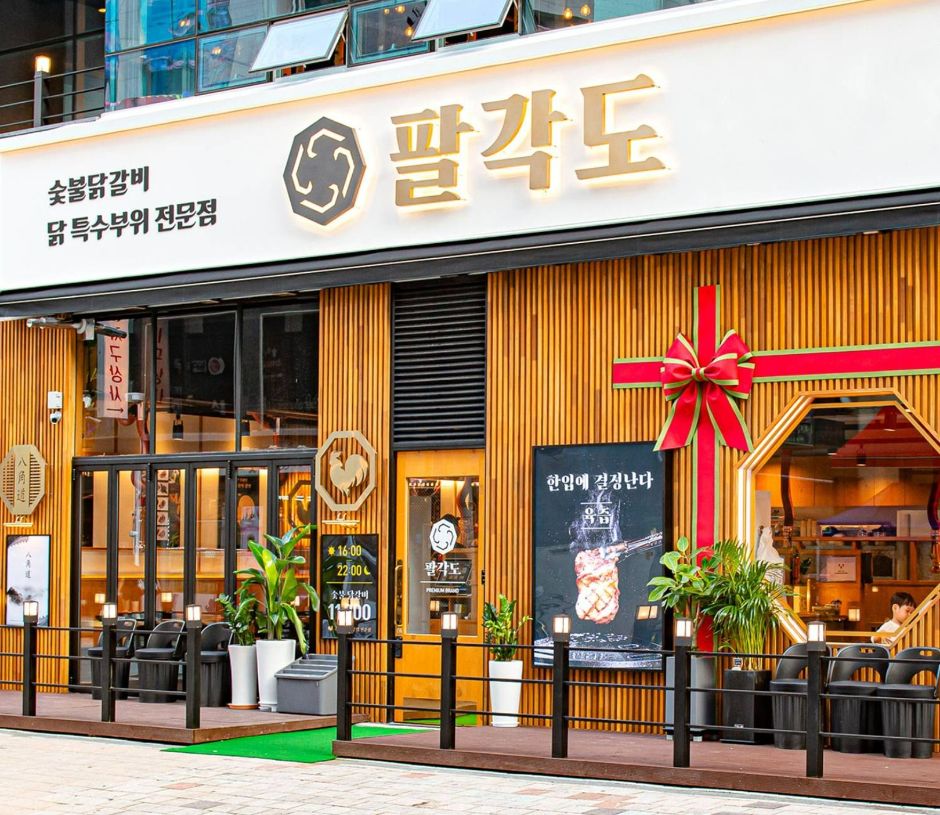
Palgakdo is a restaurant specializing in charcoal-grilled chicken cuts. The chicken is cooked over charcoal, making it tender and juicy. Visitors can try various chicken parts paired with delicious side dishes and sauces. The store’s unique interior, inspired by a pentagon theme, makes it a great place for dates and group gatherings.
Starbucks Byuldabang (스타벅스 별다방)
9.2Km 2024-12-27
100 Toegye-ro, Jung-gu, Seoul
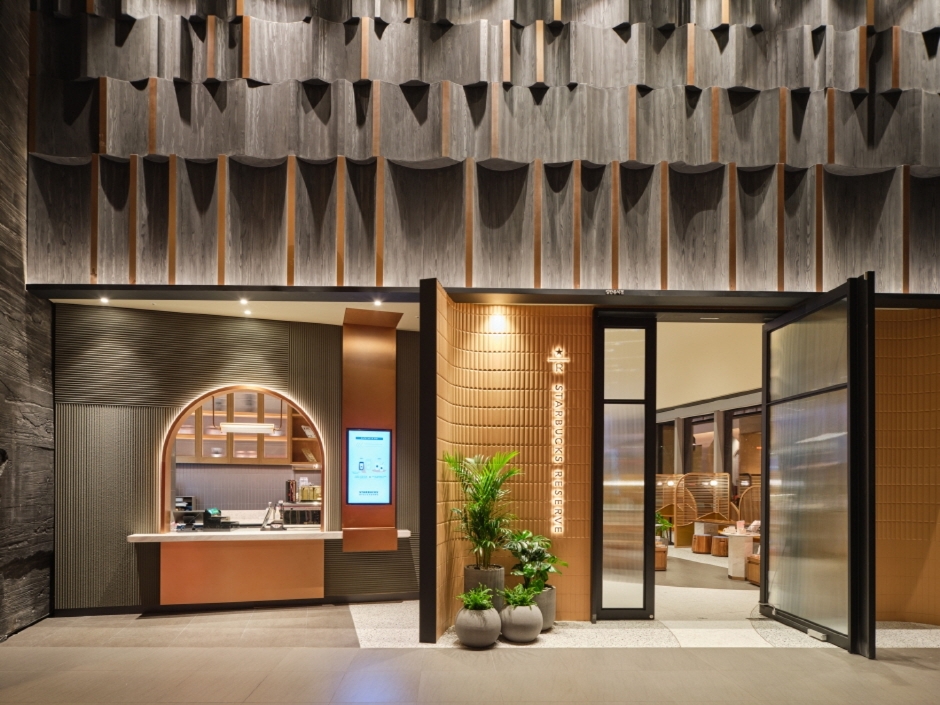
Byuldabang is a cozy space in the city, where the present and future of Starbucks coexist
Byuldabang is a special name. It combines the Korean words byul, which means stars, and dabang, which means a traditional space where people gather and talk over tea or drink. Byuldabang is the nickname Koreans generally use for Starbucks. Starbucks Byuldabang store opened in appreciation of customers of Starbucks Korea, celebrating its 22nd anniversary. This particular store is a Starbucks Reserve store with new concept food items, and is the first among Starbucks stores worldwide to have digital art wall decorations. The images projected to the art wall are “The Journey of Siren.” It is a surreal journey of Siren, who delivers coffee messages around the ocean, day and night. Customers love the story.
World Pansori Festival (월드판소리페스티벌)
9.2Km 2025-07-30
28 Toegye-ro 34-gil, Jung-gu, Seoul
+82-2-904-2835
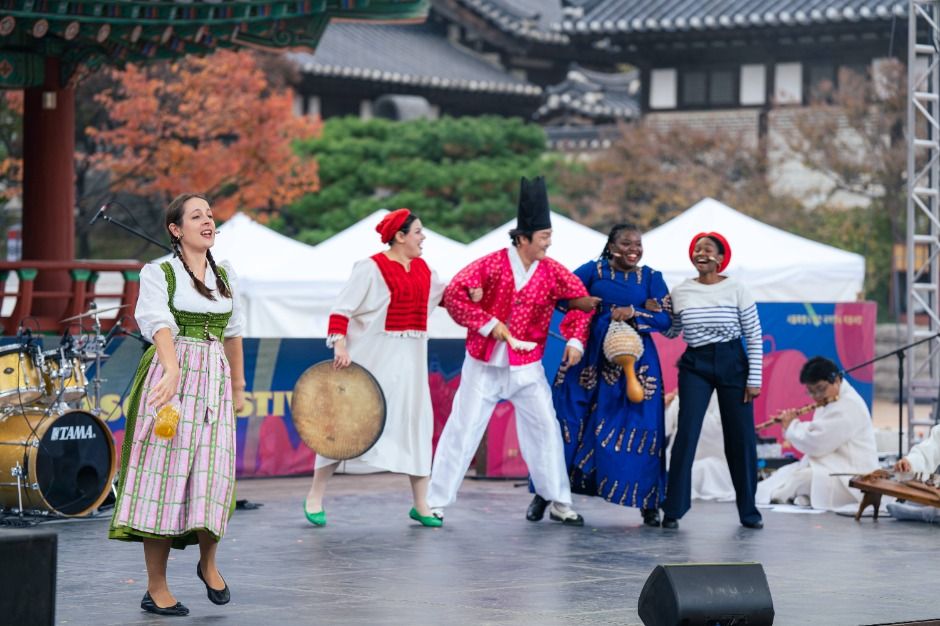
World Pansori Festival is an international music festival that aims to promote pansori, the traditional Korean epic chant, and its values. The festival consists of a variety of performances and concert programs based on its yearly theme. In addition, the festival also has interactive activities for the attendees, such as a free pansori lesson and arts-and-crafts, to make pansori and traditional Korean music more accessible to the public.
Myeongdong Guesthouse Como (명동게스트하우스 꼬모)
9.2Km 2024-12-23
12 , Toegye-ro 24-gil, Jung-gu, Seoul
+82-2-755-5437
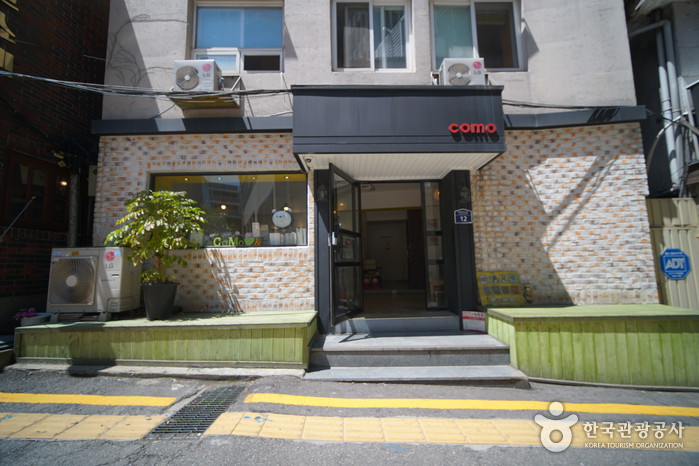
Como is a guesthouse in Jongno-gu, Seoul, just 3-minute’s walk away from Myeongdong Station on Line 4. Como is particularly popular with foreign travelers: staff are fluent in English and Chinese, and luggage storage is free of charge. Rooms come in different sizes to cater from single travelers to family groups, and all have a separate bathroom and toilet. Must-see local sights such as Namsan Seoul Tower, Sungnyemun Gate, and Namdaemun Market are easily reached by car or bus.

Geumdwaeji Sikdang (금돼지식당)
9.2Km 2025-10-28
149 Dasan-ro, Jung-gu, Seoul
Geumdwaeji Sikdang is renowned as one of the top three pork restaurants in Seoul, specializing in pork dishes. Its signature menu item is the nunkkon moksal (grilled pork shoulder), known for its marbled appearance resembling snowflakes. Bonsamgyeop (grilled bone-in pork belly) and deungmoksal (short loin and pork shoulder) are also popular choices. They offer fragrant basil wraps as a side dish, which perfectly complements the slightly grilled basil with the juicy and flavorful meat, creating a harmonious taste sensation that is considered a delicacy at this establishment.
Jangchung Gymnasium (장충체육관)
9.2Km 2024-03-12
241, Dongho-ro, Jung-gu, Seoul
+82-2-2128-2800
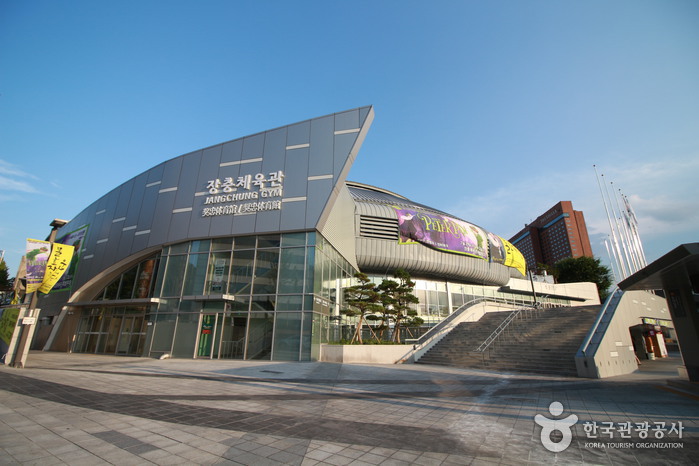
Jangchung Gymnasium is Korea's first domed gymnasium and opened in 1963. It was renovated in 2015 to become what it is today. It is famous for hosting the Korean Professional Volleyball League during the winter months. The gymnasium also boasts a variety of athletic competitions, cultural performances, and events. Nearby are Jangchungdan Park, Jangchung-dong Jokbal Street, and Dongdaemun Historical and Cultural Park, which are all worth exploring.
Ramada Hotel & Suites by Wyndham Seoul Namdaemun (라마다 호텔앤스위트 서울남대문)
9.2Km 2024-12-23
27 , Chilpae-ro, Jung-gu, Seoul
+82-2-775-7000
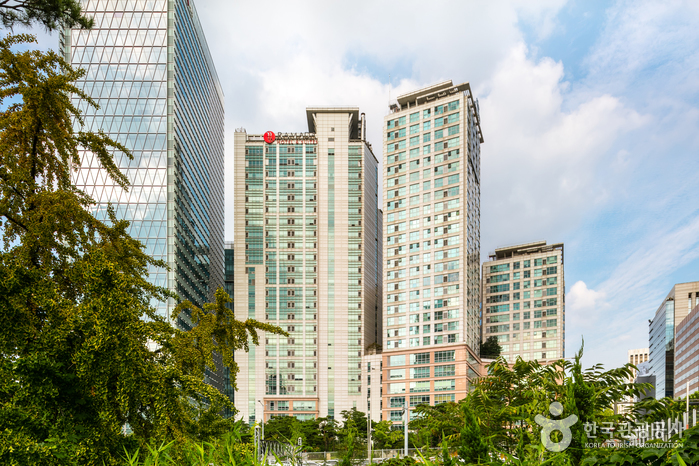
Ramada Hotel and Suites Namdaemun in Jung-gu, in the heart of Seoul,is famousd of for foreigner tourists and vacationers. Transport is convenient, with Seoul Station and City Hall Subway Station close by. Major Seoul tourist attractions such as Namdaemun Market, Myeong-dong, Gwanghwamun, and Deoksugung Palace are easily reachable on foot. A range of room types are offered, and additional facilities include a business center, restaurants, cafes, and an underground shopping mall. Dogs are allowed in rooms, but an extra cleaning fee is payable.
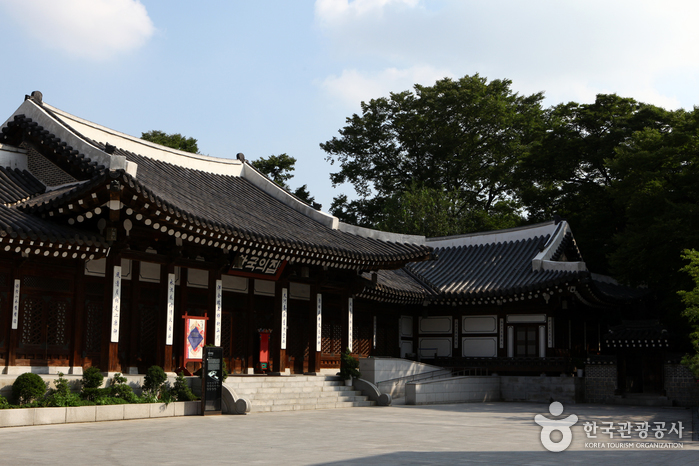
Korea House (한국의집)
9.2Km 2025-10-23
10, Toegye-ro 36-gil, Jung-gu, Seoul
The Korea House was opened in 1981. It is a traditional Korean building that introduces the culture and lifestyle of Koreans, where you can experience traditional architecture and a classical atmosphere. The building was built in the style of the Joseon Dynasty's Jagyeong-jeon building at the Gyeongbok Palace. It is the only building built in the traditional architectural style. You will feel its antiquity as you enter the building.
It is divided into the Haerin-gwan (a space for people to get acquainted with each other), the Traditional Theater, and three annex buildings (Munhyang-ru, Nokeum-jeong and Cheongwu-jeong). At Haerin-gwan, you can enjoy traditional music at Garak-dang and try traditional food at Sohwa-dang. In the square of Garak-dang you can view a traditional wedding (on the weekends) or people playing folk games. Also, at the Traditional Theater, about 156 seats are available, and in the afternoons Human Cultural Assets or members of the National Center for Korean Traditional Performing Arts and the National Corps members present traditional music and dances. Sinayui, Salpuri, Pansori, the Drum Dance and the Bongsan Mask Dance are the most popular programs for foreigners. The programs are all explained in English and Japanese.
In the Cultural Gift Shop you can view various crafts made by traditional craftsmen. It is always open and the crafts are for sale as well. There are pottery, ceramics, golden crafts, knots and embroidery etc; approximately 500 pieces of artwork made by craftsmen from 20 different fields. Next to the House of Korea is the Namsan-gol Hanok Village where visitors can explore traditional houses.
 English
 한국어
한국어 日本語
日本語 中文(简体)
 Deutsch
 Français
 Español
 Русский


