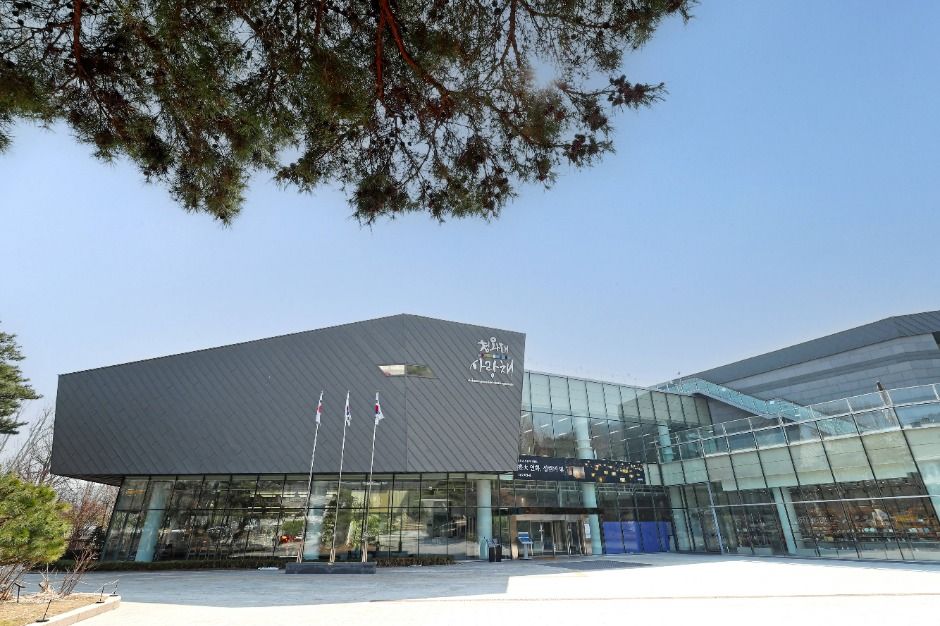
Cheongwadae Sarangchae (청와대사랑채)
707.5M 2025-08-20
45 Hyoja-ro 13-gil, Jongno-gu, Seoul
+82-2-723-0300
Cheongwadae Sarangchae is an “open cultural space” for everyone. Throughout the facility, travel library-themed spaces and tourism-related exhibitions are set up providing distinctive experiences for visitors interested in learning more about Korea. By exploring Cheongwadae Sarangchae and its surroundings, visitors can expand their discovery and get a deeper insight as they travel Korea. Cheongwadae Sarangchae consists of exhbition halls on the first and second floors, with convenient amenities such as a nursing room, storage lockers, accessible restrooms, a gift shop, and a cafe.

Samcheong Park (삼청공원)
707.7M 2024-03-18
44, Insadong-gil, Jongno-gu, Seoul
+82-2-2148-4150
Samcheong Park is a park that blooms in cherry blossoms in spring and fall colors in fall near Gyeongbokgung Palace. The park is home to a forest library and a café, and visitors can follow the trails to find acupressure trails, exercise equipment, badminton court, tennis court, playground, and a convenience store. The area surrounding the park is home to many galleries and restaurants, so it is a popular destination for walking among the people of Seoul.
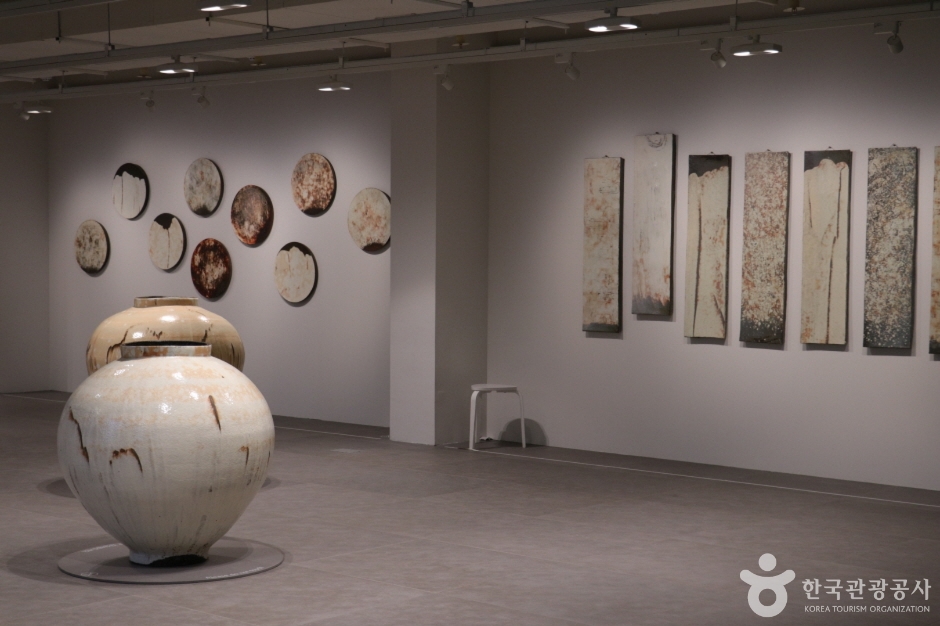
Seoul Museum of Craft Art (SeMoCA) (서울공예박물관)
734.2M 2025-06-19
4 Yulgok-ro 3-gil, Jongno-gu, Seoul
The Seoul Museum of Craft Art (SeMoCA), the first public museum of craft art in Korea, opened its doors in Anguk-dong, Jongno-gu, in July 2021 after renovating five buildings of the former Pungmoon Girls’ High School. SeMoCA studies and shares not only works, but also information, records, people, and environment related to craft art with the goal of becoming a dynamic platform for experiencing the technical, practical, artistic, and cultural values of craft.
SeMoCA holds a collection that comprises various crafts and craft materials covering multiple fields and eras from the traditional to the present. SeMoCA also holds exhibitions that feature the history of craft from traditional to contemporary art as well as local and children’s crafts, along with programs that utilize the museum’s craft installations, craft archives, craft library, and craft resource management system.
The site of the museum has deep historical roots as it is also the Andong Secondary Palace Site, where a detached palace was constructed as a royal residence for King Sejong’s son Prince Yeongeung, and served as a venue for royal celebrations, such as the wedding of King Sunjong. The site is also at the center of Jongno-gu, where Joseon-era master artisans (“gyeonggongjang”) of the royal palace produced and delivered craft works.
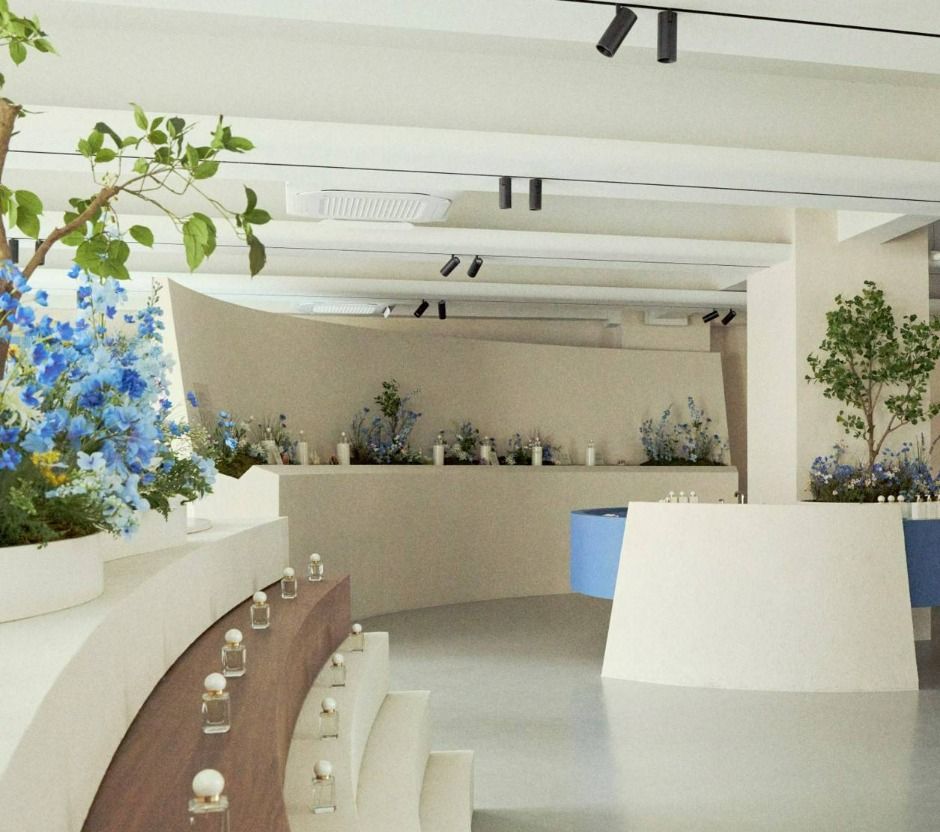
Matthew Chang Anguk (메튜장 안국)
745.9M 2025-07-14
33 Yulgok-ro, Jongno-gu, Seoul
Matthew Chang Anguk flagship store uses the whole space to bring the brand's philosophy to life through fragrance. Located in Anguk, the heart of Korea's tradition and aesthetics, the store's tranquil atmosphere sets the mood for visitors to try on and experiment with the brand's carefully selected perfume collection. The staff provides assistance in recommending the perfect scent according to visitor's preference, mood, and nostalgia. The store also has a section dedicated to body care products, such as hand wash and body lotion.
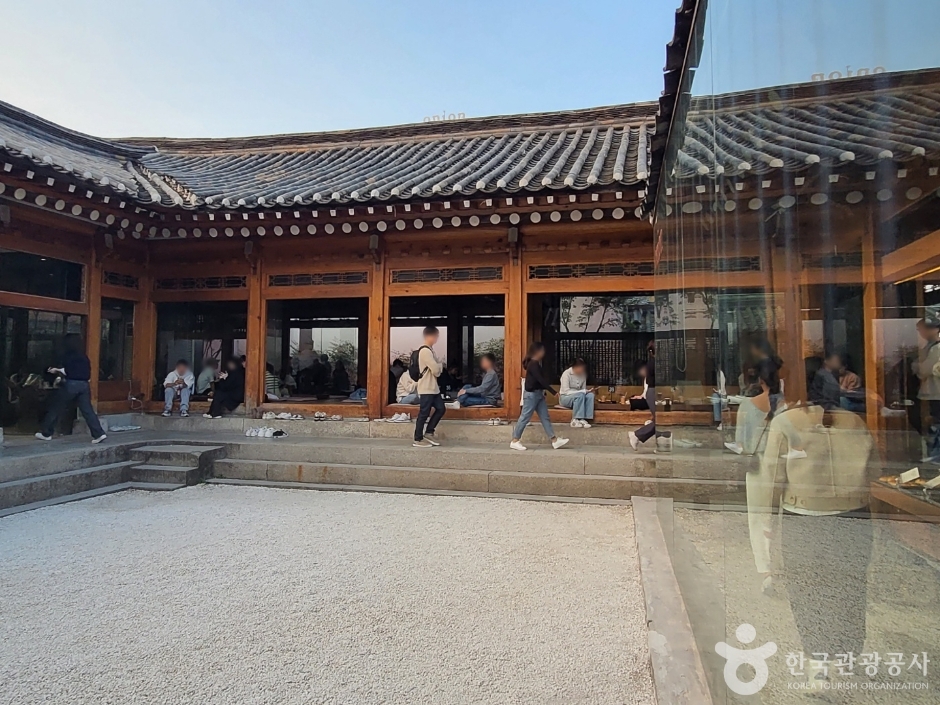
Onion Anguk Branch (어니언 안국)
756.0M 2024-02-20
5 Gyedong-gil, Jongno-gu, Seoul
Onion is a café situated in a hanok dating back to the 1920s. Renovated with careful preservation of the daecheongmaru and madang, the café offers a glimpse into traditional Korean architecture. The signature menu item is the vanilla bean latte, and popular desserts include pandoro and salty butter bread. Its proximity to nearby attractions such as Gyeongbokgung Palace, Changgyeonggung Palace, and Changdeokgung Palace makes it a convenient stop for those exploring Seoul's major palaces.
Gwanghwamun Gate (광화문)
764.0M 2024-12-04
161 Sajik-ro, Jongno-gu, Seoul
+82-2-3700-3900
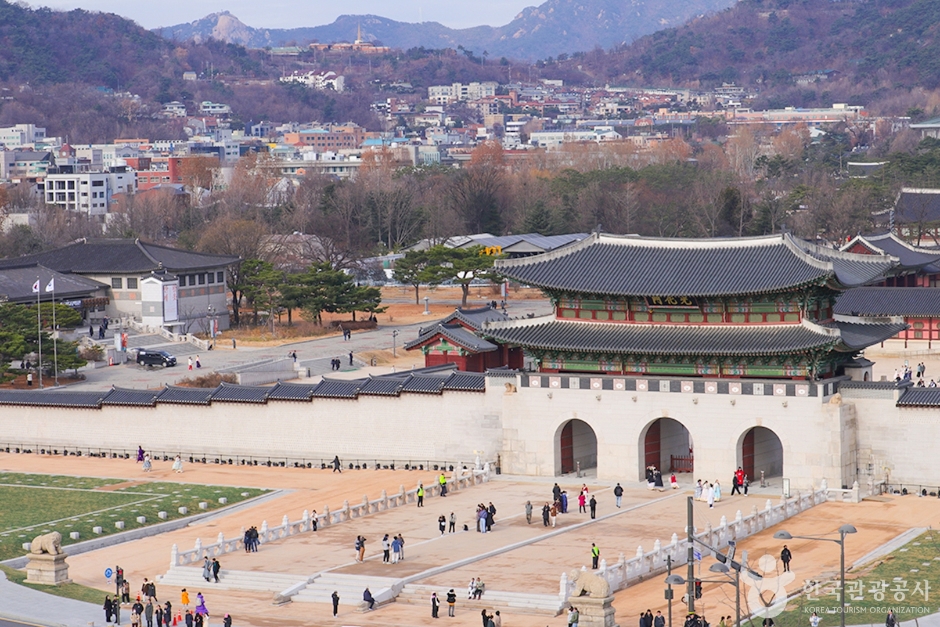
Built in 1395 under the reign of King Taejo, the first king of the Joseon dynasty, Gwanghwamun Gate is the southern gate of Gyeongbokgung Palace. It is also the main gate of the palace, therefore larger and fancier in comparison to the other gates. Gwanghwamun Gate consists of three arched gates; the center gate was used by the king, while the other two were used by the crown prince and royal officials. The tall granite walls of the gate serve as a platform for the wooden gate tower that watches over the city. The gate has a sign with its name written at the top center of the gate tower.
Gwanghwamun Gate went through several damages and restorations over the course of history. It was first severely damaged during the Imjin War (1592-1598) and was not restored until the reconstruction of Gyeongbokgung Palace in 1864. Under the Japanese administration, the gate was demolished and relocated to the north of the palace's eastern gate, followed by series of damages during the Korean War (1950-1953). In 1968, Gwanghwamun Gate was relocated back to the south of the palace and was rebuilt using concrete; however, the gate’s position was shifted a few meters away from its original location. In 2006, a major reconstruction project took place to restore Gwanghwamun Gate to its original state and location, disassembling the structure completely and replacing concrete with granite and wood. After three years and eight months of construction, Gwanghwamun Gate was fully restored to its original form and was open to the public on August 15, 2010.
Insa Art Space (인사미술공간)
775.1M 2021-02-26
89, Changdeokgung-gil, Jongno-gu, Seoul
+82-2-760-4722
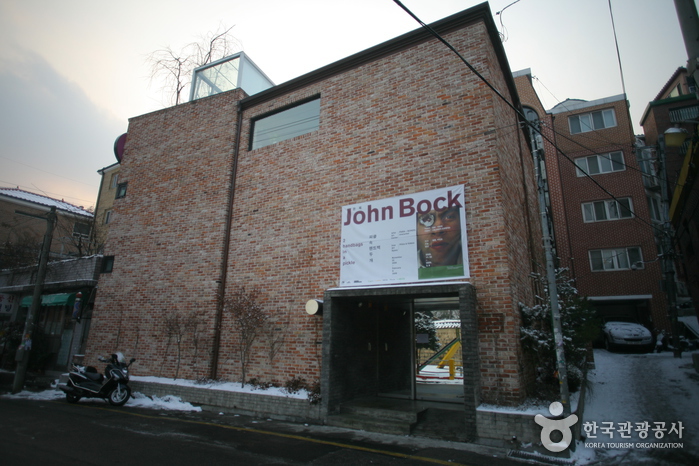
Insa Art Space was established in 2000 to support artists who are experiencing financial difficulties. In 2005, Art Space started to develop artistic projects and in 2006, the gallery began to provide project consultations, and publishing and marketing, to develop into a stronger self-sufficient gallery. Currently, the gallery provides special exhibitions for artists and independent curators.
Vestis - Gyeongbokgung Branch [Tax Refund Shop] (베스티스 경복궁)
789.4M 2024-04-18
1F, 17, Jahamun-ro 12-gil, Jongno-gu, Seoul
-
Insa-dong (인사동)
800.2M 2024-05-17
62, Insadong-gil, Jongno-gu, Seoul
+82-2-734-0222
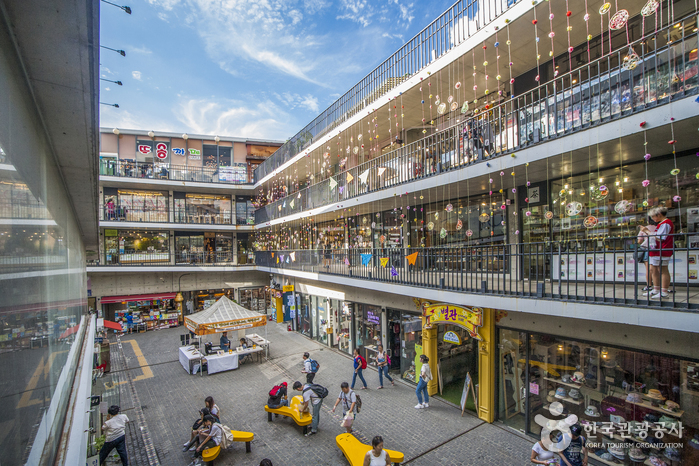
Insa-dong, located in the heart of the city, is an important place where old but precious traditional goods are on display. There is one main road in Insa-dong with alleys on each side. Within these alleys are galleries, traditional restaurants, teahouses, and cafes.
The galleries are the heartbeat of Insa-dong. There are about 100 galleries in the area offering every example of traditional Korean fine art from paintings to sculptures. The most famous galleries are Hakgojae Gallery, which functions as the center of folk art, Gana Art Gallery, which promotes many promising artists, and Gana Art Center.
The teahouses and restaurants are the perfect complement to the galleries. They are hidden deep within the twisting alleyways, making it feel like a treasure hunt. The shops in Insa-dong are very popular among all age groups, because each one is unique.
Every Saturday from 14:00 to 22:00 and Sunday from 10:00 to 22:00, the main street is blocked to vehicular traffic and it becomes a cultural space. Stores set up booths outside and Korean candy merchants and fortune teller stalls can easily be found; there are traditional performances and exhibits as well. Insa-dong is especially popular among international tourists. This is where they can experience and see traditional Korean culture first-hand, and also purchase pieces of fine art.
National Palace Museum of Korea (국립고궁박물관)
800.5M 2023-03-24
12, Hyoja-ro, Jongno-gu, Seoul
+82-2-3701-7500
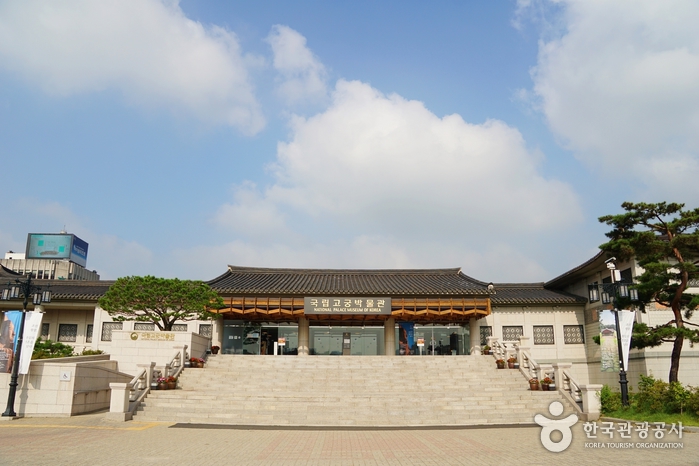
The National Palace Museum of Korea displays over 40,000 relics from the Joseon dynasty. With various treasures on exhibit, the museum continues to provide information on the dignity of royal culture and the creativity of royal cultural assets.
 English
 한국어
한국어 日本語
日本語 中文(简体)
 Deutsch
 Français
 Español
 Русский


