
KstarROAD 한류스타거리 (KstarROAD Hallyu Star Road)
5.8Km 2024-03-05
394, Apgujeong-dong, Gangnam-gu, Seoul
The K-Star ROAD is a place to meet the stories of celebrities who were at the forefront of the K-Wave phenomenon. The road features art toy statues inspired by K-Pop bands, such as SNSD, EXO, and TVXQ, while terminals next to shops help you find the fashion shops and restaurants frequented by celebrities. Moreover, the schools attended by the celebrities, houses in which they used to live, and other spots that capture their stories can also be found on this street.
![Bridge optical[Korea Quality]/브릿지안경[한국관광 품질인증]](http://tong.visitkorea.or.kr/cms/resource/41/2628341_image2_1.jpg)
Bridge optical[Korea Quality]/브릿지안경[한국관광 품질인증]
5.8Km 2024-06-25
132 , Apgujeong-ro, Gangnam-gu, Seoul
+82-2-543-6846
Bridge Optical is an eyewear store handling domestic and foreign brands and designer glasses. The store interior has a youthful, cafe-like feel and customers can freely browse and try on any frame displayed. Price tags are for frames plus 1.6 high index lenses. Bridge has a wide range of designer spectacles and sunglasses, as well as cases and other accessories. The store maintains a blog about new lines and events, so check the blog before visiting the store.
Some Sevit (세빛섬)
5.9Km 2022-12-16
2085-14, Olympic-daero, Seocho-gu, Seoul
+82-1566-3433
Some Sevit is a culture complex made up of three man-made floating islands near the southern end of Banpo Bridge. The islands were created with the theme of "flowers of the Hangang River" and represent the view, life, and the earth, as well as a flower in various stages of life. The largest island, 'Some Gavit' symbolizes the view and takes the form of a flower in full bloom. It is a multi-functional cultural facility that can be used as a venue for performances, international conferences, exhibitions, and more. The second island, 'Some Chavit' looks like a flower bud, an image of life. A range of cultural experiences and event zones including Beat Square, Youth Woods, and restaurants using 3D to bring themes to life are located here. The third and smallest island, 'Some Solvit' takes the form of a seed planted in the earth. This island has water sports facilities and an outdoor garden from which you may enjoy the picturesque scenery of the Hangang River. Around the floating islands are LED lights that create a fantastic night view under the theme of "a gleaming light in the mist."
DM Plastic Surgery (디엠성형외과)
5.9Km 2025-12-09
(2nd Floor), 158 Apgujeong-ro, Gangnam-gu, Seoul
DM Plastic Surgery is a clinic run by a doctor from Yonsei University College of Medicine, the first university in Korea to establish a plastic surgery department.
As a former professor of plastic surgery at Severance Hospital of Yonsei University College of Medicine for 16 years and a board member of the Korean Society of Plastic and Reconstructive Surgeons, the chief director of DM is always striving to be a model in the medical industry. We promise to spare no effort, guided by the tenet of diligence and sincerity, to advance plastic surgery technology in Korea and to fulfill our responsibilities as plastic surgeons.
Hyosajeong Pavilion (효사정)
5.9Km 2025-01-13
55, Hyeonchung-ro, Dongjak-gu, Seoul
+82-2-820-9848
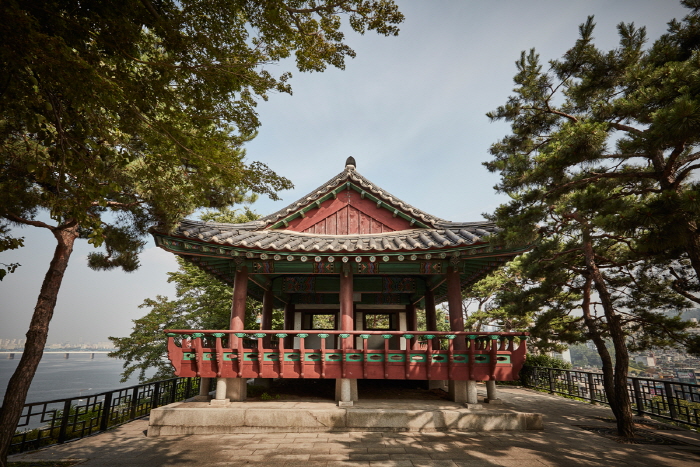
Hyosajeong Pavilion is where Nohan, the second vice premier of the Joseon dynasty during King Sejong and King Sejo’s reign, stayed. After he lost his mother, he built the pavilion to mourn at her grave while still being able to see his father’s grave in Gaeseong to the North. His brother-in-law, then Minister of the Interior, Gang Sa-deok named the pavilion “Hyosajeong,” which means pavilion of filial piety.
In order to find the original location of the pavilion, poems by Jeong Inji and Seo Geojeong and an old map of Korea were referenced, but the pavilion was not found because the surrounding landscape had changed too much. As a result, a location was selected and the pavilion was reconstructed at its current location. The house is 3 kan* in the front and 2 kan* on the side. The roof is a hip-and-gable roof. The pavilion has one room with under floor heating and a railing around the pavilion
(* kan: a traditional measurement that corresponds to the space between two columns)
Mo & Bless Clinic (모앤블레스의원)
6.0Km 2025-10-23
2nd Floor, 208 Apgujeong-ro, Gangnam-gu, Seoul
We provide meticulous care services for each person based on the principle of 'polarity' of Mo & Bless.
It is a reliable hospital with a high introduction rate that introduces people around them as well as their families because they are moved by the treatment.
As such, it is a reliable hospital with high satisfaction from patients who have visited the hospital proven through constant introduction.
The Riverside Hotel (더 리버사이드 호텔)
6.0Km 2024-05-09
6, Gangnam-daero 107-gil, Seocho-gu, Seoul
+82-2-6710-1105
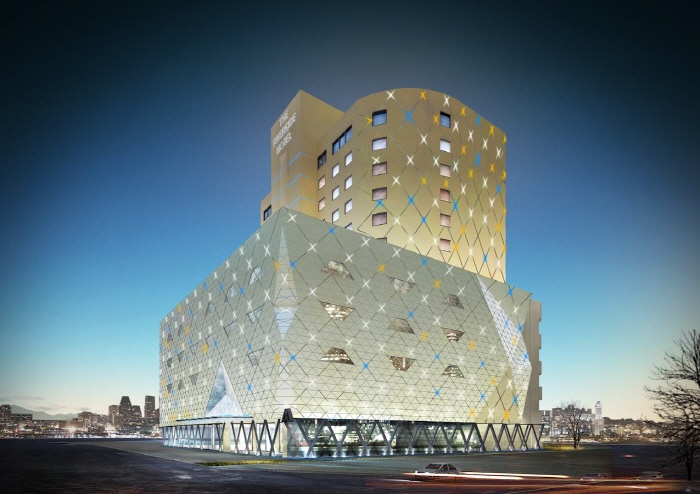
Located in Jamwon-dong, the transportation hub of Seoul and the center of the Gangnam business area, The Riverside Hotel has outstanding views of the Hangang River and downtown Seoul. The hotel is located a convenient 5-minute walk from Sinsa Station (Subway Line 3). At The Riverside Hotel, guests can enjoy dining, leisure, and culture.
All guestrooms look out on the magnificent nightscape of the Hangang River. Subsidiary facilities include a conference and wedding hall, a top-quality Japanese restaurant, a custom-tailored fitness system, a luxurious spa, an indoor driving range, 24-hour interpretation service, and customer service provided by English and Japanese speaking staff. The beautiful interior decorations and comfort items make a stay in The Riverside Hotel feel like home, perfect for business travelers.
Bamseom Island (Ecosystem Conservation Area) (밤섬 생태경관 보전지역)
6.0Km 2025-04-29
Yeouido-dong, Yeongdeungpo-gu, Seoul
+82-2-3780-0793
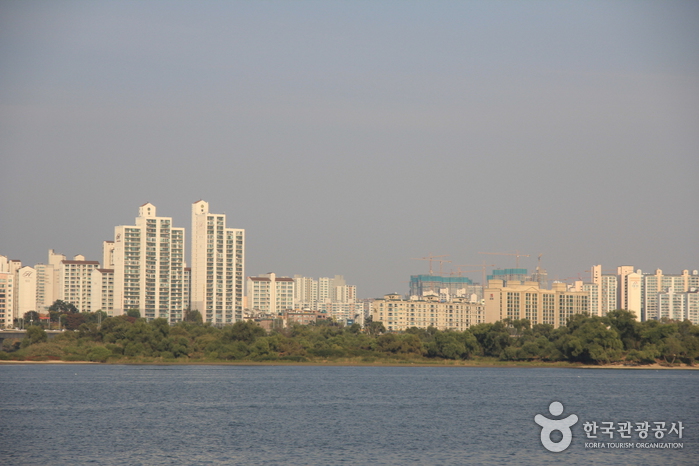
Located at the Hangang River, Bamseom Island derives its name from its chestnut-like shape (bam in Korean). The island was designated as an Ecosystem Conservation Area by the Seoul Metropolitan Government in 1999 and was later recognized as Ramsar Wetland in 2012. Now an uninhabited island, Bamseom Island was once home to around 443 people, who were relocated after the island was exploded as part of the Yeouido Development Project. Today, it is known as a habitat for numerous migratory birds and plant species. People can enjoy views of the Island from Bamseom Park.
Sinsa-dong Garosu-gil Road (신사동 가로수길)
6.0Km 2024-12-02
Sinsa-dong, Gangnam-gu, Seoul
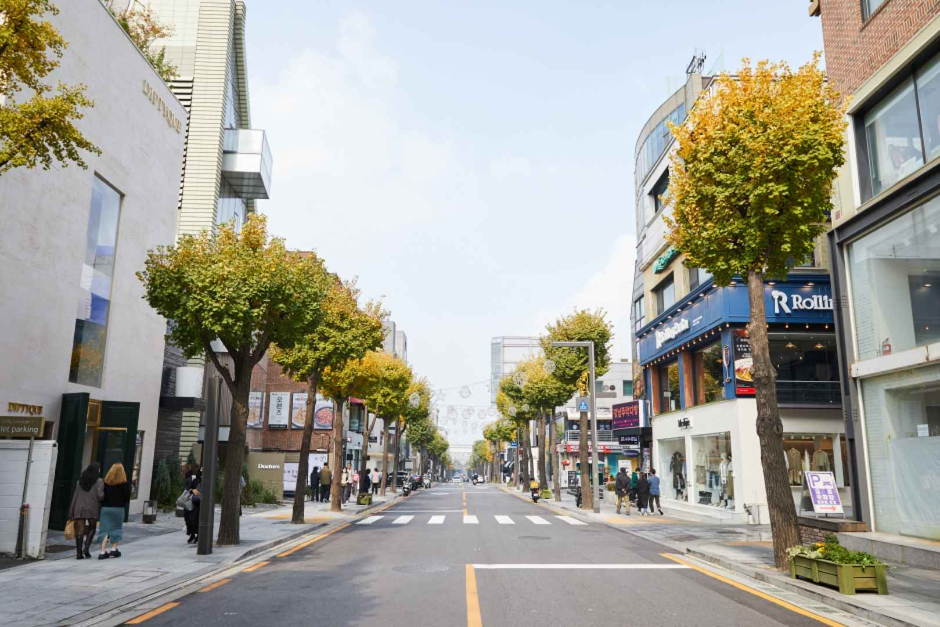
The ginkgo tree-lined street (Sinsa-dong Garosu-gil) that runs from Sinsa Station (Subway Line 3) to Hyeondae High School is a popular, upscale street in Seoul. The street (also known as ‘artists' street’) has an eccentric flair thanks to its variety of charmingly decorated coffee shops, and designer stores. Garosu-gil is particularly popular in autumn when the golden ginkgo leaves begin to fall. Furthermore, with continous popularity, it has become one of the most attractive film locations in the city.
 English
 한국어
한국어 日本語
日本語 中文(简体)
 Deutsch
 Français
 Español
 Русский


