
Jeongdong Theater (국립 정동극장)
407.9M 2024-06-19
43 Jeongdong-gil, Jung-gu, Seoul
Jeongdong Theater is located along Deoksugung Stone Wall Path and serves as a cultural hub for local citizens. Opened in 1995, Jeongdong Theater is historically significant as it was established to restitute the legacy of Wongaksa, the first modern theater in Korea. Jeongdong Theater features numerous critically-acclaimed productions, such as “Traditional Art Performance,” “Masters Exhibition,” and “Art Frontier,” as well as programs like “Art Stage at Noon” that are geared toward the general public. As a result, Jeongdong Theater has become one of Korea's representative traditional arts performance theaters and was designated as a Seoul Future Heritage in 2015.
The theater successfully held the performance “Miso” in 2010, featuring the traditional musical "Love Songs from Chunhyang," written and created by Jeongdong Theater. The musical attracted many international visitors from all over the world, passing on Korean cultural values and beauty, as well as gaining the attention of critics worldwide. In addition, the theater also produced "The 2nd Story of Miso: Baebijang-jeon," offering a modern interpretation of the fundamental values found in Korea's culture and art.
Seoul Metropolitan Library (서울도서관)
419.1M 2022-12-14
110, Sejong-daero, Jung-gu, Seoul
Seoul Library provides access to a wide range of documents and materials about Seoul Metropolitan City. Visitors will find diverse resources related to the city including history, culture, urban planning, transportation, environmental issues, administration, reports on outbound visitors, research documents, video clips, and e-data.
Bank of Korea Money Museum (화폐박물관)
420.4M 2024-03-18
39 Namdaemun-ro, Jung-gu, Seoul
This Renaissance-style three-story stone building is the museum of the Bank of Korea. The older Bank of Korea was established as the central bank of the Korean Empire in 1909 and has been designated as a National Historical Site. During the Japanese colonial period, the bank was renamed the Bank of Joseon, and the building was used as the main and head office of the Bank of Korea until 2001. The building has been used as the nation’s Money Museum since June 2001 in celebration of the 50th anniversary of the Bank of Korea. The museum has 13 exhibition rooms on two floors, with one basement floor and two above-ground floors. It holds special exhibitions of various currency and art collections to provide domestic and foreign visitors with the opportunity to enjoy the history and culture of currency. Visitors can learn about the Bank of Korea and the central banking system, as well as how to identify counterfeit notes and how money is produced and circulated. It is also a good place for children to learn about currencies from around the world. Advance reservations are required, and parking is not available. The museum can easily be reached via subway by getting off at Hoehyeon Station (Seoul Subway Line 4) and exiting through Exit 7.
Jungmyeongjeon Hall (중명전)
482.9M 2025-01-09
41-11, Jeongdong-gil, Jung-gu, Seoul
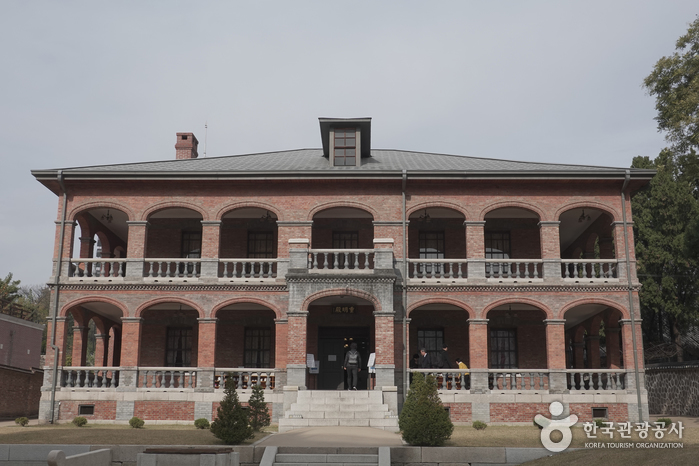
Located near Deoksugung Palace, Jungmyeongjeon Hall is a red-brick modern Western-style building. It was built in 1899 as the imperial library of the Korean Empire. After Deoksugung Palace caught on fire in 1904, the place became the temporary residence of Emperor Gojong. It also witnessed the tragic part of history in which the infamous Eulsa Treaty (Japan-Korea Protectorate Treaty), an illegal treaty forced by Japan, was signed in 1905. Its exhibition hall serves as a place for historical education.
Ramada Hotel & Suites by Wyndham Seoul Namdaemun (라마다 호텔앤스위트 서울남대문)
486.7M 2024-12-23
27 , Chilpae-ro, Jung-gu, Seoul
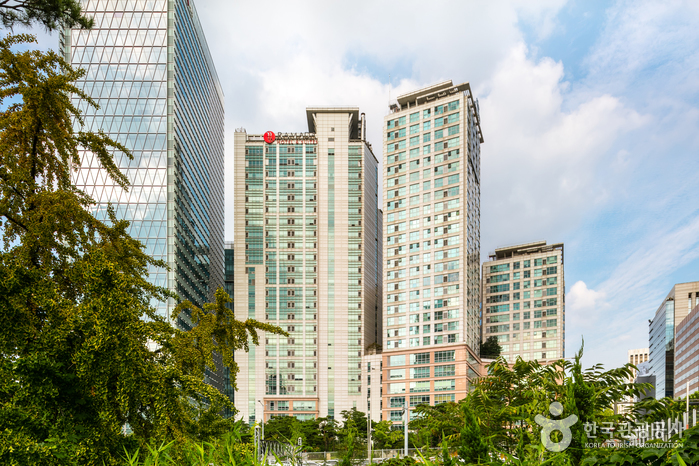
Ramada Hotel and Suites Namdaemun in Jung-gu, in the heart of Seoul,is famousd of for foreigner tourists and vacationers. Transport is convenient, with Seoul Station and City Hall Subway Station close by. Major Seoul tourist attractions such as Namdaemun Market, Myeong-dong, Gwanghwamun, and Deoksugung Palace are easily reachable on foot. A range of room types are offered, and additional facilities include a business center, restaurants, cafes, and an underground shopping mall. Dogs are allowed in rooms, but an extra cleaning fee is payable.
Shinsegae Department Store - Main Store (신세계백화점 (본점))
502.6M 2025-04-07
63 Sogong-ro, Jung-gu, Seoul
Shinsegae Department Store opened its doors as the first modern department store in the country in 1960. It stands where Korea's first department store, the Japanese Misreukkosi Department Store, used to be in the 1930s. After undergoing remodeling in 2007, it reopened as a luxury hall, featuring diverse brands ranging from the top three international luxury brands to new designer brands. In addition, the Trinity Gardens and art halls in the department store serve as a cultural space for a shopping experience that combines art and shopping.
Ewha Centennial Hall (이화여고100주년기념관)
508.1M 2024-02-20
26 Jeongdong-gil, Jung-gu, Seoul
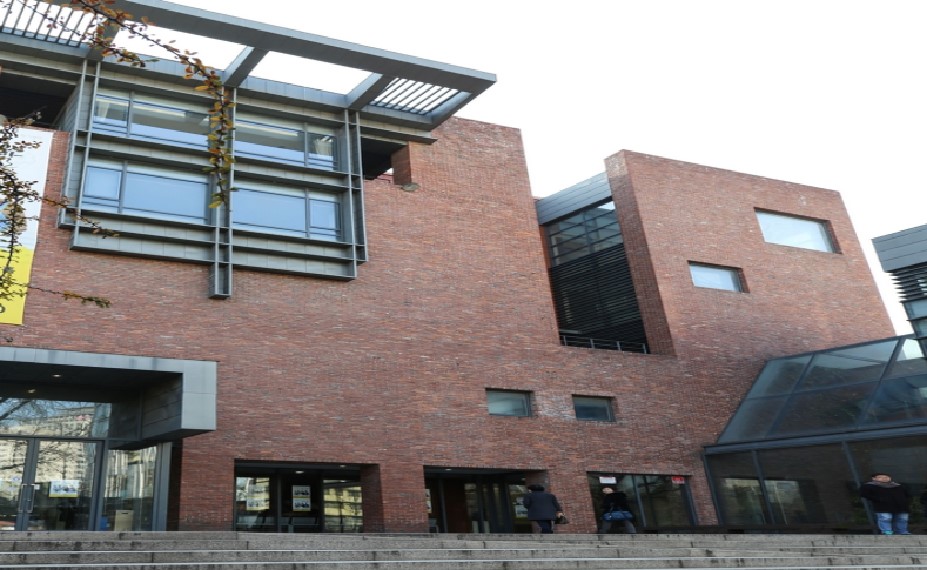
Ewha Centennial Hall is a multimedia education center located next to Ewha Girls' High School. Spanning underground and five above-ground floors, it features a gallery, a cafe, music rooms, individual practice rooms, and audio-visual rooms. The Hwaham Hall on the first and second floors is utilized for performances such as musicals and concerts, as well as educational events.
Luii (루이)
556.0M 2024-07-17
40, Sejong-daero 21-gil, Jung-gu, Seoul
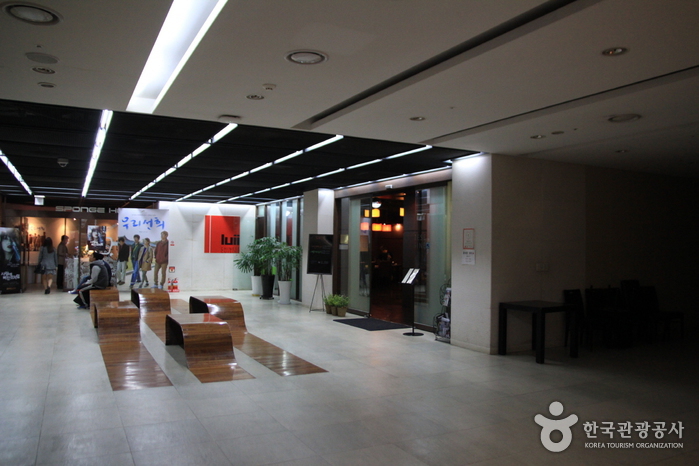
Luii is a Chinese restaurant operated by a veteran chef with extensive experience in Chinese cuisine. The restaurant has several rooms of different sizes to accommodate various events. It also has a VIP room for more private gatherings.
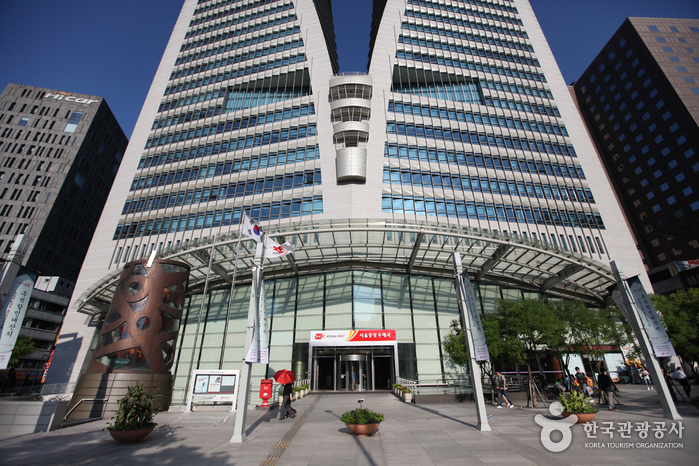
Korea Postage Stamp Museum (우표박물관(구.우표문화누리))
575.8M 2024-03-06
B2, 70, Sogong-ro, Jung-gu, Seoul
The Korea Postage Stamp Museum was established to promote stamp culture. Here, visitors can explore the history of stamps throughout the ages, with a wide variety of subjects and types. Its main facilities include Postal Service History, Hands-on Postage Stamp Experience, Informative Postage Stamps, and Philately Classroom. Reservations are required for weekend tours and can be made on the website.
 English
 한국어
한국어 日本語
日本語 中文(简体)
 Deutsch
 Français
 Español
 Русский


