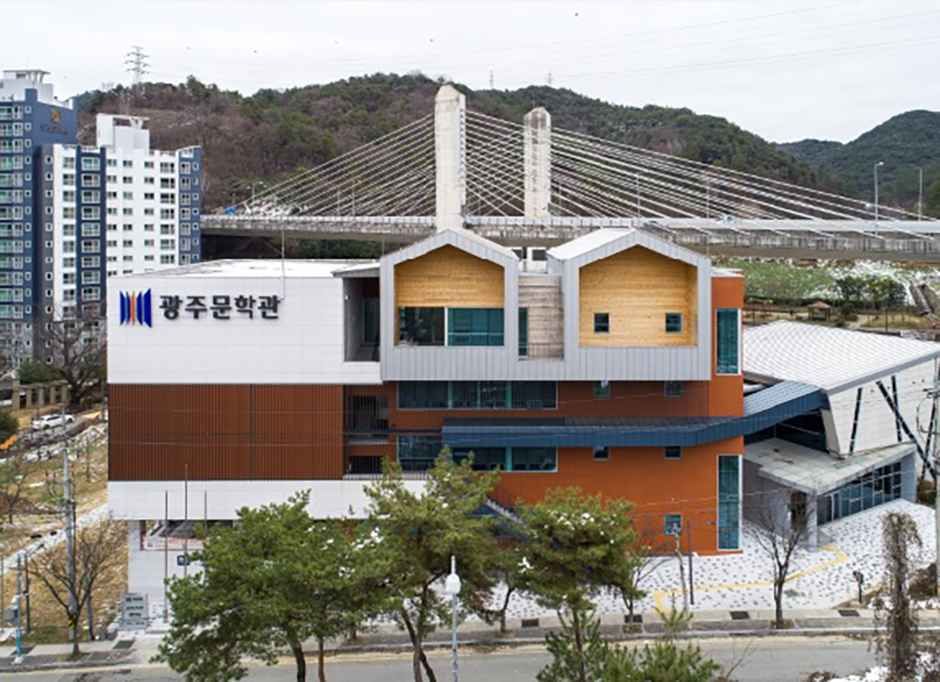
Museum of Gwangju Literature (광주문학관)
6.2Km 2024-11-20
93 Gakhwa-daero, Buk-gu, Gwangju
The Museum of Gwangju Literature offers a journey through Gwangju’s rich literary heritage, spanning from ancient times to the present day. Visitors can delve into the literature from the Mahan period, explore works from the 1920s and '30s tied to the national independence movement, and discover works from the 1980s that marked the beginning of the modern poetry movement. The permanent exhibition provides a chronological journey through the local literature of Gwangju. The museum also holds various programs for visitors.
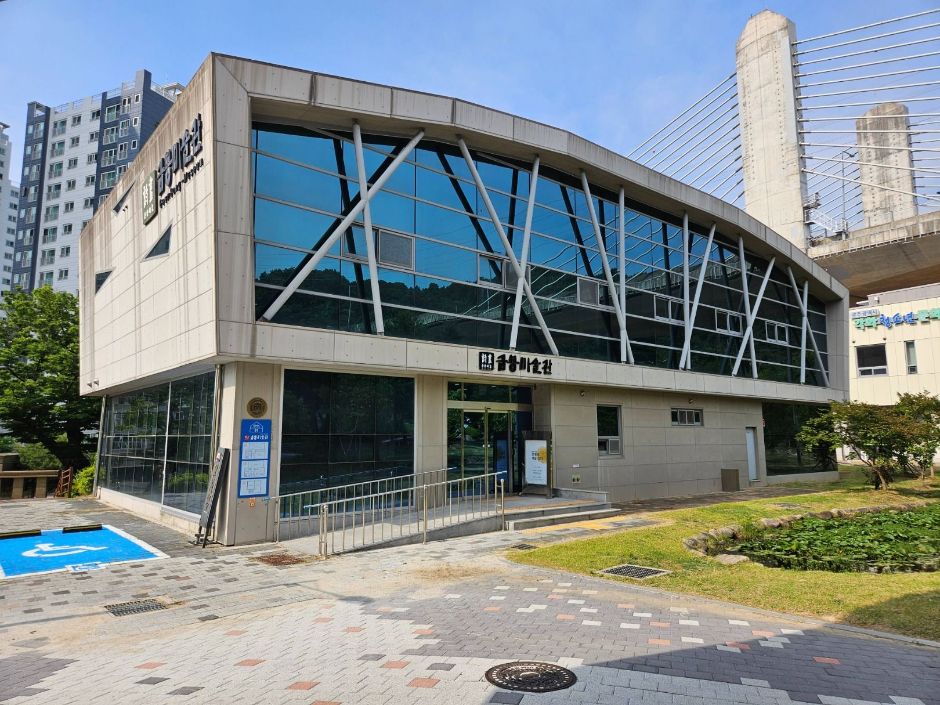
GeumBong-Museum (시화문화마을 금봉미술관)
6.2Km 2024-12-17
91 Gakhwa-daero, Buk-gu, Gwangju
Opened in 2015, GeumBong-Museum has 291 art works of painter Park HaengBo. The museum also has various contemporary art works to further spread the knowledge of both traditional and contemporary art. It offer classes and exhibition to support the local art culture.
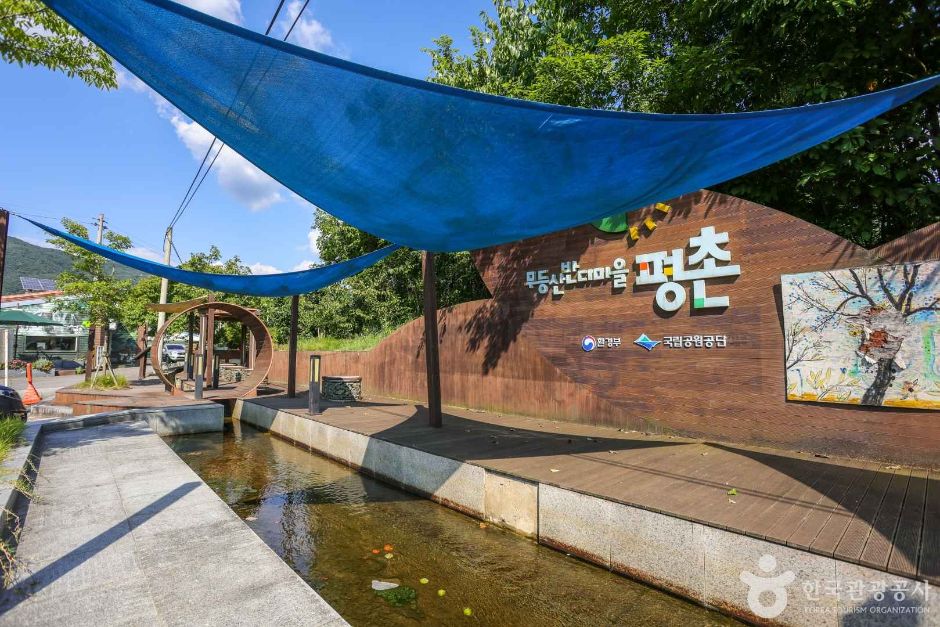
Gwangju Pyeongchon Village (광주 평촌마을)
6.3Km 2025-08-12
15 Pyeongchon-gil, Buk-gu, Gwangju
+82-62-266-2287
Gwangju Pyeongchon Village, located north of Mudeungsan Mountain, is a cozy farming village made up of four villages Dongrim, Daman, Woosung, and Dangmoe. The village still has an excellence natural preservation, growing environmental-friendly rice in the fields and Punamcheon stream that runs through the middle of the village is home to fireflies and otters. The village also keeps the tradition of making pottery as the village was the place that made grayish-blue-powdered celadon during the Joseon dynasty. The village street corner offers visitors to Mudeungsan Mountain a place to rest with Mudol-gil shelter and Bandi lodging.
![Gwangju IAM Guest House [Korea Quality] / 아이엠게스트하우스 [한국관광 품질인증]](http://tong.visitkorea.or.kr/cms/resource/52/2017452_image2_1.JPG)
Gwangju IAM Guest House [Korea Quality] / 아이엠게스트하우스 [한국관광 품질인증]
6.5Km 2024-07-24
23 , Gyeongyang-ro 165beon-gil, Buk-gu, Gwangju
+82-62-528-0012
The cozy and clean I Am Guesthouse in Gwangju, Jeollanam-do, stands right opposite Gwangju station. The guesthouse offers free Korean breakfast and brunch, there’s a personal locker for valuables and a powder room for female travelers. The location is convenient for sightseeing, with Mudeungsan Mountain nearby, and visitors can taste tteokgalbi and other delights of Namdo cuisine in local restaurants.
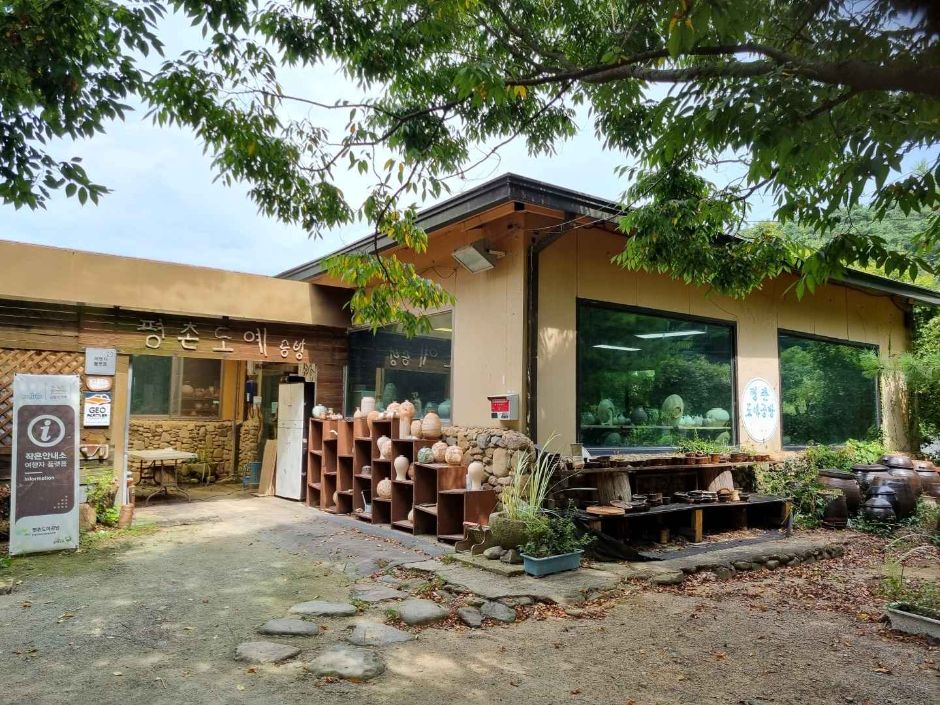
Pyeongchon Ceramics Workshop (평촌도예공방)
6.6Km 2024-11-14
77 Damanpyeongmu-gil, Buk-gu, Gwangju
The Pyeongchon Ceramics Workshop keeps the spirit of traditional Korean Buncheong pottery alive by offering an experiential learning space and hands-on programs that blend classic Korean and contemporary styles. Visitors can create unique pieces that capture the rustic beauty of tradition while keeping the modern flair.
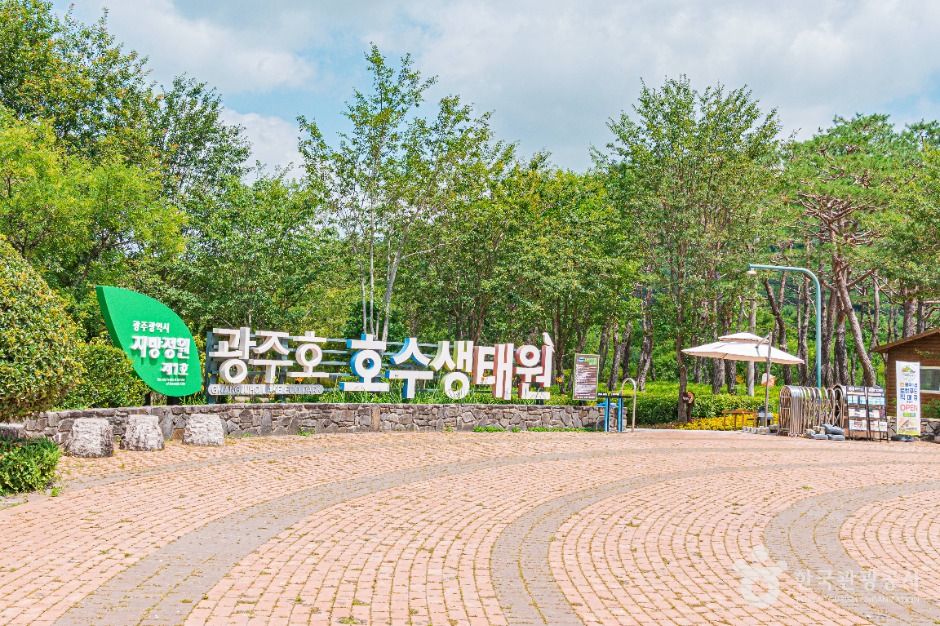
Gwangjuho Lake Eco Park (광주호 호수생태원)
6.6Km 2025-08-12
Chunghyo-dong, Buk-gu, Gwangju
+82-62-613-7891
Gwangjuho Lake Eco Park is an ecological park located near the banks of Gwangjuho Lake, featuring a Nature Observation Center, Nature Learning Center, Lawn Area, and Waterside Wetland. The park is home to around 170,000 wildflowers and over 3,000 trees, offering opportunities to observe various flora and fauna up close. Visitors can witness diverse birds thriving in the wetlands.

Street of Duck Stew (오리요리의 거리)
6.8Km 2025-08-06
125 Gyeongyang-ro, Buk-gu, Gwangju
The Street of Duck Stew in Gwangju is lined with restaurants specializing in duck dishes. Its origins trace back to the 1970s, when a duck farmer began selling duck stew, adding their own twist by incorporating water parsley and perilla seeds to the recipe they had learned. The affordable price and clean, rich taste of stew made it popular among visitors, eventually leading to the formation of the current street. The popular dishes include ori tang (duck stew), ori roseu (grilled duck), and ori jumulleok (spicy stir-fried marinated duck).
Hwanbyeokdang Pavilion (환벽당)
7.0Km 2023-01-25
10, Hwanbyeokdang-gil, Buk-gu, Gwangju
+82-62-510-1500
Hwanbyeokdang Pavilion was built by Yeongcheonja Sinjam and was also called Byeokgandang, which is recorded in Go Gyeong-myeong's Yuseoseongnok. The building has a hipped-and-gabled roof with three bays in the front space and two bays in the inside space. It is a modified form in which the two rooms in the middle are used as rooms, and the front and right sides are floors. Originally, it was a traditional pavilion, but it seems to have changed to its current form as it was expanded later. A tablet written by Uam Song Si-yeol hangs here, and the poems of Seokcheon Im Eok-ryeong and Jo Ja-i are on a signboard. There are two poems written by Jeong Cheol about Hwanbyeokdang Pavilion, which are published in Songgangsokjip and Gwangjumokji. Jeong Cheol's 4th-generation descendant Jeong Su-hwan bought it from Kim Yun-je's descendants, and Yeon Il-jeong's family is currently managing it.
Soswaewon Garden (담양 소쇄원)
7.2Km 2023-01-04
17, Soswaewon-gil, Damyang-gun, Jeollanam-do
+82-61-381-0115
Soswaewon Garden is a private garden from the Joseon period where Korea's traditional beauty is preserved. It was built by Yang San-Bo (1503-1557) after he gave up his success when his mentor Jo Gwang-Jo (1482-1519) was killed during political strife. Soswaewon Garden presents itself as a clean and transparent garden where the righteous enjoy the life of anbinnakdo (being comfortable amid poverty and taking pleasure in an honest lifestyle) surrounded by a bamboo grove.
Including peach trees, various kinds of trees and grass are planted on both sides of the stream while clear water flows down the foot of the garden walls. The log bridge above the valley adds to the charm of the scenery. The harmony between nature and the artificial waterfall is a sight to behold. Soswaewon Garden is 150 meters away from the main road. Passing through the thick bamboo forest, you will find the small valley and Soswaewon Garden on your left.
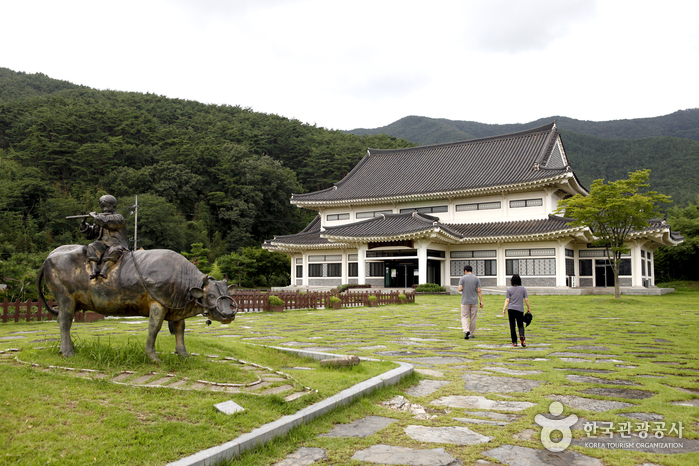
Korea Gasa Literature Collection (한국가사문학관)
7.3Km 2021-09-07
877, Gasamunhak-ro, Damyang-gun, Jeollanam-do
+82-61-380-2701
The Gasa Literature Collection was completed in October 2000 and is located in Damyang, Jeollanam-do, an area which is famous for its fertile land and rich historical heritage. Apart from the main building, additional buildings include a souvenir shop, and traditional tea house. In the museum, historical literature such as “Myeonangjip” (a collection of Gasa poems by Song Sun) and “Songgangjip,” (a collection of Gasa poems by Jeong Cheol) are on display. There are 11,461 artifacts and literature on Gasa culture, 18 Gasa works, and 15,000 books about Gasa.
 English
 한국어
한국어 日本語
日本語 中文(简体)
 Deutsch
 Français
 Español
 Русский


