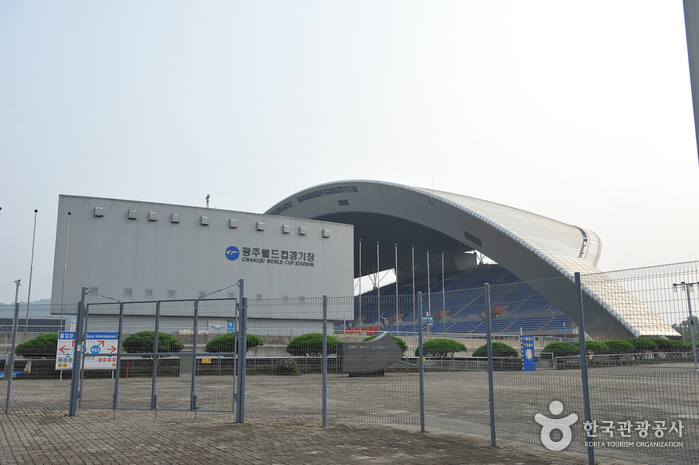
Gwangju World Cup Stadium (광주월드컵경기장)
17.2Km 2021-06-11
240, Geumhwa-ro, Seo-gu, Gwangju
+82-62-604-2002
Gwangju World Cup Stadium is a major symbol of Gwangju. Designed to reflect the notion of ‘spreading far and wide’ the exterior is shaped like spokes of a wheel. When lit up, the stadium looks like a glowing dome. The ceiling and large ‘Y’-shaped pillars resemble a ‘Go,’ an instrument used in a traditional game from Gwangju, Gossaumnori. These architectural features were designed to capture and reflect the traditional aspects of Gwangju. The soccer stadium can accommodate up to 40,000 people at once and has many subsidiary facilities, including media center, athlete waiting room, medical care facilities, and more.
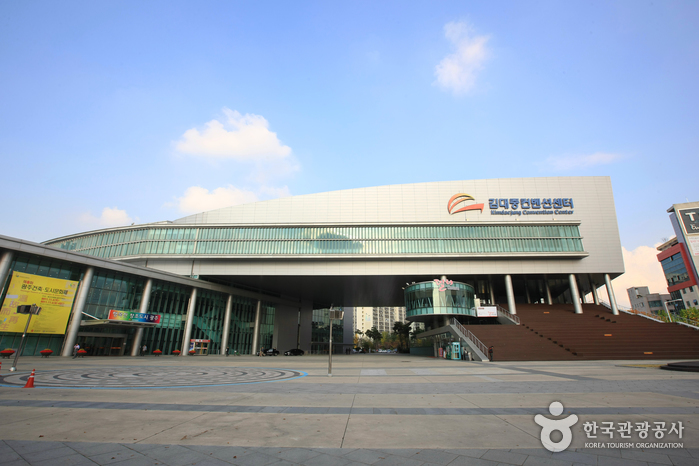
Kimdaejung Convention Center (김대중컨벤션센터)
17.3Km 2025-01-07
30, Sangmunuri-ro, Seo-gu, Gwangju
+82-62-611-2000
Kimdaejung Convention Center is a state-of-the-art facility in Gwangju, a city with rich cultural heritage and tourism resources. It was built as part of the efforts to promote Gwangju’s competitiveness as a main trade city in northeast Asia to boost local economy and, particularly, tourism resources. The center has served as a main venue for international meetings and exchanges (concerning products, information, culture, and technologies), significantly improving Gwangju’s image. Outstanding services, professional staff, and diverse amenities will make any meeting at Kimdaejung Convention Center pleasant and successful.

Sunchang Jangnyu Experience Center (순창장류체험관)
17.4Km 2024-04-07
55, Minsokmaeul-gil, Sunchang-gun, Jeonbuk-do
+82-63-650-5432
Located in front of the Traditional Gochujang Folk Village in Sunchang, Jeollabuk-do, Sunchang Jangnyu Experience Center offers visitors the opportunity to sample and make delicious dishes using Sunchang's famous gochujang (red pepper paste). Visitors can make refined gochujang using traditional methods, along with a variety of other popular dishes such as injeolmi (rice cake coated with powdered soybeans) and twibap (popped rice snack). In addition to a range of experience programs, clean accommodation facilities are also available for program participants.
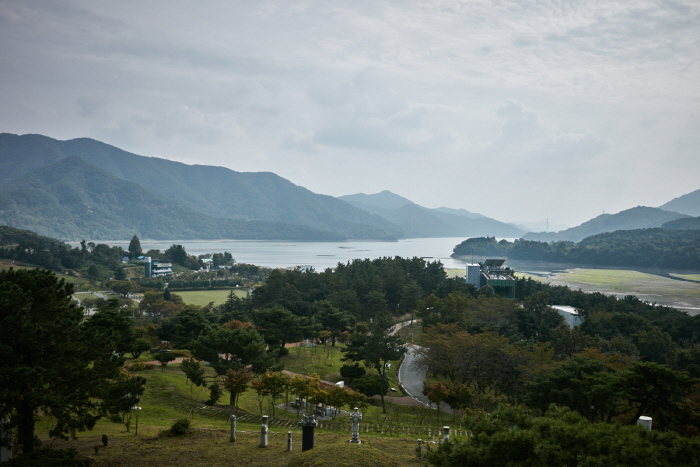
Jangseongho Tourist Area (장성호관광지)
17.4Km 2025-01-08
591-8, Baegyang-ro, Jangseong-gun, Jeollanam-do
+82-61-392-7248
Jangseongho Tourist Area is located south of Naejangsan National Park, in Jangseong, known as the hometown of Hong Gil-dong, a Korean Robin Hood. The lake was made by the damming of Hwangnyonggang River, and holds up to 89.7 million tons of water, filled with many freshwater fish species. In addition, the walking path along the 603-meter-long embankment attracts many tourists with beautiful views of the mountains and lake. Cruise ferries and motorboats also cross the lake. Nearby attractions include Ibamsan and Baegamsan Mountains, Namchanggyegok Valley, Baegyangsa and Naejangsa Temples, Gosanseowon Confucian Academy, Bangjangsan Recreational Forest, and more.
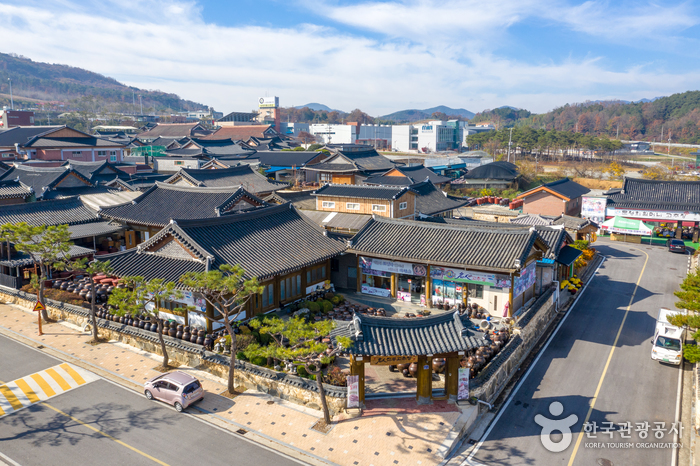
Sunchang Gochujang Village (순창고추장민속마을)
17.5Km 2024-04-15
9 Baegya-gil, Sunchang-eup, Sunchang-gun, Jeonbuk-do
Sunchang Gochujang Village is home to expert gochujang (Korean chili paste) crafters using the traditional methods. Visitors can learn how to make gochujang and enjoy dishes using it, such as tteokbokki (rice cakes cooked with gochujang) and wild vegetables bibimbap. The village is fully equipped with accommodations, restaurants, seminar rooms, and other facilities, providing perfect conditions for a variety of hands-on experiences.
Daegwang Sikdang (대광식당)
17.6Km 2025-01-22
15 Sangmu-daero 695beon-gil, Seo-gu, Gwangju
Originally famous for its yukjeon (Pan-fried Battered Beef) in Chungjang-ro, this restaurant has since expanded and relocated to the Sangmu district. It boasts an impressive, upscale interior and is known for preparing all of its side dishes in-house. For a complementary dish to pair with yukjeon, the maesaengi tteokguk comes highly recommended.
Sunchang Fermented Food Festival (순창장류축제)
17.7Km 2025-07-11
6-3 Minsongmaeul-gil, Sunchang-gun, Jeonbuk-do
+82-63-650-1624
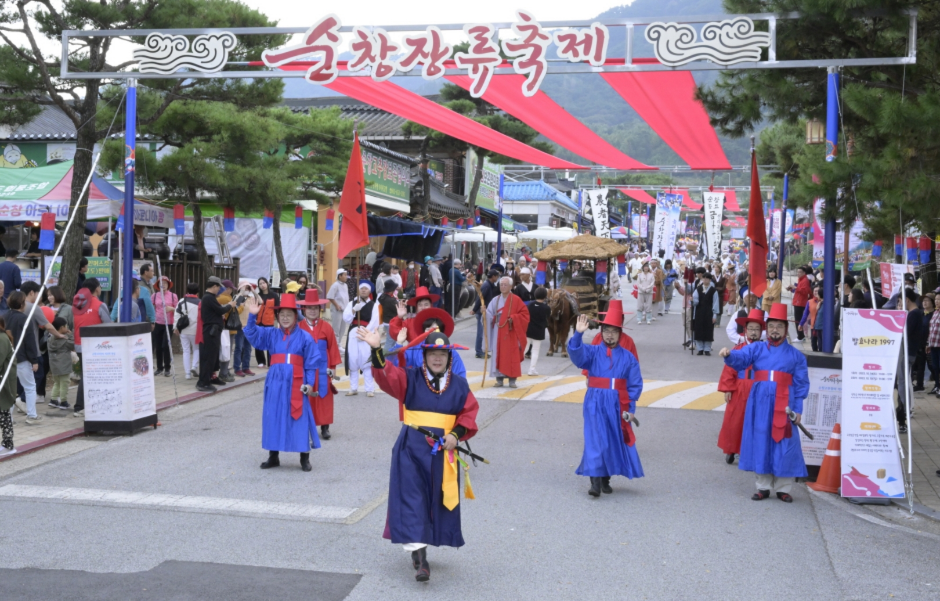
Experience the most iconic spicy flavor of Korean cuisine, gochujang (red chili paste). This festival takes place in Sunchang, the renowned home of gochujang. Visitors can try spicy and savory dishes made with Sunchang gochujang, partake in programs such as making red chili paste, and check out the festival’s performances, exhibitions, and shops. The biggest attraction is the “Sunchang gochujang offering procession to the King.” It is an reenactment based on the records of King Taejo's (born Yi Seong-gye), founder of the Joseon dynasty, love for the taste of Sunchang gochujang. During the event, a music procession and porters with a wagon loaded with crocks of chili paste perform a march around the village. Visitors can also check out the new Fermentation Theme Park, where they can learn the scientific principles of food through microbial experiments.
◎ Tip
Tteokbokki is a must-eat Korean street food. Don’t miss the “Sunchang Tteokbokki Town,” where you can try a variety of tteokbokki dishes made using Sunchang’s fermented sauces.
HOTEL OHU (호텔 오후)
17.8Km 2024-12-09
4-33 Geumhwa-ro 85beon-gil, Seo-gu, Gwangju
HOTEL OHU uses disposable bedding to protect guests for maximum hygiene. Breakfast includes Hangang ramyeon, Taiwan-style sandwich, and drinks. There are plenty of parking spaces. Every room has various OTT service available and guests can also order room service. Each room has unique style for a different feel every time guests visit.
Sunchang Traditional Paste Museum (순창장류박물관)
17.8Km 2024-04-07
43, Jangnyu-ro, Sunchang-gun, Jeonbuk-do
+82-63-650-1627
Sunchang Traditional Paste Museum offers visitors a look at different traditional paste culture from gochujang (pepper paste) to doenjang (soybean paste). Located across from the Sunchang Gochujang Village, a robot gochujang grandmother greets the visitors by telling the history of Sunchang pepper paste. The exhibition halls inside display the history of various traditional paste and visitors even have a chance to experience the process of making different pastes. The outdoor square attracts people with a terrace displaying earthen wares that are used to contain the fermented sauces, as well as a millstone worked by horse or ox, and an old tomb from the Baekje dynasty.
Bitgoeul Korea Traditional Classical Music Instruction Hall (빛고을국악전수관)
17.9Km 2024-12-17
182 Punggeum-ro, Seo-gu, Gwangju
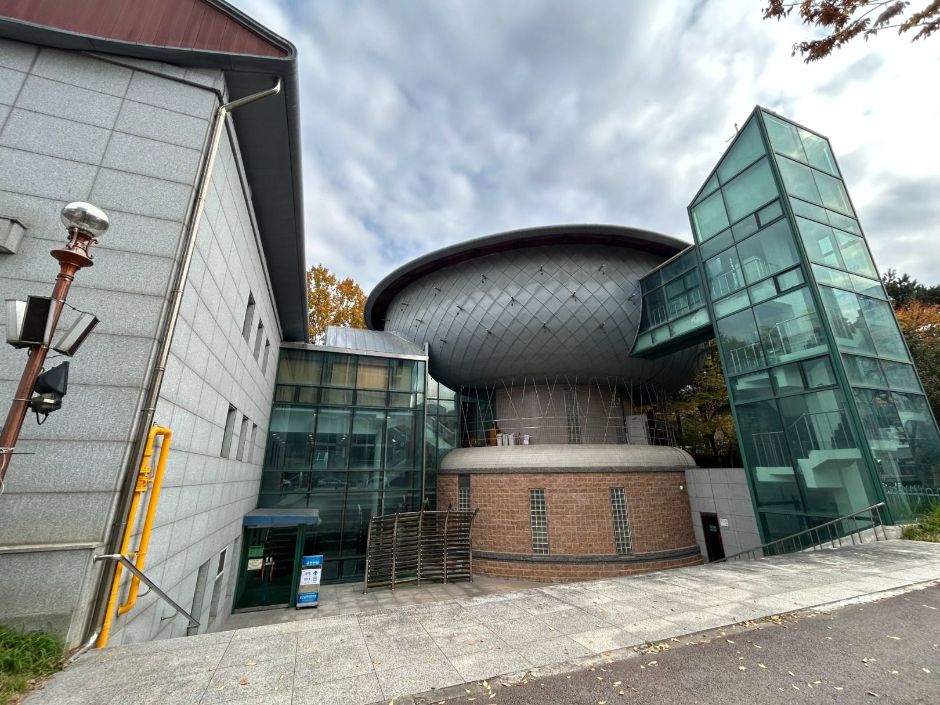
Bitgoeul Korea Traditional Classical Music Instruction Hall offers various programs throughout the year. Since 2002, classes on traditional instruments are available, as well as separate children gugak classes. Special exhibition on the second floor has various instruments that visitors can actually try. The permanent exhibition on the third floor has 45 different gugak instruments as well as videos to further provide detailed information. The main area is the performance hall on B1-B2F, with 137 seats, that offers performances every Thursday for free from traditional gugak to fusion music.
 English
 한국어
한국어 日本語
日本語 中文(简体)
 Deutsch
 Français
 Español
 Русский


