
Yulgok Arboretum (율곡수목원)
16.8Km 2023-02-02
392, Jangseungbaegi-ro, Papyeong-myeon, Paju-si, Gyeonggi-do
Yulgok Arboretum was established for the preservation, proliferation, and exhibition of plant genetic resources, and provides a variety of resort services related to forest culture for citizens. It features a four seasons garden, conifers garden, rock garden, fruit tree garden, Saimdang Forest, and many other beautiful venues, and also offers diverse forest experiences. It also provides a forest experience program for infants and toddlers as well as a forest healing program in which people of all ages and genders may participate. The Dulle Trail surrounding the arboretum runs some 5 kilometers in length and exudes diverse views from its observatory, pine scent path, and Munbawi Rock. From the arboretum, you will be able to see the Imjingang River to the north and great mountains such as Papyeongsan and Gamaksan to the east. It is possible to tour the historical sites of Yulgok Yi I and Hwang Hui as well since they are close by.
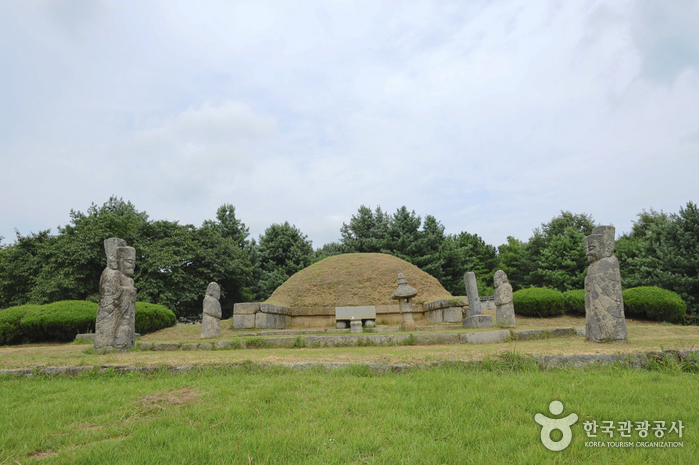
Tomb of Hwang Hui (황희정승묘)
16.8Km 2024-02-07
23-83 Jeongseung-ro 88beon-gil, Tanhyeon-myeon, Paju-si, Gyeonggi-do
Hwang Hui (1363-1452) is a prime minister who played a significant role in the early Joseon dynasty. Constructed in three stages, the tomb's burial mound is notably large. Hwang Hui was an official instrumental in establishing the foundations of Joseon. He served under King Taejong, the 3rd king of Joseon, and King Sejong, the 4th king, making notable contributions in diplomacy, law, science, and national defense. His descendants have continued to honor his legacy by maintaining the tomb.
Syncverse (주식회사 싱크버스)
16.9Km 2025-12-09
(B103, Bethel Building), 875 Tongil-ro, Eunpyeong-gu, Seoul
SYNCVERSE is a combination of the words “synchronize,” which means happening at the same time, and “universe,” representing the vast world we live in.
Syncverse serves as a central hub, connecting people and facilitate seamless beginnings for success in various fields. We cater not only to medical tourism and medical research and development, but also provide a global network to meet the needs of our valued customers and partners.
Myongji Hospital (명지병원)
16.9Km 2025-10-23
55 Hwasu-ro 14beon-gil, Deogyang-gu, Goyang-si, Gyeonggi-do
Myongji Hospital is a general hospital located in Goyang-si with various departments and specialized treatment centers.
We operate Breast Thyroid Center, Prostate Cancer and Kidney Cancer Center, Ovarian Cancer and Gynecological Cancer Center, and Robotic Surgery Center for specialized treatment, and have introduced the latest medical device, da Vinci Xi to conduct surgeries for various types of cancer as well as robotic surgeries for a wide range of benign diseases. In addition, we provide more specialized and prompt medical services to patients through advanced facilities such as the Radiology Center, Rehabilitation Center, Intervention Center, and Comprehensive Health Checkup Center. Specifically, we are prominent in the field of organ transplantation and operate the Organ Transplant Center performing liver, kidney, lung, and heart transplants. We offer interpretation services for foreign patients by professional coordinators who speak English, Russian, Mongolian, and Chinese to eliminate language barriers by opening the International Medical Center in 2009 and provide guesthouses, airport pick-up and send-off services for foreign patients as well to maximize their convenience.

100 Years Market 100 Years Night (백년시장 백년나이트)
17.0Km 2025-10-23
16 Hancheon-ro 144-gil, Gangbuk-gu, Seoul
+82-2-903-9110
100 Year Market, a traditional market with a long history, transforms into a vibrant night market as evening falls. With a mini mirror ball, neon signs, and a mini DJ booth alongside new dining options each month, this retro-themed market is perfect for visitors of all ages.
Seoul Geumseonsa Temple (금선사(서울))
17.0Km 2021-08-17
137, Bibong-gil, Jongno-gu, Seoul
+82-2-395-9911
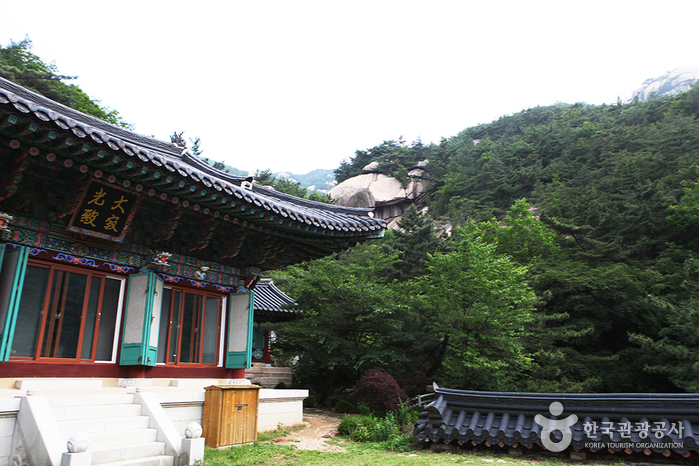
Geumseonsa Temple is located within Bukhansan National Park, just behind Cheong Wa Da (The Blue House) and Gyeongbokgung Palace. The entrance to the temple is just off the hiking path to Bibong Peak.
After passing Banyajeon Hall, where Buddhist services are held, visitors will see a pine tree over 200 years old, and beyond that, a staircase with 108 steps leading up to Daejeokgwangjeon Hall in the temple's main area. To the right is Samseonggak House and Hongyegyo Bridge over the clear waters flowing down from the mountain.
Additional temple buildings include Mitajeon Hall and Yeonhwadang Hall, built in 2004 by Monk Beopan; and Jeokmukdang Hall, built using traditional construction techniques.
Seoul Hwagyesa Temple (화계사(서울))
17.1Km 2021-11-02
117, Hwagyesa-gil, Gangbuk-gu, Seoul
+82-2-902-2663
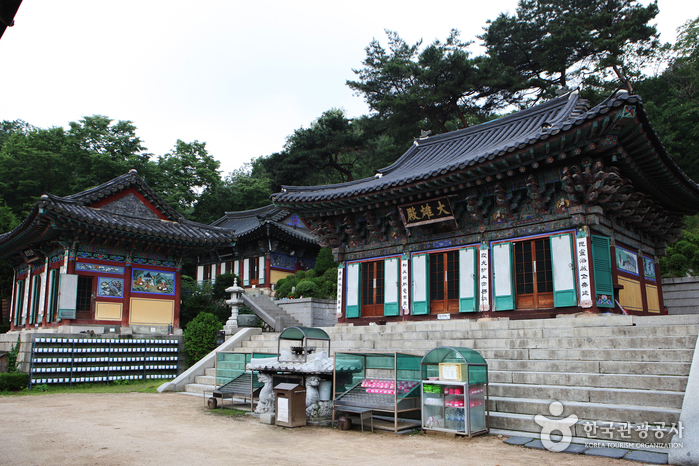
Hwagyesa Temple was built in 1522 (the seventeenth year of the reign of King Jungjong of the Joseon dynasty) by monk Shinwol, but was destroyed in a fire in 1618. It was rebuilt the following year, and expanded In 1866 through the efforts of Monks Yongseon and Beomun.
The temple also has various templestay programs for visitors. Hwagyesa Temple is located not too far from the city but also provides a natural environment.
The Hyooshik Aank Hotel Ilsan Tanhyeon (더휴식 아늑호텔 일산탄현점)
17.3Km 2025-04-24
8-32 Ilhyeon-ro 41beon-gil, Ilsanseo-gu, Goyang-si, Gyeonggi-do
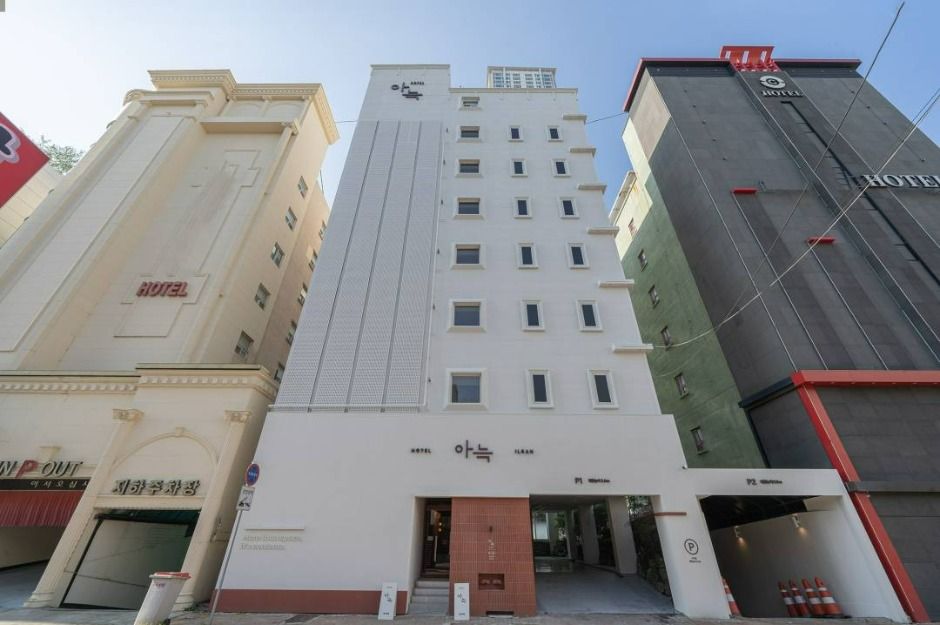
The hotel offers rooms with diverse themes, such as a Nintendo room offering a fun gaming experience, a music room that evokes nostalgic sentiments with LPs, a movie room where guests can have a cinematic experience, and a golf room allowing guests a golf swing. The hotel rooms are designed to cater to the diverse needs of customers, ensuring a fun and memorable stay.
Cheongansa Temple (천간사)
17.3Km 2021-10-12
20-8, Bulgwang-ro 10-gil, Eunpyeong-gu, Seoul
+82-2-355-7430
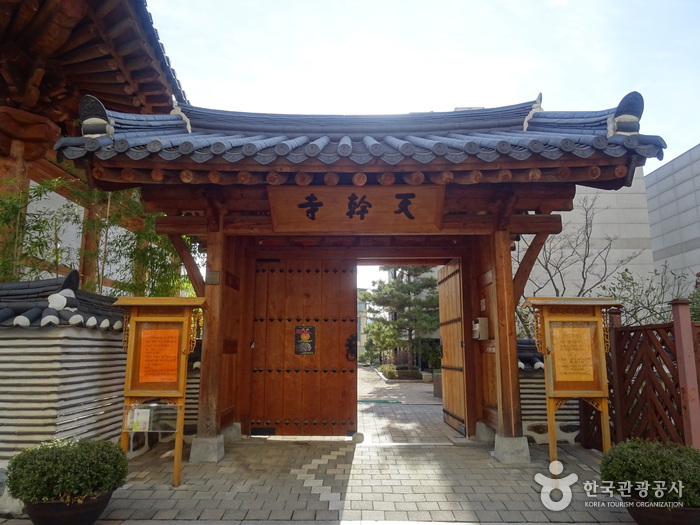
Cheongansa Temple was first built in 1960, and was re-built in 2009. It has many pagodas and monuments: a pagoda filled with sari relics of Buddha; Budotap Pagoda, which is a shrine to the monk who found the temple and his sacred relics; and a monument honoring the late first lady Yuk yeong-su. The re-built temple was awarded the Hanok Prize in the Hanok Competition 2011. Located along the Bukhansan Mt. Dulaegil Trail, the temple provide visitors with the chance to enjoy fresh air and a rest from hiking along the trail.
National Women's History Exhibition Hall (국립여성사전시관)
17.4Km 2021-09-23
50, Hwajung-ro 104beon-gil, Deogyang-gu, Goyang-si, Gyeonggi-do
+82-31-819-2288
The National Women’s History Exhibition Hall opened on December 9, 2002 in Daebang-dong, Seoul, but was moved to its current location in Goyang, Gyeonggi-do on September 1, 2014. The hall uses both traditional display techniques as well as creative media art to showcase the history and culture of women in Korea. The exhibition hall aims to give women their rightful place in Korean history, in addition to enhancing women’s sense of pride and expand gender equality through various activities, including public education programs and special exhibitions.
 English
 한국어
한국어 日本語
日本語 中文(简体)
 Deutsch
 Français
 Español
 Русский


