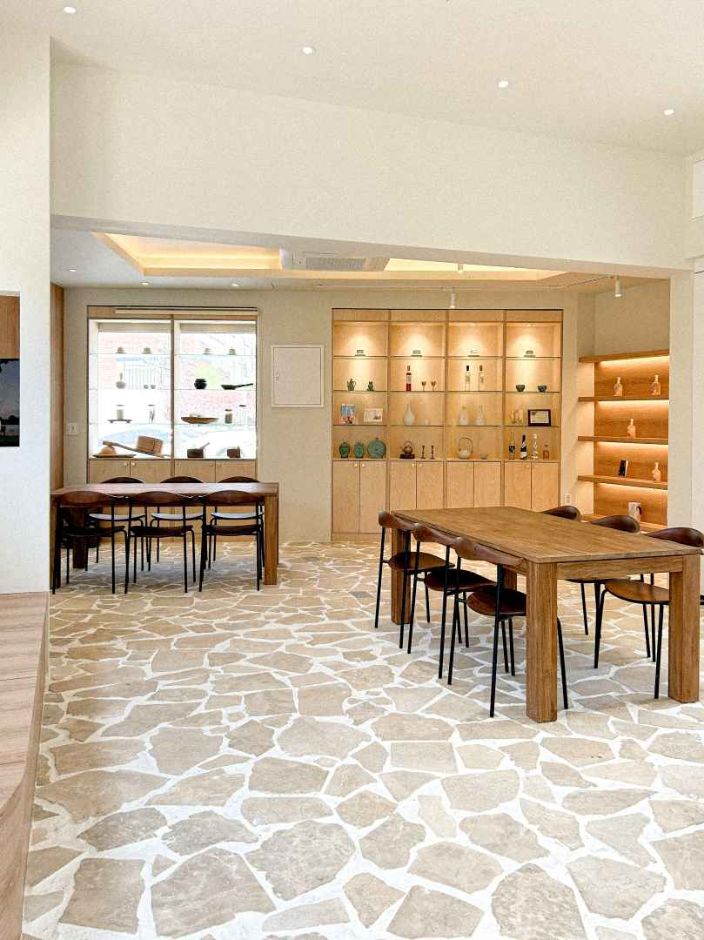
Kkum Brewery (꿈브루어리)
11.4Km 2025-08-13
18-15 Donggyecheon-ro 95beon-gil, Dong-gu, Gwangju
Kkum Brewery produces Gwangju’s local specialty rice wine, Kkumui Daehwa, blending traditional brewing methods with a modern touch. Kkumui Daehwa, the Gwangju specialty, won the grand prize in the 8-10% alcohol category at the 2024 Korean Makgeolli Awards. The brewery offers special experience programs to visitors allowing them to learn more about the Korean traditional liquor culture and cultural heritage of Gwangju.
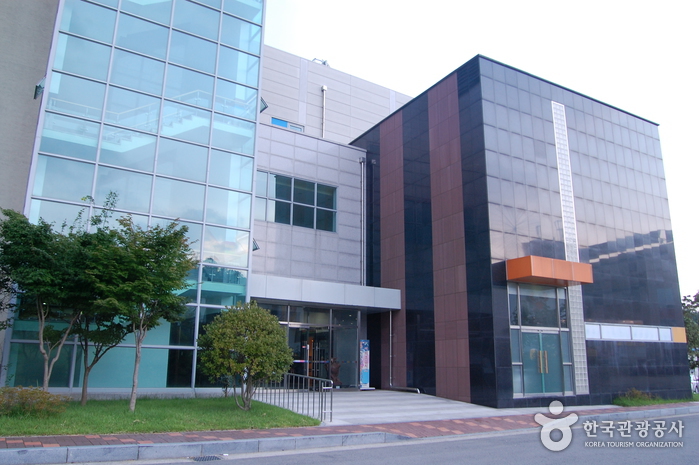
Namdo Folk Food Exhibition Room & Honam Cultural Material Pavilion (남도향토음식박물관·호남문화자료전시관)
11.5Km 2021-11-27
477, Seoljuk-ro, Buk-gu, Gwangju
+82-62-410-6642
Located in Gwangju, the Namdo Folk Food Exhibition Room was established to preserve and promote the local foods of the Namdo region. The museum has a museum shop, both permanent exhibitions and special planned exhibitions, and a studio where visitors can watch a variety of video content related to the local foods. In the Honam Cultural Material Pavilion, literature, clothing, and artwork from the region are on display.
The museum building was designed to resemble both the long, rectangular presses used to make patterned rice cakes and the Ipseokdae Rock of Mudeungsan Mountain, a symbol of Gwangju. Even the colors of the building’s walls hold special significance. The obangsaek (five colors; blue, white, red, black, and yellow) symbolize the cardinal directions, the seasons, the major organs in the body, different tastes, feelings, and philosophy.

Chosun University Museum of Art (조선대학교 미술관)
11.5Km 2025-01-02
308 Pilmun-daero, Dong-gu, Gwangju
The Chosun University Museum of Art was established to serve as a window to convey the flow of local and international art. It plays an important role in discovering, collecting, and preserving regional artwork, while providing artist with a stage to display their work. The museum has significantly contributed to the regional culture. Through special annual exhibitions, it discovers young artists, educates students and promotes local art. To provide an exhibition experience to students, the museum also holds exhibitions featuring work created by students.
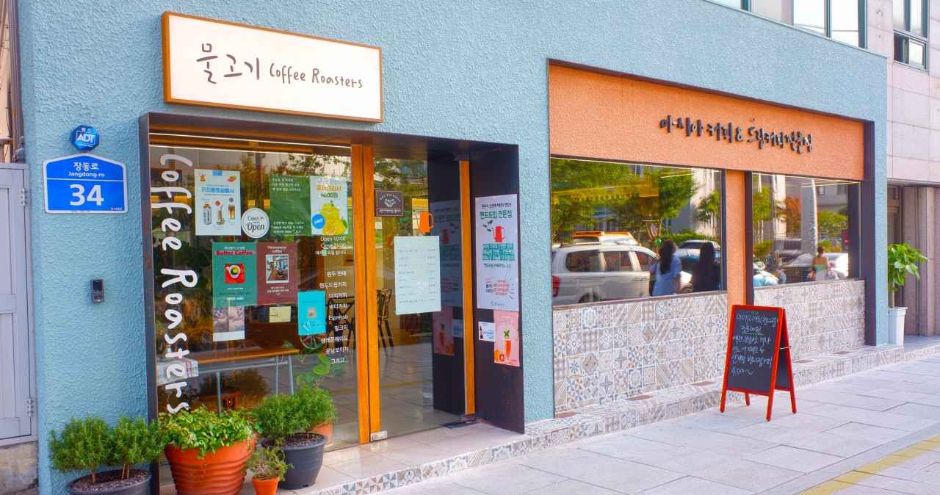
Mulgogi Coffee Roasters (물고기 커피 로스터스)
11.6Km 2024-11-14
34 Jangdong-ro, Dong-gu, Gwangju
Mulgogi Coffee Roasters is an award-winning hand-drip specialty store in Gwangju. This place is famous among coffee enthusiasts for its fresh beans, which are handpicked and roasted, one by one, and its 20 kinds of drip bags. Visitors can enjoy their specialty, Geisha Coffee, or other blends from Africa, Latin America, India, China, and other Asian countries.
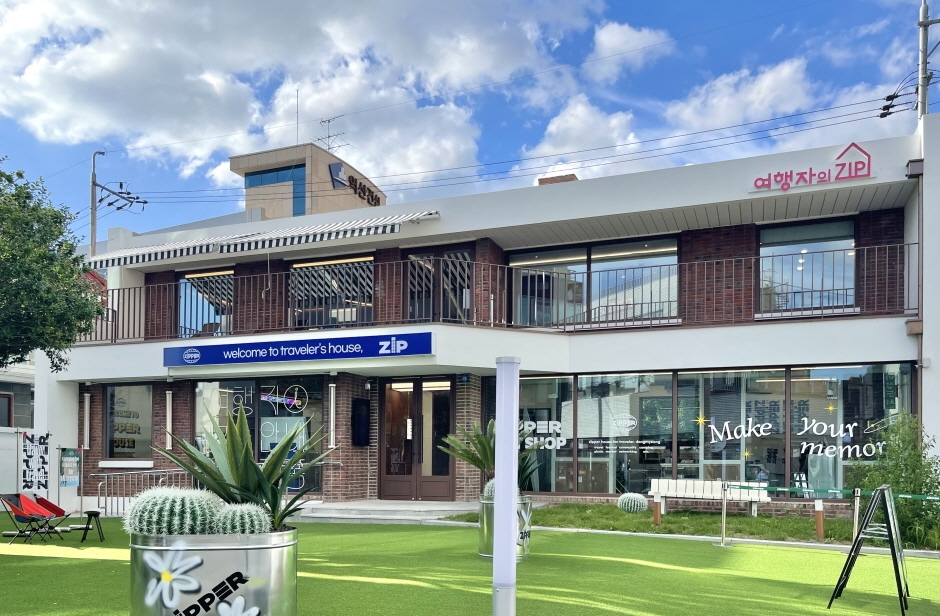
Zipper House (여행자의 집)
11.6Km 2025-08-13
137-17 Donggyecheon-ro, Dong-gu, Gwangju
Zipper House is a multi-purpose cultural space that provides tourists with tourism information and convenient facilities, hosting various events and programs. The two-story building, adorned by a large red ribbon, features a gift shop selling souvenirs of Gwangju and Dong-gu, a campsite-like lounge and terrace, and a snack bar offering refreshments such as toast and coffee.
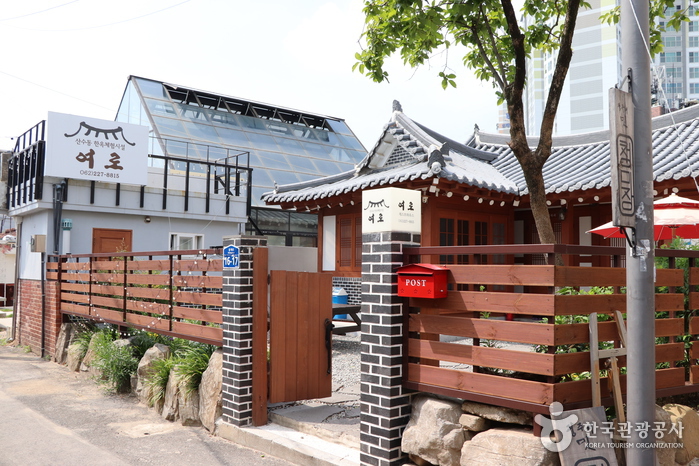
Yeoro(Sansu-dong Hanok Experience Hall) (여로(산수동 한옥체험시설))
11.6Km 2024-12-22
16-17 , Donggye-ro, Dong-gu, Gwangju
+82-62-227-8815
Yeoro is a hanok guesthouse in a quiet residential part of Sansu-dong, Gwangju, Jeollanam-do. The guesthouse has four ondol rooms, all equipped with a toilet and refrigerator. There is a shared washing machine (free of charge) in an outside bathroom. For breakfast, home-made sweet pumpkin porridge is served. Guests can take part in traditional crafts such as red clay dyeing, making injeolmi ricecakes or gangjeong puffed rice, and pressed-flower hand mirror making. Visitors’ cars can be parked in a nearby public parking lot.
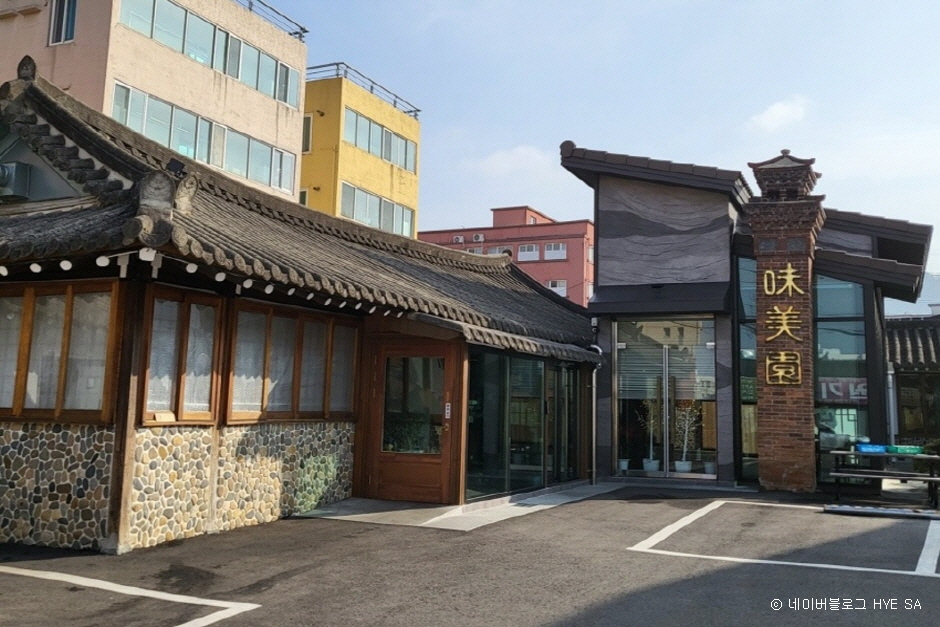
Mimiwon (미미원)
11.6Km 2024-12-03
광주광역시 동구 백서로 218
Emerging as a leading spot for yukjeon (Pan-fried Battered Beef) in Gwangju, Mimiwon has gained popularity through multiple media features. The restaurant’s traditional hanok building creates a neat atmosphere.
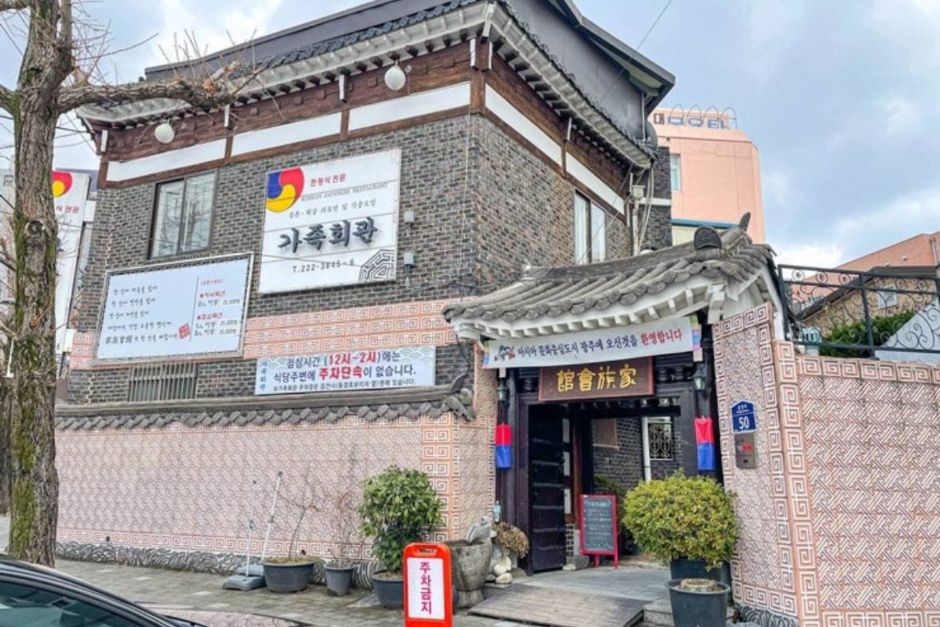
Gajokhwegwan (가족회관)
11.6Km 2024-12-04
50 Dongmyeong-ro, Dong-gu, Gwangju
Gajokhwegwan is a Korean table d'hote restaurant with 36 years of tradition. Visitors can experience the charms of Jeolla Province style food that only uses fresh ingredients in season. There are both private rooms and large group seats to enjoy the meal.
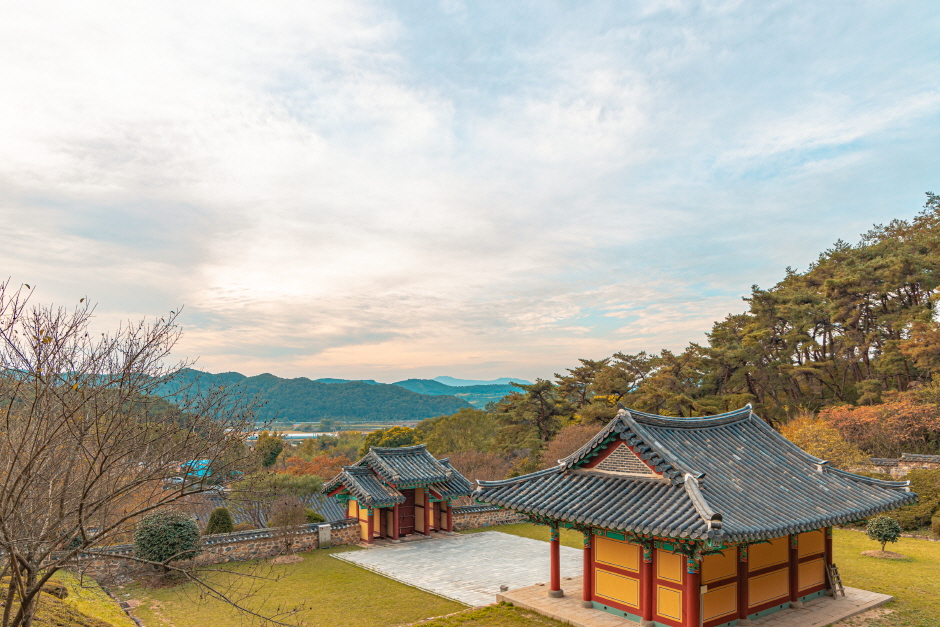
Wolbongseowon Confucian Academy (월봉서원)
11.7Km 2021-07-06
133, Gwanggok-gil, Gwangsan-gu, Gwangju
+82-62-960-8253
Wolbongseowon Confucian Academy, built in 1578, was established by Kim Gyehwi and other confucian scholars to honor Ki Daeseung's study and virtue through Mangcheonsa Shrine. The location of the academy was moved to its current site in 1646, and the name Wolbong was given by King Hyojong in 1654. In 1671, Bak Sang and Bak Sun's shrines were moved from Deoksansa Shrine by the suggestion of Song Siyeol. Also, Kim Jangsaeng and Kim Jip's shrines were additionally placed in 1673. Unfortunately, the confucian academy was abolished due to the abolition policy of Daewongun in 1868. Later, Bingwoldang Hall was built by Jeollanam-do's Confucian scholars in 1938, followed by Gojiksa Shrine in 1972, Jangpangak Pavilion and Oesammun Gate in 1978, Sau in 1980 and Naesammun Gate in 1981. Bingwoldang is designated as Gwangju Monument No. 9 and woodblocks of Gobongjip are preserved in Jangpangak Pavilion.
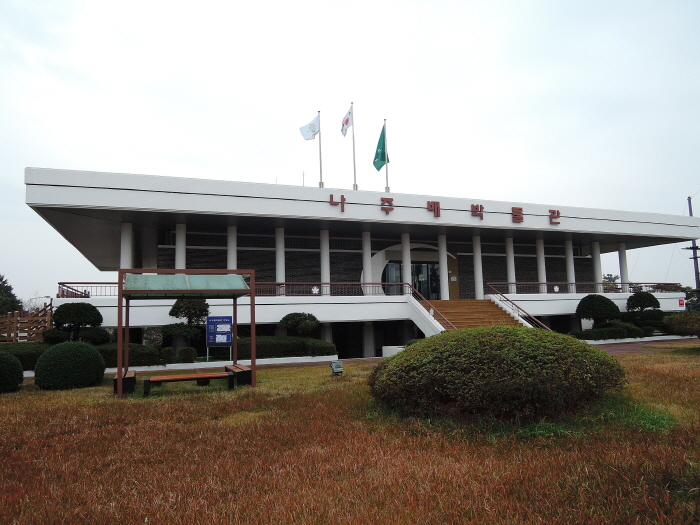
Naju Pear Museum (나주배박물관)
11.8Km 2021-08-13
5838, Yeongsan-ro, Naju-si, Jeollanam-do
+82-61-339-2590
Known as the birthplace of Korean pears, Naju pears are well-known for its long history. The fruit was exported worldwide starting in 1967. The Naju Pear Museum promotes the fruit and is a learning center for its agricultural history. The museum opened on April 20, 1992 and is the world's only pear museum.
 English
 한국어
한국어 日本語
日本語 中文(简体)
 Deutsch
 Français
 Español
 Русский


