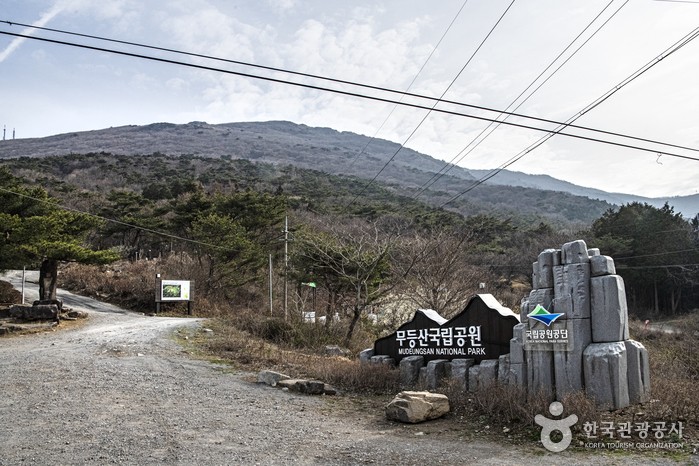
Mudeungsan National Park (무등산국립공원)
13.9Km 2023-11-14
29 Dongsan-gil, Dong-gu, Gwangju
+82-62-227-1187
Mudeungsan National Park is a mountain park lining the edge of Hwasun-gun, Damyang-gun and Gwangju. Mudeungsan Mountain (1,186 meters) features three rock peaks called Cheonwangbong, Jiwangbong, and Inwangbong, also known as the “Jeongsang Three."
Mudeungsan’s gradual slope makes it an easy climb for all. Among the more majestic of these sites are the Seoseokdae, Gyubong, and Ipseokdae peaks. At the base of the mountain are several famous temples including Yaksasa, Jeungsimsa, and Wonhyosa Temples. Mudeungsan Mountain is also known for its beauty throughout the year. The autumn leaves around Gyubongam Hermitage and silver grass of Baengma Ridge are quite spectacular. In winter, snow and ice on the mountain create exquisite scenery as well.
Below the mountain, there are a variety of recreational facilities and tourist sites for visitors.
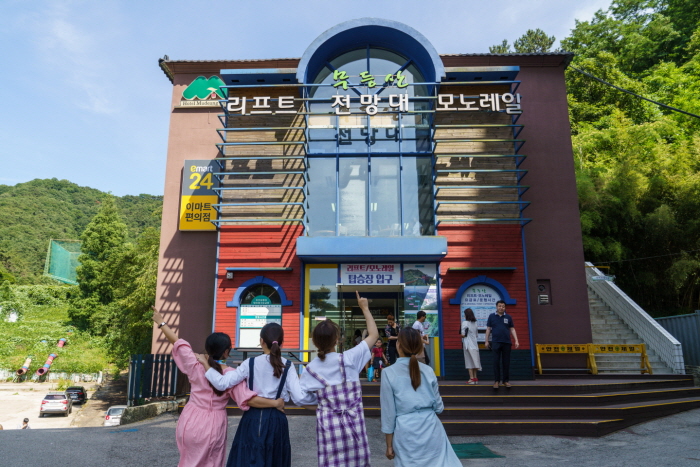
Jisan Recreation Area (지산유원지)
14.1Km 2023-01-25
35-1, Jiho-ro 164beon-gil, Dong-gu, Gwangju
+82-62-221-2760
Jisan Recreation Area reopened around December 2016, resuming monorail operation after 11 years. The unique rattle of a monorail running on one rail gives passengers a thrill. If you ride the monorail, you can see the panoramic view of Gwangju and the top of Mudeungsan Mountain at a glance. The monorail starts on the mountainside, 50 meters away from the end point of the lift, along the forest road, and runs to and from the top of the mountain in Jisan Recreation Area, where the octagonal pavilion is located. After reopening, it became popular among the younger generation through social media and word of mouth as a unique amusement facility where you can enjoy thrills on Mudeungsan Mountain in Gwangju.
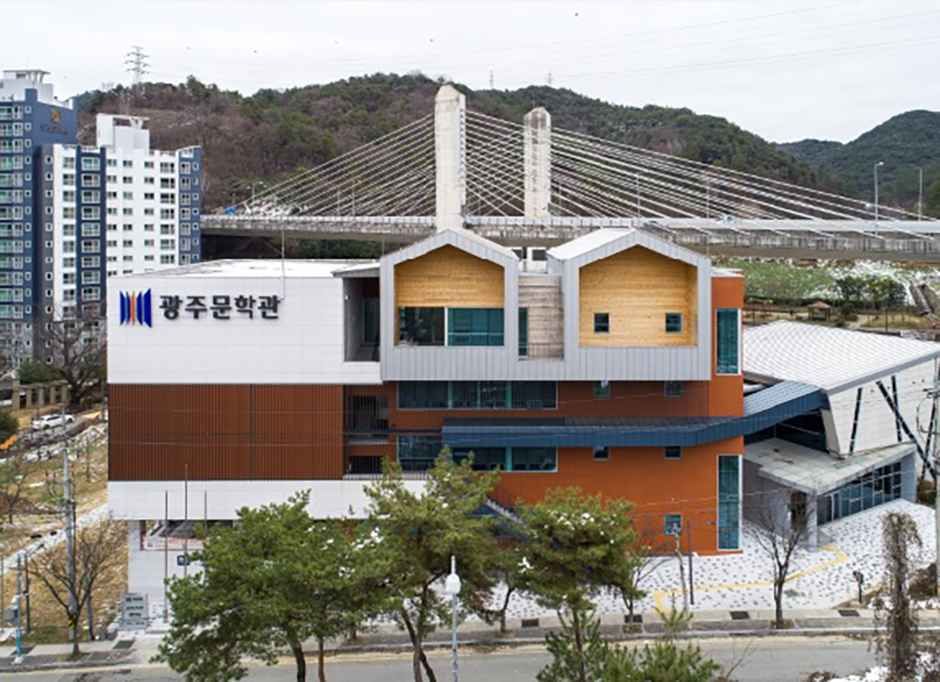
Museum of Gwangju Literature (광주문학관)
14.1Km 2024-11-20
93 Gakhwa-daero, Buk-gu, Gwangju
The Museum of Gwangju Literature offers a journey through Gwangju’s rich literary heritage, spanning from ancient times to the present day. Visitors can delve into the literature from the Mahan period, explore works from the 1920s and '30s tied to the national independence movement, and discover works from the 1980s that marked the beginning of the modern poetry movement. The permanent exhibition provides a chronological journey through the local literature of Gwangju. The museum also holds various programs for visitors.
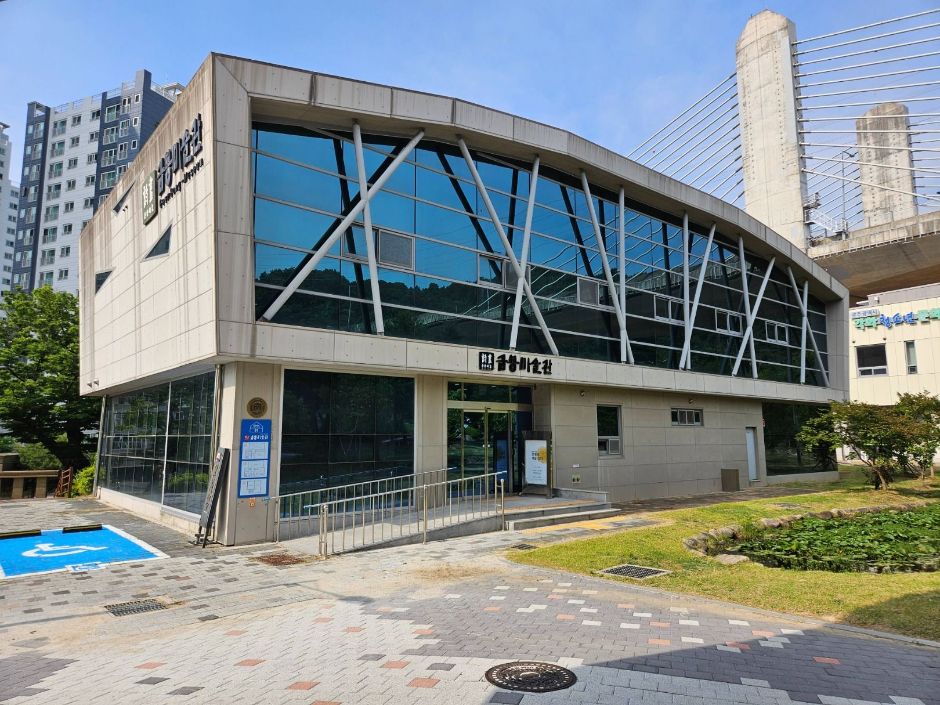
GeumBong-Museum (시화문화마을 금봉미술관)
14.1Km 2024-12-17
91 Gakhwa-daero, Buk-gu, Gwangju
Opened in 2015, GeumBong-Museum has 291 art works of painter Park HaengBo. The museum also has various contemporary art works to further spread the knowledge of both traditional and contemporary art. It offer classes and exhibition to support the local art culture.

De Young Museum (드영미술관)
14.3Km 2024-10-10
6 Seongchon-gil, Dong-gu, Gwangju
De Young Museum is an art gallery located at the entrance to Mudeungsan National Park. The gallery opened in 2018 with the concept of being "forever young" and aims to develop the local culture scene through connections with the local community.
Kkotpineun Chunsamwol (꽃피는춘삼월)
15.1Km 2024-02-13
50 Seongyo-ro, Dong-gu, Gwangju
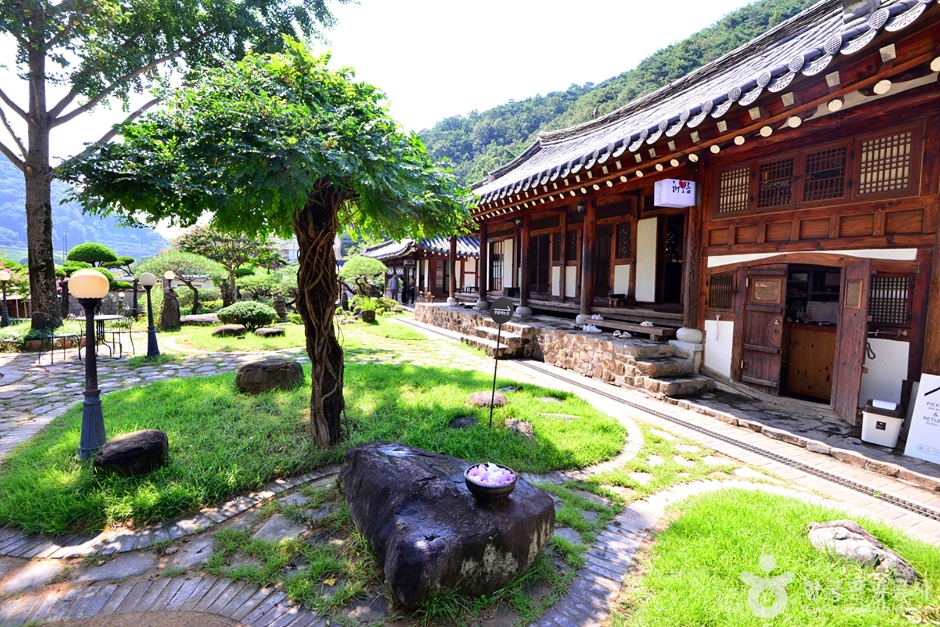
Kkotpineun Chunsamwol is a traditional Korean teahouse nestled in a picturesque hanok. It specializes in authentic Korean beverages and desserts. The teahouse's signature offering is ssanghwatang, an herbal tonic tea prepared with chestnuts, gingko, and nuts in a homemade decoction. Other popular items include Yennal Bingsu (shaved ice with grain and black sesame ice cream), and a nutty latte with bean powder. These beverages pair exceptionally well with traditional Korean sweets like yakgwa (honey cookie) and garaetteok gui (grilled rice cake stick), enhancing the overall culinary experience.
Sane Flower ((주)산에는 꽃이피네)
15.4Km 2024-08-05
20-1 , Dongnyeok-gil, Naju-si, Jeollanam-do
+82-10-4612-4232
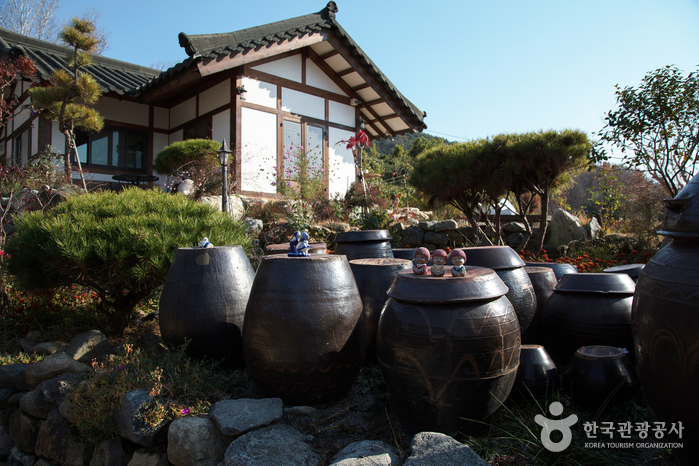
Mountain Flowers Bloom in Dorae Hanok Village, Naju-si, Jeollanam-do, is a 100 year-old house built in the traditional way using local timber and no nails. Guestrooms are well insulated and equipped with bathroom and kitchen. Interiors are lined with Korean paper and are old-time and cozy. There’s a wooden veranda from which visitors can see the fine old maple tree in the yard. Among other local attractions, Naju’s Redwood Road is nearby, offering guests a peaceful walk in the woods; some weekends, the owner offers neighbourhood guided tours.
Damyang Bamboo Forest (Damyang Marsh) (담양대나무숲 - 담양습지)
15.5Km 2025-01-13
656-2, Taemok-ri, Daejeon-myeon, Damnyang-gun, Jeollanam-do
+82-61-380-3114
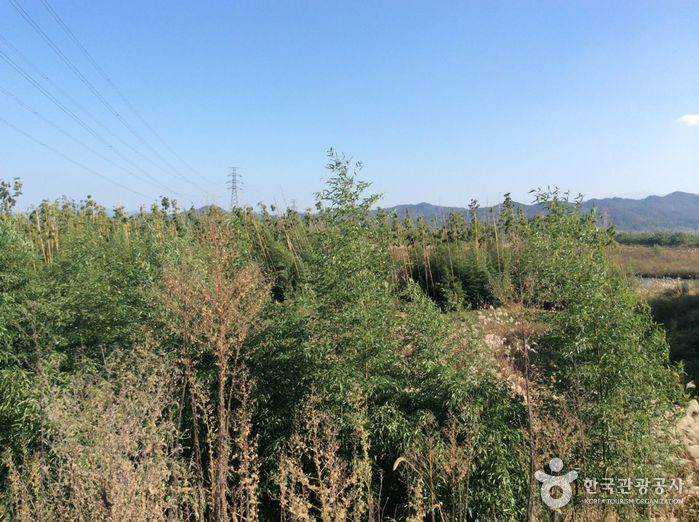
Situated between Damyang-gun and Gwangju Metropolitan City, Damyang Wetland is one of the best places to experience the ecology of Yeongsangang River. It is a habitat for the hawk, wildcat, Boreal digging frog (endangered species), and kestrel. It became the first river wetland to be designated as a wetland reserve in 2004.
Doraemi House (도래미)
15.5Km 2024-08-05
18-26 , Dongnyeok-gil, Naju-si, Jeollanam-do
+82-61-336-3646, +82-10-6604-6621
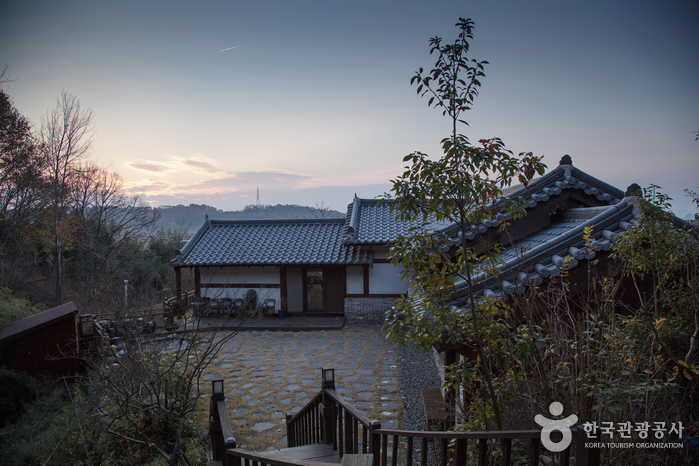
Doraemi House in Dorae Village, Naju, Jeollanam-do, is a hanok stay with a bonchae (‘main house’), a sarangchae (men’s house) and a byeolchae (‘reception room’). The bonchae has two bedrooms with a hidden attic space. The sarangchae has a living room with bedrooms on either side; while the byeolchae, atop a low hilll, has a single cozy room. A walk along a forest road takes you to a pavilion by a pond. Next to the bonchae is a quiet and tranquil reading room.

Uijae Museum of Korean Art (광주 의재미술관)
15.6Km 2024-11-14
155 Jeungsimsa-gil, Dong-gu, Gwangju
+82-62-222-3040
The Uijae Museum of Korean Art was established in memory of the famous Korean artist Heo Baekryeon. Construction of the museum ended in December, 1999, but the museum wasn’t officially opened until November 17, 2001. Built to mimic the curve of a gently sloping road, the museum’s unique design earned architect Jo Seongryong the 10th Korean Architecture Award the same year as the museum’s opening. Measuring 6,000㎡ (B1-2F) in size, the museum is comprised of two exhibition rooms, a storage facility, a seminar room, and a tea ceremony room for visitors. Since its opening, the Uijae Museum of Korean Art has hosted notable exhibitions and seminars such as the 2002 Biennale Project 2 International Symposium.
 English
 한국어
한국어 日本語
日本語 中文(简体)
 Deutsch
 Français
 Español
 Русский


