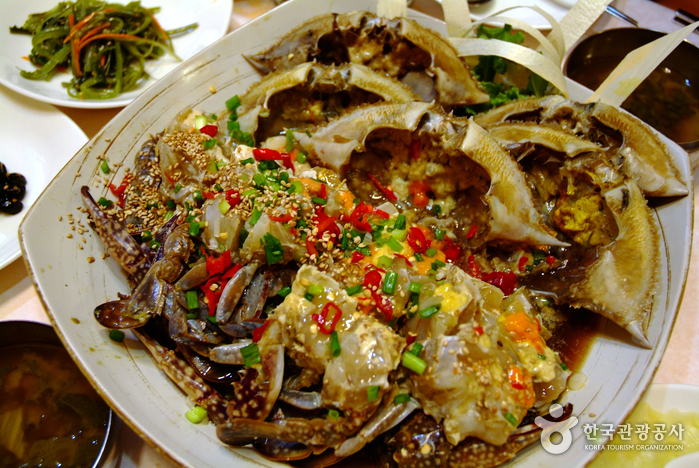
Gyegok Garden Kkotgejang (계곡가든꽃게장)
14.6Km 2024-04-07
470 Geumgang-ro, Gaejeong-myeon, Gunsan-si, Jeonbuk-do
Gyegok Garden Kkotgejang is a restaurant sought after by food enthusiasts nationwide, renowned as the first establishment in the country to patent gejang (marinated crab) cuisine. Originally selling dwaeji galbi (grilled pork galbi), the restaurant's main dish shifted to crab after its exceptional kkotge jang (soy sauce marinated crab) side dish garnered increasing attention from customers seeking gejang delicacies. The secret to its flavor lies in the authentic soy sauce, aged with 16 medicinal herbs, and the plump meat of female crabs. Customers can enjoy gejang with minimal fishy or salty taste, instead relishing in the rich and savory flavor of the crab.

Gunsan Port (군산항)
14.6Km 2024-04-07
442 Imhae-ro, Gunsan-si, Jeonbuk-do
Gunsan Port, established in 1899, is the port of Gunsan. During the Japanese colonial period, Gunsan prospered as a trading port. Modern buildings from that era still remain around Gunsan Port, creating a nostalgic atmosphere often referred to as a "time-travel village." Nearby attractions include the Gunsan Modern History Museum and the Sinheung-dong Japanese-style House Street.
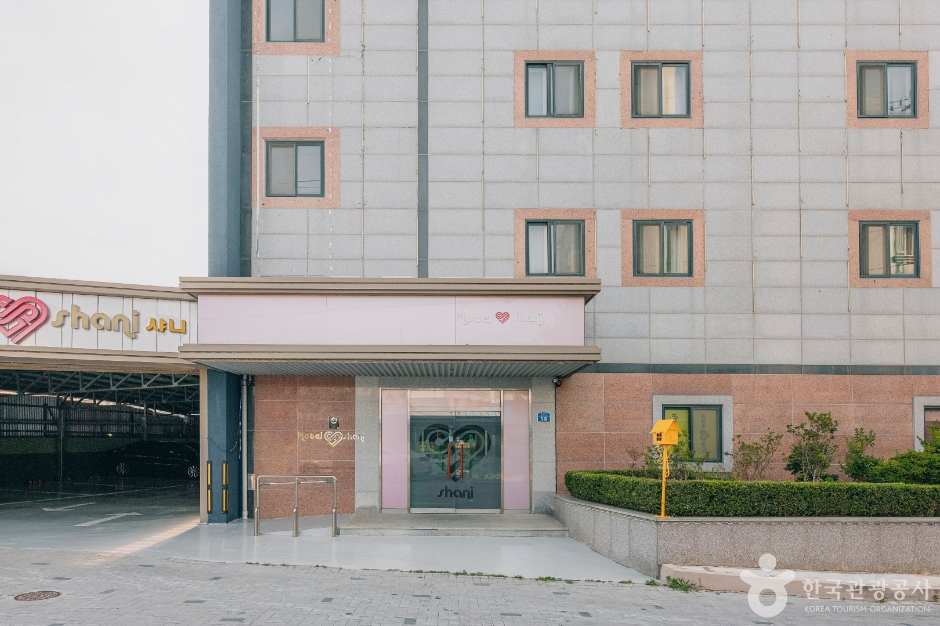
Shani Motel (샤니모텔)
14.7Km 2024-12-24
18 , Dongjung 3-gil, Buan-gun, Jeonbuk-do
+82-63-584-9935
Shani Motel is in Buan, Jeollabuk-do, and is accessibly situated just a 7-minute walk from the Buan Intercity Bus Terminal. Rooms are spacious and neat, and the motel is equipped with accessibility features for physically and visually impaired visitors, including disabled parking spaces, entrance ramps and braille blocks; guide dogs are welcome. Many tourists visit during the Masil Festival in May.
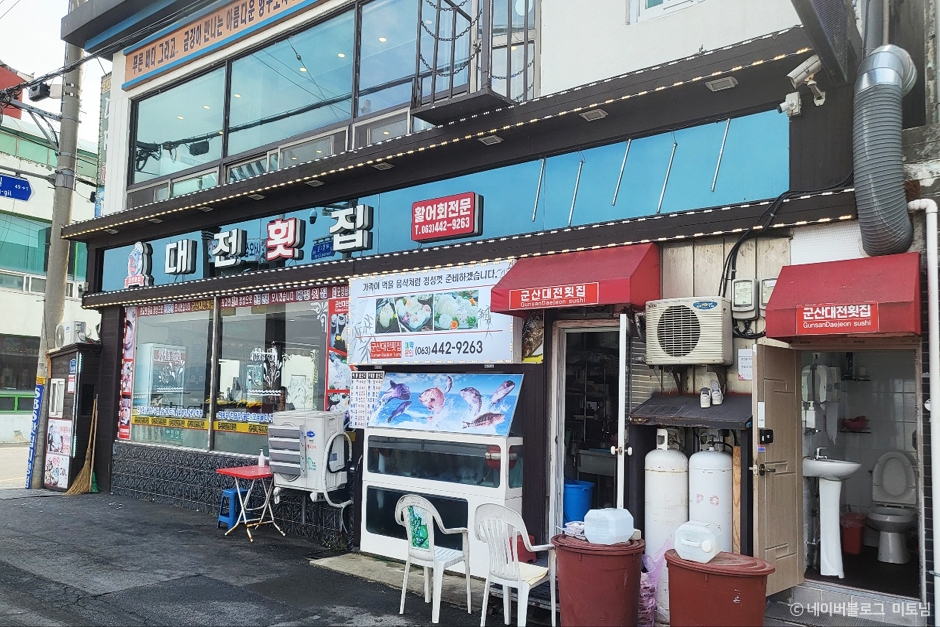
Gunsan Daejeon Hoetjib (군산대전횟집)
14.9Km 2024-04-07
149 Naehang 2-gil, Gunsan-si, Jeonbuk-do
Gunsan Daejeon Hoetjib is a popular local recommendation known for its fresh sliced raw fish and upscale side dishes. Located just a 10-minute drive from Gunsan Port, customers can enjoy their meal while admiring the view of Dongbaekdaegyo Bridge and the inner harbor of Gunsan. The signature menu item is the modeum hoe (assorted sliced raw fish) featuring a variety of fish such as flatfish, rockfish, sea bass, and sea bream, along with steamed lobster.
Surawon (수라원)
15.9Km 2024-02-26
641-9, Jangsan-ro, Janghang-eup, Seocheon-gun, Chungcheongnam-do
0507-1435-6250
Surawon is a hanu (Korean beef) and bulgogi restaurant located at the estuary where the Geumgang River meets the Yellow Sea, allowing visitors to have a great view of the sea, the river, tidal flats, and the city of Gunsan beyond the river. The menu includes seoksoe bulgogi (grilled bulgogi), dwaeji galbi jjim (braised pork galbi), so galbi jjim (braised beef galbi), and hanu gui (grilled Korean beef). The nearby Geumgang Estuary Embankment is famous for the view of thousands of migratory birds dancing above the water, while the city of Gunsan across the Dongbaekdaegyo Bridge is known for its modern architecture and historical sites.
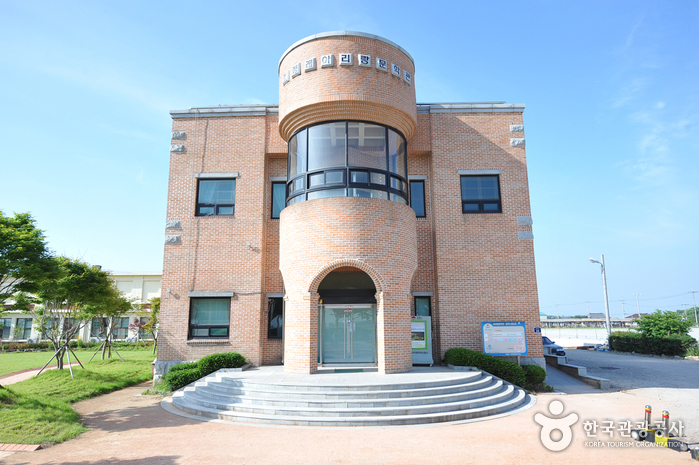
Arirang Literature Museum (조정래 아리랑문학관)
16.8Km 2024-04-07
24, Yongseong 1-gil, Gimje-si, Jeonbuk-do
+82-63-540-3934
Located in Gimje, Jeollabuk-do, Arirang Literature Museum (Jo Jung-rae Arirang Literature Museum) was opened in May, 2003. The museum displays materials related to Jo Jung-rae’s novel "Arirang," a work praised to have x_heightened Korea's literature standards in aspects of cultural, literary, and popular value. "Arirang" takes place during the time of Japanese colonization, vividly describing the pain and common racial values which people shared as a whole amidst the suffering and efforts that were made to bring Korea's independence a step closer.
Byeokgolje Museum of Agricultural Culture (벽골제 농경문화 박물관)
16.9Km 2024-04-06
442, Byeokgolje-ro, Gimje-si, Jeonbuk-do
+82-63-540-4989
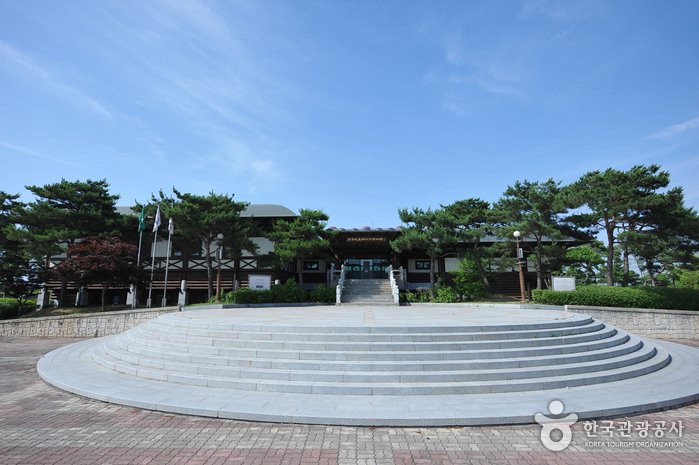
The largest irrigation facility in Korea, Byeokgolje Reservoir (Historic Site) is considered the birthplace of Korea’s rice-farming culture. All that remains of the reservoir today are a three-kilometer long embankment that spans from Sinyong-ri to Wolseung-ri in Buryang-myeon, Gimje-si and a monument that was erected in 1415. The Byeokgolje Museum of Agricultural Culture exhibits around 250 artifacts related to rice farming; located within the same complex is an experience center where visitors can discover many properties of irrigation facilities first-hand.
Gimje Horizon Festival (김제지평선축제)
16.9Km 2025-07-09
442 Byeokgolje-ro, Buryang-myeon, Gimje-si, Jeonbuk-do
+82-63-540-3037
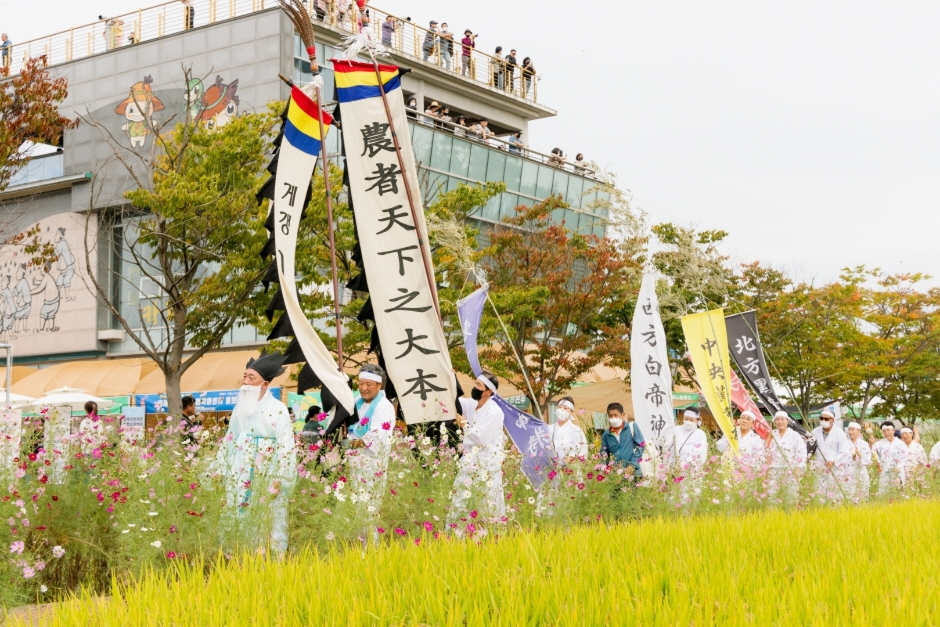
In Korea, finding an unobstructed horizon is a rarity, making Gimje’s expansive horizon a unique and stunning sight. Held in the autumn when the fields are tinged with gold, the Gimje Horizon Festival celebrates this unique landscape. The festival aims to promote Gimje’s famous rice and preserve traditional agricultural culture based on the theme of, “where the land meets the sky.” The torch parade at night is the highlight of the festival. The spectacular performance in front of the huge twin dragon sculptures standing at the center of the Byeokgolje Reservoir (Historic Site No. 111) perfectly captures the festival’s vibrant and passionate atmosphere. Throughout the festival venue, there are farming activities, such as harvesting rice and threshing, as well as rural experiences of the past, such as catching grasshoppers and riding an ox cart.
◎ Byeokgolje Reservoir
Built during the Baekje period, the manmade reservoir shows the wisdom of Korea’s ancestors and the old agricultural system. On the embankment more than 3 kilometers long, five floodgates were installed to discharge water into the rice fields.
Byeokgolje Reservoir Site (김제 벽골제)
16.9Km 2024-04-07
442 Byeokgolje-ro, Buryang-myeon, Gimje-si, Jeonbuk-do
+82-63-540-4094
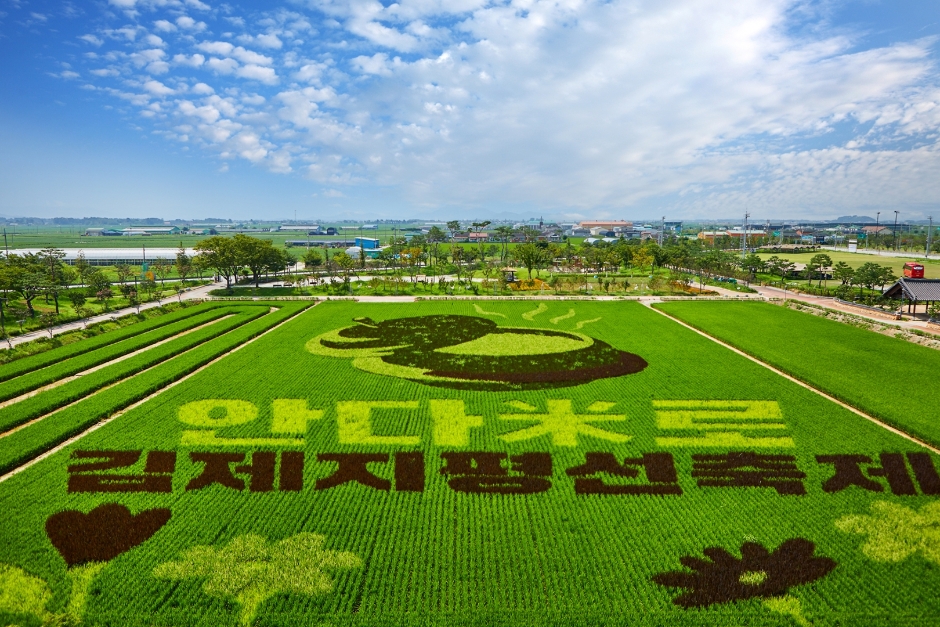
Byeokgolje Reservoir Site is home to the embankment and stele recording reconstruction for Korea’s first ever reservoir. Records show it was rebuilt in the 6th year of King Wonseong of Silla (790), the 21st year of King Hyeonjong and King Injong of Goryeo (1143), and then again in the 15th year of King Taejong of Joseon (1415). It was lost due to heavy rain in 1420 (the 2nd year of King Sejong's reign).
Currently, only about 3 kilometers of straight embankment remains on the site. In 1925, the Dongjin Land Improvement Association remodeled this embankment and used it as a channel for providing water for farming, thus losing a lot of its original appearance. A monument was erected on the north side of the embankment to commemorate the rebuilding of Byeokgolje Reservoir during the Joseon Dynasty. However, it is difficult to read the writing because it is worn out.
In 1975, two sites with water gates that controlled the water in the reservoir were excavated, and the results showed that the construction used large-scale, high-level engineering technology. Byeokgolje Reservoir is not only significant in that it was Korea's first reservoir but also proves that the country’s civil engineering technology was developed enough to build such a reservoir at the time, revealing a groundbreaking fact in the history of science and technology in Korea.
Nearby tourist attractions can be visited together: Byeokgolje Agricultural Museum, where you can get a glimpse of the old agricultural culture, Theme and Experience Space for Agriculture, and Byeokcheon Art Gallery, which displays the works of Na Sang-mok, an Oriental Painting artist in Korea.
* Pets are allowed; however, a leash is required.
Buan Sports Park (부안스포츠파크)
17.7Km 2024-04-07
31, Cheyukgongwon-gil, Buan-gun, Jeonbuk-do
+82-63-580-3904
Buan Sports Park spans over an area of 82,644 square meters. The park has a natural grass soccer field equipped with 6,700 seats, track and field made with natural rubbers, a torch holder, tennis courts, baseball field, basketball court, footsal field, an in-line skating track, an experience hall for children, a playground, and more, as well as lighting facilities for nighttime events. Other facilities include water fountain, grass performance hall, various types of trees and flowers, benches and rest areas. With accommodations nearby, the park is used as a training facility for teams from elementary school students to even professional athletes.
 English
 한국어
한국어 日本語
日本語 中文(简体)
 Deutsch
 Français
 Español
 Русский


