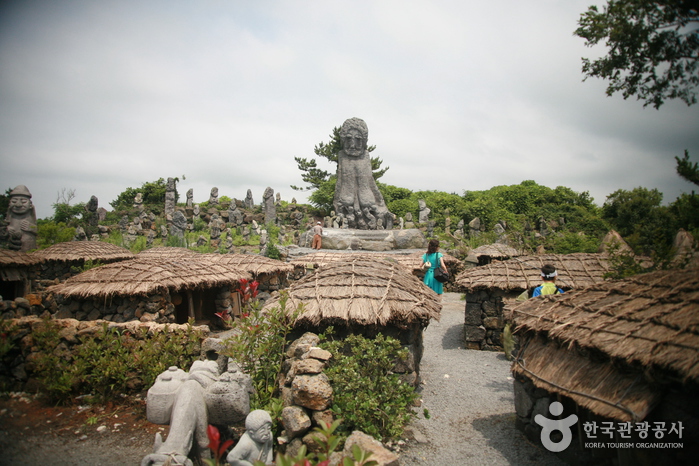
Geumneung Seokmulwon (Geumneung Rock Park) (금능석물원)
10.6Km 2024-12-10
Jeju is often referred to as Samda-do, which can be translated to “island of three abundances,” because it has many stones, wind, and women. Stones from Jeju are prohibited from being taken out of Jeju and only processed stones are exported. The most well-known processed stone production in Jeju is dol hareubang (“stone grandfather”). Geumneung Rock Park is a place where travelers who are tired of seeing the same-old dol hareubang can appreciate the essence of Jeju stones. It is a park created on a 33,058m² site by master craftsman Jang Gong-ik, who has been making dol hareubang for about 40 years, expressing aspects of Jeju life through stones. The park has a Buddhist-friendly atmosphere overall with statues of Buddha, which are all works of Jang Gong-ik, who has maintained this place for decades.
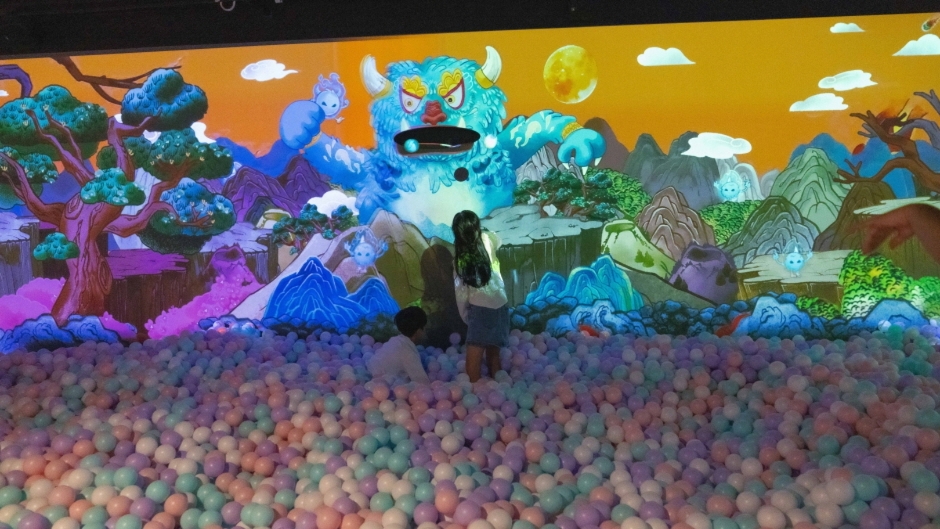
Wonder Island (원더아일랜드)
10.7Km 2024-01-24
89 Sinhwayeoksa-ro 304beon-gil, Andeok-myeon, Seogwipo-si, Jeju-do
Wonder Island is the nation's first experience-based media exhibition space, and is located inside Summerset Clubhouse within Shinhwa World. The exhibition hall, geared towards children, is divided into 12 different themes that show Jeju's beautiful nature and animals.
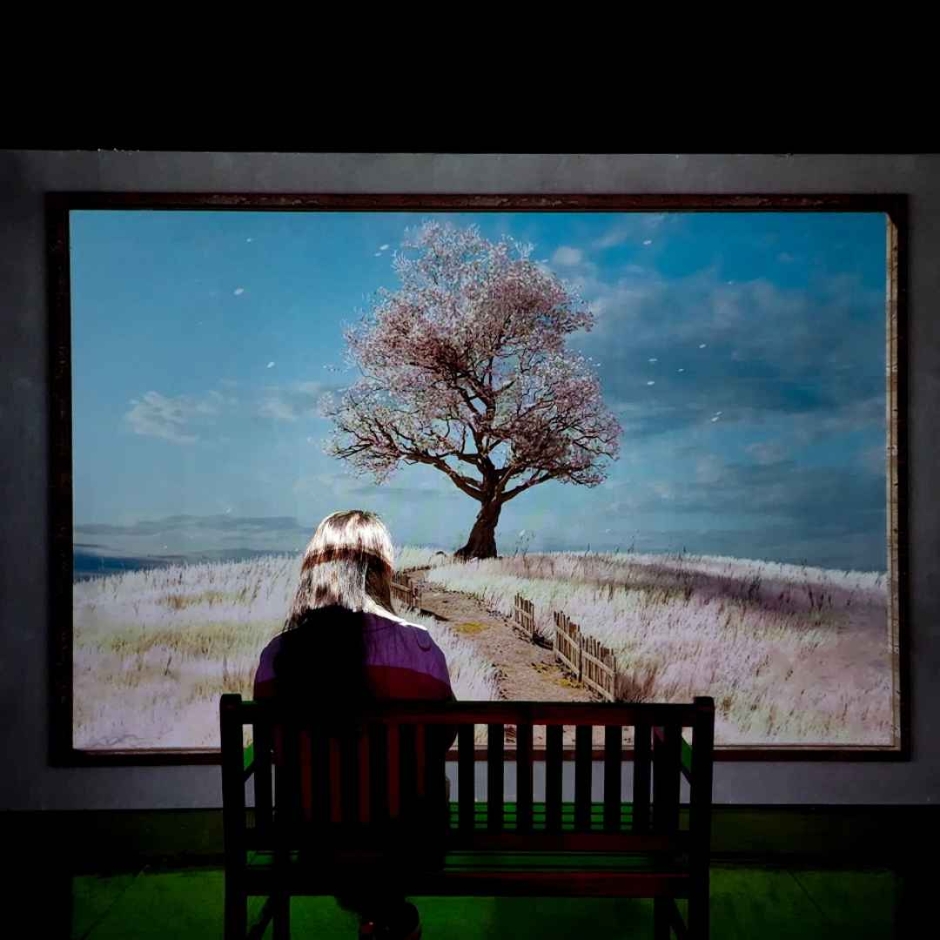
Jeju Holic Museum (제주홀릭뮤지엄)
10.9Km 2024-07-24
2835 Pyeonghwa-ro, Aewol-eup, Jeju-si, Jeju-do
Jeju Holic Museum is located in what used to be a senior care facility that closed down. The museum tells the story of Jeju through five different spaces, using unique and modern ways of storytelling.
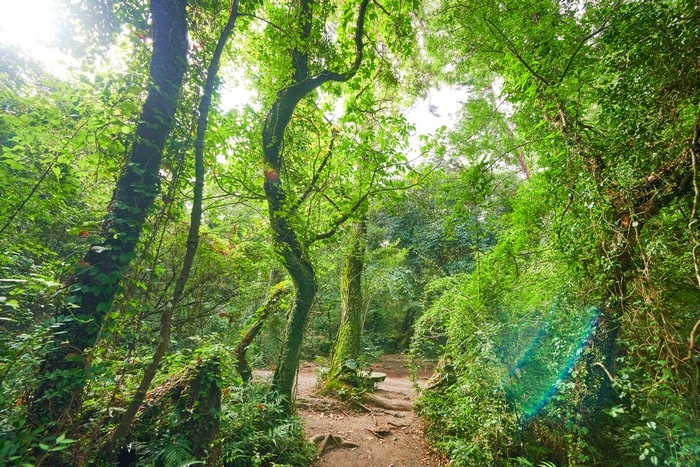
Hwansang Gotjawal Forest (환상숲곶자왈공원)
11.0Km 2025-11-05
594-1 Nokchabunjae-ro, Jeju-si, Jeju-do
Hwansang Gotjawal Forest is the filming site of the BTS Young Forever Part 2 album preview video and the f(x) 4 Walls music video. A variety of flora and fauna reside on the lava terrain here, rather than soil. The forest showcases Jeju's unique primeval ecosystem. As you enter the landscape, created by the intertwined ferns and massive tree roots, you will feel as if you were in a different space and time. Guided forest tours are provided every hour. Reservations are required to join the tour.

Podo Hotel (포도호텔)
11.0Km 2024-06-05
863 Sallongnam-ro, Andeok-myeon, Seogwipo-si, Jeju-do
Podo Hotel is designed with the motif of Jeju's oreum (parasitic cone) and thatched-roof houses. The hotel aims to create a healing environment, where guests can unwind while looking out at Jeju's pristine nature. Each guest room features natural hot spring water.
Jeju Glass Castle (제주 유리의성)
11.1Km 2024-03-15
462 Nokchabunjae-ro, Hangyeong-myeon, Jeju-si, Jeju-do
Jeju Glass Castle is a theme park centered around glass art, featuring exhibition halls, gardens, and an array of glass sculptures. The park showcases nearly 250 glass structures across six different areas, which include the world's first glass maze, the world's largest glass globe, and various glass creations such as diamonds, fences, and bridges. Additionally, it houses works by famous glass artists from around the world, including those from Italy, Czech Republic, and Japan.
Jeju Aerospace Museum (제주항공우주박물관)
11.2Km 2025-10-23
218 Nokchabunjae-ro, Andeok-myeon, Seogwipo-si, Jeju-do
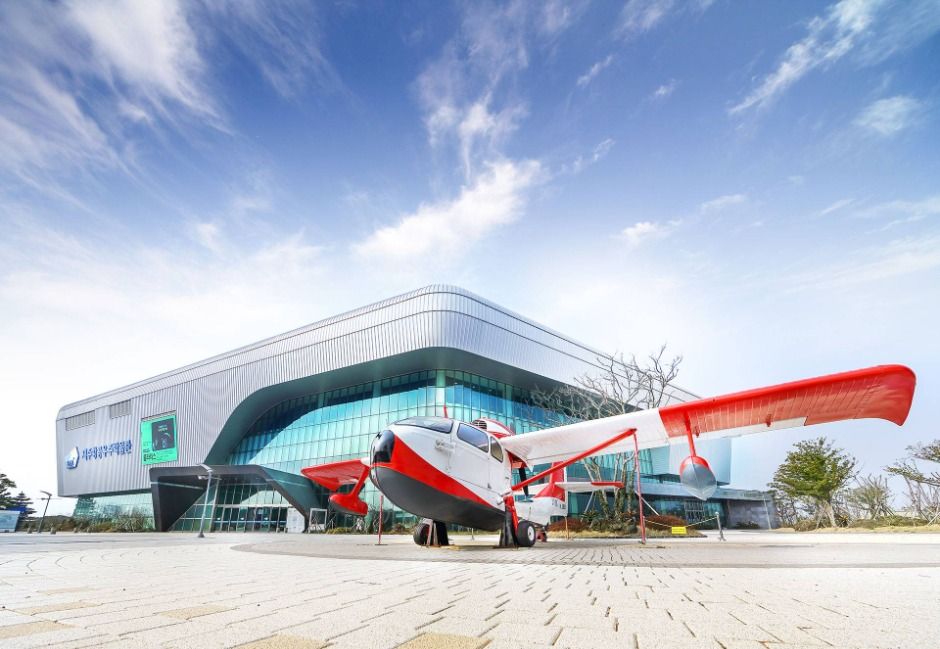
Jeju Aerospace Museum uses state of the art technology and multimdedia to offer information and exhibitions related to aerospace as well as astronomy. It also integrates education with entertainment to provide an enjoyable learning opportunity for both kids and adults.
Innisfree Jeju House (이니스프리 제주하우스)
11.2Km 2024-11-26
425 Sinhwayeoksa-ro, Andeok-myeon, Seogwipo-si, Jeju-do
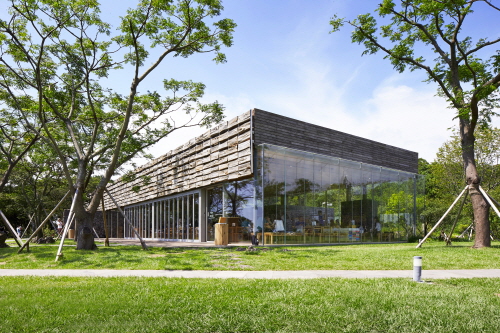
Innisfree is a natural brand that embodies the natural beauty of clean Jeju Island. At Innisfree Jeju House, visitors can experience everything about the brand with a variety of activities that satisfy the five senses, as well as spending a relaxing time surrounded by the beautiful nature on Jeju Island.
Innisfree Jeju House was built to preserve the natural environment of the area. Visitors can feel as if they have become part of nature while they enjoy Innisfree's cosmetics made with quality ingredients harvested from Jeju, as well as organic food made with fresh local ingredients.
Hello Kitty Island (헬로키티아일랜드)
11.9Km 2024-03-12
340 Hanchang-ro, Andeok-myeon, Seogwipo-si, Jeju-do
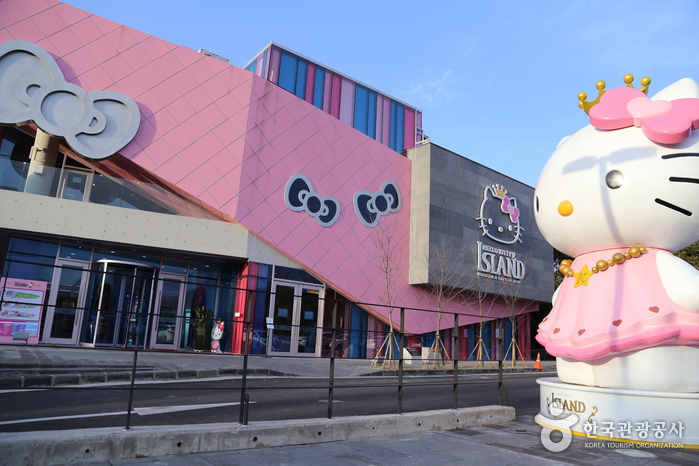
Hello Kitty Island is a Hello Kitty-themed museum featuring a ground floor exhibition hall, a 3D theater, a curated gallery, and a gift shop. On the second floor, there's a Hello Kitty Café, while the third floor boasts an outdoor maze garden. With its adorable interior and beloved characters, it's popular among children. Within a 10-minute drive, visitors can also explore the World Automobile & Piano Museum and the Figure Museum Jeju.
Nohyung Supermarket (노형수퍼마켙)
12.4Km 2025-03-26
89 Nohyeong-ro, Jeju-si, Jeju-do
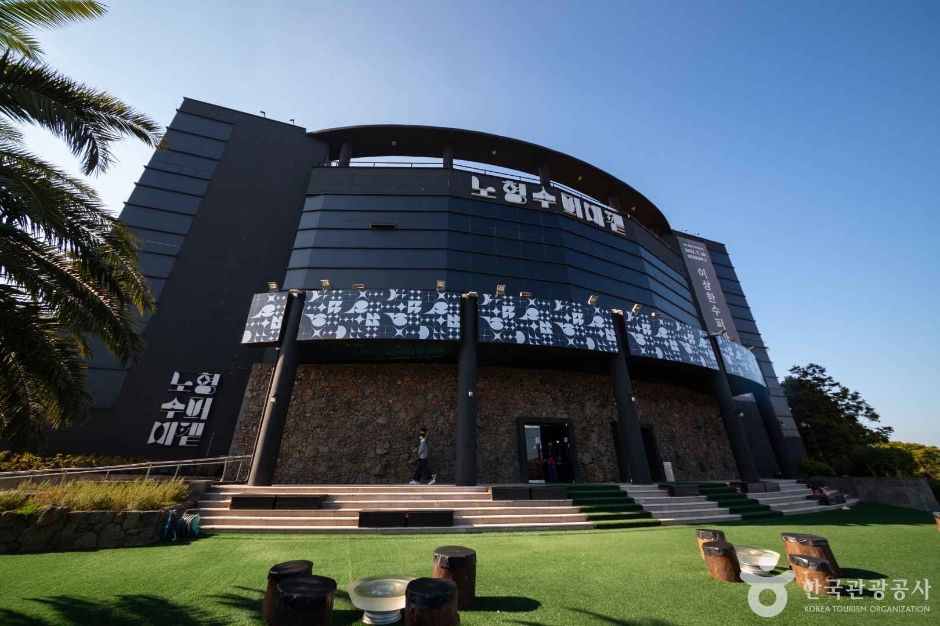
Nohyung Supermarket is a media art theme park of a grand, overwhelming scale with a maximum x_height of 20 meters (equivalent to a six-story building) over a total floor space of approx. 4,000 square meters.
The venue consists of five exhibits centered on media art video spaces under the concept of "a journey of discovering one's own identity in a space where the natural and unnatural coexist." Inside the gallery are shops dedicated to black-and-white theme such as Nohyung Dabang cafe, where one can enjoy a variety of beverages and desserts; and a souvenir shop called Nohyung General Store which sells special souvenirs of unique designs that match Nohyung Supermarket's overall theme.
 English
 한국어
한국어 日本語
日本語 中文(简体)
 Deutsch
 Français
 Español
 Русский


