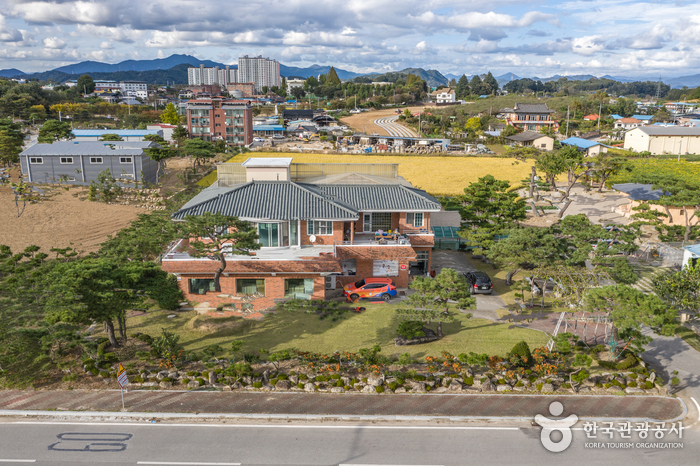
Hu's Silk (허씨비단직물)
12.1Km 2023-10-18
19 , Eopung-ro, Sangju-si, Gyeongsangbuk-do
Situé au centre de Sangju, ville réputée notamment pour sa culture du riz, Hu's Silk est un endroit réputé pour la soie blanche depuis des générations en Corée.
Le site utilise uniquement des techniques traditionnelles pour produire la soie. Il est possible également de profiter de différentes activités sur place ainsi que d'un musée.
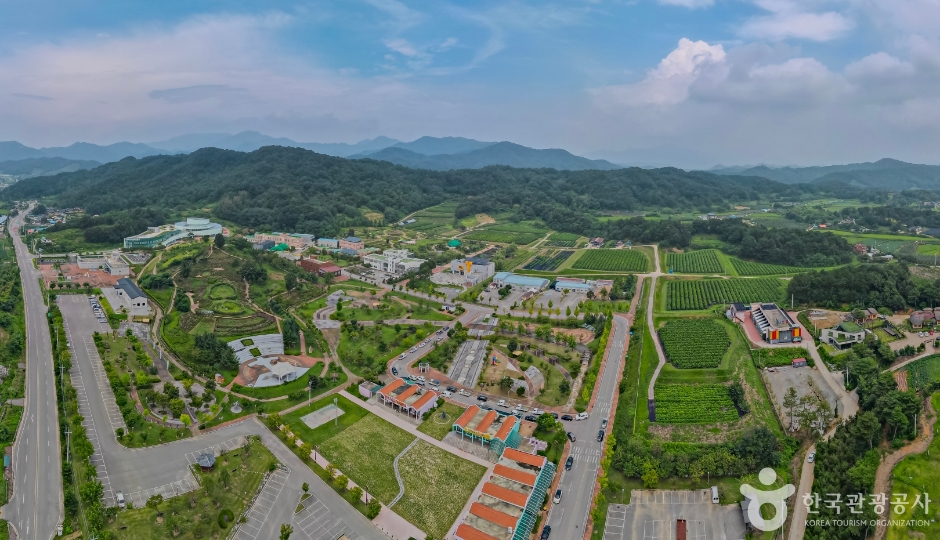
Site Jamsa des plantes et insectes (잠사곤충사업장)
13.9Km 2023-10-30
1621-27, Muun-ro, Hamchang-eup, Sangju-si, Gyeongsangbuk-do
Le site Jamsa des plantes et insectes à Sangju désigne un site touristique où les visiteurs peuvent découvrir des activités écologiques au plus près de la nature et autour de l'univers des insectes. Le site est spécialité sur la culture des vers à soie et des papillons très répandue en Corée.
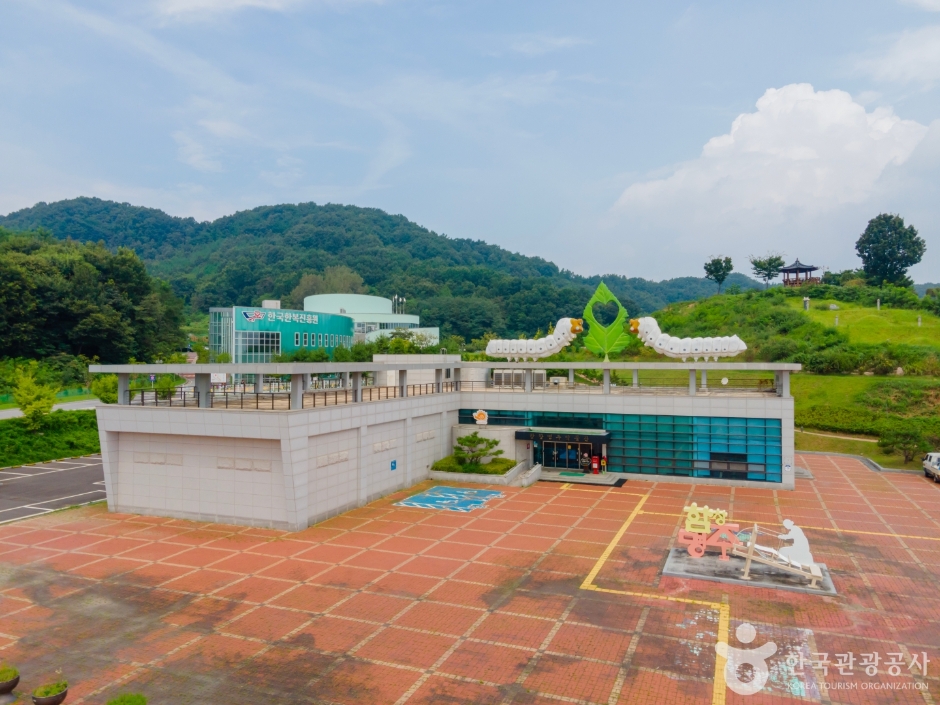
Musée de la soie Hamchang (함창명주박물관)
14.1Km 2023-10-30
1593, Muun-ro, Hamchanp-eup, Sangju-si, Gyeongsangbuk-do
Le musée de la soie Hamchang est dédié à la soie fabriquée de manière naturelle. La zone aux alentours est réputée pour la production de soie, et ce depuis la période de la dynastie Silla. Il s'agit de la plus grande zone productrice de soie en Corée. Le musée de la soie Hamchang, situé dans le parc thématique de la soie Hamchang, permet d'en apprendre plus sur la culture de la soie dans la région et en Corée.
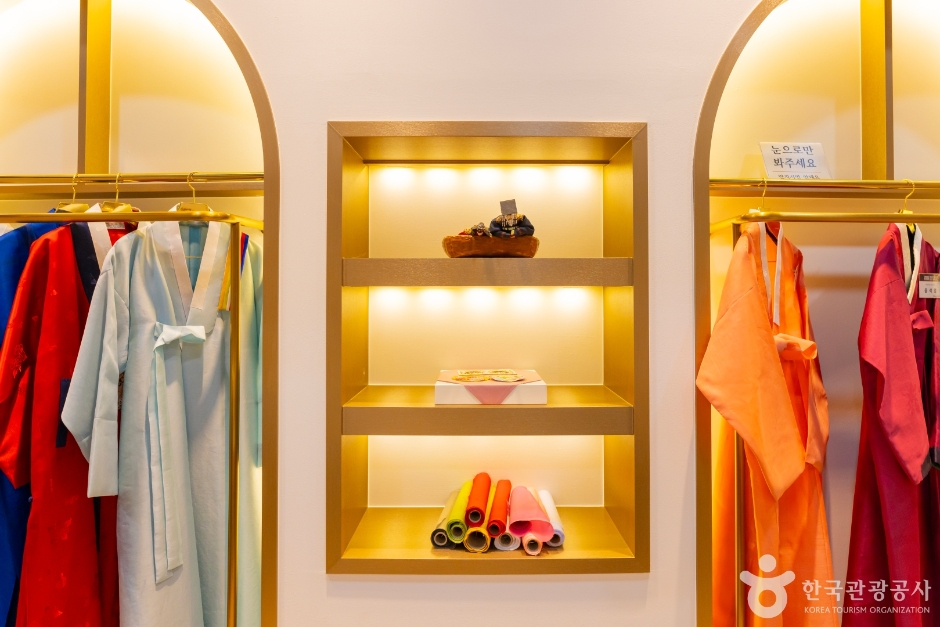
Institut de promotion du hanbok en Corée (한국한복진흥원)
14.1Km 2023-10-30
1591, Muun-ro, Hamchang-eup, Sangju-si, Gyeongsangbuk-do
L'institut de promotion du hanbok en Corée a été inaugurée en avril 2021 à Sangju en tant que première structure culturelle dédiée au hanbok.
Le hall principal au 1er étage présente les jolies couleurs du hanbok à travers différentes expositions. Le centre des activités autour du hanbok propose au public d'essayer des hanbok traditionnels ou modernes. D'autres espaces comme le hall media présente des vidéos et films sur le hanbok notamment à travers les dramas. Le site est un incontournable pour les personnes s'intéressant à la culture du hanbok.
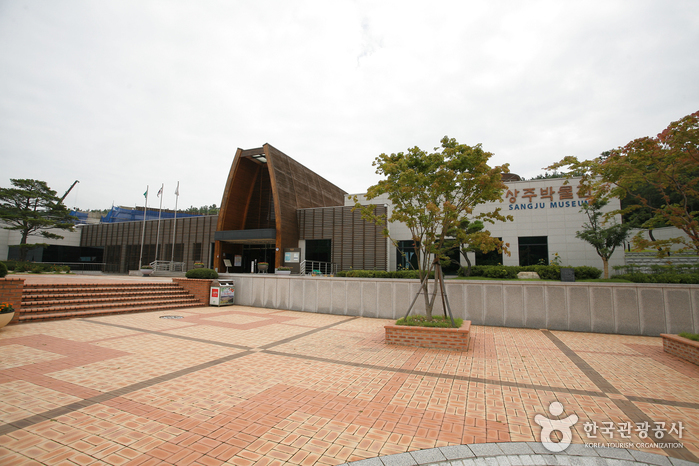
Musée de Sangju (상주박물관)
15.5Km 2023-05-08
Samdeok-ri, Sabyeol-myeon, Sangju-si, Gyeongsangbuk-do
+82-54-536-6160
Le musée de Sangju a pour objectif de mettre en valeur l’histoire de Sangju, et de préserver et d’administrer son patrimoine culturel. Il abrite plusieurs expositions en intérieur, ainsi qu’une pagode de pierre Naksangdong, des lanternes de pierre et d’autres reliques.
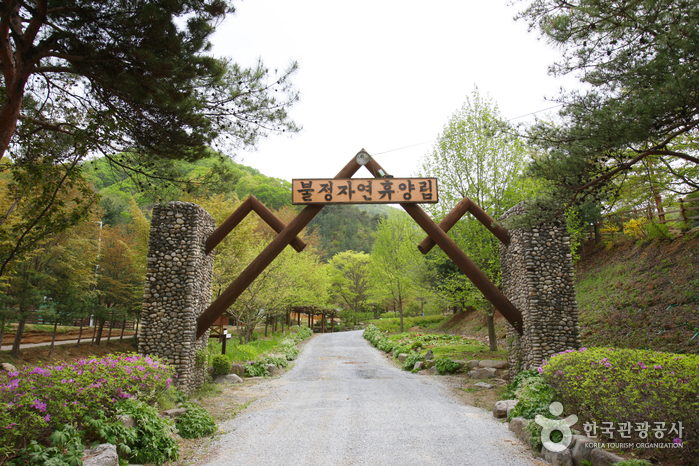
La Forêt Buljeong (불정자연휴양림)
16.7Km 2024-12-19
180, Hyuyangnim-gil, Mungyeong-si, Gyeongsangbuk-do
+82-54-552-9443
La forêt Buljeong est située entre
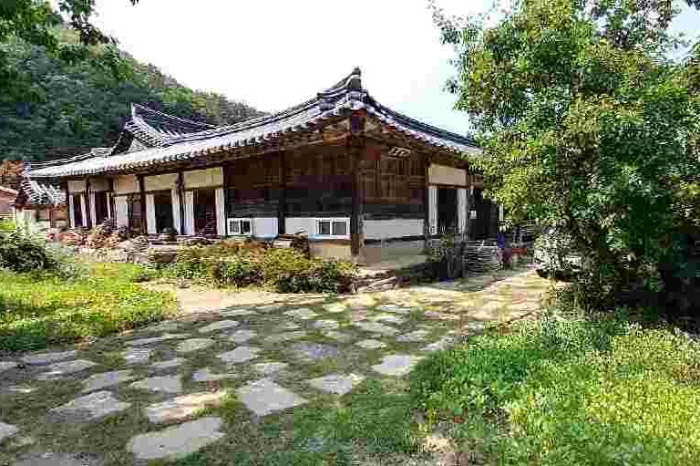
Chunujae House / 춘우재고택
17.5Km 2025-03-05
101, Matjil-gil, Yecheon-gun, Gyeongsangbuk-do
+82-54-655-1717
Chunujaegotaek is an architectural house from the late Joseon period built by Gwon Jin (1568 - 1620). He was the grandson of Gwon Ui, the 10th generation of Gwon Su Hong who, in turn, is the founder of Bokyagongpa. Chunu is the name of Chunu Gwongjin which means “spring rain comes.” Is it because of the name? When rain drops fall on the Chunujae house, the fragrance of the hanok becomes more evident. In the yard are different fruit trees, peepal trees, and chrysanthemums. In particular, the chrysanthemums planted in front of the stone wall are natives to Korea and have witnessed the history of the house. Every year, the chrysanthemum petals are collected for tea brewing and the branches are soaked to make alcohol. A small stream runs outside the house, which makes for a pleasant sound. Staying in the hanok makes life elegant, restful, and idyllic. Currently, Gwon Chang Yong and his wife, the heir of the family, are living in the main room of the main building, maintaining the house. Unwilling to send off guests without meals, they provide breakfast. There are seven rooms in total but accommodation is only allowed on 2-3 floors in summer. Traditional Korean paste making experience is also conducted by Mrs. Gwon. A group of 10 or more is required to make a reservation in advance. Experience program varies depending on the season.
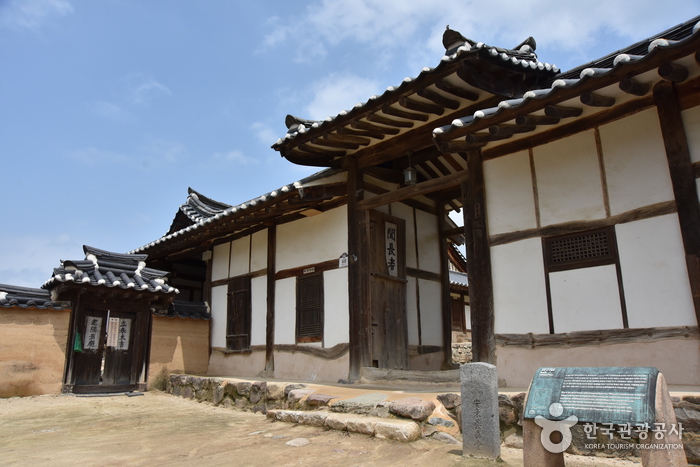
Yangjindang / 하회 양진당
18.2Km 2025-03-05
68, Hahoejongga-gil, Andong-si, Gyeongsangbuk-do
+82-10-4113-8760
“Andonog Hahoe Yangjindang,” located in the Hahoe Folk Village, is Treasure No 306 and the residence of a family with the surname Pungsan Ryu. A tablet read Ipam Antique House, named after Ipam Ryu Jung Yeong (1515 - 1573), is hung on the entrance. Yangjindang is named after the nickname of Ryu Yeong (1687 - 1761), the sixth generation of Gyeongam Ryu Un Ryong, son of Ipam. The name means “nourishing well one's own nature.” The Hanok stands over the entrance, with a well-polished floor that is grand yet friendly. One of the characteristics of the house is that it includes Sarangcha or detached building, which reflects the architecture from the Goryeo period, and Anchae or main building in the architecture style from the Joseon period.
It is expected that such co-existence was made possible because of the repairs done after Imjin War. How fortiunate that the antique house has been preserved until now! The well-tended garden shows the commitment of the descendants to maintaining the space. Rooms are rather simple compared to the grand exterior of the house. Traditional mother-of-pearl furniture, tableware in the cupboard, randomly ceramics placed draw attention. The house resembles a small folk museum. Why not enjoy some traditional folk games during your stay? There is a variety of play tools such as yut, tuho, jegi, tops, and kites. Experience programs such as gayangju brewing, rice cake and traditional dessert making, and flower tea are conducted by the first daughter-in-law of the house, depending on the season.
Ga Gyeong Jae / 가경재
18.3Km 2025-08-12
69-5, Hahoenamchon-gil, Andong-si, Gyeongsangbuk-do
+82-54-855-8552
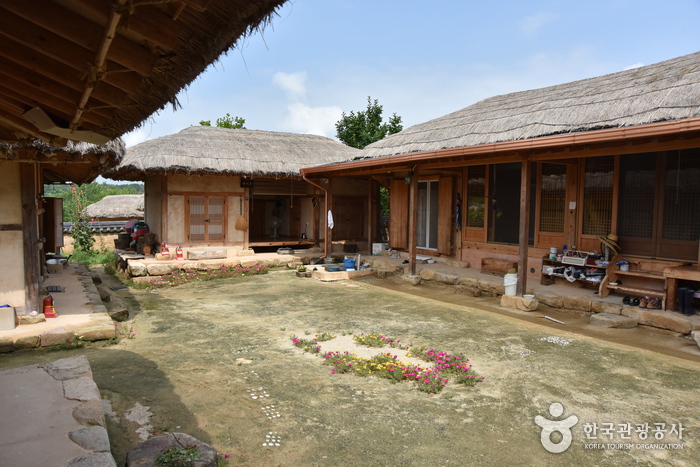
Gagyeongjae, or House with a Beautiful View, is a place with a thatched roof and an unhindered view. Guests can enjoy the view of natural environment over the window, with cool breeze freely flowing in the rooms. There are five rooms in total including Anchae Sangbang, Sarangchae Upper Room and Lower Room, Ondol Red Clay Lower Room, and Door Room. Guests in Anchae can use the central porch, whereas guests in Sarangchae can take advantage of the central floor as well. Ondol Red Clay Room is popular; it is heated by the owner himself through the traditional fireplace outside the room. The room, however, requires reservation at least 2 days in advance.
Air conditioners were recently installed in the hanok. Additional fees are separately charged in summer, but it is just great to enjoy air conditioning in a hanok. Note that reservation and inquiry over the phone is faster and more convenient than that on the website. There are many restaurants and places to experience in Hahoe Folk Village. It is a nice place to enjoy many things and just relax.
Falaise de Buyongdae (부용대)
18.4Km 2021-05-25
72, Gwangdeoksolbat-gil, Pungcheon-myeon, Andong-si, Gyeongsangbuk-do
+82-54-852-6800
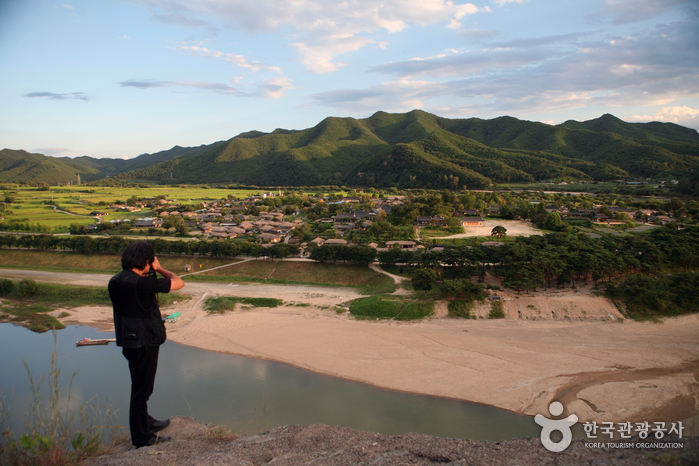
La falaise de Buyongdae mesure 64 mètres de haut et se situe à l’extrêmité de la chaîne de montagnes Taebaek. Le sommet offre une vue panoramique du village de Hahoe à Andong. Son nom vient d’une ancienne histoire chinoise. Le nom de Buyongdae, qui signifie lotus, lui aurait été donné à cause de la configuration du village de Hahoe en forme de fleur de lotus. Par conséquant, c’est depuis la falaise que l’on a la meilleure vue de Hahoe. A proximité de Buyongdae se trouve la maisone de Ogyeonjeongsa, la maison de Gyeomamjeongsa et l’académie de Hwacheon Seowon.
 Français
 한국어
한국어 English
 日本語
日本語 中文(简体)
 Deutsch
 Español
 Русский


