
Kelimgung (계림궁)
12.8Km 2025-07-18
932, Poseok-ro, Gyeongju-si, Gyeongsangbuk-do
Kelimgung is a comfortable hanok pension near the Oreung tombs in, Gyeongju, Gyeongsangbuk-do; the name derives from Gyerim, the forest birthplace of Kim Alji who helped found the ancient Silla kingdom. The main building has four rooms and a shared kitchen, and there are two guest rooms in the yard, where barbecues can be held; reservations are required. Residents can experience traditional activities such as Gamasot cooking and Neolttwigi, and enjoy strolling in the nearby Oreung. Other nearby attractions include Banwolseong, Cheomseongdae, and Daereungwon.
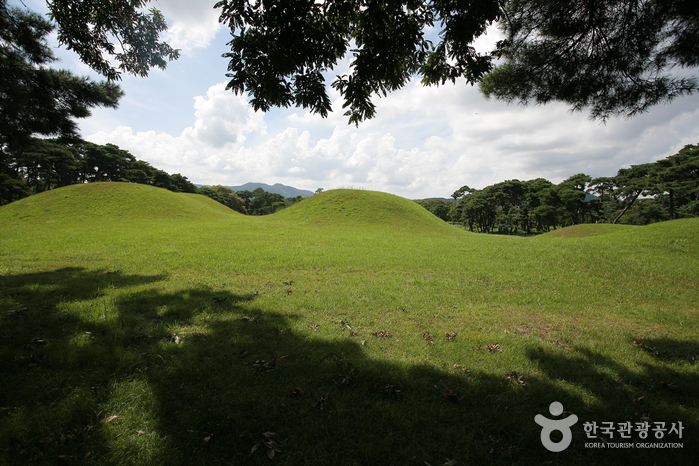
Tumbas Reales Oreung de Gyeongju (경주 오릉)
13.0Km 2025-03-19
Geumseong-ro 38-9, Gyeongju-si, Gyeongsangbuk-do
Las Tumbas Reales Oreung (cuyo nombre significa "Cinco Tumbas") fueron designadas oficialmente Sitio Histórico y albergan los restos de cuatro reyes del clan Park del reino de Silla. Se trata de Park Hyeokgeose (fundador del reino de Silla), el rey Namhae, el rey Yuri y el rey Jabi. También está la tumba de una reina, Aryeong, esposa de Park Hyeokgeose. Al este de las tumbas reales se encuentra el Santuario Sungdeokjeon, que alberga la placa ancestral del rey Park Hyeokgeose. Detrás del santuario se encuentra el Pozo Aryeongjeong, considerado el lugar de nacimiento de la reina Aryeong.
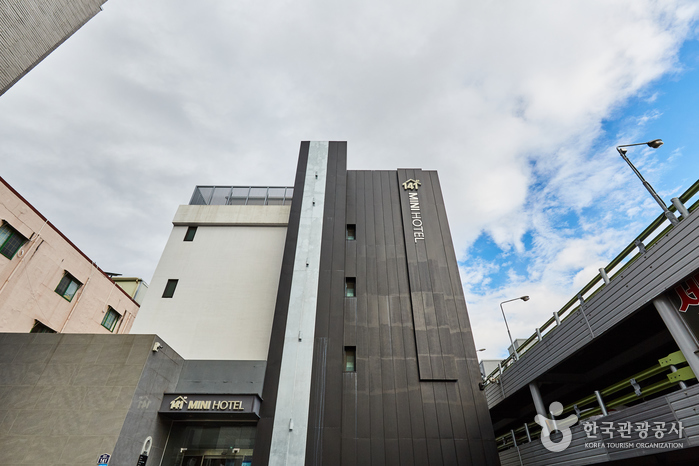
141MINIHOTEL/ 141미니호텔
13.0Km 2025-08-11
141, Wonhyo-ro, Gyeongju-si, Gyeongsangbuk-do
+82-10-9031-1628
'Located in Gyeongju, the capital of Silla Kingdom for 992 years, 141 Mini Hotel lets you enjoy hotel services at motel room rates. It has sauna, book café, small conference room, and business center for the convenience of its guests. The hotel staff are friendly as well. It's very conveniently located, since it's only 5 minutes away from Gyeongju Station and 10 minutes away from the Bus Terminal, both on foot. There are many popular tourist destinations in the vicinity of the hotel, including Donggung Palace, Wolji Pond, Cheomseongdae Observatory, and Bulguksa Temple.
Hwarang Guesthouse (화랑게스트하우스)
13.0Km 2025-07-18
136-1, Wonhyo-ro, Gyeongju-si, Gyeongsangbuk-do
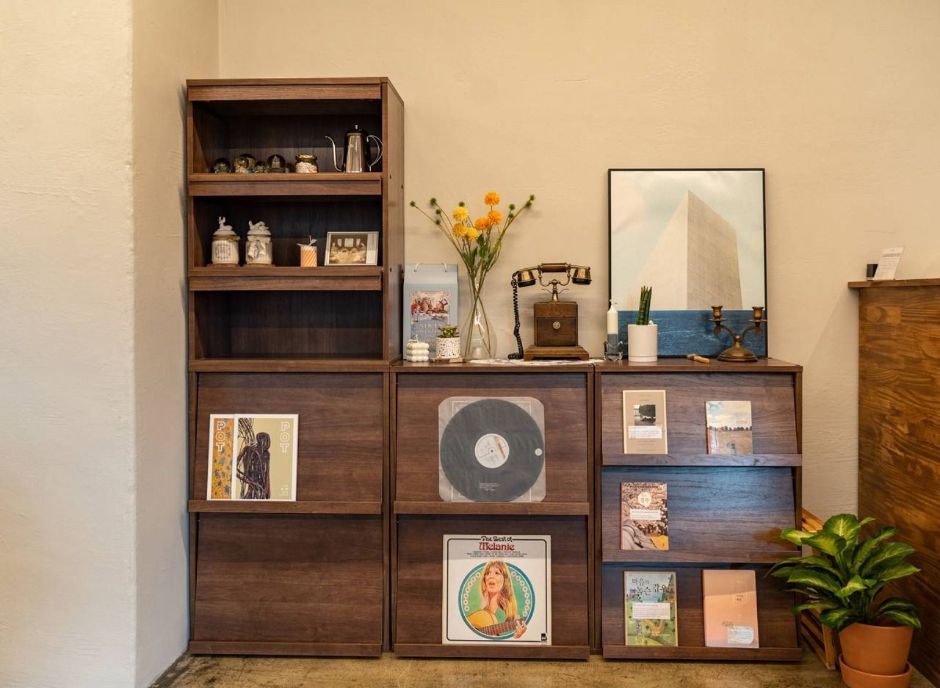
Hwarang Guesthouse near Daereungwon, Gyeongju-si, Gyeongsangbuk-do, offers guestrooms each with separate toilet and bathroom. Refrigerators and laundry facilities are provided for guests, as are a shared-use PC and fax machine, while travel guides and other books are available in the lobby. Silla Kingdom sites such as Daereungwon, Cheomseongdae, Donggung Palace and Wolji Pond are reachable on foot; alternatively residents can hire a bicycle for 7,000 won a day.
Hanokinn (한옥人(한옥인))
13.1Km 2025-07-23
19, Poseok-ro 1050beon-gil, Gyeongju-si, Gyeongsangbuk-do
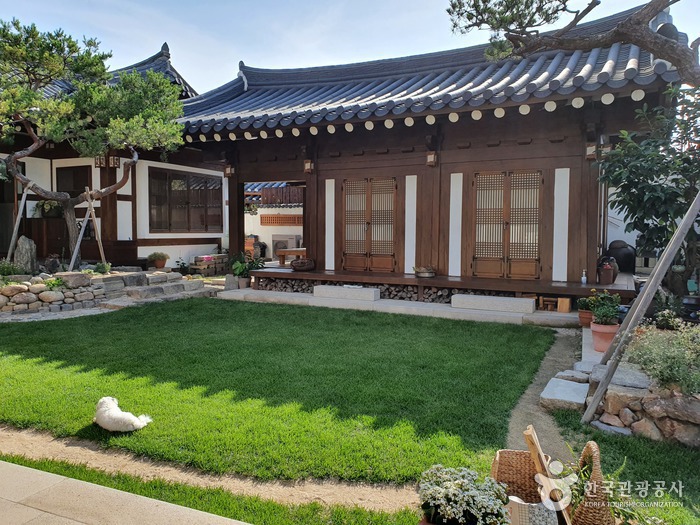
The Hanok Inn is a hotel-class traditional guesthouse in Sansu-dong, Gyeongju, Gyeongsangbuk-do, which consists of 4 separate buildings. The sarangchae - a two-story hanok with a hipped roof - contains a double room and a large family room, finished with red clay and hanji paper; both rooms have toilets. The annex building is a one-storey gable-roofed hanok with a raised wooden patio where guests can drink tea and relax. In the main building there’s a hanok experience room and a friendly cafe-restaurant where breakfast is served. The hanok’s back gate gives onto an alley leading to Hwangnidan-gil, Cheomseongdae Observatory, and the Daereungwon tomb complex; this alley is a favorite photo spot.
Gyeongju Oreung Hanok (경주오릉한옥)
13.1Km 2025-07-18
12-17, Gukdang 2-gil, Gyeongju-si, Gyeongsangbuk-do
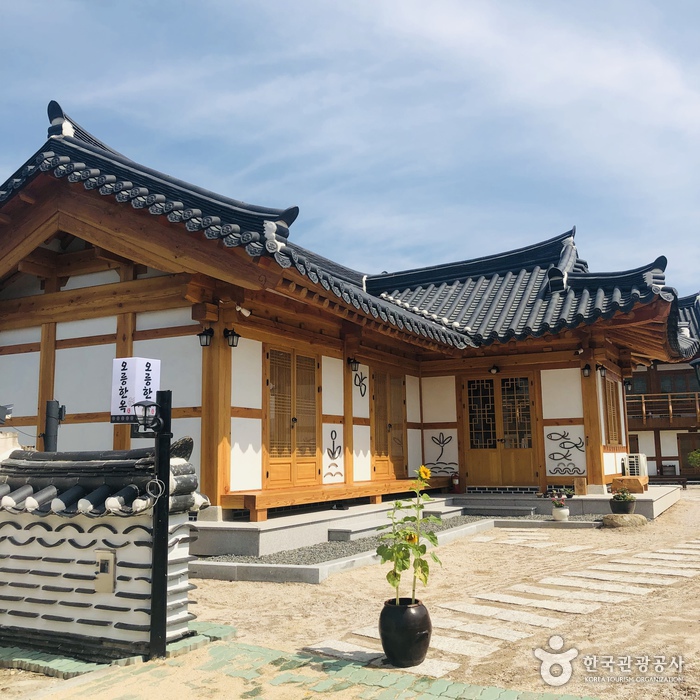
Oreung Hanok in Gyeongju, is a guesthouse just across Namcheon Stream from Gyeongju’s Five Royal Tombs (‘oreung’ in Korean). The guesthouse’s location gives it a panoramic view not only of the tomb complex but over much of the 1,000 year old city of Gyeongju. The cozy rooms have double doors to block drafts and noise, and clean white bedding; while the spacious yard outside is a good spot for taking photos. The bustling Hwangnidan Street is a 15-minute walk away, while must-see sites Cheomseongdae, the Daereungwon tomb complex, Donggung Palace and Wolji Pond are 10 minutes away by car.
Hwangnam Bread (황남빵)
13.1Km 2025-03-19
783, Taejong-ro, Gyeongju-si, Gyeongsangbuk-do
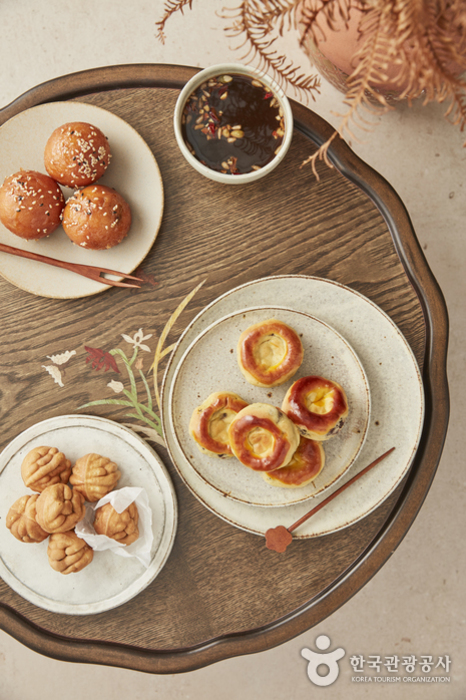
When Hwangnam Bread was created in Hwangnam-dong, Gyeongju, in 1939, people began to refer to it as “the bread from Hwangnam.” Over time, the name stuck. The late Choi Yeong-hwa, the founder of Hwangnam Bread, was a scion of the Gyeongju Choi family who came up with this masterpiece when he was 21 years old after much trial and error. Mr. Choi’s creation is based on the tradition of rice cakes and bread made with sweet red beans, passed down throughout the generations in his family. Even today, 80 years after the creation of the bread, it is only flavored with red beans. Another defining feature of Hwangnam Bread is the delicate comb pattern inspired by the aesthetics of the Silla period.
![Áreas Históricas de Gyeongju (경주역사유적지구) [Patrimonio Cultural de la Humanidad de la Unesco]](http://tong.visitkorea.or.kr/cms/resource/03/2656603_image2_1.jpg)
Áreas Históricas de Gyeongju (경주역사유적지구) [Patrimonio Cultural de la Humanidad de la Unesco]
13.2Km 2025-03-17
Taejong-ro 757, Gyeongju-si, Gyeongsangbuk-do.
Designado como Patrimonio Cultural de la Humanidad por la Unesco en noviembre del 2000, es una zona histórica que conserva toda la historia y cultura de Gyeongju, la antigua capital de Silla (57-935). Se clasifican en un total de 5 áreas históricas. La primera es la zona de Namsan, la cuna del arte budista de Silla. Considerado un museo al aire libre sin paredes, es un lugar en donde persiste el espíritu de Silla, y reúne 37 reliquias budistas; el pabellón Poseokjeong (Sitio Histórico), la roca Tapgok Maaejosanggun (Tesoro – figuras budistas grabadas en roca), la pagoda de tres pisos de piedra del templo Cheonryongsa (Tesoro), la roca Chilburam Maaeseokbul (Tesoro - figuras budistas grabadas en roca), la roca Bulgok Seokbuljwasang (Tesoro), etc. La segunda es la zona de Wolseong, sitio en donde estaban los palacios de la dinastía milenaria de Silla. Se encuentran en esta área el bosque Gyerim (Sitio Histórico), el sitio de la sala Imhaejeon, y el mejor observatorio de Asia, Cheomseongdae (Tesoro Nacional). La tercera es la zona de Daereungwon, el complejo de tumbas reales, los pertenecientes a los reyes, reinas y miembros de la nobleza. Durante su proceso de excavación se han encontrado coronas, pinturas de caballos míticos, variedad de cerámica, etc., entre otras reliquias que han servido como base de estudio histórico. La cuarta es la zona en donde se encontraba instalado el famoso templo Hwangnyongsa (Sitio Histórico). Y por último, la quinta zona, es el lugar en donde se establecía la fortaleza Myeonghwalsanseong (Sitio Histórico), que se presume que fue construido hace 400 años. Estas áreas históricas de Gyeongju, designadas como Patrimonio Cultural de la Humanidad por la Unesco, comprenden un total de 52 patrimonios culturales.
Cheonnyeonae (Gyeongjuppang, chalborippang, chalboritteok) (천년애 경주빵 찰보리빵 찰보리떡)
13.2Km 2025-03-19
Cheomseong-ro 67, Gyeongju-si, Gyeongsangbuk-do
La marca Cheonnyeonae es una de las más emblemáticas de la ciudad de Gyeongju, ya que produce y vende comestibles típicos de la región que son famosos en toda Corea. Suelen llevarse como recuerdos de los viajes. El pan de Gyeongju (gyeongjuppang) es suave y sabroso. Por su parte, el chalborippang (pan de cebada) se produce con este ingredientes, lo mismo que el chalboritteok (pastel de arroz con cebada).
Tumba del Rey Munmu en Gyeongju (경주 문무대왕릉)
13.2Km 2025-03-19
Donghaean-ro 1366-9, Yangbuk-myeon, Gyeongju-si, Gyeongsanbuk-do.
A bordo del autobús que recorre de Gyeongju a Bonggil-ri, llamará su atención la vista de una vasto mar azul que se extiende ante sus ojos. Si fija su mirada sobre las destellantes aguas marinas hallará un islote de roca pequeño pero hermoso que capturará particularmente su atención. Este diminuto islote de roca es la Tumba Subacuática del Rey Munmu (gobernó de 661 a 681), quien unificó los tres reinos y se convirtió en el 30mo. monarca de la Dinastía Silla. Este rey dejó específicas indicaciones para que lo enterraran en el Mar del Este cuando haya expirado, de modo que pudiera convertirse en dragón y proteger Silla de los intrusos japoneses. La isla rocosa de unos 200 m de perímetro, está dividida por dos cursos de agua que fluyen en forma de cruz, formando un estanque en el centro y en el fondo de este último se colocó un bloque de granito de 3,6 m de largo, 2,9 m de ancho y 0,9 m de espesor. Los restos incinerados del rey Munmu se hallan enterrados debajo de este bloque de granito. Los historiadores aún siguen debatiendo sus cenizas fueron esparcidas o puestas en una urna para ser ubicadas debajo del granito. La belleza del paisaje del entorno de la tumba subacuática llega a su plenitud en el otoño.
 Español
 한국어
한국어 English
 日本語
日本語 中文(简体)
 Deutsch
 Français
 Русский


