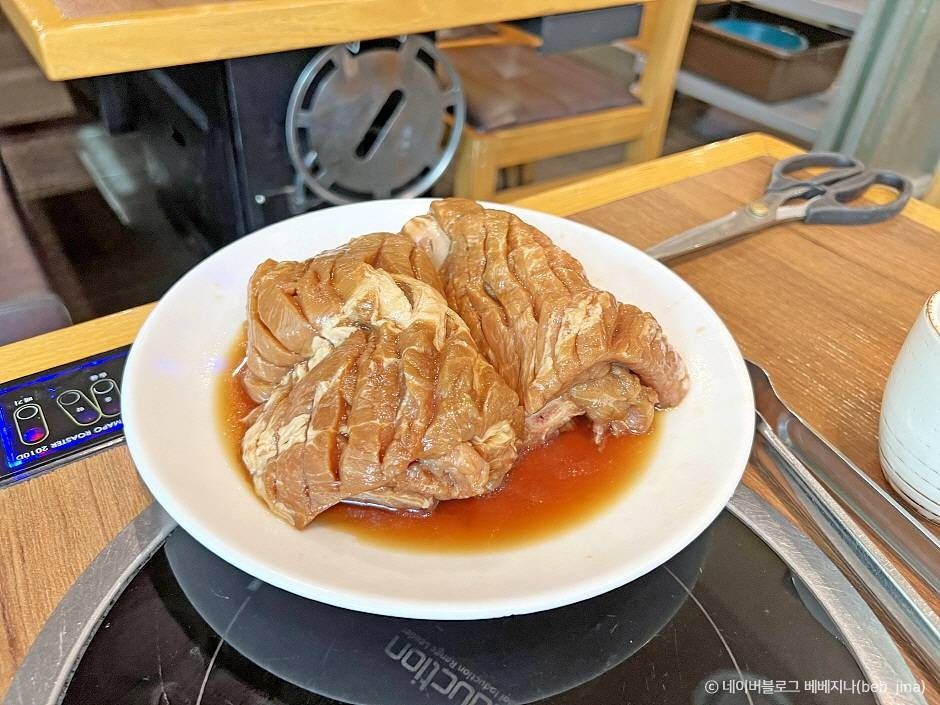
Chammanna (참만나)
12.3Km 2026-01-05
443, Hwarang-ro, Nowon-gu, Seoul
This galbi restaurant is located in Taereung where the popular dish, Taereung Pork Galbi originated. The restaurant is equipped with their original charcoal roasters that release less smoke and smell when grilling pork or beef galbi at the table.
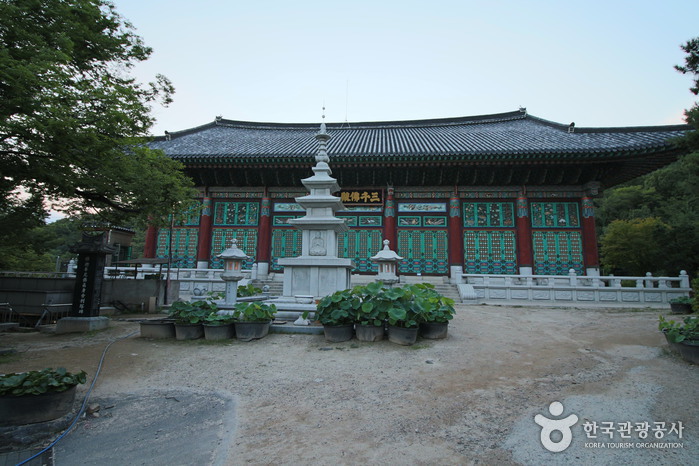
Templo Bongwonsa en Seúl (봉원사(서울))
12.3Km 2023-02-21
Bongwonsa-gil 120, Seodaemun-gu, Seúl.
El templo Bongwonsa es un templo budista milenario ubicado en las faldas del monte Ansan. Este fue construido en el lugar donde actualmente se encuentra la Universidad Yonsei, por orden de la reina Jinseong de Silla, siendo llamado Banyasa. Lamentable, la construcción original desapareció durante la Guerra de Imjin (1592–1598) debido a un incendio, y el templo de la actualidad es una nueva obra realizada en el año 1748, año desde el que es llamado Bongwonsa. Cada 6 de junio, en el templo Bongwonsa se organiza una ceremonia para desear la unificación de las dos Coreas. El Festival Cultural de las Flores de Loto es otra de sus celebraciones anuales.

Universidad de Yonsei (연세대학교)
12.4Km 2023-07-03
Yonsei-ro 50, Seodaemun-gu, Seúl.
La la fundación de esta universidad data del año 1885 y es una de las más reconocidas de Corea. El campus ubicado en Seúl es muy hermoso, cuenta con senderos de paseo, edificios con pintorescas enredaderas. Algunos lugares son especialmente apreciados por las parejas que buscan tener citas románticas. El Instituto de Lengua Coreana tiene muchos alumnos extranjeros que desean aprender el idioma coreano.
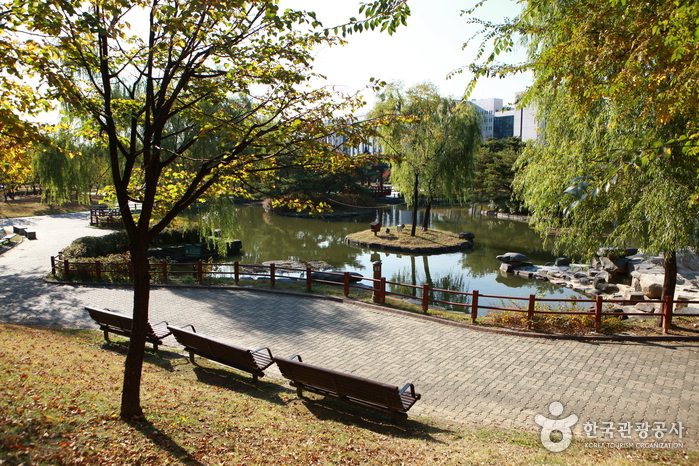
Parque Yeouido (여의도공원)
12.4Km 2023-02-20
Yeouigongwon-ro 68, Yeongdeungpo-gu, Seúl
El Parque Yeouido de Seúl, es como el Central Park de Nueva York, y como el Hyde Park de Londres. Durante 27 años, el parque ha estado cubierto de asfalto negro, hasta que comenzaron las obras de reconstrucción, y finalmente ha llegado a convertirse en un parque de la ciudad, que integra el bosque natural, el césped verde y el agua. Las obras comenzaron el 10 de abril de 1997, luego el 31 de octubre de 1998 se dio la apertura parcial, hasta que en febrero de 1999 se dio su apertura completa. Es un espacio verde, cercano a la ciudad, disfrutable para las personas de todas las edades. Ideal para descansar, pasear y hacer gimnasia, y, también participar en los eventos culturales.

Caminata Nocturna del Río Hangang 42K con Toreta (한강나이트워크42K With Toreta!)
12.4Km 2025-07-23
Yeouigongwon-ro 68, Yeongdeungpo-gu, Seúl
070-4705-2008
La Caminata Nocturna del Río Hangang 42K es la única maratón de caminata nocturna del país, que comienza y termina en la Fuente Nogeum del Parque Yeouido del Río Hangang, en Seúl. La maratón cuenta con tres recorridos: 14K, 22K y 42K, para vivir a pleno las noches veraniegas en Corea. Todos los recorridos cuentan con hermosas vistas, como la Fuente Arco Iris del Puente Banpodaegyo. Debido a que la maratón es para caminar y no para correr, pueden participar personas de todas las edades, que van conversando animadamente toda la noche mientras caminan.
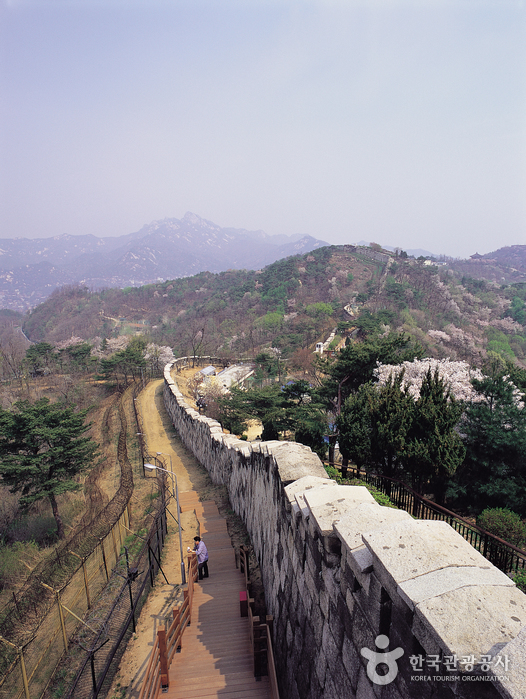
Monte Bugaksan (북악산)
12.5Km 2025-08-21
Cheongun-dong, Jongno-gu, Seúl
Seúl está rodeada de montañas, principalmente Bugaksan, Namsan, Naksan e Inwangsan. Bugaksan, la montaña situada al norte de Seúl, es la mayor de estas, y es un vástago del monte Bukhansan. También es conocida como Baekaksan.
La Fortaleza de Seúl recorre la sierra y la puerta Changuimun (también llamada Jahamun), una de las cuatro pequeñas puertas que rodeaban el castillo durante la época Joseon, se encuentra al oeste de la montaña, cerca de Inwangsan. La ruta Bugak Skyway, que une Changuimun y Arirang Hill en Jeongneung, tiene unas magníficas vistas del centro de Seúl, y pasa por diversas atracciones como Changuimun y el Pabellón Bukak. Otra atracción es el Parque Samcheong, al sur del monte Bugaksan.
Los montes Inwangsan (al oeste de Bugaksan) y Naksan (al este) tenían ubicaciones perfectas según la geomancia coreana pungsu (feng-shui). El monte Inwangsan estaba plagado de tigres durante los comienzos de la dinastía Joseon. De acuerdo con la leyenda, el rey suplicó a la deidad de la montaña que enviara los tigres al otro lado del río Yalu. Aunque los tigres se marcharon, se le permitió quedarse a una tigresa con cachorros, cuyas crías se multiplicaron convirtiendo Inwangsan en un lugar temible lleno de tigres.
Inwang Skyway conecta la parte este de Insangwan con Bugaksan. La ladera este de Inwangsan se ha convertido en una elegante zona residencial, mientras que Guksadang (que significa literalmente "Santuario Nacional") fue desplazado de Namsan a un área al oeste de la montaña en la década de 1920. Aún hoy, se celebran exorcismos chamanes en el santuario, así como rituales en honor de las deidades de la montaña.
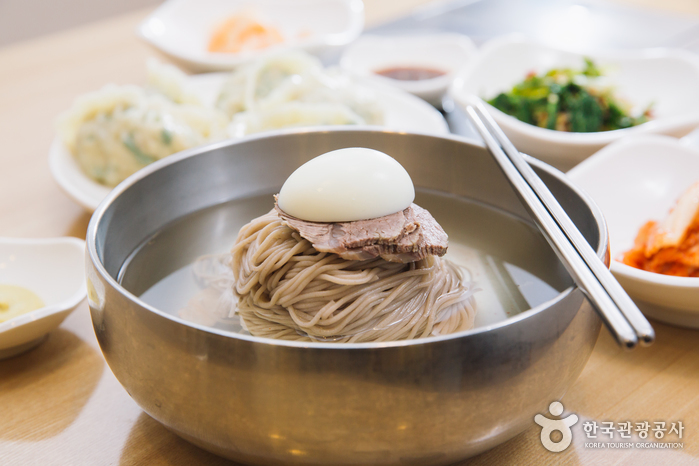
Jungin Myeonok Main Store (정인면옥 본점)
12.5Km 2025-05-16
1F, 10 Gukhoe-daero 76-gil, Yeongdeungpo-gu, Seoul
Jungin Myeonok offers Pyeongyang-style naengmyeon (cold buckwheat noodles), passed down to the owner from parents who came from North Korea.
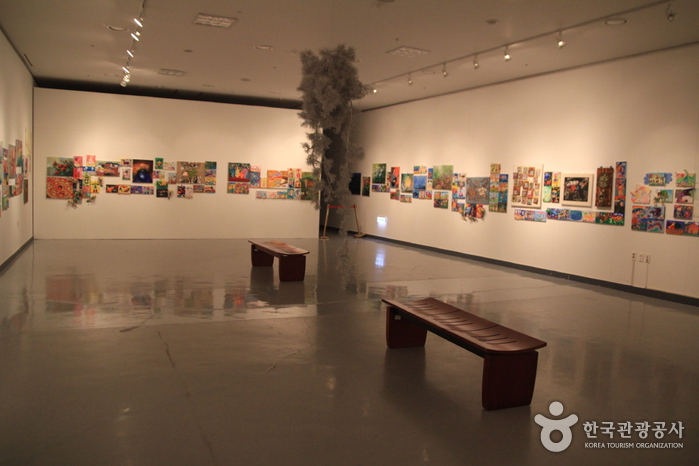
Centro Artístico Bosque de los Sueños (꿈의숲 아트센터)
12.6Km 2025-08-12
Wolgye-ro 173, Gangbuk-gu, Seúl
El Bosque de los Sueños es el cuarto parque más grande de Seúl. En el pasado albergó el parque de atracciones Dream Land. En 2009, la superficie del predio se duplicó, convirtiéndose en un gran espacio verde. El Bosque de los Sueños tiene muchas cosas para ver, desde el santuario de ciervos hasta la Galería Sang Sang Tok Tok y el Centro Artístico Bosque de los Sueños. Sin embargo, de todas las atracciones, la más popular es el observatorio. Conocido por haber salido en la serie Iris’(2009), este observatorio captará rápidamente su atención gracias a su aspecto exterior con características únicas. Aparentando ser una pequeña habitación que cuelga del edificio del Centro Artístico, solo se puede acceder a él tomando un ascensor que sube por una pendiente en dos etapas. Desde la parte superior, se puede ver la ciudad a sus pies. El panorama de 360° incluye vistas espectaculares de los montes Bukhansan, Suraksan y Dobongsan en el norte, y hasta Namsan en el sur.
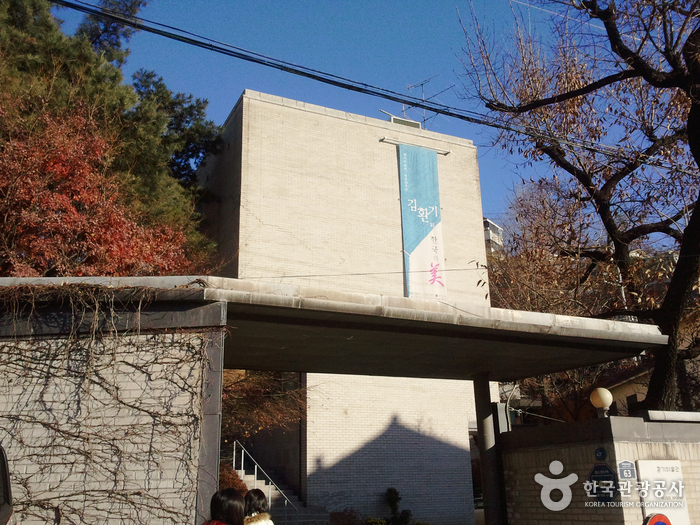
Museo Whanki (환기미술관)
12.6Km 2021-05-21
Jahamun-ro 40-gil 63, Jongno-gu, Seúl
La Fundación Whanji inauguró el Museo Whanki en 1992 en honor al pintor Kim Whanki (1931-1974). El museo posee alrededor de 300 piezas de Kim Whanki, así como realizar diversas exhibiciones especiales sobre el arte contemporáneo y otros eventos, además de exposiciones permanentes de las obras de Kim Whanki. Con dichas actividades, el Museo Whanki se esfuerza por recordar el valor del pintor Kim y sus influencias, y desarrollar más el arte coreano.
Calle de los Libros de la Línea Gyeongui (경의선책거리)
12.8Km 2023-02-22
Wausan-ro 37-gil 35, Mapo-gu, Seúl
La Calle de los Libros de la Línea Gyeongui ha sido instalada a lo largo de dicha línea férrea antigua, cerca de la zona de Hongdae. La calle abarca numerosos espacios culturales, donde los caminantes pueden disfrutar de una vida sana a través de los libros y la literatura.
 Español
 한국어
한국어 English
 日本語
日本語 中文(简体)
 Deutsch
 Français
 Русский


