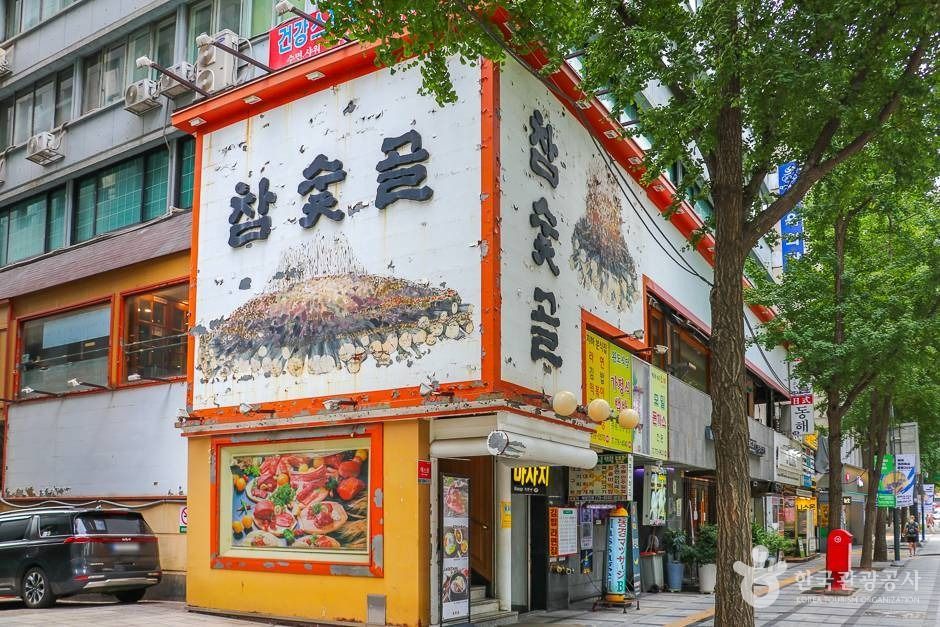
Chamsutgol (참숯골)
2.4Km 2025-05-13
16, Mugyo-ro, Jung-gu, Seoul
+82-2-774-2100
Located in Mugyo-dong in Jung-gu, Seoul, Chamsutgol (참숯골) is an upscale restaurant serving hanu beef dishes. The restaurant uses only top quality hanu beef from young cattle (two years old or younger) raised on farms in Jeolla-do Province. For freshness and tenderness, the restaurant serves only fresh meat (not frozen) of A+ grade or higher. To bring out its juiciness and tenderness, the meat is grilled on a charcoal fire.
The elegant ambience and décor and the variety of rooms in different sizes make the restaurant a favorite choice for special events. It is also regularly visited by international tourists. Popular dishes are the sirloin steak and marinated ribs, doengjang soup, and yeongyang dolsotbap (rice served in a hot stone bowl).
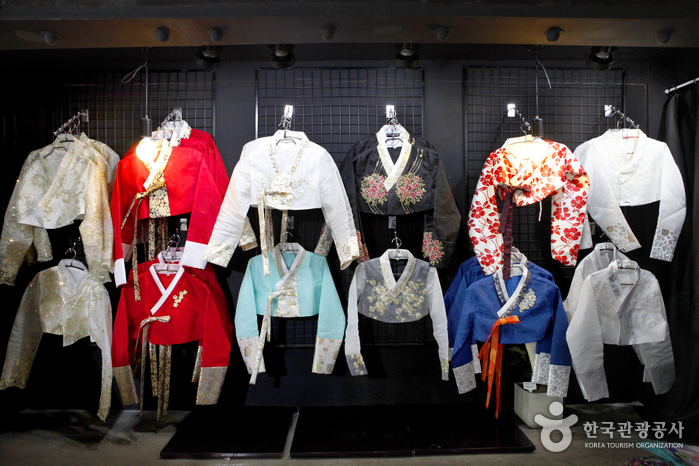
Hanboknam (한복남)
2.4Km 2025-07-11
Sajik-ro 133-5, Jongno-gu, Seúl
Hanboknam nace en Jeonju en el año 2012 para difundir la belleza del traje tradicional coreano: hanbok. En 2015 fue seleccionado como Empresa Creativa de Turismo por el Ministerio de Cultura, Deportes y Turismo de Corea. Al año siguiente, abrió las puertas de su tienda en Bukchon, Seúl. En este lugar, los turistas pueden encontrar todos los tipos de hanbok: desde el de los reyes hasta el de los pobres. Con solo elegir un hanbok, los personales te recomiendan el resto de los accesorios. En cuanto al horario del alquiler, disponen de 1 hora 30 minutos, 2 horas 30 minutos, 4 horas y un día entero.
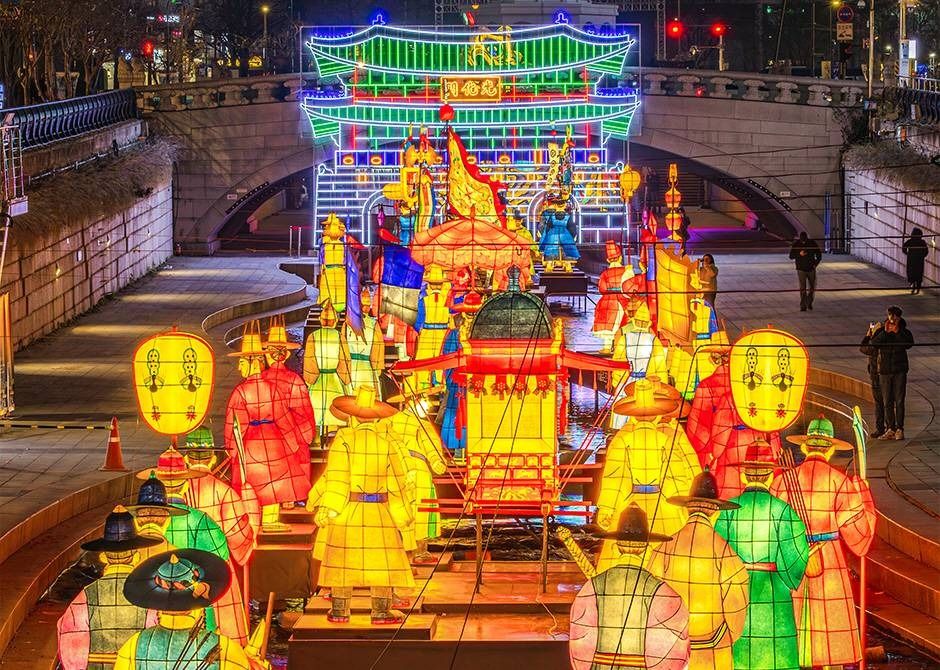
Festival de los Faroles de Seúl (서울빛초롱축제)
2.4Km 2025-12-31
Taepyeong-ro 1-ga 1, Jung-gu, Seúl.
02-3788-8168
Es un festival internacional de faroles realizado desde el año 2009 en pleno centro de Seúl. Este año, en la edición 2025-2026, habrá unas estructuras iluminadas sobre dos arroyos de la ciudad: Cheonggyecheon y Uicheon.
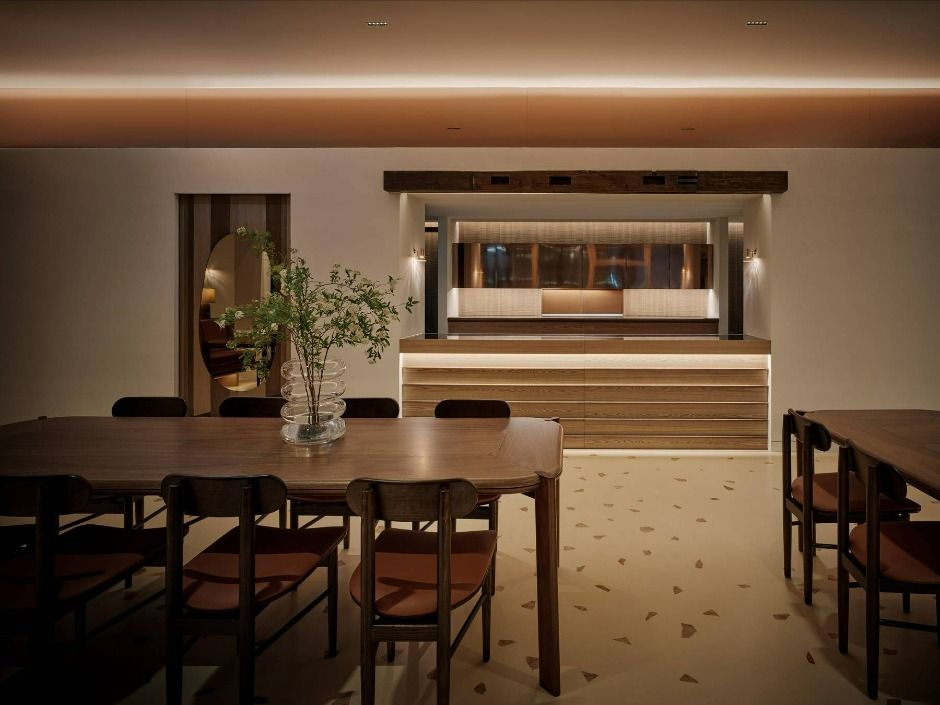
Mallijihwa Main Branch (만리지화 본점)
2.4Km 2025-11-27
17, Jong-ro 3-gil, Jongno-gu, Seoul
Mallijihwa, which embodies the meaning "eel that travels 10,000 ri and met fire," is an eel dining brand that modernizes the depth of Korean gastronomy. The restaurant's name was inspired by the eel's remarkable strength to swim across vast oceans to its spawning grounds—so significant that it is referred to as "malli fish" in the "Donguibogam" ("A Precious Mirror of Eastern Medicine"). Hence the name, Mallijihwa specializes in serving grilled eel, which is carefully grill with briquettes. The restaurant reinterprets eel with Korean aesthetics, offering a comfortable and elegant dining experience in a space that blends traditional architectural elements with a modern twist. The dishes served here offers an outstanding dining experience where the texture of the eel melts in one's mouth, and its flavor lingers long after. Signature dishes include grilled eel rice bowls, grilled eel, eel gujeolpan (platter of nine delicacies), and eel meal courses. The restaurant also offers seasonal lunch box made with fresh, seasonal ingredients.
Modern Shabu House Gwanghwamun D Tower Branch (모던샤브하우스 광화문D타워점)
2.4Km 2025-12-03
17, Jong-ro 3-gil, Jongno-gu, Seoul
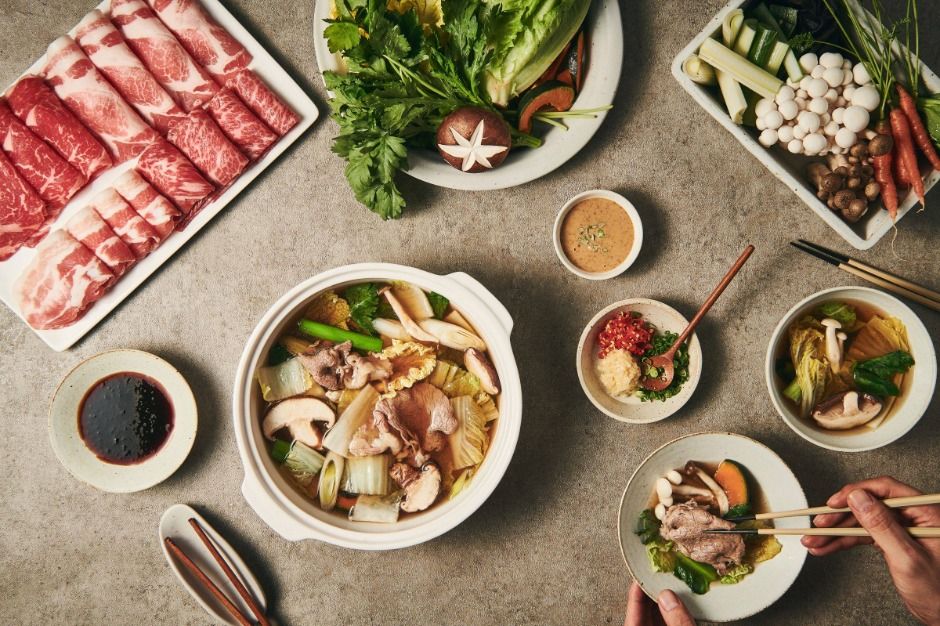
Located in Jongno-gu, Modern Shabu House Gwanghwamun D Tower Branch offers a selection of specialty broths to enjoy unlimited beef, pork, and vegetables. The restaurant serves four cuts of pork and beef in every course. The interior is designed with natural materials like earth, stone, and wood, inspired by the fluid process of cooking ingredients like meat and vegetables in a pot. The design reflects the natural movement and flow of ingredients as they cook together. The restaurant also has a range of private rooms, making it a popular choice for families with children and for gatherings, providing a comfortable dining experience.
The Westin Josun Seoul (웨스틴 조선 서울)
2.4Km 2025-07-18
106, Sogong-ro, Jung-gu, Seoul
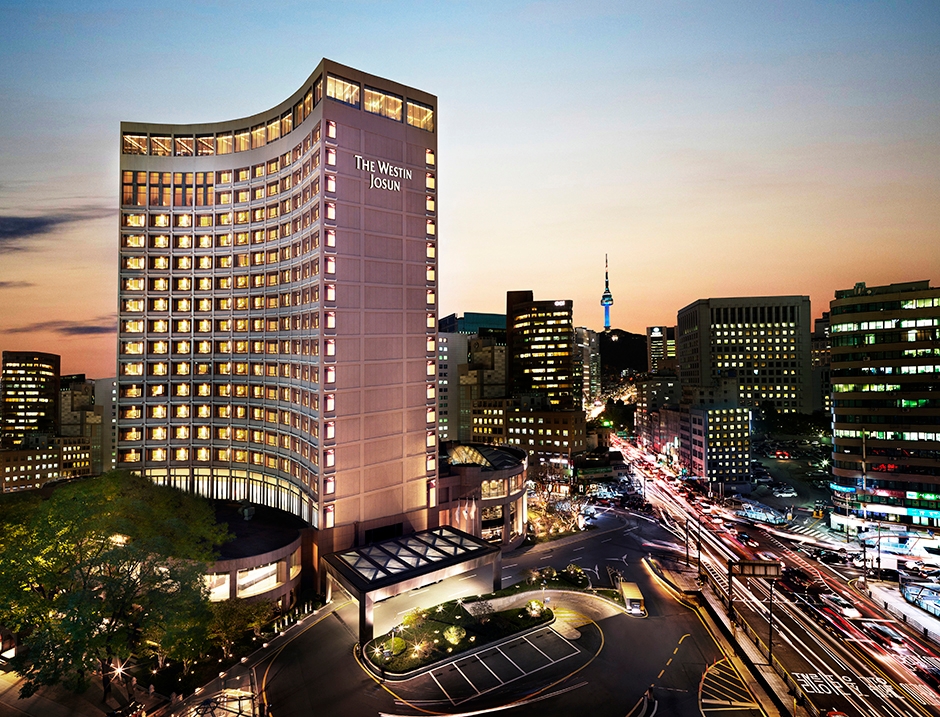
The Westin Josun Seoul is situated in the heart of the business and shopping center of Seoul, where the embassies, banks, and government offices are also located. In 1999 and 2003, the Westin Josun was selected as one of the world's top 100 hotels by international financial institutional investors, boasting newly renovated state-of-the-art facilities and rooms, and great service. The hotel has a health center including a swimming pool, spa, and gym; a business center, conference rooms in various sizes, and restaurants. The Westin Josun also manages a banquet hall service with food catered from Gangnam's COEX food courts. The hotel provides the finest business environment, offering a cutting-edge facility holding guestrooms with desktop PCs, high-speed internet connections, TV internet, fax machines, printers, copy machines, automatic climate control, mini bars, and a 24-hour room service to accommodate to guests' every need. The VIP rooms come furnished with 'Heavenly Beds' guaranteeing the best of comfort.

Museo del Hanbok de Lee Rhee-za (이리자 한복전시관)
2.4Km 2022-06-30
Samcheong-ro 20, Jongno-gu, Seúl.
Este museo, en lugar de representar simplemente los hanbok (trajes tradicionales), demuestra de manera simple los ritos de paso que debe atravesar una persona, desde su nacimiento hasta la muerte, y, en su conjunto, presenta la vestimenta y sus accesorios correspondientes. Los trajes tradicionales son obra de la famosa diseñadora de hanbok Lee Rhee-za, los cuales también se pueden utilizar en la actualidad. Además de los trajes, también podrá conocer la gran variedad de accesorios y adornos tradicionales.
Museo de Arte Kumho (금호미술관)
2.4Km 2023-02-22
Samcheong-ro 18, Jongno-gu, Seúl.
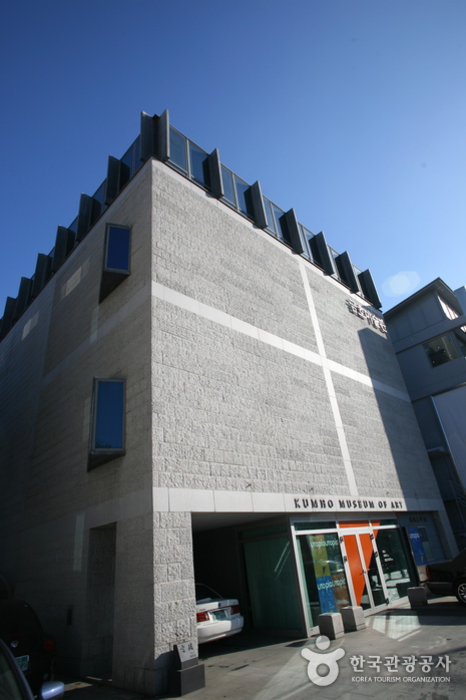
El Museo de Arte Kumho fue inaugurado el 10 de mayo de 1989, con el objetivo de proporcionar espacio para la exposición de obras de los nuevos artistas y de esta manera desarrollar, capacitar y beneficiar el sector de la cultura artística. Luego, en octubre de 1999, con la llegada de Park Gang-ja, la nueva titular del museo, se transformó en un complejo artístico y cultural.
Galería Hyundai (갤러리 현대)
2.4Km 2021-03-09
Samcheong-ro 14, Jongno-gu, Seúl.
+82-2-2287-3500
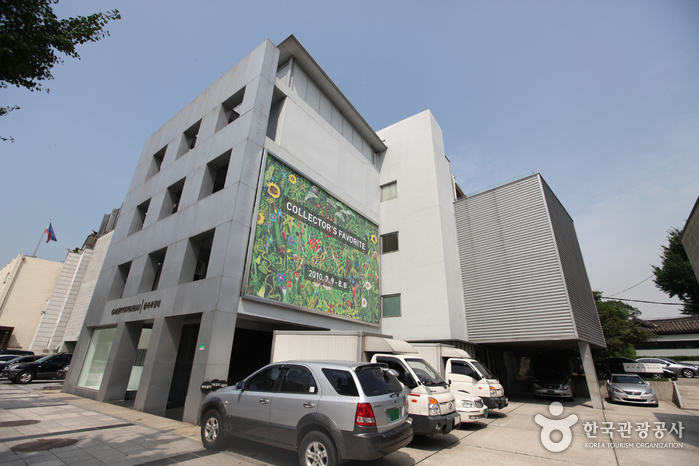
Fue inaugurada en abril de 1970, con el nombre “Hyundai Hwarang” en Insa-dong, distrito de Jongno-gu, Seúl. Durante más de 40 años ha presentado exposiciones de los artistas más célebres en la historia de Corea: Park Su-geun, Lee Jung-seob, Kim Hwan-gi, Chang Ucchin, Chun Kyung-ja, Lee Dae-won, Yu Yeong-guk, Lee U-fan, Paik Nam-june, Shim Moon-seup, etc.
Consta de dos edificios, el principal y otro anexo, y también dispone de una sede en Gangnam. La galería de Gangnam abarca una dimensión más amplia de artistas sin restricción de género ni estilo, de tal manera que presenta exposiciones de alta calidad, posibilitando el conocimiento del mercado artístico tanto nacional como extranjero. Esta institución artística también se encarga de presentar y promocionar a artistas jóvenes.
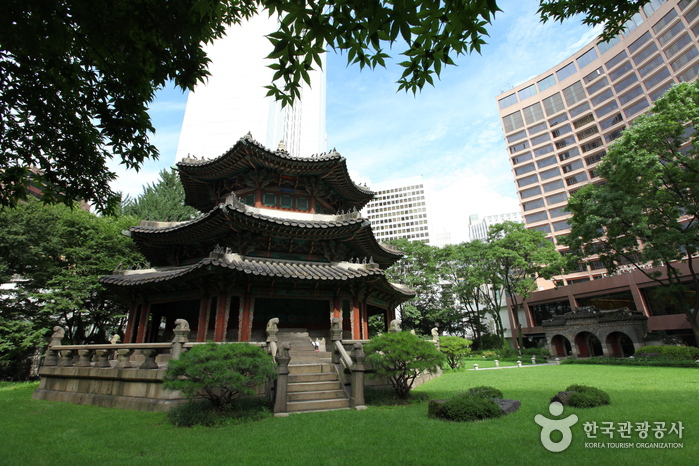
Altar Hwangudan (환구단)
2.4Km 2021-07-30
Sogong-ro 112, Jung-gu, Seúl
El Altar Hwangudan es uno de los altares donde se realizaban rituales sagrados. Los primeros se hicieron durante la dinastía Goryeo, a cargo del rey Seongjong, en el primer mes de 983 (2º año de su reinado), pero su realización se vio interrumpida en diversos períodos hasta que en 1456, ya en la dinastía Joseon, se retomaron estas prácticas. El Altar Hwangudan empezó a tener rituales 1457, pero en 1464 se abolieron nuevamente hasta 1897.
 Español
 한국어
한국어 English
 日本語
日本語 中文(简体)
 Deutsch
 Français
 Русский


