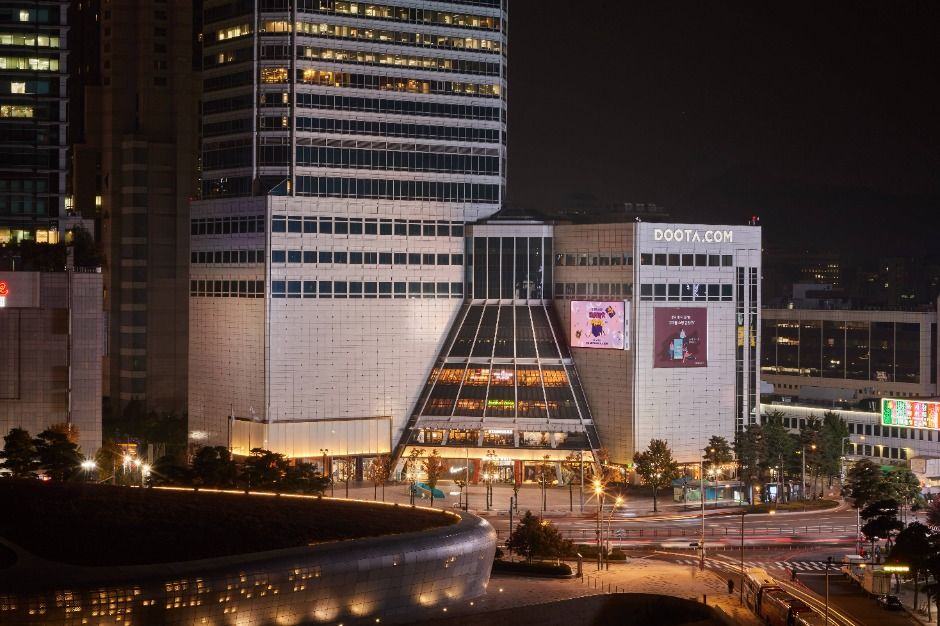
Doota Mall (두타몰)
1.8Km 2025-09-03
275, Jangchungdan-ro, Jung-gu, Seoul
Doota Mall is a must-visit shopping destination that represents Dongdaemun - the center of K-fashion and culture in Seoul! Doota offers a true one-stop shopping experience across fashion, beauty, lifestyle, and dining - from K-designers, sportswear, women and men's apparel to a wide variety of cafes and restaurents. Open until midnight, Doota welcomes intenational travelers with special gifts and exclusive benefits.
Sieunjae / 시은재
1.8Km 2025-08-13
439, Samil-daero, Jongno-gu, Seoul
+82-10-5355-3029
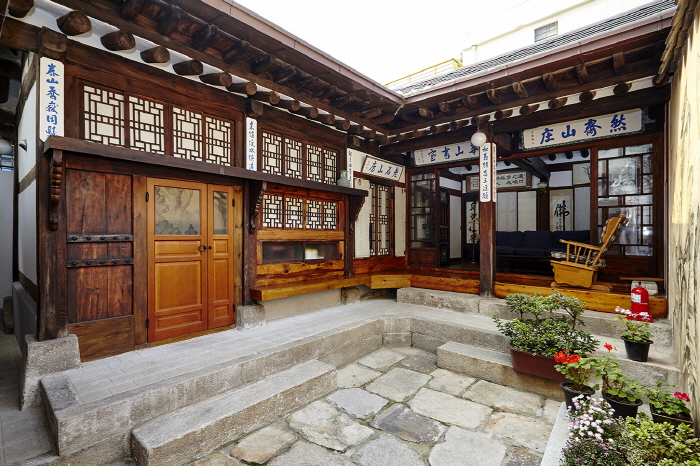
Located in Gyeongun-dong, Jongno-gu at the very heart of Seoul, Sieunjae is a hanok with a longstanding tradition. It has three guestrooms including the anbang (main room), byeolchae (detached building), and jakeunbang (small room). The anbang is the only room with a living room, where various items of old furniture, including a comfortable sofa, create an antique atmosphere. The communal bathroom and toilets are supplied with toiletries, while the communal kitchen is equipped with cooking equipment and a washing machine.
The house can be rented either as individual accommodations or in its entirety. As it is situated in Jongno-gu, at the very heart of Seoul, guests can easily reach many nearby major tourist attractions. Car users are advised to use the public parking lot as the house has no parking spaces. Entering by a small gate, the little flowerbed comes into sight. This old hanok shows traces of repair works on the tiled roof.
Insa-dong Antique Art Street (인사동 고미술거리)
1.8Km 2025-08-04
29, Insadong-gil, Jongno-gu, Seoul
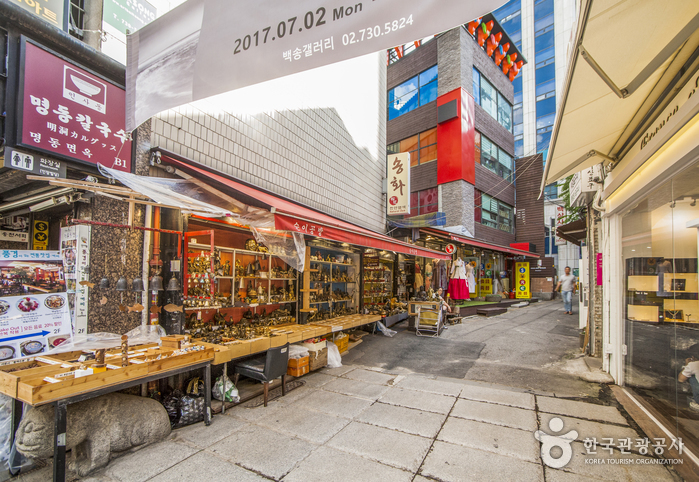
As of today, there are approximately 70 shops in the Insa-dong area that sell antique arts. Some of the products they sell include antique artworks, porcelains, woodcrafts, and metalwork. Visitors may even find rare and valuable products such as earthenware from the Silla period or white porcelain used in the Joseon dynasty. Each shop is a specialty store, authorized to sell product types that are of their expertise, ranging from antique furniture and traditional artworks to handcrafted items.
Isae (이새)
1.8Km 2024-02-21
Insadong-gil 30-1, Jongno-gu, Seúl
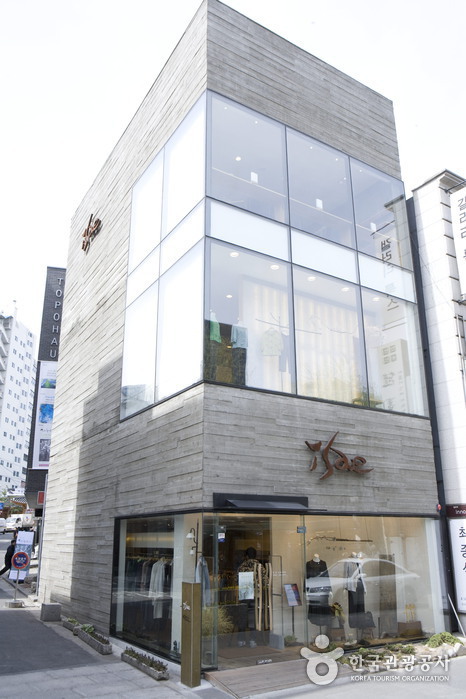
Esta tienda ubicada en el área de Insa-dong, Seúl, vende vestidos confeccionados con telas libres de químicos artificiales. Está destinada a clientela femenina.

Imun Seolnongtang (이문설농탕)
1.8Km 2025-08-08
38-13, Ujeongguk-ro, Jongno-gu, Seoul
Imun Seolnongtang has been serving its hearty seolleongtang for over a hundred years since it first opened in 1907. Even its name has a long history: the word imun comes from Imun-gol, the now-obsolete name of the restaurant’s location, and seolnongtang, an old variation of the word seolleongtang. During the Japanese ocupation rule, the restaurant’s regular customers included Gijeong Son, the marathon gold-medalist at the 1936 Berlin Olympics. To make the rich seolleongtang broth, beef meat and bones are simmered for more than 15 hours. Try putting rice and minced green onion in your seolleongtang for a warm and tasty experience. Kkakttugi (diced radish kimchi), provided as a side dish, is also delicious.
Insadong Chatjip (인사동찻집)
1.8Km 2025-06-24
33-1, Insadong-gil, Jongno-gu, Seoul
Insadong Chatjip is a hanok teahouse that serves home-made traditional tea. Even the red beans used in the summer delicacy patbingsu
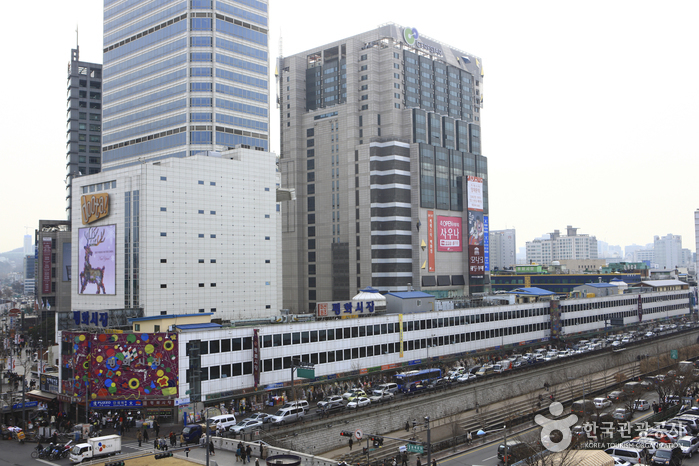
Mercado Dongdaemun y Shopping Town de Dongdaemun (동대문 종합시장·동대문 쇼핑타운)
1.8Km 2025-04-07
Jong-ro 266, Jongno-gu, Seúl.
El Mercado Dongdaemun es uno de los mercados más representativos de Corea y fue fundado el 23 de diciembre de 1970, como el mayor de su clase en Asia. En diciembre de 1985 se estableció Shopping Town de Dongdaemun y ahora el área abarca cinco edificios en total (A, B, C, D, y Shopping Town). Hay más de 5.000 tiendas situadas en este complejo que venden telas diversas, materiales, accesorios, artículos para bodas, etc.
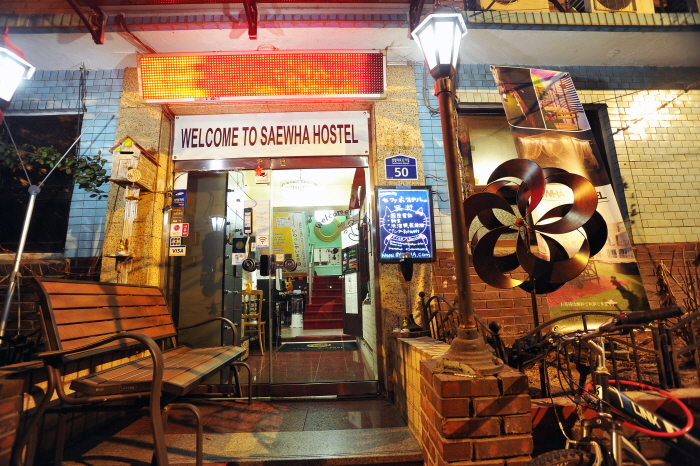
Saewha Hostel (세화호스텔)
1.8Km 2025-07-23
50, Samil-daero 32ga-gil, Jongno-gu, Seoul
Located in Jongno, in the heart of Seoul, Saehwa Hostel offers a variety of guest rooms, including ondol rooms and bedrooms, for up to 3 people. There’s a bathtub in each room. Shared PCs, massage chairs, microwave ovens, washing machines and dryers are all available free of charge. A simple free breakfast is provided, plus a free international phone service and a foreign language guidance service. Seoul Station is 15 minutes away by subway, and the airport limousine bus stops at Jongno 3-ga station. Changdeokgung Palace, Jongmyo Shrine, and downtown shopping streets are all reachable on foot.
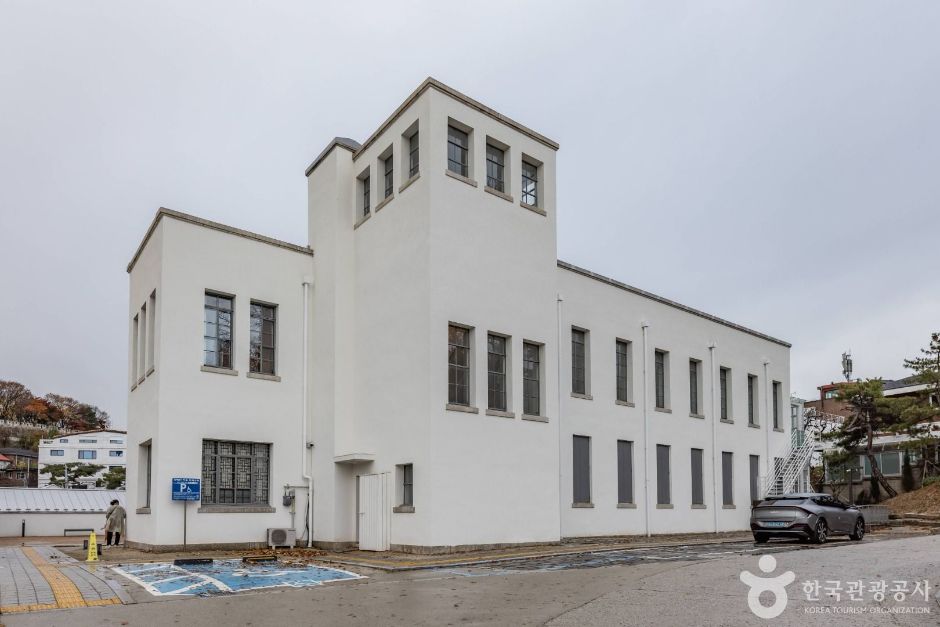
Museo de Arte Kansong (Edificio Bohwagak en Seúl) (간송미술관(서울 보화각))
1.8Km 2025-08-08
Seongbuk-ro 102-11, Seongbuk-gu, Seúl.
El Museo de Arte Kansong fue el primer museo de arte privado de Corea. Inaugurado como Bohwagak en 1938 por Jeon Hyeong-pil (Kansong era su seudónimo), el nombre cambió al actual Museo de Arte Kansong en 1966. Bohwagak fue declarado Patrimonio Cultural Nacional el 30 de diciembre de 2019. Jeon Hyeong-pil dedicó su vida a preservar e investigar las reliquias representativas de Corea, devaluadas y exterminadas deliberadamente durante la época de la ocupación japonesa, así como a reconocer su excelencia y belleza cultural. El museo alberga 11 tesoros nacionales y 22 tesoros.
Museo Kimchikan (뮤지엄 김치간)
1.8Km 2025-05-26
Insadong-gil 35-4, Jongno-gu, Seúl
Desde su fundación en 1986, el Museo Kimchikan ha expuesto las reliquias históricas relacionadas con el kimchi, los diversos tipos, maquetas de los procesos del preparado, e información sobre la eficacia derivada de su proceso de fermentación. Los visitantes aprenderán sobre el origen y la historia del kimchi a través de libros, pinturas y escrituras antiguas, y los diferentes tipos de vasijas almacenadoras de kimchi junto con los utensilios tradicionales de cocina que se utilizaban para prepararlo. También se exponen diferentes tipos de kimchi característicos en cada región de Corea y espacios para actividades.
 Español
 한국어
한국어 English
 日本語
日本語 中文(简体)
 Deutsch
 Français
 Русский


