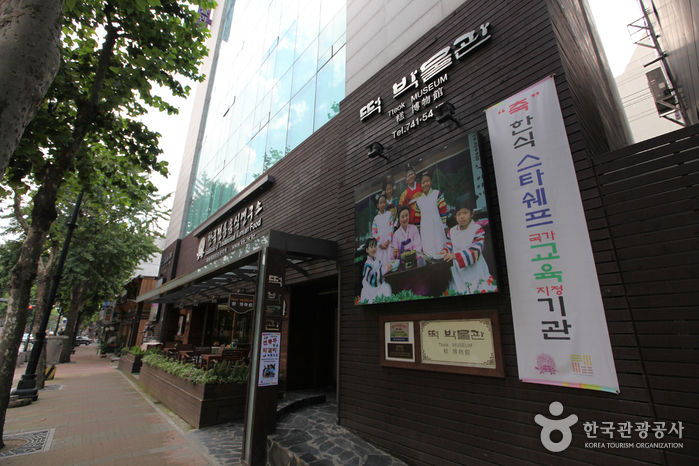
Museo del Tteok (떡박물관)
1.0Km 2021-07-16
Donhwamun-ro 71, Jongno-gu, Seúl.
En este lugar se encuentran en exposición diferentes utensilios y artículos que se utilizan para preparar el tteok (pastelillos dulces de arroz de distintos sabores y formas); infusiones y licores tradicionales que son ideles para acompañarlos en cualquier ocasión. El tteok es un tipo de postre coreano que presenta miles de variedades y sabores. La receta de cada tipo de tteok es muy científica y sabe exactamente cómo respetar los ingredientes para obtener un resultado sublime en cuanto al sabor, propiedades nutricionales, textura y aroma.

Museo Kimchikan (뮤지엄 김치간)
1.0Km 2025-05-26
Insadong-gil 35-4, Jongno-gu, Seúl
Desde su fundación en 1986, el Museo Kimchikan ha expuesto las reliquias históricas relacionadas con el kimchi, los diversos tipos, maquetas de los procesos del preparado, e información sobre la eficacia derivada de su proceso de fermentación. Los visitantes aprenderán sobre el origen y la historia del kimchi a través de libros, pinturas y escrituras antiguas, y los diferentes tipos de vasijas almacenadoras de kimchi junto con los utensilios tradicionales de cocina que se utilizaban para prepararlo. También se exponen diferentes tipos de kimchi característicos en cada región de Corea y espacios para actividades.
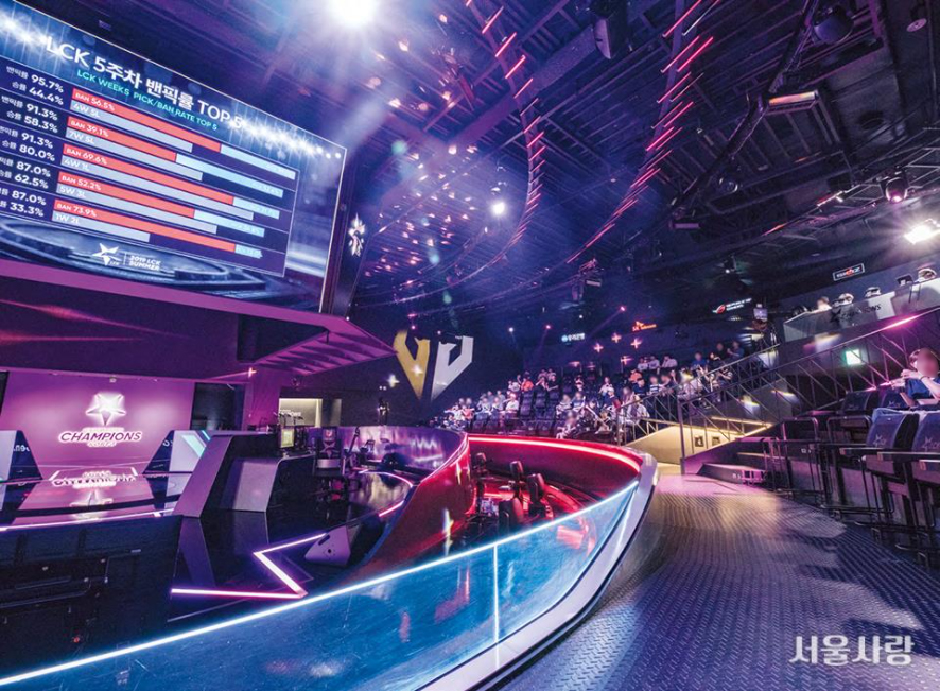
LoL Park (롤파크)
1.0Km 2024-04-23
Jongno-ro 33, Jongno-gu, Seúl
El LoL Park es el lugar donde se lleva a cabo la competencia LCK (League of Legends Champions Korea), que es la competencia de este videojuego de mayor escala en Corea. Sirve como espacio para diversos eventos y actividades relacionadas con los deportes electrónicos y cuenta con asientos para los espectadores. Entre otras instalación, también están el LCK Arena, la tienda de artículos relacionados Riot Store, salas de computadoras (PC-bang, en coreano) y un café. Desde su lanzamiento en diciembre de 2011, este videojuego perteneciente al género "multijugador de arena de batalla en línea" (MOBA, por sus siglas en inglés) de Riot, se ha convertido en uno de los más populares de todo el mundo. En agosto de 2019, alcanzó el récord de tener 8 millones de jugadores conectados al mismo tiempo en todo el mundo.
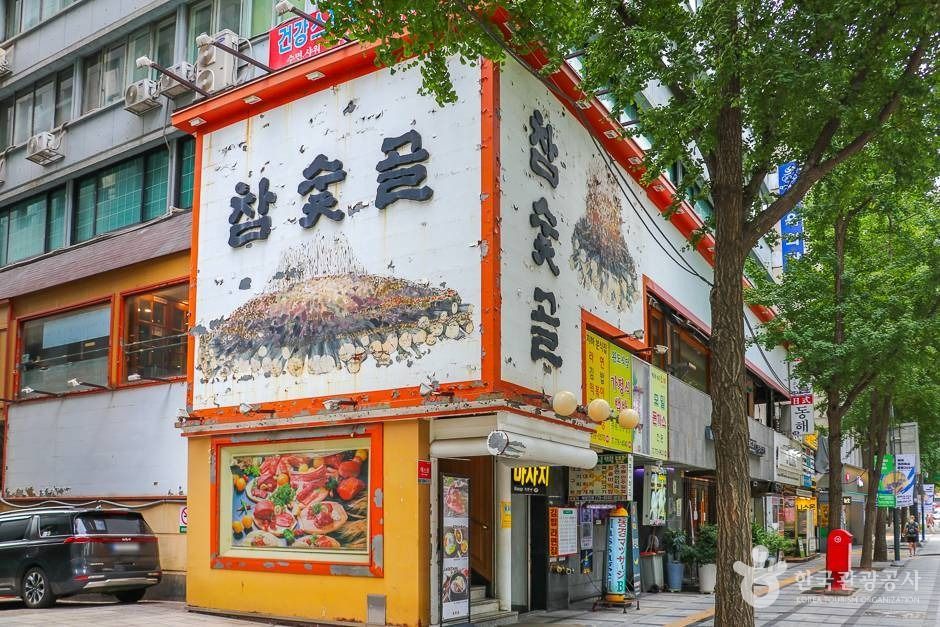
Chamsutgol (참숯골)
1.0Km 2025-05-13
16, Mugyo-ro, Jung-gu, Seoul
Located in Mugyo-dong in Jung-gu, Seoul, Chamsutgol (참숯골) is an upscale restaurant serving hanu beef dishes. The restaurant uses only top quality hanu beef from young cattle (two years old or younger) raised on farms in Jeolla-do Province. For freshness and tenderness, the restaurant serves only fresh meat (not frozen) of A+ grade or higher. To bring out its juiciness and tenderness, the meat is grilled on a charcoal fire.
The elegant ambience and décor and the variety of rooms in different sizes make the restaurant a favorite choice for special events. It is also regularly visited by international tourists. Popular dishes are the sirloin steak and marinated ribs, doengjang soup, and yeongyang dolsotbap (rice served in a hot stone bowl).
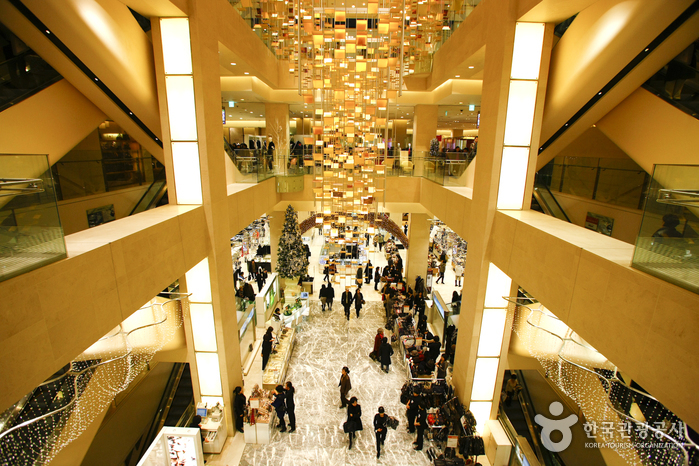
Tiendas Departamentales SHINSEGAE Myeongdong (Casa Central) (신세계백화점 (본점))
1.0Km 2024-11-26
Sogong-ro 63, Jung-gu, Seúl.
La Casa Central de las Tiendas Departamentales SHINSEGAE Myeongdong abrió originalmente en 1930 como la sucursal de Gyeongseong de las Tiendas Departamentales japonesas Misreukkosi. Abrió nuevamente sus puertas tras la renovación llevada adelante en 2007, con tiendas de lujo y de marcas internacionales para satisfacer aún más el gusto de sus clientes. Presenta también complejos culturales y artísticos como Trinity Garden. Muchos lugares turísticos y emblemáticos de Seúl se encuentran en sus alrededores, permitiendo a los turistas hacer compras y turismo al mismo tiempo.
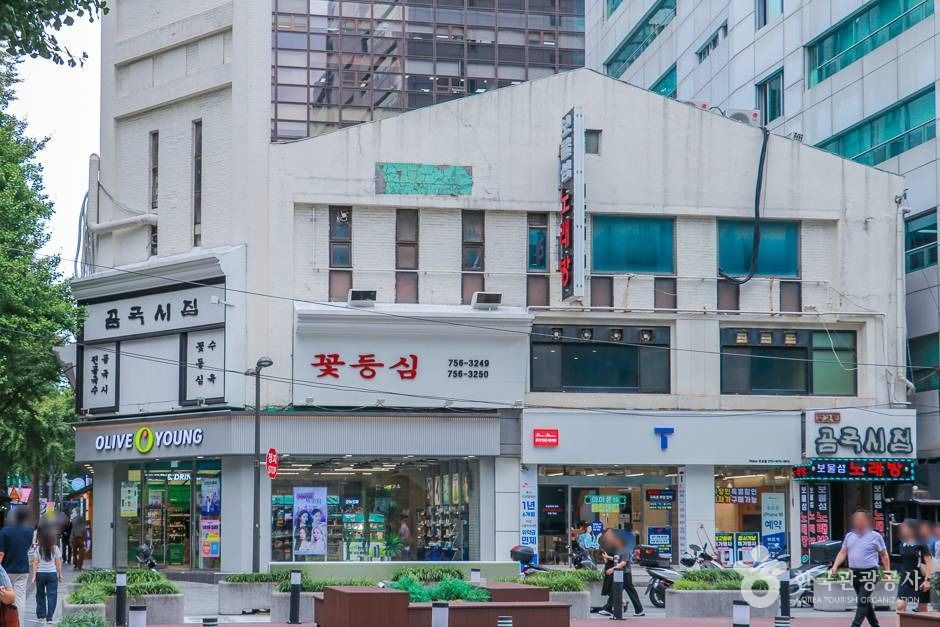
Gomguksijib (곰국시집)
1.1Km 2025-05-15
24, Mugyo-ro, Jung-gu, Seoul
Gomguksi is a soup consisting of handmade noodles and beef slices in a thick and rich beef broth. Gomguksi became famous through word-of-mouth by tourists from the neighboring country of Japan. These days the restaurant is always crowded with people. Also, the side dishes that accompany Gomguksi are extremely delicious.
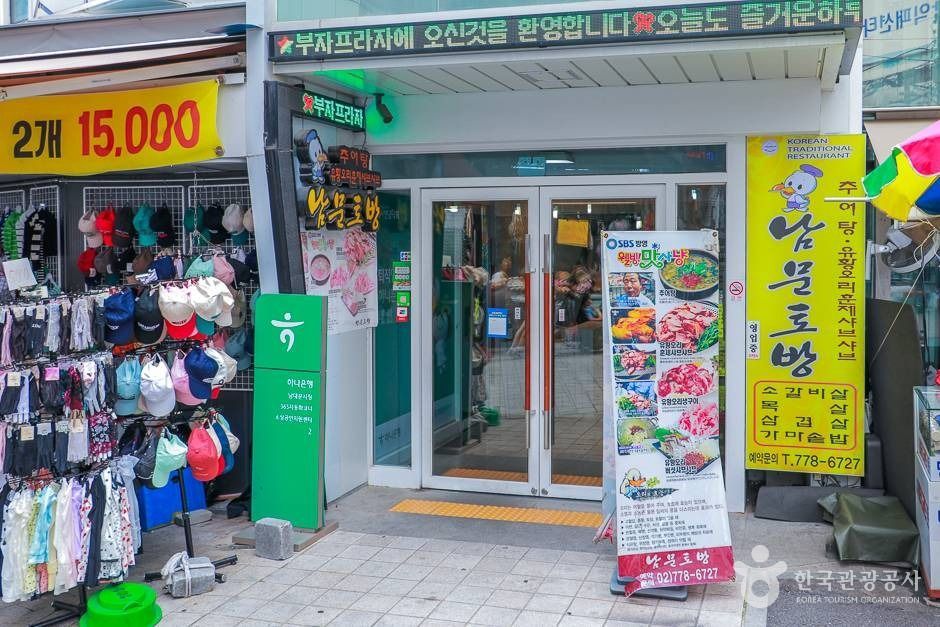
Nammun Tobang (남문토방)
1.1Km 2026-01-05
45-3, Namdaemunsijang-gil, Jung-gu, Seoul
This restaurant offers customers loach soup in Gyeongsang-do style and fried loach. Smoked duck shabu shabu and vegetables, as well as Smoked duck casserole are also a good choice.
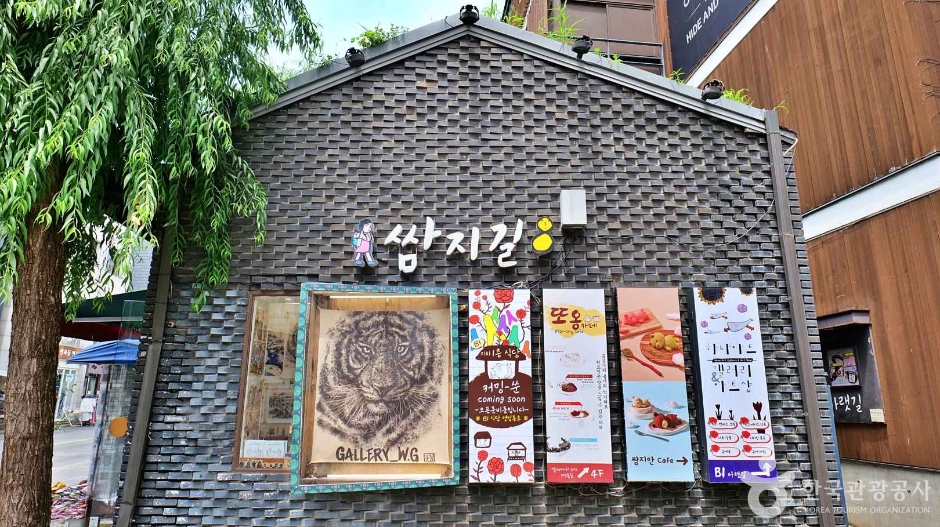
Ssamzigil (쌈지길)
1.1Km 2025-05-26
Insadong-gil 44, Jongno-gu, Seúl
En las animadas calles de Insa-dong se fundó un área de 500 m de largo el 18 de diciembre de 2004. Este edificio tan particular fue construido conectando las encantadoras calles con escaleras en forma de espiral. Al ir haciendo compras por las divertidas y encantadoras tiendas hasta el último piso, llegará a Haneulmadang, donde podrá tener una buena vista del cielo. Ssamzigil cubre una superficie de aproximdamente 4.000 m² con más de 70 tiendas de artesanías, galerías de arte, restaurantes y tiendas de recuerdos.
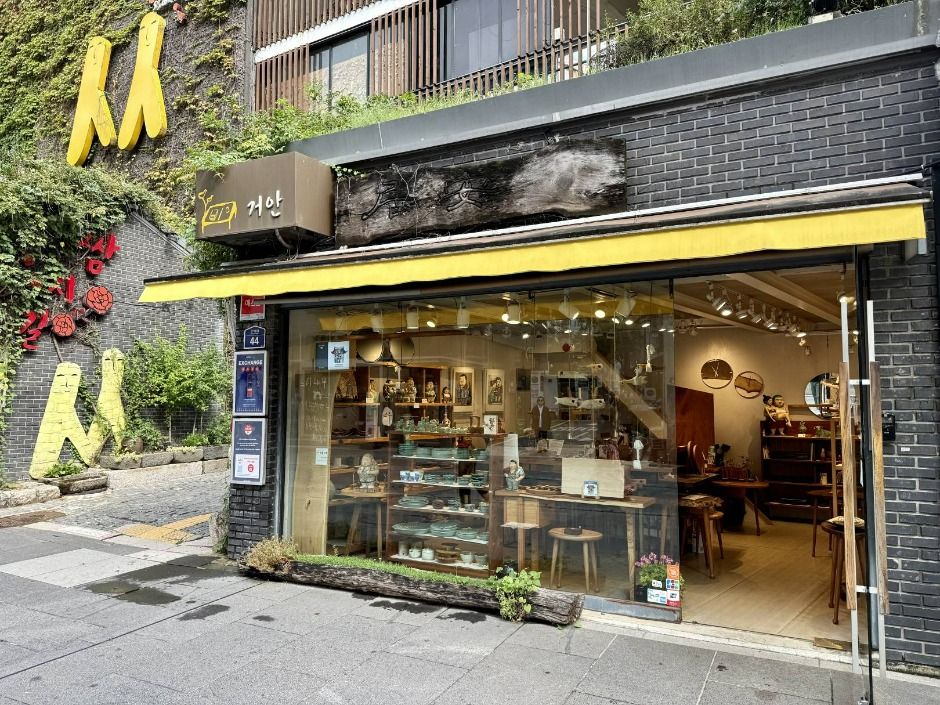
Geoan (거안)
1.1Km 2025-10-23
Insadong-gil 44, Jongno-gu, Seúl
Inaugurado en el barrio de Insa-dong, Seúl, en 1981, Geoan es un taller que crea muebles y accesorios de madera utilizando la mejor madera maciza y técnicas exquisitas. Los productos expuestos se pueden comprar en el momento, y es posible personalizarlos especificando el material y el tamaño. Además de la producción de muebles, la tienda también expone y vende una variedad de obras de arte, como porcelana celadón, laca de nácar y esculturas. Es conocido como un elegante espacio artístico donde se fusionan la tradición y la modernidad. Geoan continúa transmitiendo el valor de la ebanistería coreana y los visitantes pueden experimentar la belleza atemporal de la madera y la cálida sensibilidad que nace del trabajo artesanal.
Parque del Monte Namsan en Seúl (남산공원(서울))
1.1Km 2024-02-22
Samil-daero 231, Jung-gu, Seúl.
El Parque del Monte Namsan (265 m sobre nivel de mar) está en un monte emblemático del centro de la ciudad de Seúl. Pese a que no es muy alto, gracias a su ubicación y la vista panorámica que se logra desde su cumbre, el monte Namsan es muy popular como lugar de descanso.
Sobre la cumbre del monte Namsan hay varias instalaciones de prestaciones públicas tales como Palgakjeong (sala octogonal), Namsan Seoul Tower y la Biblioteca de Namsan, entre otras. Para llegar a la cima, podrá optar por subirse a un teleférico o ir por un sendero escalonado. Además de esta senda de escalones, hay muchos otros caminos para subir a pie a la cumbre partiendo de Namdaemun, Hoehyeon-dong, Toegye-ro 3 -ga, Parque Jangchung, Itaewon, Huam-dong, etc.
El Parque del Monte Namsan también es un sitio histórico. En la cumbre del monte hallará el Bonghwadae (montículo de almenara) porque este fue una vez el centro de defensa de la capital. Durante la dinastía Joseon (1392-1910), la capital fue fundada en Hanyang (la actual Seúl) y para proteger a la ciudad de las invasiones, se construyeron muros de protección en las cuatro montañas principales: Bugaksan, Inwangsan, Naksan y Namsan.
Sobre el pico de Namsan, se levantaron cinco montículos de almenara para informar al gobierno central las noticias del gobierno local con un sistema de señales de fuego. También sobre la cima del monte Namsan, se encuentra el pabellón Palgakjeong, desde el cual se tiene una fantástica vista panorámica.
Desde Namsan Seoul Tower (479,7 metros de altura), podrá ver un panorama de la ciudad. El restaurante giratorio sobre la torre ofrece también vistas grandiosas. Se recomienda especialmente ir a visitar este lugar de noche, para disfrutar de las vistas de la ciudad bellamente iluminada.
 Español
 한국어
한국어 English
 日本語
日本語 中文(简体)
 Deutsch
 Français
 Русский


