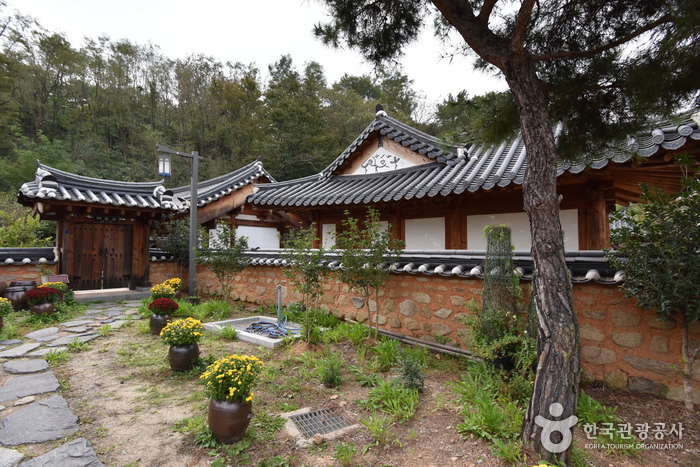
Gochang-eup Sunghanok Village / 고창읍성한옥마을
3.2Km 2025-08-13
128, Dongni-ro, Gochang-eup, Gochang-gun, Jeonbuk-do
+82-63-563-9977
Gochangeupseong Fortress Hanok Village located in Gochang-gun, Jeonbuk-do is comprised of seven houses with tiled roofs. Built by Gochang-gun Office in July 2014 and managed by a company commissioned for the maintenance of the estate, it’s designed after the traditional Korean house with guestrooms attached to the government office within Gochangeupseong Fortress. The seven stand-alone buildings make sure that the guests have some privacy during their stay. There are a total of 11 rooms. The first building, called “Moyangjigwan”, is designed after the old guestroom for high-ranking officials and foreign envoys passing through the region. It has two rooms, which are called “Junghwaje” and “Gunjajeong”. The second building, called “Binpungdang”, is a traditional Korean house designed after the main building of an actual traditional Korean house that served as the residence of the official in charge of the region. This also has two rooms called "Muilje" and "Binaje", both of which can accommodate between two and three people. The third one, called “Sugwidang”, has two rooms named “Uhaje” and “Sungdeokje”. The fourth building, called “Eunyangdang”, has two rooms named "Yongdeokje" and "Yuseongje", which can accommodate between two and three people each. The "Yongdeokje" is furnished with a bed. The last three houses, called "Agwanjeong", "Dongnijeong", and "Dongbaekjeong", are stand-alone buildings, and each can accommodate up to three people. The buildings and rooms are clean, and are characterized by their shiny wood. There is an open space with wooden floor between the rooms called "daecheongmaru", and a yard in front of the buildings. The rooms are furnished with a bathroom, TV, air conditioner, refrigerator, built-in closet, Wi-Fi, and cable TV. Right next to the Hanok Village is a pottery workshop and emobroidery workshop for visitors to experience traditional Korean art. There are a number of tourist destinations in the vicinity of the Hanok Village, such as Gochang County Art Museum, Gochang Culture Center, and Gochang County Library, which is within Gochang Culture Center. Another must-visit is the Gochang Pansori Museum, where various pansori materials donated by a number of pansori masters from Gochang are on display. There are a number of large country clubs in Gochang, such as Seonun Country Club, Gochang Country Club, and Seokjeong Country Club. There is a parking lot that can hold up to 150 cars for the guests right next to the Hanok Village.
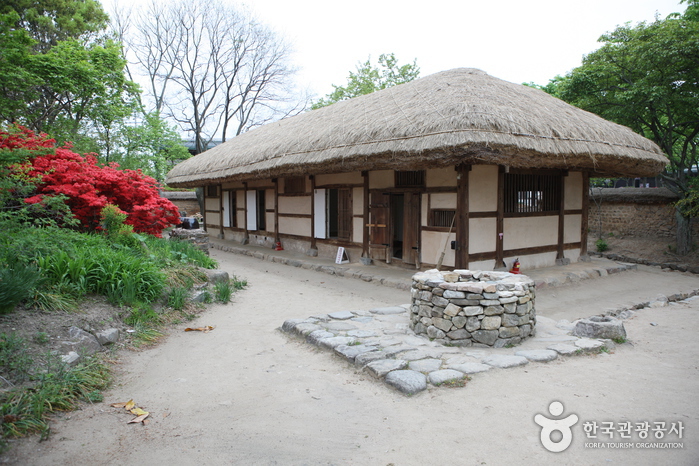
Antigua Residencia de Sin Jaehyo en Gochang (고창신재효고택)
3.4Km 2024-04-07
Dongni-ro 100, Gochang-eup, Gochang-gun, Jeonbuk-do.
+82-63-560-2943
Sin Jaehyo (1812-1884) fue un renombrado teórico de la música y promotor del pansori (ópera coreana). Pasó toda su vida en Gochang, desarrollando varias disciplinas, y se convirtió en maestro de pansori. También compiló y editó seis obras de pansori tituladas: Ttoggi Taryeong, Bak Taryeong, Simcheongga, Jeokbyeokga, Chunhyangga, y Garujigi Taryeong.
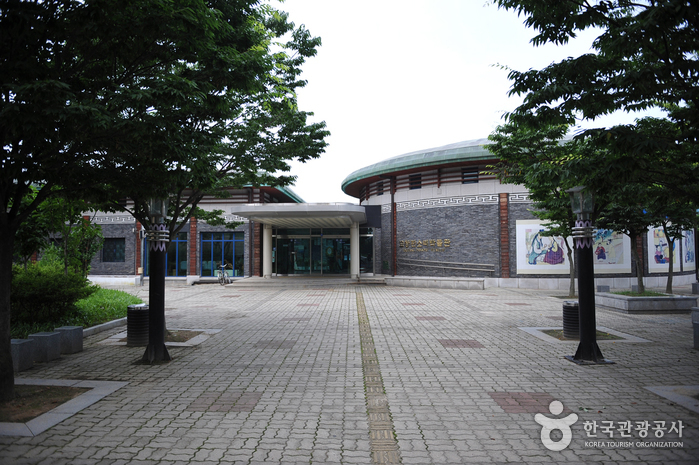
Museo del Pansori de Gochang (고창판소리박물관)
3.5Km 2024-04-06
Dongni-ro 100, Gochang-eup, Gochang-gun, Jeonbuk-do.
El Museo del Pansori de Gochang fue fundado en la antigua residencia de Dongni (seudónimo de Sin Jaehyo, un teórico de la música y promotor del pansori) en un intento de homenajear a los grandes cantores de pansori del pasado y preservar y desarrollar la tradición autóctona del pansori. De las habitaciones originales de la residencia, solo el sarangchae (espacio para recibir visitas) ha sido remodelado y abierto al público. Junto al sarangchae se encuentra el Dongni Gugakdang (Pabellón de la Música Tradicional Coreana). Más de 1.000 artículos relacionados al pansori y a sus grandes cantores se exhiben en el museo, incluyendo las posesiones de Sin Jaehyo. Este museo es un lugar que no deben perderse aquellos interesados en aprender más sobre el arte tradicional del pansori y vivir una experiencia de calidad.
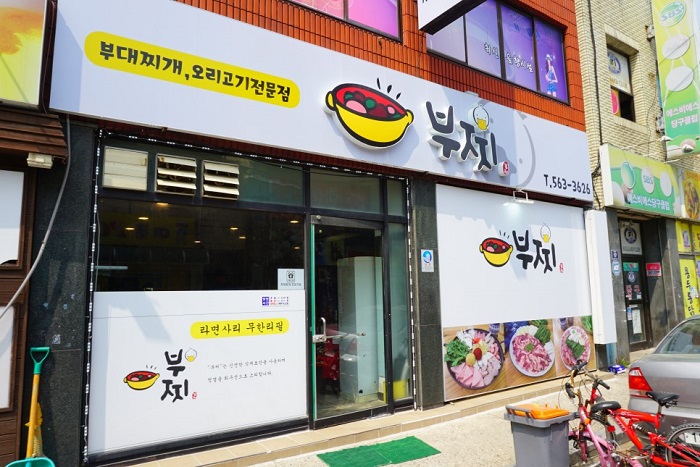
Bujji (부찌)
4.0Km 2024-10-15
15, Seongsan 2-gil, Gochang-gun, Jeonbuk-do
+82-63-563-3626
This is a place where you can taste duck meat and the representative dish budaejjigae (spicy sausage stew). This Korean dishes restaurant is located in Gochang-gun, Jeollabuk-do. The most famous menu is sausage stew.
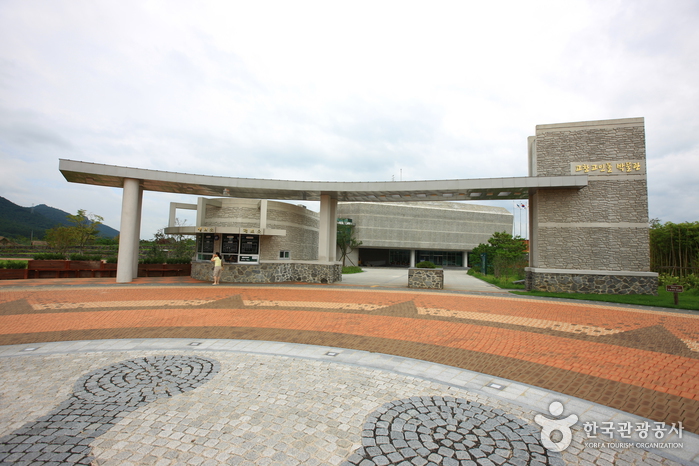
Museo de Dólmenes de Gochang (고창고인돌박물관)
8.0Km 2024-04-07
Goindolgongwon-gil 74, Gochang-eup, Gochang-gun, Jeonbuk-do.
+82-63-560-8666
En este lugar, los visitantes pueden observar restos arqueológicos de la Edad del Bronce, artefactos de diferentes culturas del mundo y sus dólmenes. El museo cuenta con muchísimas salas de exposición. En el piso 3, los visitantes pueden disfrutar de diferentes actividades como hacer fogatas, dibujar murales, hacer su propio dolmen, etc. También hay zonas especiales para tomar fotografías.
![Dólmenes de Gochang (고창 고인돌 유적) [Patrimonio Cultural de la Humanidad de la Unesco]](http://tong.visitkorea.or.kr/cms/resource/22/3018322_image2_1.jpg)
Dólmenes de Gochang (고창 고인돌 유적) [Patrimonio Cultural de la Humanidad de la Unesco]
8.4Km 2024-11-11
Juknim-ri, Gochang-eup, Gochang-gun, Jeonbuk-do.
El noreste de Asia es muy famoso por sus innumerables dólmenes antiguos y en Corea se encuentran aproximadamente 30.000 de estos tesoros arqueológicos. Solo en la región de Gochang, Jeonbuk-do, hay 447 dólmenes y es la zona con más dólmenes en comparación con Hwasun y Ganghwa. Aquí se pueden observar distintos tamaños y pesos de dólmenes que llegan hasta las 300 toneladas. Por la presencia de estos monumentos, se puede saber que Gochang era una zona habitada desde la Edad del Bronce. El 29 de noviembre de 2000 fue declarado como Patrimonio de la Humanidad por la Unesco.

Humedal Ramsar de Umgok en Gochang (고창 운곡람사르습지)
8.9Km 2024-04-06
Ungokseowon-gil 362, Asan-myeon, Gochang-gun, Jeonbuk-do
El Humedal Ramsar de Ungok, registrado como Humedal Ramsar en 2011, alberga especies en peligro de extinción y varios animales y flores exóticas. El humedal también cuenta con 4 recorridos diferentes que llevan a los visitantes por todo el humedal. La Ruta 1 dura aprox. 50 min y tiene una longitud de 3,6 km. La Ruta 2 dura aprox. 2 h 30 min y tiene una longitud de 9,5 km. La Ruta 3, la más larga de todas, dura aprox. 3 h 30 min y tiene 10,2 km de largo. Y por último, la Ruta 4 dura aprox. 2 h 50 min y tiene 10,1 km de recorrido.
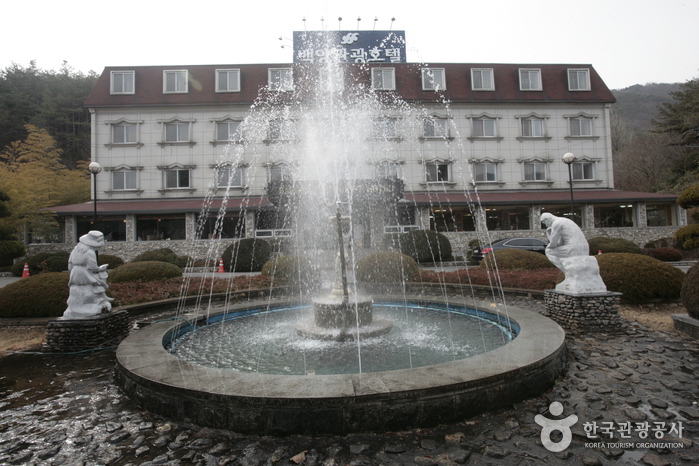
Baegyang Tourist Hotel (백양관광호텔)
12.6Km 2025-01-02
941, Baegyang-ro, Jangseong-gun, Jeollanam-do
+82-61-392-2114
Baegyang Tourist Hotel is located next to Baegyangsa Temple at the foothills of Naejangsan Mountain. The rooms offer beautiful views of nature all year round, with some rooms showing the magnificent mountain while others showing a bird's-eye-view of the hotel's garden. The hotel is perfect for family vacations and business trips.
Templo Baegyangsa (백양사)
12.6Km 2025-05-30
Baekyang-ro 1239, Bukha-myeon, Jangseong-gun, Jeollanam-do.
Fundado durante el reinado del rey Mu de Baekje en el año 632, el templo Baekyangsa está ubicado en el Parque Nacional del Monte Naejangsan. La combinación de montañas y valles en ambos lados crea un hermoso paisaje. La naturaleza revela su belleza a lo largo de todo el año, pero especialmente en otoño, cuando los arces adquieren sus característicos tonos rojizos. Los pabellones Daeungjeon, Geuknakbojeon y Sacheonwangmun han sido designados como bienes culturales. Al pasar el bosque de robles blancos y arces y entrar en el templo Baekyangsa, lo primero que verá será la espectacular vista de Ssanggyeru, reflejado además en el estanque.
Ermita Duamchodang (두암초당)
13.4Km 2024-11-25
Yeongmojeong-gil 88, Asan-myeon, Gochang-gun, Jeonbuk-do
Se trata de una ermita de pequeño tamaño construida al estilo de la arquitectura tradicional coreana hanok. Se ubica justo al lado de un acantilado que pertenece a la Roca Byeongbawi. Su ubicación y su historia le otorgan a esta ermita un aire especial, ya que su acceso no es fácil y su aspecto refleja su origen añejo. Se puede llegar a pie por un camino, pero no hay estacionamiento en los alrededores.
 Español
 한국어
한국어 English
 日本語
日本語 中文(简体)
 Deutsch
 Français
 Русский


