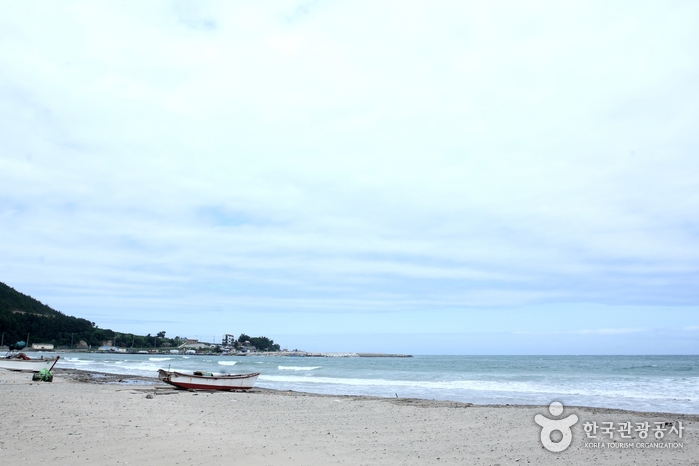
Wolpo Beach (월포해수욕장)
16.1Km 2025-10-23
2308 Haean-ro, Cheongha-myeon, Bukgo, Pohang-si, Gyeongsangbuk-do
◎ Travel information to meet Hallyu’s charm - "Hometown Cha-Cha-Cha"
The actual location of the Gongjin Beach from the drama. Wolpo Beach, just as its name suggests, a clear ocean reflecting the moon, the beach boasts a tranquil ambiance with a broad sandy beach and calm waters. On days off, many people come here to surf, reminiscent of Hong Du-sik's pastime.
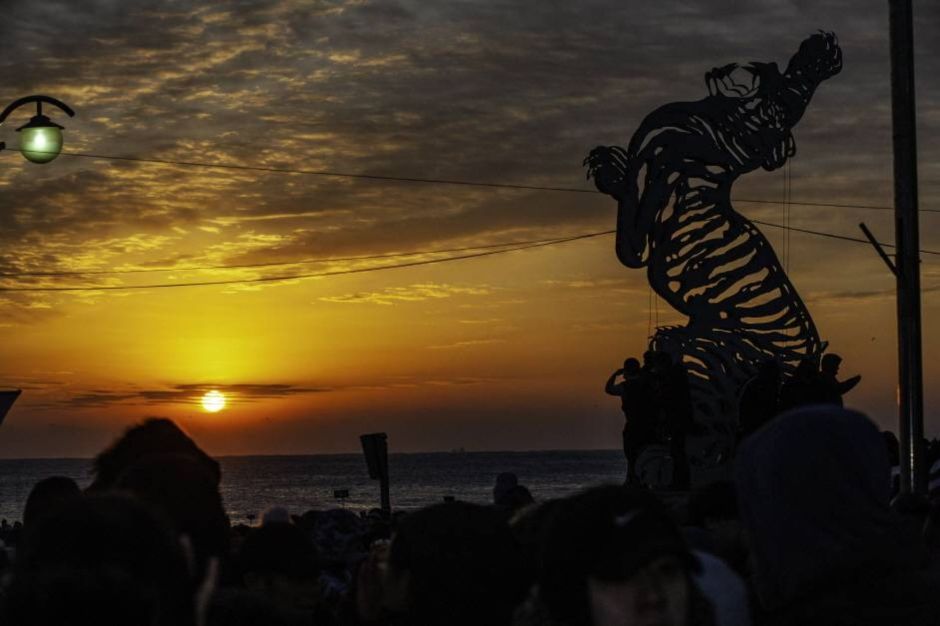
Homigot Sunrise Festival (호미곶 한민족 해맞이축전)
16.9Km 2025-11-25
136 Haemaji-ro, Nam-gu, Pohang-si, Gyeongsangbuk-do
+82-54-289-7852
Homigot Village, the main venue of the Homigot Sunrise Festival, is located on the easternmost point of the Korean Peninsula. Homigot Village means "a village on a tiger’s tail," in reference to the Korean peninsula looking like a tiger.
The festival includes local cultural performances, a New Year celebratory event, fireworks show, sunrise concert and other diverse performances. Visitors may sample free tteokguk, a traditional New Year’s Day dish. Other events such as kite-flying and launching hope balloons with wishes attached will provide enjoyable moments to reflect on the previous year and create new year resolutions.

Homigot Sunrise Square (호미곶 해맞이광장)
17.1Km 2025-07-21
20 Haemaji-ro 150beon-gil, Nam-gu, Pohang-si, Gyeongsangbuk-do
Homigot is located at the easternmost end of the Korean peninsula, in what would be considered to be the tail, if thinking of the Korean peninsula as a tiger. When Kim Jeongho made the Daedongyeojido Map, he visited this place seven times to confirm this area is in fact the easternmost part of Korea. Following the resources of Korea Astronomy and Space Science Institute, the sunrise time of Homigot on January 1 is at 7:32 am, making it the earliest first sunrise of each year in Korea. The plaza was built to commemorate these research findings with the national Sunrise Festival. Nearby attractions include Korea's largest lighthouse, Homigot Lighthouse, established in 1908; Lighthouse Museum; Monument to Commemorate Lee Yuk-sa’s Patriotism; and Daebo Seawater Bath, using pure seawater of the East Sea.
When completed, Homigot Tourism Complex and Homigot Specialized Ocean Leisure Complex will be the largest tourism complex in the eastern coast district. It will include an ocean aquarium, Ocean Ecological Park, Youth Training facilities, beach dome, accommodation facilities, and other various stores as well.
Sangsaeng’s Hand, a two-part bronze sculpture shaped like a pair of hands, was constructed in December 1999. It is a signature symbol of the sunrise festival. The left hand is on the land and the right hand is in the ocean. It was built to give the message that all people are living together by helping one another like Sangsaeng, meaning coexistence in Korean. The base of the platform is an image of the sun and its two round rings refer to harmony. These two hands have memorial sprits of reconciliation and coexistence for celebrating a new millennium.
National Lighthouse Museum (국립등대박물관)
17.1Km 2025-02-04
20 Haemaji-ro 150beon-gil, Homigot-myeon, Nam-gu, Pohang-si, Gyeongsangbuk-do
The National Lighthouse Museum, located in Homigot Cape, showcases the architecture, history, and artifacts of lighthouses. It features exhibition halls, an experience zone, and a café with ocean views. The outdoor exhibit includes the iconic Homigot Lighthouse. Visitors can enjoy hands-on activities like building lighthouses with blocks, aquarium experiences, puzzle assembly, and crafting their own lighthouses. Family-friendly programs include 2-day lighthouse trips and engaging educational activities designed to teach young children about navigational markers through play.
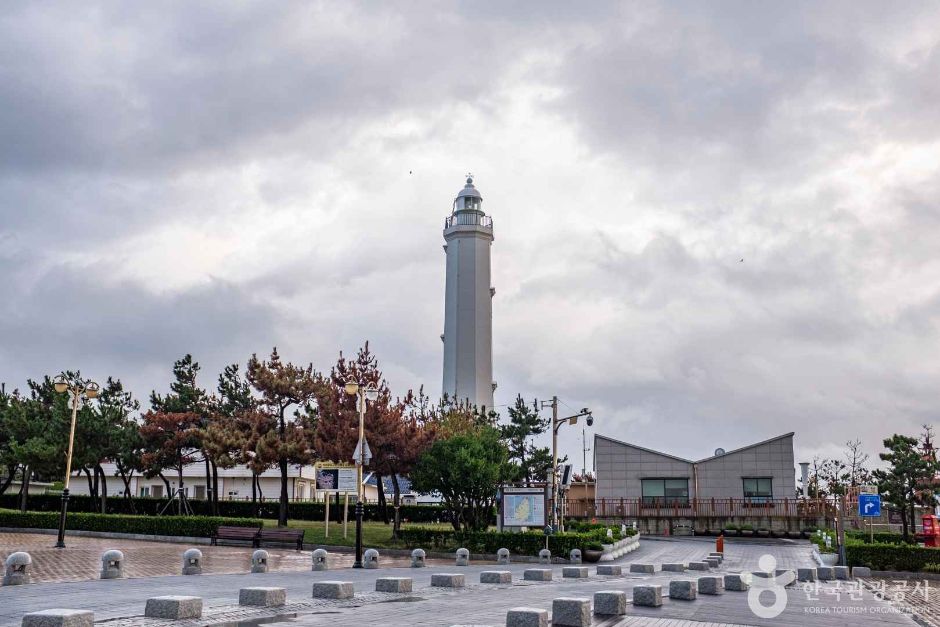
Homigot Lighthouse (호미곶 등대)
17.1Km 2025-01-21
20 Haemaji-ro 150beon-gil, Nam-gu, Pohang-si, Gyeongsangbuk-do
Homigot Lighthouse is located at Homigot Cape, listed as one of the 10 most scenic sites during the Joseon dynasty. It was the tallest lighthouse in Korea at the time of its opening on December 20, 1908. The octagonal, six-story building is 26.4 meters high, with a base circumference of 24 meters. It was built using red bricks and no reinforcing rods, designed in the 18th century renaissance style, with gable decorations over the entrance and windows. The ceiling on each floor is sculpted in the shape of pear blossoms, a symbol of the Joseon royalty, while the number of stairs totals to 108, reflective of Buddhist culture.
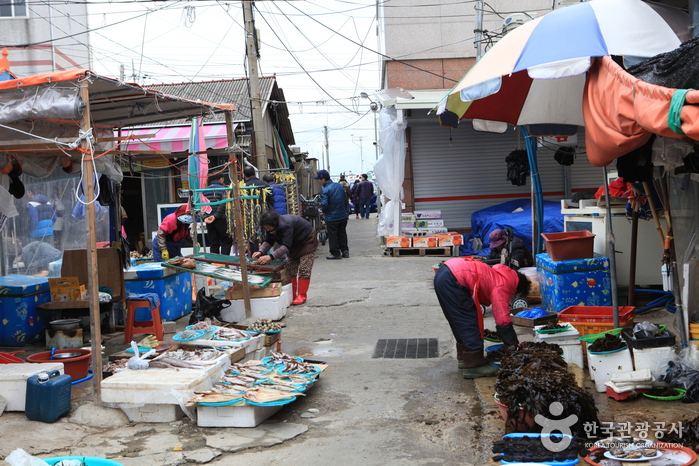
Guryongpo Fifth-Day Market (구룡포장 (3, 8일))
17.3Km 2025-01-06
72-1, Guryongpo-gil, Nam-gu, Pohang-si, Gyeongsangbuk-do
Guryongpo Market area expands all the way to Changjucheon Stream area every fifth-day market day, bustling with crowds of merchants and customers. Guryongpo Fifth-Day Market is held on the 3rd, 8th, 13th, 23rd, and 28th of every month. The market first started when a small village was formed around Guryongpo Port. In the 1950s and '60s, when Guryongpo was incorporated into the county of Yeongil, Guryongpo Market flourished because it became the main market of Yeongil.
Nowadays, thanks to the rows of seafood restaurants inside, the market became even more popular among seafood lovers. The market carries a wide variety of fresh vegetables and produce, herbs, grains, and regional specialties. The seafood at the market is delivered fresh from Guryongpo Port. The squid at Guryongpo Port, which is also the specialty of the market, makes up about 70% of the total catch in Gyeongsangbuk-do. The market is also frequently visited by seafood gourmets for its squid.
Guryongpo Port (구룡포항)
17.5Km 2025-01-21
222-1 Homi-ro, Nam-gu, Pohang-si, Gyeongsangbuk-do
Guryongpo Port, located on the way from Pohang Homigot to Gampo, is a place that took the shape of a port when a pier and a breakwater were built in 1923 during the Japanese colonial period. Currently, it has facilities of about 600 meters of the northern breakwater, 400 meters of the southern breakwater, and 600 meters of a wharf and has a loading capacity of 334,000 tons.
Guryongpo Modern Culture and History Street is nearby, where visitors can see traditional Japanese houses. Guryongpo Market is also nearby, allowing visitors to enjoy the friendly atmosphere of the local market and delicious food. Many places are selling half-dried saury, a local specialty, and it is known as the nation's largest producer of snow crabs, so visitors can enjoy good quality half-dried saury and fresh snow crabs.
Guryongpo Modern History Museum (구룡포 근대문화역사관)
17.6Km 2024-02-13
153-1 Guryongpo-gil, Guryongpo-eup, Nam-gu, Pohang-si, Gyeongsangbuk-do
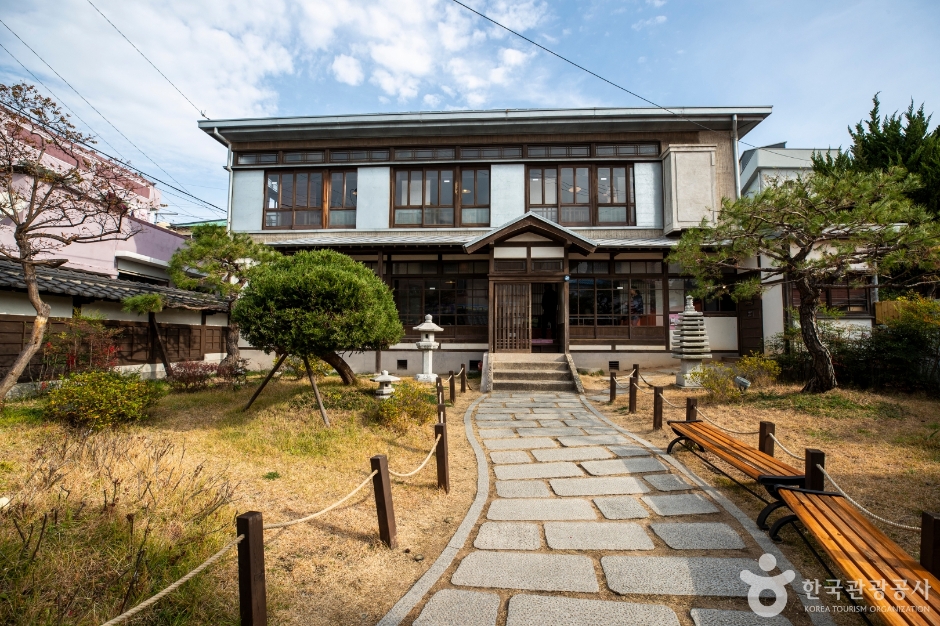
The Guryongpo Modern History Museum, situated on Guryongpo Japanese House Street, is housed in a two-story wooden building constructed in the Japanese style. Built by Jenkichi Hashimoto in the 1920s, this historic structure was acquired by Pohang-si in 2010 and subsequently transformed into a history museum following extensive restoration. The museum features two exhibition floors, showcasing traditional Japanese furniture and accessories such as butsudan and kotatsu. Additionally, a traditional kitchen and toilet have been meticulously recreated. Visitors can gain a vivid understanding of the lifestyle during that era and explore the distinctive structural elements of Japanese-style buildings.
Camellia (까멜리아인구룡포)
17.7Km 2025-10-28
133-1 Guryongpo-gil, Guryongpo-eup, Nam-gu, Pohang-si, Gyeongsangbuk-do
◎ Travel information to meet Hallyu’s charm - "When the Camellia Blooms"
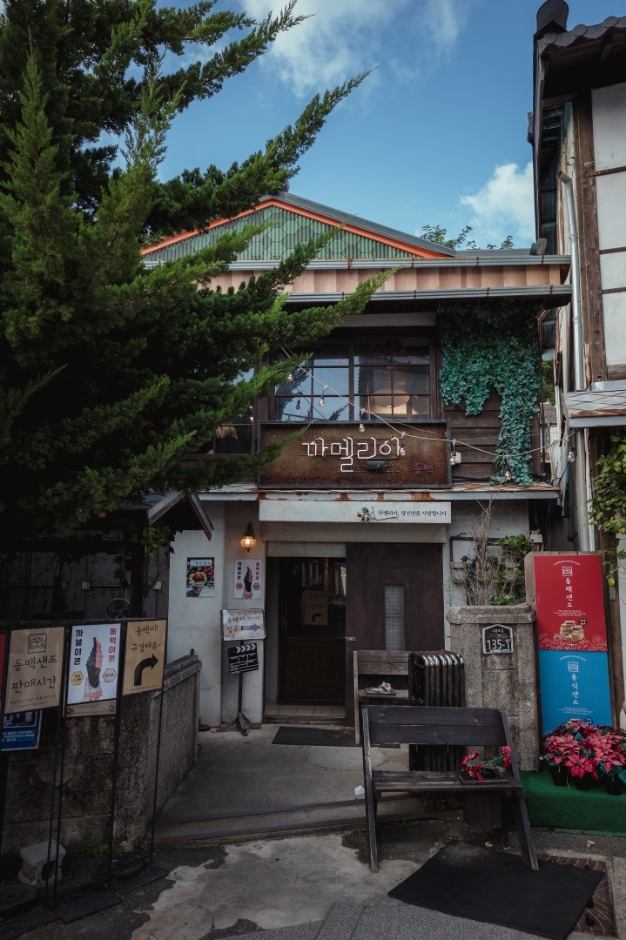
The pub resiliently operated by single mom Dongbaek, standing up against societal prejudices and threats. It is currently a select shop that sells coffee, desserts, and souvenirs. On the second floor, visitors can enjoy their drinks in the ambiance of a Japanese-style wooden building.
Guryongpo Pieora Stairway Media Art (구룡포 피어라계단 미디어아트)
17.8Km 2024-01-18
277 Homi-ro, Guryongpo-eup, Nam-gu, Pohang-si, Gyeongsangbuk-do
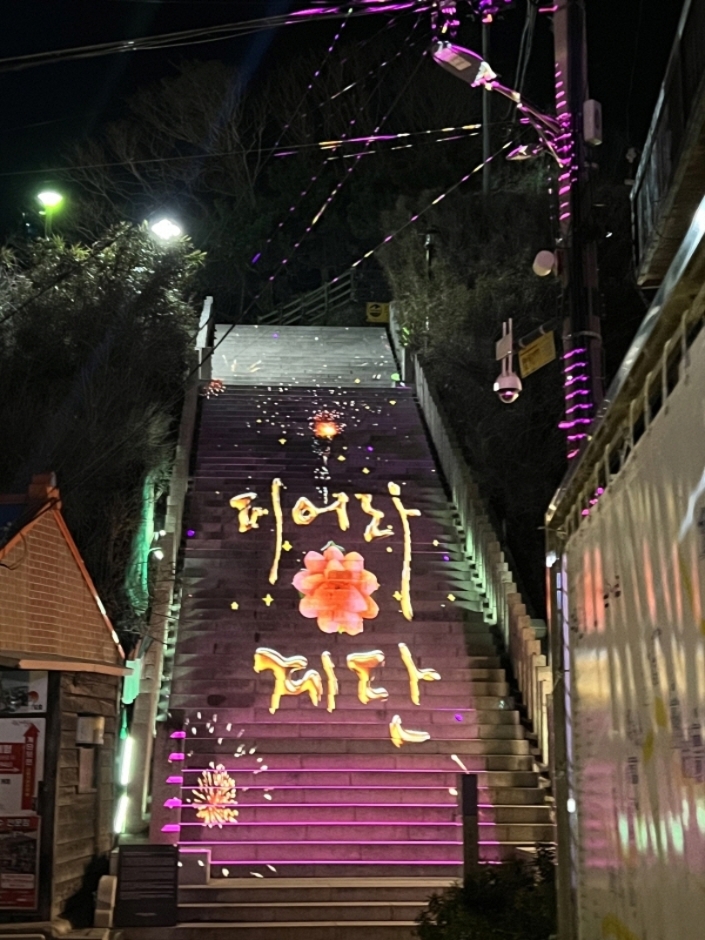
Guryongpo Pieora Staircase Media Art takes place on the large staircase heading up the hill behind Guryongpo Japanese House Street. The lighting display uses anamorphic techniques to create a beautiful show on the stairs. The performance lasts for approximately 10 minutes and goes through four themes, including the ocean and POSCO.
 English
 한국어
한국어 日本語
日本語 中文(简体)
 Deutsch
 Français
 Español
 Русский


