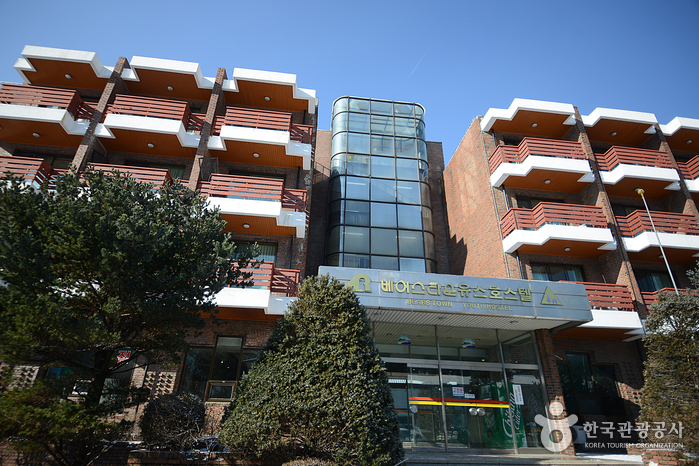
Bears Town Youth Hostel (베어스타운 유스호스텔)
132.3M 2025-07-09
27, Geumgang-ro 2536beon-gil, Naechon-myeon, Pocheon-si, Gyeonggi-do
+82-31-540-5170, +82-31-540-5151
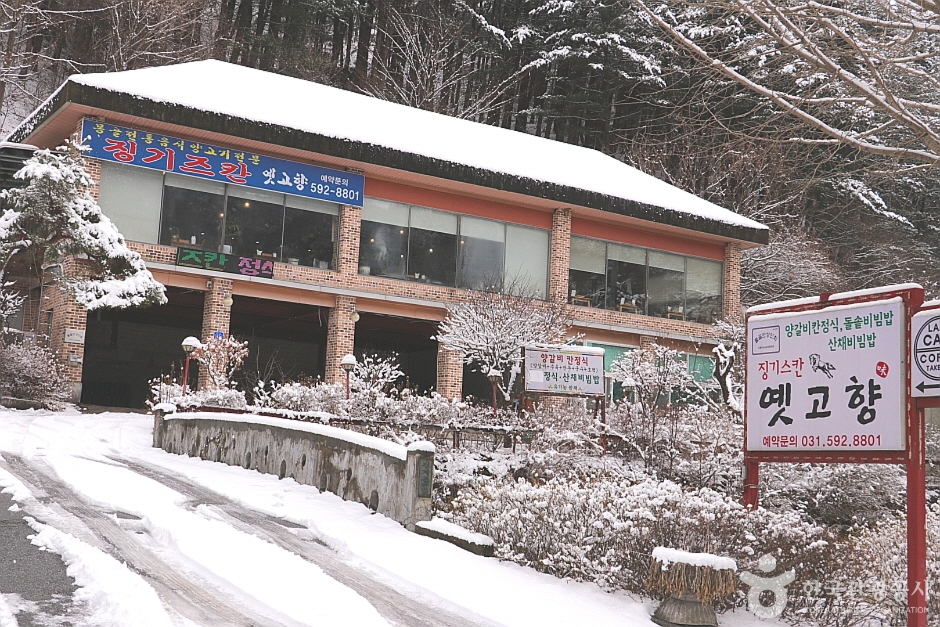
Genghis Khan Yetgohyang (징기즈칸 옛고향)
5.1Km 2024-02-27
1626 Biryong-ro, Sudong-myeon, Namyangju-si, Gyeonggi-do
031-592-8801
Genghis Khan Yetgohyang is a restaurant that serves Mongolian-style lamb dishes along with Korean dishes. Their signature dish, Khan jeongsik (Mongolian-style set menu), features suyuk (boiled lamb slices), galbi, mandu, and hotteok (griddlecake with sugar filling), all of which are also available as individual items. They also offer Korean dishes like sanchae bibimbap (wild vegetable bibimbap) and haemul pajeon (seafood and green onion pancake) for those who prefer alternatives to lamb. Additionally, they run a café as well.
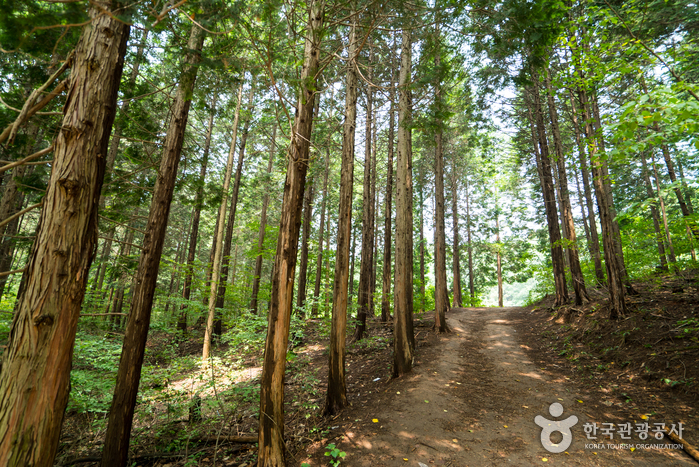
Chungnyeongsan Recreational Forest (축령산자연휴양림)
7.4Km 2021-06-18
299, Chungnyeongsan-ro, Namyangju-si, Gyeonggi-do
+82-31-8008-6690
Opened in 1995, Chungnyeongsan Recreational Forest is located in Namyangju-si, Gyeonggi-do, approxmately 1-hour drive from Seoul. The recreational forest has various trekking courses leading to Chungnyeongsan Mountain and Seorisan Mountain as well as facilities like the forest park, training facility, water play site, nature observation sites, camping sites, and more.
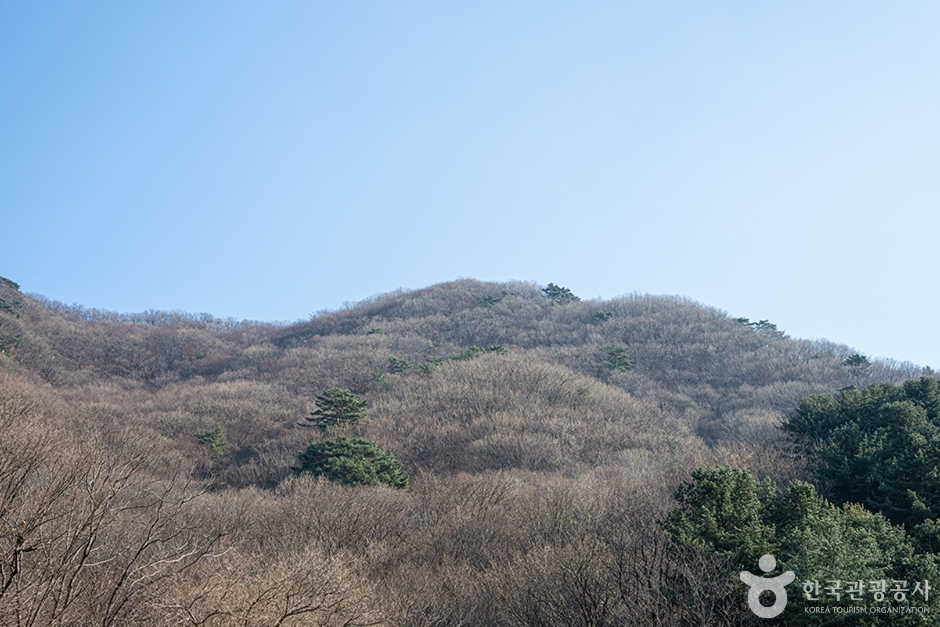
Chungnyeongsan Mountain (축령산)
7.4Km 2024-02-06
299 Chungnyeongsan-ro, Sudong-myeon, Namyangju-si, Gyeonggi-do
Chungnyeongsan Mountain is historically significant, with its connection to King Taejo Yi Seonggye, the founder of the Joseon dynasty. To the west, it boasts the lush Chungnyeongsan Recreational Forest, home to dense sixty-year-old nut pine trees, while to the east lies the Garden of Morning Calm. Standing at an elevation of 879 meters, the mountain offers three hiking trails. The summit provides an exceptional view, particularly in autumn, when it becomes a prime spot for enjoying the colorful foliage.
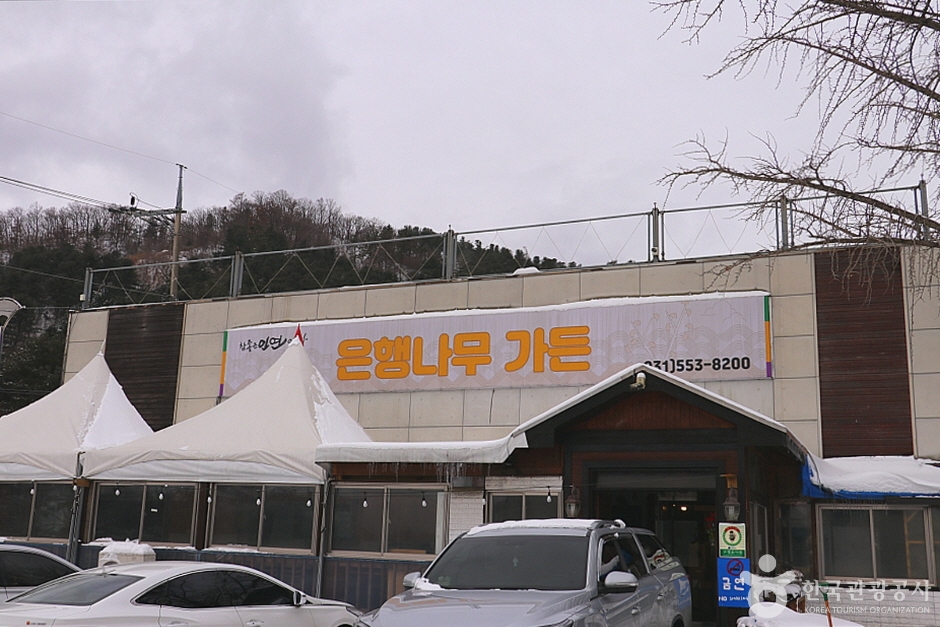
Banktree Garden (은행나무가든)
7.6Km 2024-02-27
212-5 Chungnyeongsan-ro, Sudong-myeon, Namyangju-si, Gyeonggi-do
031-553-8200
Banktree Garden, a meat specialty restaurant in Namyangju, offers a variety of meat dishes including pork, chicken, and duck. Their signature dishes are hwangto gama samgyeopsal (clay-baked pork belly), which is pork belly grilled in an clay kiln, and neungi ori hanbang baeksuk (whole duck soup with shingled hedgehog and medicinal herbs), a slow-cooked duck dish prepared in a broth infused with fifteen different medicinal herbs.
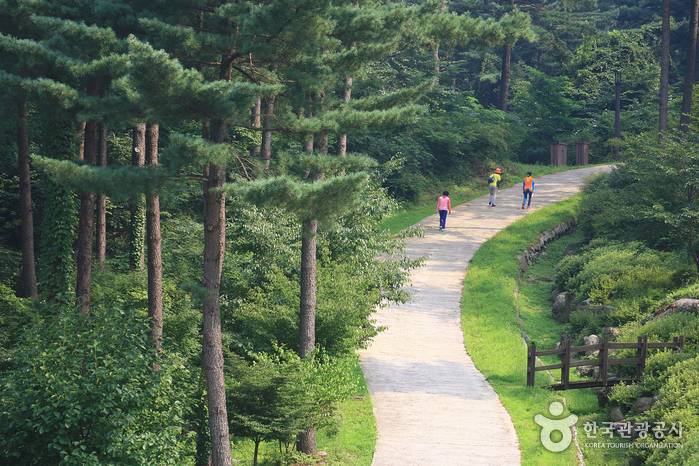
Jatyanggi Purunsup Resort (잣향기푸른숲)
8.3Km 2025-01-17
289-146, Chungnyeong-ro, Gapyeong-gun, Gyeonggi-do
+82-31-8008-6769
Located in Gyeonggi-do and home to the nation's largest nut pine forest, composed of trees over 80 years old, Jatyanggi Purunsup Resort is a special recreational forest complex where phytoncide emitted from the pine tree forest creates a healing experience. The forest is located between 450 and 600 meters above sea level on Chungnyeongsan and Seorisan Mountains.
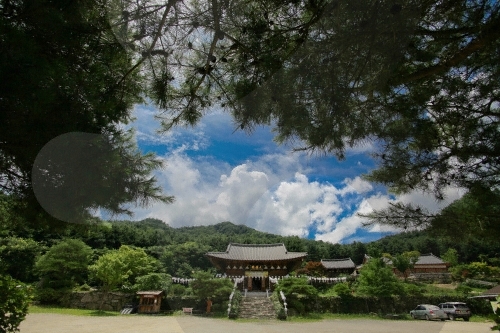
Gapyeong Baengnyeonsa Temple (백련사(가평))
9.0Km 2021-05-15
159-50, Saemgol-gil, Gapyeong-gun, Gyeonggi-do
+82-31-585-3855
Baengnyeonsa Temple is surrounded by mountains, as it is located off Yongmunsan, Myeongjisan, and Daegeumsan Mountains. On each side of the temple, one can also find Unaksan Mountain as well as Cheonmasan Mountain. In addition, just behind the temple are Chungnyeongsan Mountain and Seorisan Mountain.
This temple was built relatively recently, so the temple only has a few cultural treasures. However, as compared to the average temple in Korea, it is distinguished by its well-designed and refined architectures. The decorations in the temple are simple, with no overly vibrant colors nor complicated designs so as to help in seeking peace and inspiration.
The temple is also known for its hiking trails and beautiful scenery offered by the surrounding mountains.
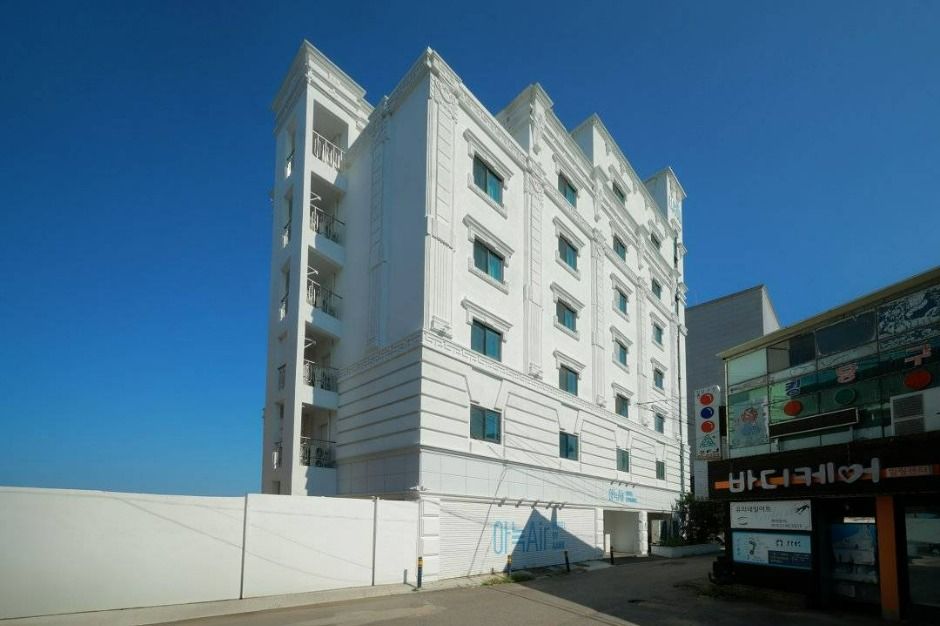
Aank Air Hotel Gapyeong (늑에어 호텔 가평점)
9.2Km 2025-04-09
6 Jojonghuimang-ro 5beon-gil, Jojong-myeon, Gapyeong-gun, Gyeonggi-do
Aank Air Hotel Gapyeong offers offers a variety of theme-based room types tailored to every guest's needs, such as a business room, 2 PC room, movie room, lounge room, and a jacuzzi spa room. The hotel also has a parking lot, a guest lounge, and mini massager for rent.
![Olive Young - Pocheon Jungang Branch [Tax Refund Shop] (올리브영 포천중앙)](http://tong.visitkorea.or.kr/cms/resource/60/2881260_image2_1.jpg)
Olive Young - Pocheon Jungang Branch [Tax Refund Shop] (올리브영 포천중앙)
9.7Km 2024-04-16
893, Hoguk-ro, Pocheon-si, Gyeonggi-do
-
![E-Mart - Pocheon Branch [Tax Refund Shop] (이마트 포천)](http://tong.visitkorea.or.kr/cms/resource/63/2881263_image2_1.jpg)
E-Mart - Pocheon Branch [Tax Refund Shop] (이마트 포천)
9.7Km 2024-04-22
915, Hoguk-ro, Pocheon-si, Gyeonggi-do
-
 English
 한국어
한국어 日本語
日本語 中文(简体)
 Deutsch
 Français
 Español
 Русский


