
Jangheung Hanok Swimming Pool (장흥한옥수영장)
17.8Km 2024-07-03
322-60 Gwonyul-ro, Jangheung-myeon, Yangju-si, Gyeonggi-do
+82-31-829-2288
Jangheung Hanok Swimming Pool opened in 2017, blending the charms of a traditional hanok building with natural mineral waters to create an exotic swimming pool. The pool implements natural purification methods without the use of harsh chemicals, making it great for people who have atopy and other sensitive skin issues.
Byukchoji Gardens (벽초지수목원)
18.3Km 2025-10-23
242 Buheung-ro, Gwangtan-myeon, Paju-si, Gyeonggi-do
+82-31-957-2004
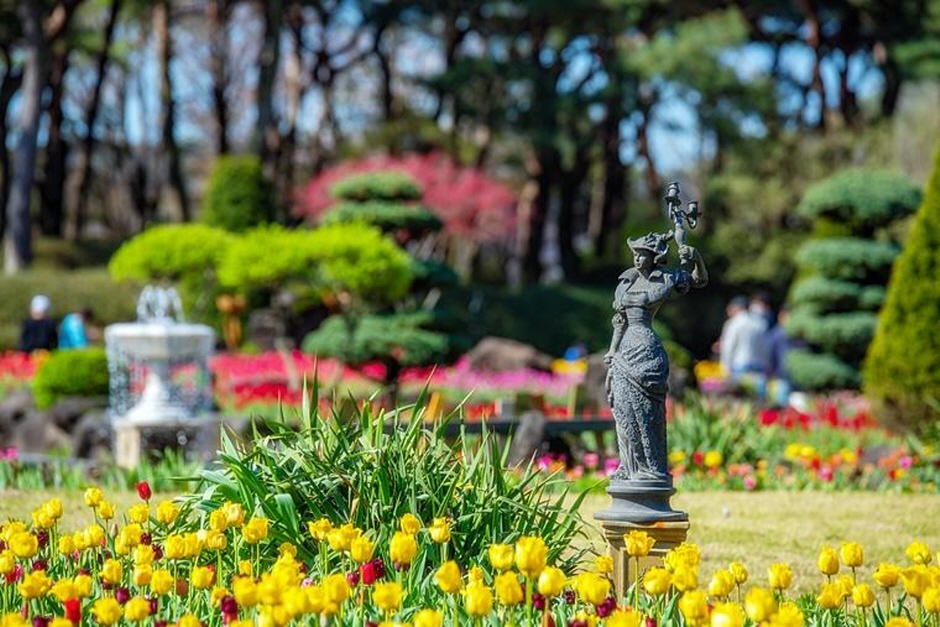
Byukchoji Gardens is made up of a Korean-style and a European-style garden. It is home to nearly 1,400 species of plants. Each garden is organized under a single theme, such as mythology, adventure, and freedom. Byukchoji Gardens also features walking trails, ponds, greenhouses, and lawns. Byukchoji Pond has a Lotus Flower Garden with lotus flowers blooming. Visitors can walk on the trails built above the pond to examine the flowers up close. Nearby tourist sites include Bakdalsan Mountain, Paju Book City, and the Paju Samneung Cluster, a UNESCO World Heritage site.
Paju Bogwangsa Temple (보광사(파주))
18.6Km 2021-09-10
87, Bogwang-ro 474beon-gil, Paju-si, Gyeonggi-do
+82-31-948-7700
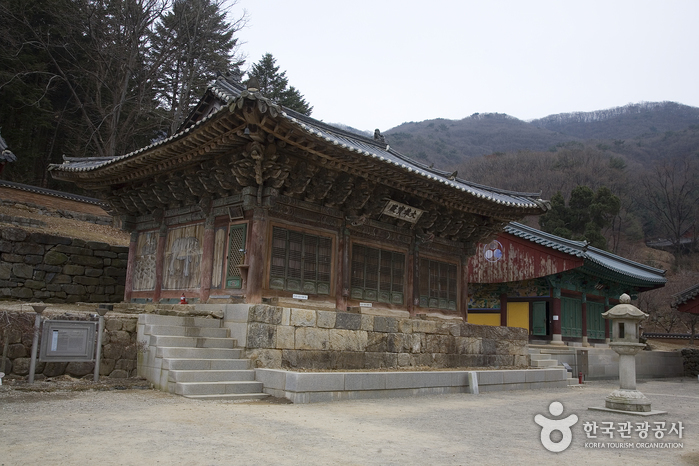
Bogwangsa Temple is a traditional temple located on the foothills of Goryeongsan Mountain in Paju. It was built by Great Monk Doseonguksa during the Silla Kindom period under the order of Queen Jinseong in AD 894. At the time, it was considered a hidden national treasure and one of the six grand temples located on the northern side of the Hangang River. In was once ruined during the Imjin War, and reconstructed in 1622 by Monk Seolmi and Monk Deogin. In 1667, Monk Jigan and Monk Seok Ryeon reconstructed Daeungbojeon Hall and Gwaneumjeon Hall.
Tomb of General Gwon Yul (권율장군묘)
18.8Km 2024-02-07
223 Gwonyul-ro, Jangheung-myeon, Yangju-si, Gyeonggi-do
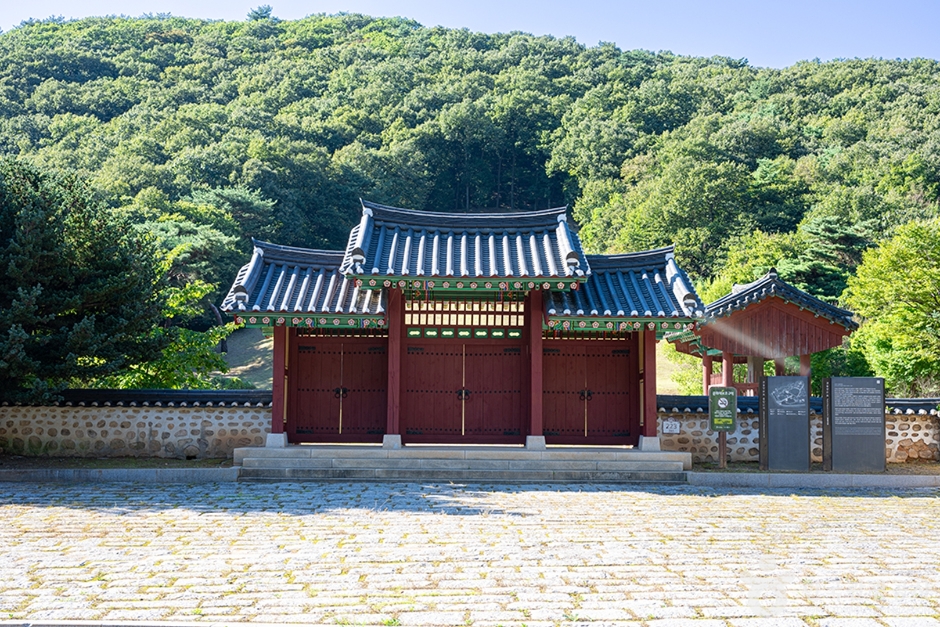
General Gwon Yul (1537-1599) is a historic figure from the Joseon dynasty. He is celebrated for repelling the invading Japanese forces at Haengjusanseong Fortress and other locations near Seoul during the Japanese Invasion of Korea (1592-1598). In front of the tomb stands a tombstone, flanked by pairs of stone statues. These pairs consist of Sangseok, Hyangnoseok, Dongjaseok, Muninseok, and Mangjuseok, with one statue from each pair positioned on the left and the other on the right, respectively. The site also includes the tombs of his father and older brother. His descendants continue to visit and commemorate him to this day.
Damdaheon / 담다헌 체험교육관
19.2Km 2023-10-26
98, Songsan-ro 939beon-gil, Uijeongbu-si, Gyeonggi-do
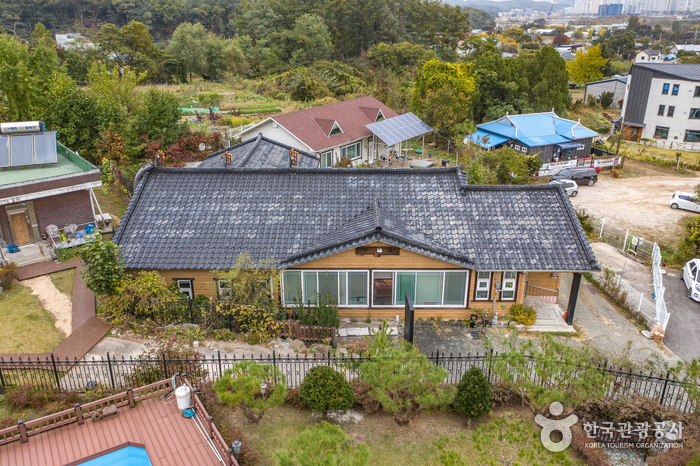
Damdaheon is an experience center dedicated to the art of making rice cakes, situated in Geomundol (black stone) Village in Sangok-dong, Uijeongbu. It was opened on October 23, 2009, under Park Gyeong-ae, recognized as a master artisan by Gyeonggi-do. The center offers experience programs like rice cake-making, sweet red bean jelly-making, fermented soybean and sauce-making, kimchi-making, and bean curd-making, as well as weekend farms (offered on a yearly basis). It strives to promote the traditional healthy foods of Korea through hands-on experiences to children and young people, who tend to gravitate toward instant and Western food, and to encourage them to make their own rice cakes at home with Damdaheon’s easy rice cake recipes.
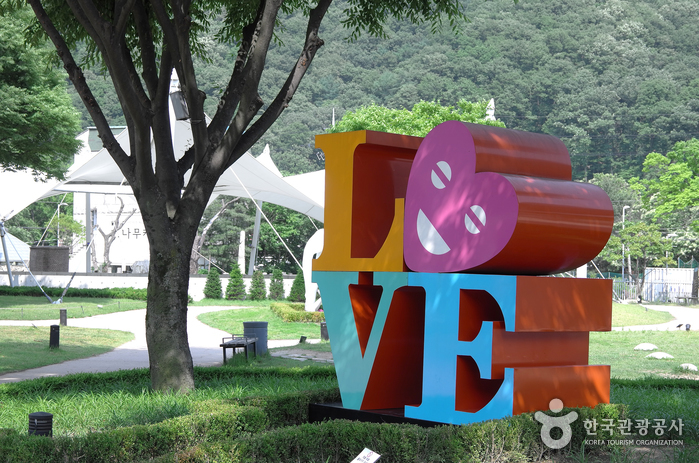
Gana Art Park (가나아트파크)
19.6Km 2024-02-07
117 Gwonyul-ro, Jangheung-myeon, Yangju-si, Gyeonggi-do
Gana Art Park is a park featuring an art museum, playground, performing stage, art shop, restaurant, and more. The park includes the Gana Children’s Art Museum, showcasing artworks by Korean and international contemporary art masters. There is also the Blue Space, where a work of Picasso is displayed, the Red Space dedicated to artworks of contemporary masters, and the Yellow Space, which is a playground equipped with nets
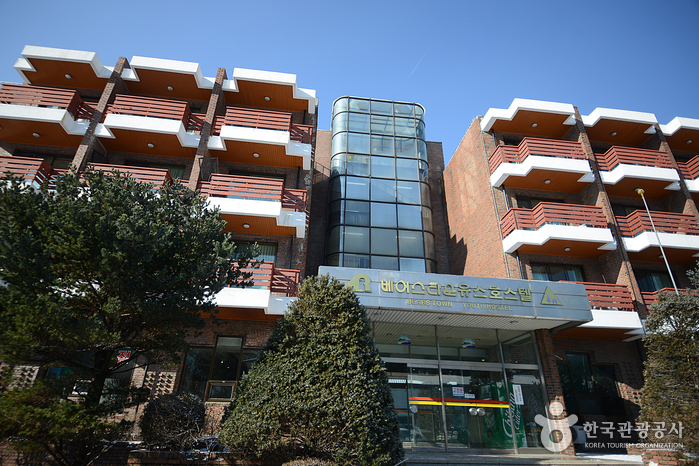
Bears Town Youth Hostel (베어스타운 유스호스텔)
19.6Km 2025-07-09
27, Geumgang-ro 2536beon-gil, Naechon-myeon, Pocheon-si, Gyeonggi-do
+82-31-540-5170, +82-31-540-5151
Olive Young - Namyangju Cheonghak Branch [Tax Refund Shop] (올리브영 남양주청학점)
20.0Km 2024-06-27
1F, #106, #107, and #108, 9, Cheonghak-ro jungang-gil, Byeollae-myeon, Namyangju-si, Gyeonggi-do
-
 English
 한국어
한국어 日本語
日本語 中文(简体)
 Deutsch
 Français
 Español
 Русский


