Suwon Museum (수원박물관)
1.9Km 2025-05-22
265 Changnyong-daero, Yeongtong-gu, Suwon-si, Gyeonggi-do
+82-31-228-4150
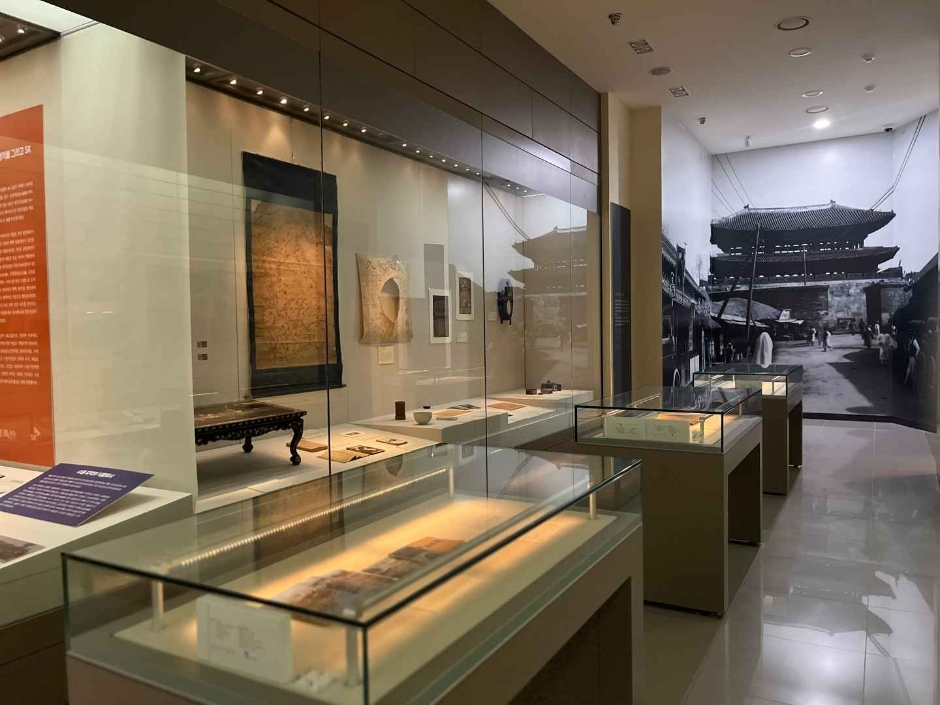
Locaed in Iui-dong, Yeongtong-gu, Suwon Museum has one basement floor and two above-ground floors, spanning over an area of 6,535 ㎡. Suwon Museum consists of two main exhibition halls, Suwon Museum of History and Calligraphy Museum of Korea, showcasing approximately 48,000 relics, and a planned exhibition hall for special occasions and exhibitions.
Suwon Museum of History recreates a scene of Yeongdong Market Street during the1960s. Children can learn and get secondhand experience of what Suwon was like in the past while adult visitors can reminisce the old times.
Calligraphy Museum of Korea is the first calligraphy museum built by a local government. The museum houses Korea's significant calligraphy works. The hall features a spacious area and its display cases are designed with cutting edge technology to highlight the relics on display. Exhibited collections include geumseokmun (metal writing), beopseo (calligraphic specimen of renowned artists of the past), works of renowned calligraphers during the Joseon dynasty, eopil (the writings of Kings), seogan (letters), works of renowned contemporary calligraphers, and more. Also, a planned exhibition hall holds exhibitions with specific themes every year. In addition, the museum offers educational programs for visitors as well as large scale calligraphy events for the general public.
Manseokgeo Park (만석거공원)
2.1Km 2024-12-23
1087 Jeongjo-ro, Jangan-gu, Suwon-si, Gyeonggi-do
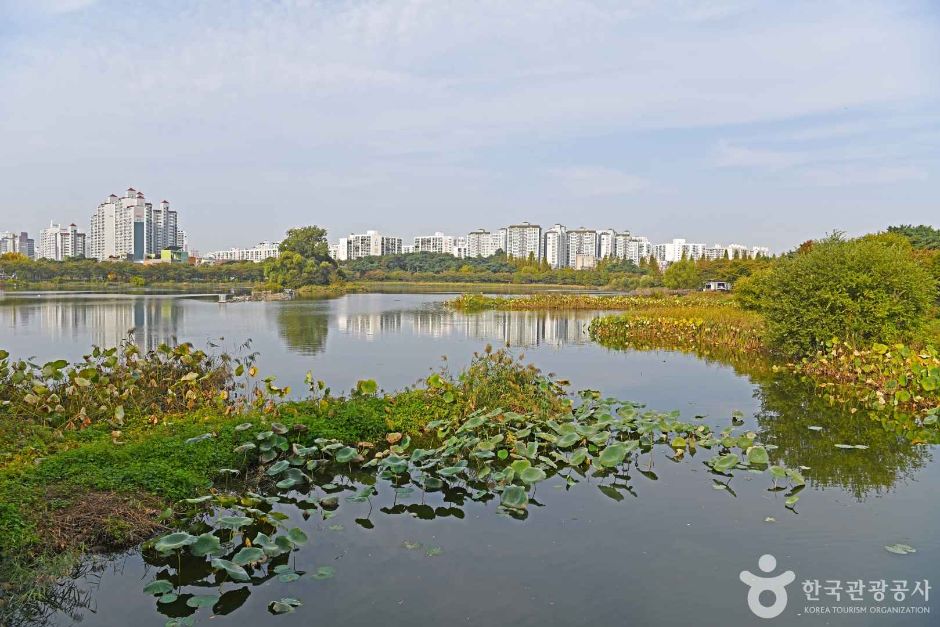
Manseokgeo Park centers around Manseokgeo Reservoir, built in 1795 to combat drought by transforming barren land into a water source. The park features a pavilion, tennis courts, a playground, small convenience store, an outdoor concert hall, and an art museum. In spring, cherry blossoms bloom, while summer brings beautiful lotus flowers to the lake. A well-maintained walking trail encircles the reservoir, and at night, the rainbow-colored musical fountain provides a spectacular view.
Bonsuwon Galbi (본수원갈비)
2.3Km 2024-12-02
41, Jungbu-daero 223beon-gil, Paldal-gu, Suwon-si, Gyeonggi-do
+82-31-211-8434
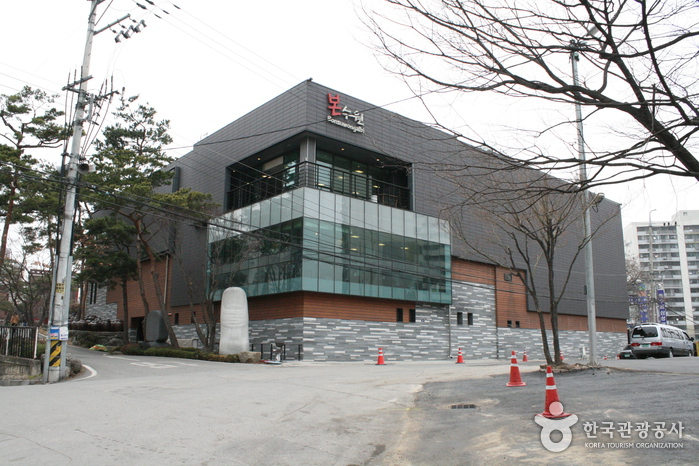
With over 50 years of history, Bonsuwon Galbi is said to be one of Suwon's top three galbi restaurants. Diners can choose between saeng-galbi (grilled, unmarinated galbi) to savor the natural flavor of the meat, or yangnyeom-galbi (grilled, marinated galbi) for a richer, more savory taste.
Smob - Suwon Branch (스몹 수원)
2.4Km 2024-05-23
175 Suseong-ro, Jangan-gu, Suwon-si, Gyeonggi-do
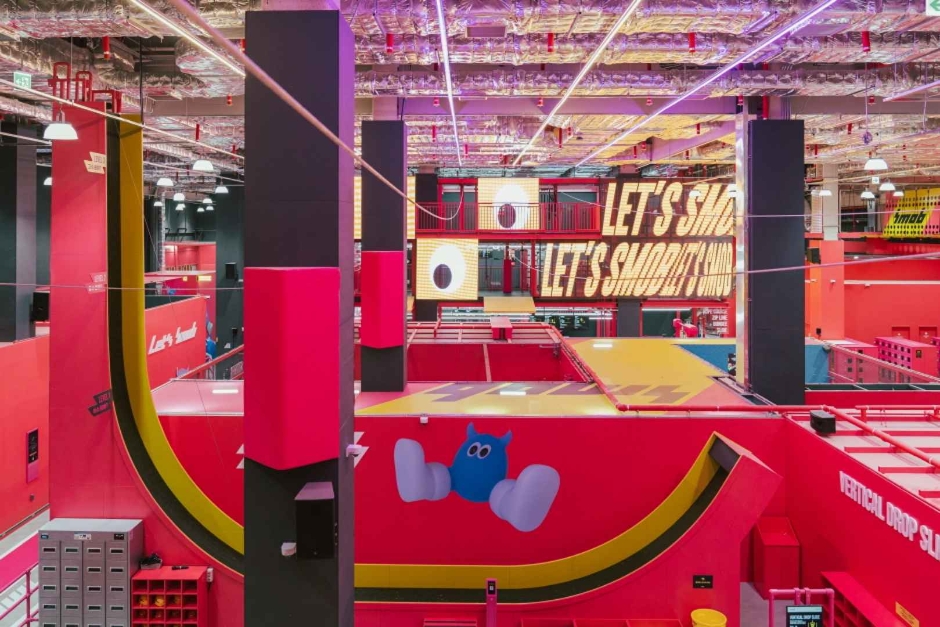
The Suwon branch of Smob is located on the 7th floor of Suwon Starfield. Smob features 25 attractions based on various sports that are enjoyable for everyone, including those who aren't particularly athletic or interested in sports.

Starfield Suwon (스타필드 수원)
2.4Km 2025-05-22
175 Suseong-ro, Jangan-gu, Suwon-si, Gyeonggi-do
Starfield Suwon is an eight-story complex shopping mall where you can enjoy shopping, culture, and entertainment all in one place. The mall includes various shopping options, such as a warehouse-style discount store, a themed electronics specialty store, restaurants and cafés, and shops specialized in beauty products, apparel, and lifestyle goods. Various types of entertainment are available, such as a movie theater and SMOB, an indoor sports park where you can try ziplining and rock climbing.
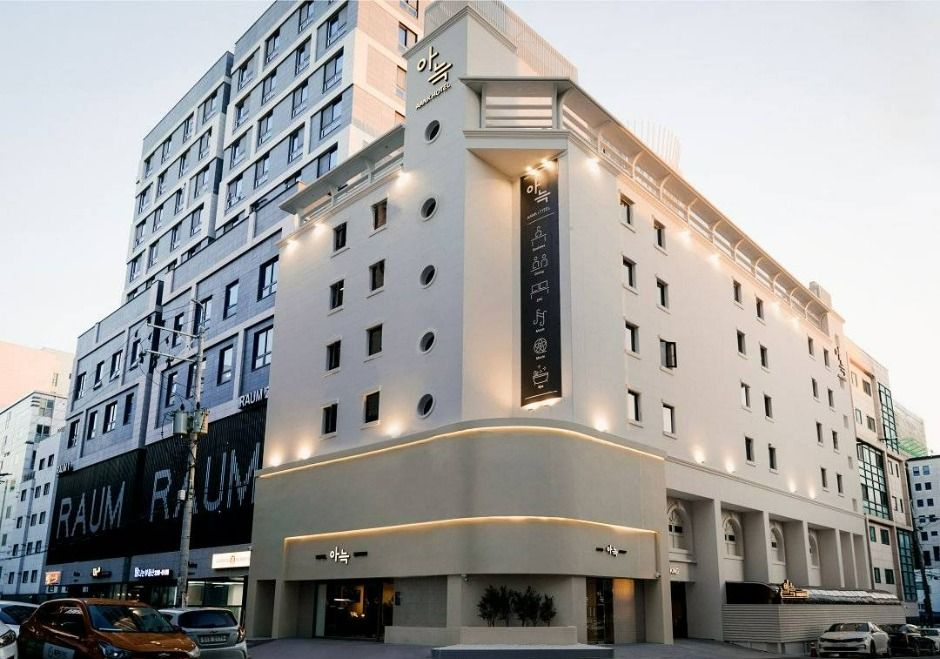
The Hyoosik Aank Hotel Suwon Ingye (더휴식 아늑호텔 수원 인계점)
2.5Km 2025-04-08
29 Ingye-ro 94beon-gil, Paldal-gu, Suwon-si, Gyeonggi-do
The Hyoosik Aank Hotel Suwon Ingye offers comfort and leisure with a variety of room types, such as a standard room, business room, business suite, gaming room, movie room, business twin bedroom, pet-friendly room, suite pool room, suite twin pool room, music room, and dining twin bedroom. The hotel also has a parking lot and a public lounge.
Seoho Kkotmoe Park (서호꽃뫼공원)
2.7Km 2025-02-04
100 Suseong-ro, Paldal-gu, Suwon-si, Gyeonggi-do
Seoho Kkotmoe Park, located near Hwaseo Station, is an urban garden dedicated to preserving biodiversity and maintaining healthy ecosystems. The park features a four seasons garden, divided into 11 sections, as well as a well-maintained walking trail around the park. Additionally, there are a grass square, a forest playground, and various sports facilities, making it a beloved spot for local residents.
Suwon Gwanggyo Museum (수원광교박물관)
3.1Km 2021-10-23
182, Gwanggyo-ro, Yeongtong-gu, Suwon-si, Gyeonggi-do
+82-31-228-4175
Suwon Gwanggyo Museum features a variety of relics that were discovered during the construction of Gwanggyo New Town. The exhibitions focus on the history and culture of the Gwanggyo area based on artifacts along with materials related to Korea’s modern history, Dokdo Island, and Admiral Yi Sun-sin. Suwon Gwanggyo Museum is located in Gwanggyo History Park near the burial site of Sim On and Prince Hyeryeong, providing a great opportunity for visitors to learn about Korea’s history as well as enjoy a relaxing stroll around the park.
Wolhwawon Garden (월화원)
3.2Km 2024-03-20
399 Dongsuwon-ro, Paldal-gu, Suwon-si, Gyeonggi-do
+82-31-228-4181
Wolhwawon Garden is nestled in Hyowon Park of Suwon and features elements that are heavily influenced by Chinese culture. The garden was established as a result of a special memorandom of agreement (MOU) signed in 2003 between the provincial governments of Gyeonggi-do in Korea and Guangdong in China, in appreciation of the two city's cooperative relationship. It boasts traditional gardens and architecture, man-made lakes and waterfalls designed in the Cantonese style.
Gyeonggido Dance Company’s Saturday Show: Dancing Cultural Heritage(경기도무용단 토요상설공연: 문화유산을 춤추다)
3.3Km 2025-06-11
경기도 수원시 팔달구 효원로307번길 20 (인계동)
 English
 한국어
한국어 日本語
日本語 中文(简体)
 Deutsch
 Français
 Español
 Русский


