
Sejong Village Food Street (세종마을 음식문화거리)
4.5Km 2025-06-17
Chebu-dong, Jongno-gu, Seoul
Previously known as Geumcheongyo Market, it was officially named Sejong Village Food Street in 2011, as King Sejong was born in this village. The street is full of lively energy and features both long-standing restaurants, also known as nopo in Korean, and recently established trendy eateries. Its convenient location and inviting atmosphere make it a popular place to visit.
Chamin Plastic Surgery (차민성형외과의원)
4.5Km 2026-01-02
4th–6th Floors, Cheongha Building, 503 Gangnam-daero, Seocho-gu, Seoul
ChamIn Plastic Surgery specializes in a wide range of procedures, including revision rhinoplasty, primary rhinoplasty, facelift and mini facelift, forehead lift and forehead reduction, double-chin contouring, eyelid surgery, and various skin treatments such as fillers, Botox, and skin boosters.
All consultations, evaluations, procedures, and follow-up care are provided directly by our medical specialists on a one-to-one basis.
The clinic is structured into a streamlined system with a Treatment Center on the 4th floor, an Operating Center on the 5th floor, and a Consultation Center on the 6th floor.
At ChamIn Medical Center, a gastroenterology specialist provides endoscopy, ultrasound, health check-ups, fecal microbiota transplantation (FMT), and other internal medicine services.
ChamIn Plastic Surgery values trust and professional expertise, offering personalized treatment plans tailored to each individual.
K-Royal Culture Festival (궁중문화축전)
4.5Km 2025-07-29
161 Sajik-ro, Jongno-gu, Seoul
+82-1522-2295
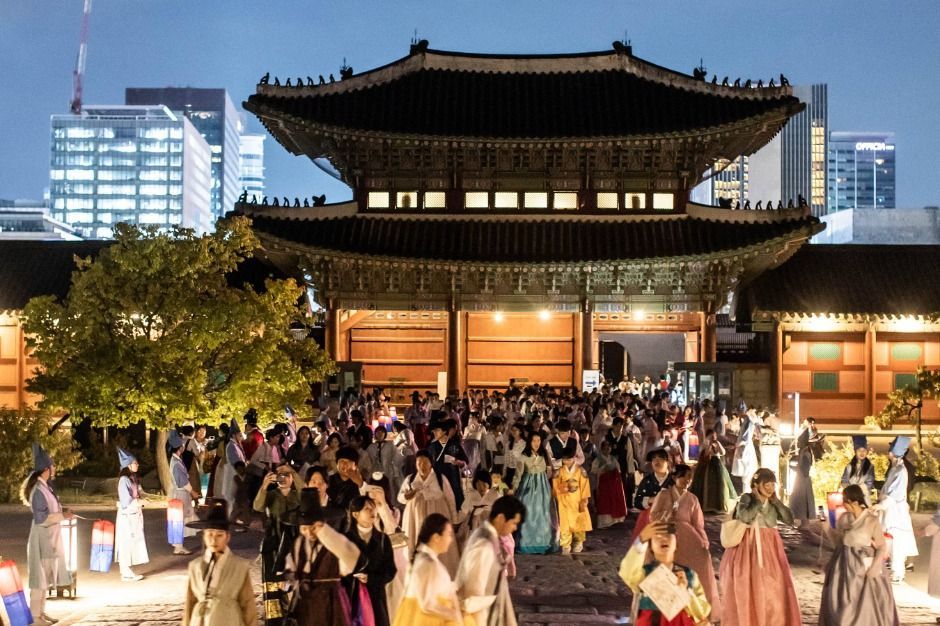
The K-Royal Culture Festival is held at the five Royal Palaces and Jongmyo Shrine. The festival first began in 2014 and provides visitors with first-hand knowledge of these important cultural heritages through unique performances, exhibitions, experiences and programs. The festival expanded in 2021 to be hosted twice a year, in spring and in fall.
Daelim Museum (대림미술관)
4.5Km 2022-07-29
21, Jahamun-ro 4-gil, Jongno-gu, Seoul
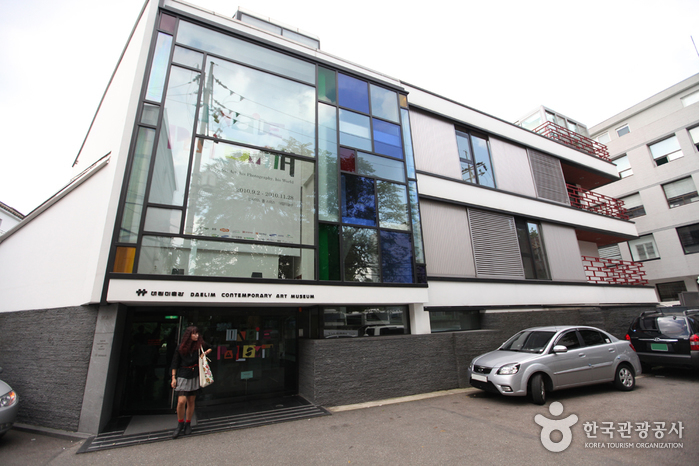
The Daelim Museum, built by the Daelim Group, was first established in Daejeon in 1996 and later moved to Jongno, Seoul in 2002. The art gallery studies, analyzes, and presents modern art through the lens of photography and holds exhibitions centered around photo media.
The museum is located in the residential area of Tongui-dong, near the time-honored Gyeongbokgung Palace. The museum, which was designed by French architect, Vincent Cornu, and built by the Daelim Corporation, opened its door to the public in late May 2002.
On the first floor, there is a garden, parking lot, reception desk, storage area, and conference room. On the second and third floor are offices and exhibition hall approximately 595 m² in size, consisting of small and large rooms, a long gallery, and a special high-ceilinged exhibition space. On the fourth floor, there is a seminar room that can seat up to 120 guests and a balcony with a beautiful view. From the balcony of the seminar room, Visitors can also enjoy a wide open view of Inwangsan Mountain and Bukhansan Mountain. The stained glass panels (designed to reflect the beauty of traditional Korean wrapping cloth) and the scenic lounges on the 2nd and 3rd floors of the building add to the overall charm.
Above all else, the museum was designed with consideration of the photos, which are very sensitive to humidity, light, and temperature.
Oganacell Dermatology Clinic (오가나셀피부과의원)
4.5Km 2025-10-23
(2nd Floor, Building A, Cheongdam Square), 420 Dosan-daero, Gangnam-gu, Seoul
Oganacell Dermatology Clinic provides 1:1 personalized skin revision.
Oganacell Dermatology Clinic aims for ‘skin revision’ for ideal skin conditions that naturally become healthy from their root, rather than temporal improvement with simple cosmetic procedures.
Our dermatologists are skilled specialists who have been studying skin for over 10 years. With their treatment experience and know-how, they perform treatments suitable for each customer's skin condition, ensuring high reliability and satisfaction.
We have premium laser equipment supporting the sophisticated technology of Oganacell specialists.
Our dermatologists prescribe the most necessary treatment for each individual after diagnosing the skin, and provide customized and specialized medical services using high-spec & high-performance premium equipment.
Daehakro Arts Theater (대학로예술극장)
4.5Km 2021-07-05
17, Daehak-ro 10-gil, Jongno-gu, Seoul
Daehakro Arts Theater is a venue for performing arts that is comprised of a main hall and small hall. The main hall fills the first and second floors and has a proscenium stage with seating arranged in fan-shape. In an effort to present a more contemporary theater experience, the seats here are placed closer to the stage than those of a standard theater, allowing the audience to experience performances more vividly.
DRAnh Hairplant Clinic (닥터안헤어플란트의원)
4.5Km 2025-10-23
(2nd Floor), 647 Eonju-ro, Gangnam-gu, Seoul
Dr. Ahn Hair Plant Clinic is a hair loss treatment center established in 2004, specializing in hair transplantation.
The clinic uses cutting-edge technology, including the KNU Implanter, to perform hair transplants. We are committed to ongoing research to improve graft survival rate in hair transplantation. The success of the surgery depends on precise follicle separation, so Dr. Ahn Hair Plant Clinic provides regular training for the staff on follicle separation and all aspects of hair transplantation. Dr. Ahn Hair Plant Clinic is dedicated to achieving the highest surgical success and patient satisfaction. The clinic pledges to set a new standard as a specialized institution for hair loss treatment based on these efforts.
 English
 한국어
한국어 日本語
日本語 中文(简体)
 Deutsch
 Français
 Español
 Русский


