
Made U (메이드유 의원)
4.4Km 2025-11-26
(2nd-4th Floors, Made U Building), 516 Gangnam-daero, Gangnam-gu, Seoul
Made U Clinic is a specialized medical center with branches in major cities starting from Seoul, focusing on dermatology and cosmetic procedures, including weight management. For weight management, the clinic offers comprehensive treatments, including appetite suppressants, fat and carbohydrate blockers, and supplements to mitigate side effects. These methods aim to maximize the effectiveness of weight control while minimizing potential side effects to ensure a safer and more efficient weight management experience and promote healthier and more sustainable weight loss.
The clinic also provides a range of dermatological treatments, such as Botox, fillers, laser toning, Fraxel, and Shurink. These procedures are designed to improve wrinkles, skin tone, and skin elasticity, using the latest technology to minimize side effects and achieve natural-looking results. In addition, Made U Clinic offers various non-surgical cosmetic procedures, including contouring injections and double lifting, which are popular among patients seeking to enhance their appearance through minimally invasive procedures.
Artee Riders Club (아띠인력거)
4.4Km 2022-09-15
43, Bukchon-ro 5-gil, Jongno-gu, Seoul
Artee Riders Club is the first company that offers rickshaw tours in the nation. Not only do you get to ride on the rickshaw to tour around popular attractions including Bukchon Village, Seochon Village, the rickshaw tour guides you to the smaller alleys as well. Travelers to Bukchon Village may have their belongings or luggage stored at the center, and individual's insurance as well as a complimentary drink are offered.
S-plant Dental Hospital (에스플란트치과병원)
4.4Km 2025-10-23
(5th-9th Floors, Unit Building, Cheongdam-dong), 410 Dosan-daero, Gangnam-gu, Seoul
S-PLANT Dental Hospital is staffed by six doctoral graduates from Seoul National University School of Dentistry, each bringing their expertise to provide patients with an optimal treatment system.
Since 2008, S-PLANT Dental Hospital has been researching digital dental technologies and showcasing outstanding dental skills. By utilizing advanced digital equipment such as 3D CT and 3D scanners, we ensure accurate diagnoses, procedures, and reliable treatment results, establishing ourselves as a future-oriented digital dental hospital. Our experienced specialists in implants and prosthetics offer personalized treatments including full-mouth implants, one-day implants, immediate-loading implants, one-day prosthetics, and sedation dentistry, enhancing satisfaction for international patients.
At S-PLANT Dental Hospital, honest communication with our patients is our top priority. We are committed to providing honest and genuine care to achieve the highest level of satisfaction. Welcome to our dental hospital, where patients from around the world visit us to experience exceptional care in Korea.
Rakkojae Seoul Bukchon Hanok Hotel (락고재 서울 북촌 한옥호텔)
4.4Km 2025-10-27
49-23 , Gyedong-gil, Jongno-gu, Seoul
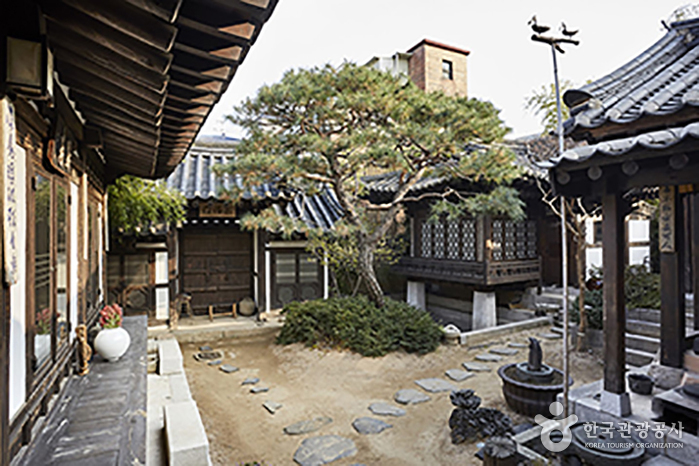
Rakgojae Bukchon Hanok Hotel in Jongru-gu, Seoul, is a traditional hanok compound with a 130-year history, renovated by master carpenter Jeong Yeong-jin. The elegant gate and stone walls, the traditional roof tiles, the jangdokdae jar store, the pavilions and ponds - not to mention the beautiful pine trees - express the archetypal beauty of hanok. Sitting on the daecheongmaru (wooden patio) with a breeze in the trees, guests will feel taken back in time. Guestrooms are clean and comfortable, and visitors can relax in a wood-fired red-clay sauna and a jade-covered ondol room,. Traditional culture programs are available.
Maria Fertility Hospital (마리아병원)
4.4Km 2025-10-23
20 Cheonho-daero, Dongdaemun-gu, Seoul
In 1967, Maria Obstetrics and Gynecology opened where the Maria Fertility Hospital (Sinseol-dong, Dongdaemun-gu, Seoul) sits today, leading to the creation of the Maria Medical Foundation. At the time, the doctor willingly visited patients' houses with an old house-call bag even in the early mornings, no matter where a patient lived. This founding spirit became the root of the hospital's principles and commitment to its services.
Maria Fertility Hospital ranks number one in in-vitro fertilization cases, accounting for approximately 30% of the total cases among fertility hospitals. The hospital opened branches so that patients can conveniently experience the medical know-how of Maria Fertility Hospital no matter where they live across the country. The branches provide optimum diagnosis of problems through close collaborations among the branches.
The hospital has become a globally renowned fertility center, going beyond its unrivaled number-one position in fertility medicine in Korea. The hospital is dedicated to finding the best solution through research, and helping infertile patients realize their dreams of having a baby to create a healthy and happy family.
Maria Fertility Hospital is moving forward with the philosophy and heritage it inherited from the Maria Medical Foundation.
Baek In-je House (백인제가옥)
4.5Km 2025-10-24
16 Bukchon-ro 7-gil, Jongno-gu, Seoul
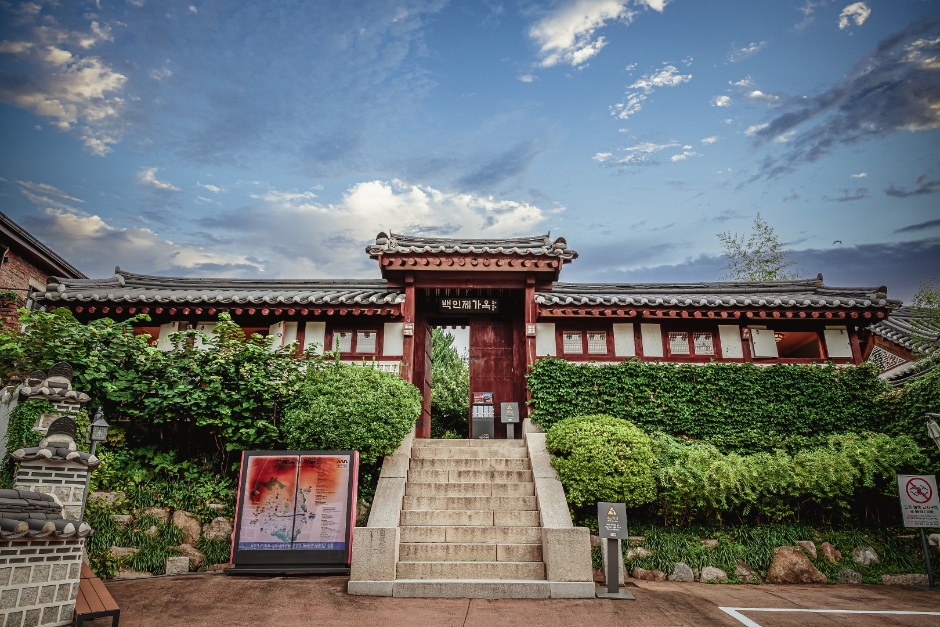
Baek In-je House, located in Bukchon Hanok Village, is a hanok built during the Japanese administration period that portrays modern hanok features. The structure consists of a main room offering a good view of the whole village, spacious bedrooms, a large garden, and annex buildings. As it maintains the beauty of a traditional hanok while incorporating the modern trend of its time, Baek In-je House is considered to be highly valuable in means of both architecture and history, representing the Bukchon Hanok Village together with Yun Bo-seon House.
Baek In-je House was built from black pine, which was first introduced in Seoul during the Gyeongseong Expo in 1907, distinguishing itself from other upper-class houses of its time. Unlike other traditional hanok designs that separate the main building from the other rooms, Baek In-je House connects the two with a hallway, allowing convenient access between the two structures. The house also consists of a Japanese-style hallway and floor mat rooms, reflecting the interior trends of that period. Baek In-je House is also unique in that the main room is partially built as a two-story structure, a style that was never seen in any traditional hanok built during the Joseon period.
 English
 한국어
한국어 日本語
日本語 中文(简体)
 Deutsch
 Français
 Español
 Русский


