
Healingeye Clinic (힐링안과의원)
7.5Km 2025-10-23
10th-11th Floors, 808 Tower, 470 Gangnam-daero, Gangnam-gu, Seoul
With advanced medical equipment and extensive experience, we provide vision correction surgery—including LASIK, LASEK, and cataract surgery—for patients whose vision has declined.
Through our 1:1 dedicated doctor system and our lifetime surgical responsibility guarantee, we ensure lifelong care for your eyes.
At Healing Eye Clinic, we pursue a haute-couture approach to medical service, offering a premium, personalized vision correction program that is tailored to each individual.
With us, you can discover clearer, sharper vision.
Le : Dental Clinic (르치과의원)
7.5Km 2025-10-23
(9th Floor, Glaston Building), 108 Bongeunsa-ro, Gangnam-gu, Seoul
Le Dental Clinic provides professional treatment tailored to the patient's condition to create a beautiful smile without dental discomfort.
we has interpreters for each country on site, making it easy for patients to make or change appointments. We do our best to ensure that treatment is better and all patients who visit are satisfied through comfortable communication when they come to the dentist.
Bright Eye Clinic (밝은눈안과의원)
7.5Km 2025-10-23
15th, 17th Floors, Kyobo Tower, 465 Gangnam-daero, Seocho-gu, Seoul
Bright Eye Clinic is a specialized ophthalmology center that became the first in Asia to adopt the ZEISS VisuMax system in 2009. To date, the clinic has performed more than 700,000 surgeries, including SMILE Pro, LASIK, LASEK, ICL, presbyopia, and cataract procedures. In 2024, it was recognized as the world’s leading institution in presbyopia lens implantation and is the only eye clinic in Seoul with KAHF certification.
Q Spa & Clinic (큐스파앤클리닉)
7.5Km 2025-01-10
8 Samseong-ro 133-gil, Gangnam-gu, Seoul-si
Q Spa & Clinic has clinical and spa programs managed by expert staff certified in cosmetology and trained to handle the state-of-the-art equipment and facilities.
Best Western Premier Gangnam Hotel (베스트웨스턴 프리미어 강남호텔)
7.5Km 2025-01-07
139, Bongeunsa-ro, Gangnam-gu, Seoul
Best Western Premier Gangnam Hotel offers double, twin and suite rooms in contemporary ambience and design. Multilingual staff members and a business center provide the best business atmosphere for visitors. The hotel is located in the heart of Gangnam, with easy access to COEX, Korea World Trade Center, Olympic Stadium, and a number of luxury department stores and the combined business and entertainment area of Gangnam.
Seorae Village (서래마을)
7.5Km 2022-12-16
Banpo-dong, Seocho-gu, Seoul
Seorae Village is located in between Banpo 4-dong and Bangbaebon-dong in Seocho-gu, Seoul. Seorae Village took its form as a French neighborhood when French residents moved to the area after Ecole Francaise de Seoul, a school for French residents in Korea, was established here in 1985. According to 2008 census, about half of the total 1,000 French citizens residing in Korea were registered to be living in Seorae Village. The area naturally took shape as a global neighborhood as many international residents settled at Seorae Village much thanks to the strong presence of French residents. In addition to its convenient location near the central district area as well as Gangnam area and Hangang River Park, Seorae Village serves as a pleasant environment space for all.
Many shops and restaurants in Seorae Village are small in size and rather charming, resembling those in Europe. A bakery that makes traditional French baguettes using ingredients directly imported from France can be found here. In recent years, Seorae Village has undergone several changes, gaining much attention as one of the most modern and fanciest regions found in Seoul.
Lante Obgyn (랑뜨산부인과의원)
7.6Km 2025-10-23
(5th Floor, Regen Medical Tower), 463 Gangnam-daero, Seocho-gu, Seoul
The services of Lante Obgyn are provided by an all-female medical staff, including four obstetrics and gynecologist and they specialize in a variety of gynecological surgeries including labiaplasty and urinary incontinence surgery.
In addition to obstetrics/gynecology care, we provide a comprehensive, one-stop care for a wide range of women's needs (hair removal, obesity management, aesthetic medicine, IV therapy, menopause treatment, vaccinations, etc.) as well as lasers, fillers, and various other procedures that require less downtime and allow you to return your daily life on the same day.
Located in Gangnam (Sinnonhyeon Station, Exit No. 8), we are easily accessible and have partnership with Seoul National University Hospital, Severance Hospital, the Catholic University of Korea Seoul St. Mary's Hospital, Cha Hospital, Samsung Medical Center, and Asan Medical Center.
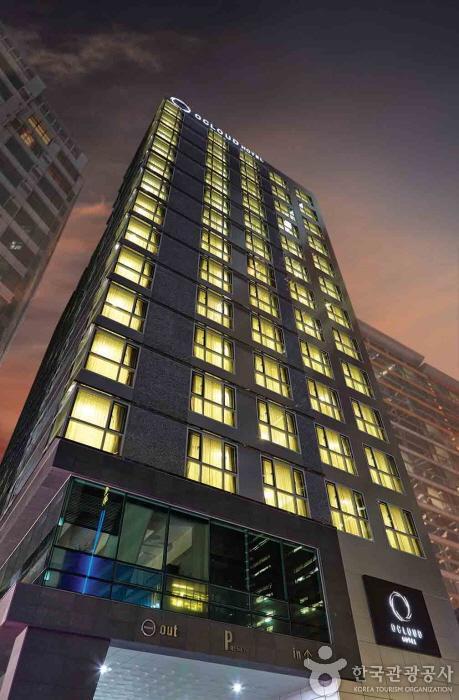
Ocloud Hotel (오클라우드호텔)
7.6Km 2024-12-13
12 , Sapyeong-daero 58-gil, Seocho-gu, Seoul
Ocloud Hotel is a 4-star business hotel located at the heart of Gangnam, Seoul, making it an ideal place to stay for business travelers. The hotel offers various room types, including Standard, Deluxe, Family, and Suite, all of which are modern, clean and sure to leave guests satisfied. Each room is equipped with a microwave, wine glasses, and an iron. There is a restaurant that serves meals at a reasonable price on the B1 floor. A fitness center and laundry room are located on the 2nd floor, and from the rooftop garden you can enjoy a night view of downtown Seoul. Business rooms are also available.
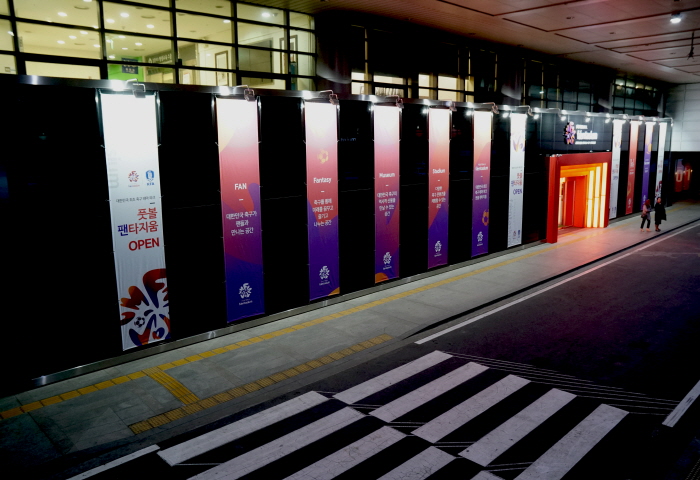
Football Faentasium (풋볼 팬타지움)
7.6Km 2022-09-13
240, World Cup-ro, Mapo-gu, Seoul
Football Faentasium is the first soccer-themed experience museum in Korea, founded by the Korea Football Association. The museum uses the lastest in IT for exciting displays, experiences, educational lessons, and more for a facility more like a theme park than a museum. The name comes from a mix of the words fan, fantasy, museum, and stadium.
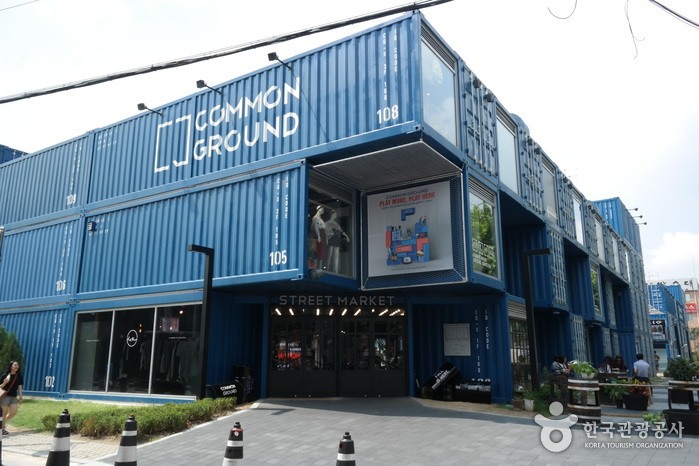
Common Ground (커먼그라운드)
7.6Km 2025-10-23
200 Achasan-ro, Gwangjin-gu, Seoul
Korea's first pop-up store built with shipping containers,
Common Ground is approximately 5,300 square meters in scale, made up of 200 large containers and is capable of transforming into different structures or moving into different places. Mega-sized mainstream brands are hard to spot in Common Ground. Instead, new and trendy mid-sized shops by up-and-coming new designers and editorial shops can be found here.
On the central square of the ground market, a weekend market is held with different themes. In addition, various events such as exhibitions and performances continue to entertain shoppers while playing its role as a cultural space. On the third floor terrace, famous restaurants sprawl along the sides of the alley. If you feel like having a light snack, you can also pop down to the food trucks on the market ground that offers an exotic gastronomic dining experience.
 English
 한국어
한국어 日本語
日本語 中文(简体)
 Deutsch
 Français
 Español
 Русский


