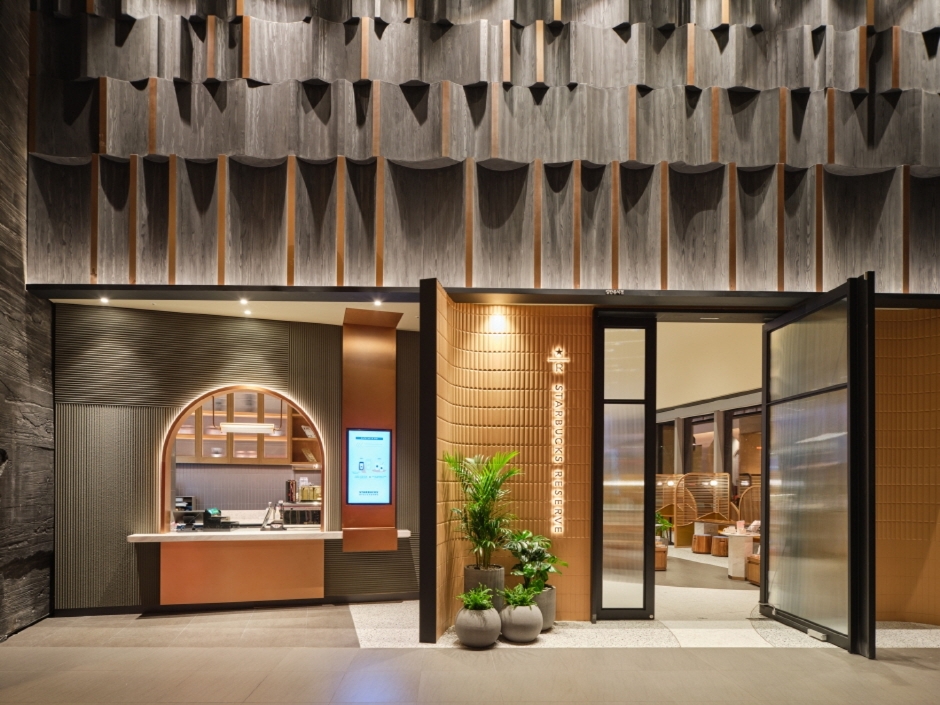
Starbucks Byuldabang (스타벅스 별다방)
2.9Km 2024-12-27
100 Toegye-ro, Jung-gu, Seoul
Byuldabang is a cozy space in the city, where the present and future of Starbucks coexist
Byuldabang is a special name. It combines the Korean words byul, which means stars, and dabang, which means a traditional space where people gather and talk over tea or drink. Byuldabang is the nickname Koreans generally use for Starbucks. Starbucks Byuldabang store opened in appreciation of customers of Starbucks Korea, celebrating its 22nd anniversary. This particular store is a Starbucks Reserve store with new concept food items, and is the first among Starbucks stores worldwide to have digital art wall decorations. The images projected to the art wall are “The Journey of Siren.” It is a surreal journey of Siren, who delivers coffee messages around the ocean, day and night. Customers love the story.
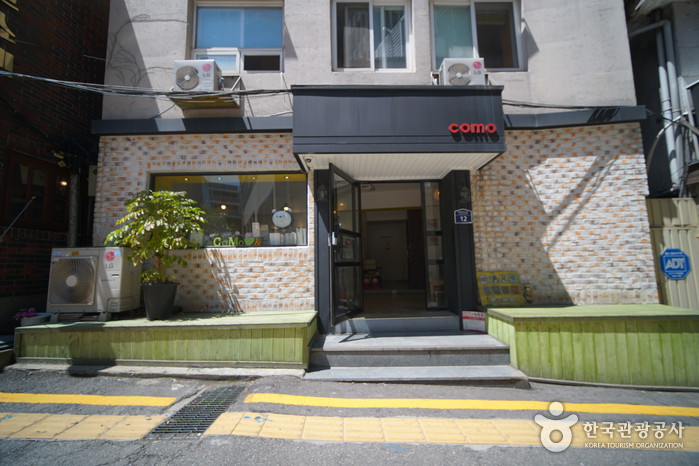
Myeongdong Guesthouse Como (명동게스트하우스 꼬모)
2.9Km 2024-12-23
12 , Toegye-ro 24-gil, Jung-gu, Seoul
Como is a guesthouse in Jongno-gu, Seoul, just 3-minute’s walk away from Myeongdong Station on Line 4. Como is particularly popular with foreign travelers: staff are fluent in English and Chinese, and luggage storage is free of charge. Rooms come in different sizes to cater from single travelers to family groups, and all have a separate bathroom and toilet. Must-see local sights such as Namsan Seoul Tower, Sungnyemun Gate, and Namdaemun Market are easily reached by car or bus.
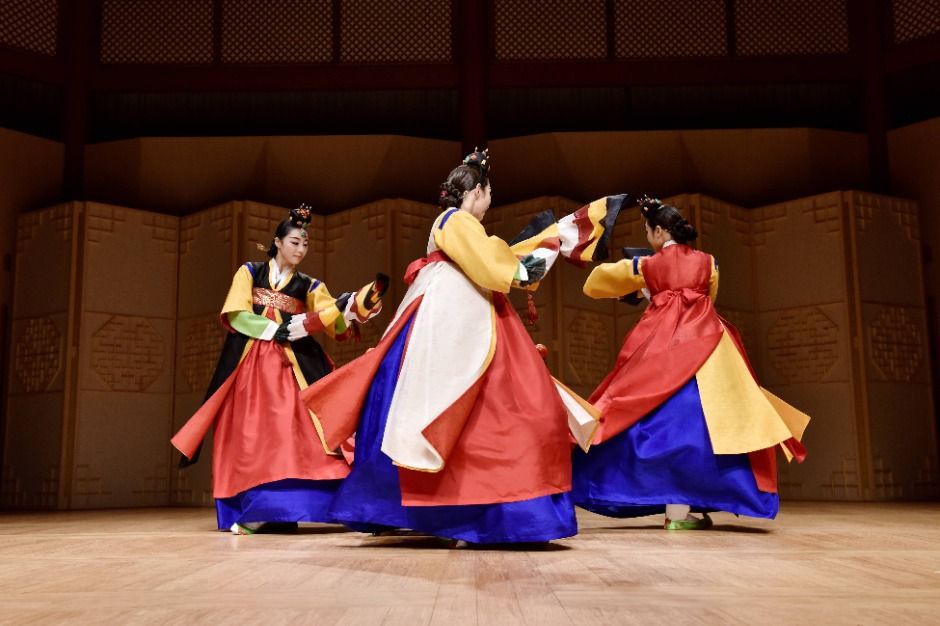
Jamunbak Cultural Festival (자문밖문화축제)
2.9Km 2025-10-23
5 Pyeongchang 31-gil, Jongno-gu, Seoul
+82-2-6365-1388
The Jamunbak Festival is a celebration of the artistic life of Seoulites. At the foot of Bukhansan Mountain, the festival features exhibitions, performances, forums, workshops, and field trips that bring together artists of different generations and citizens of Seoul—who have long led Korea’s artistic culture—to reflect on and propose new directions for their own artistic lives. The festival aims to create a platform where emerging artists experimenting with new aesthetics, mid-career artists who form the backbone of Korean art, collectors, critics, students, and the general public can all engage in dialogue together.
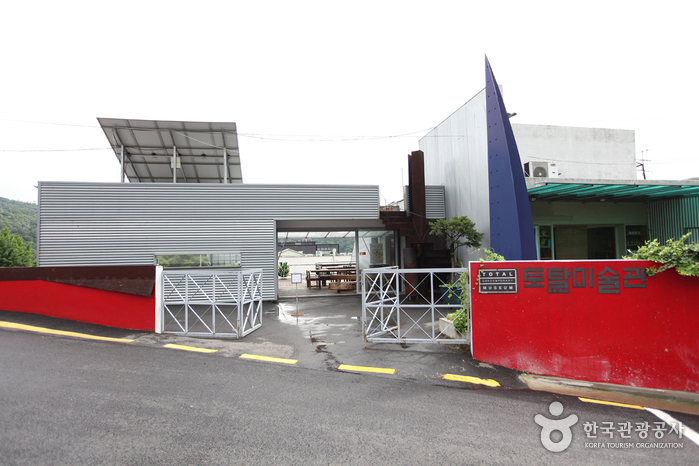
Total Museum (토탈미술관)
2.9Km 2022-07-22
8, Pyeongchang 32-gil, Jongno-gu, Seoul
The Total Museum is a branch of Jangheung Art Park (formerly “Total Outdoor Museum”) that opened near Bukhansan Mountain in April 1992. It houses facilities such as an art academy, library, art shop, and outdoor performance stage. In addition to exhibitions, the museum holds a variety of art and culture programs like musical concerts, events, lectures, and seminars. In particular, the members-only educational programs and gallery concerts provide a chance to enjoy high-quality cultural events.
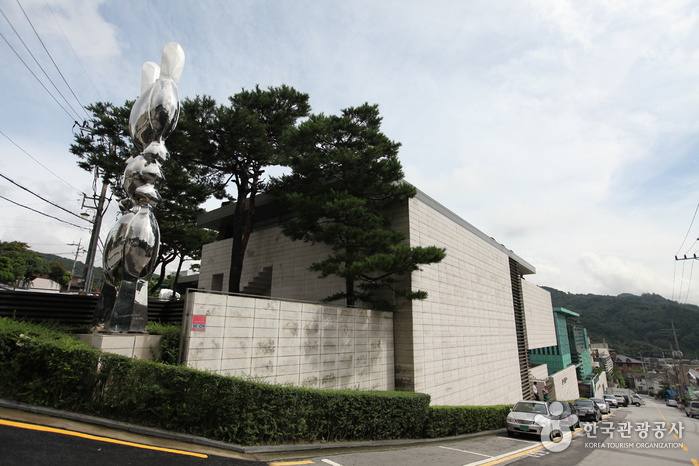
Gana Art Center (가나아트센터)
2.9Km 2024-03-18
28 Pyeongchang 30-gil, Jongno-gu, Seoul
The Gana Art Center located at the foothills of Bukhansan Mountain has been showcasing more than 300 exhibitions since its opening in 1983. Through both national and international exhibitions, the Gana Art Center is a recognized gellery. With numerous fairs and exhibitions, Gana Art Center not only invite internationally known artists, but also promotes other forms of art, such as music, theater, mime, etc. Through their flexibility in promoting all art forms, the visitors will surely be able to find the theme of their interest.
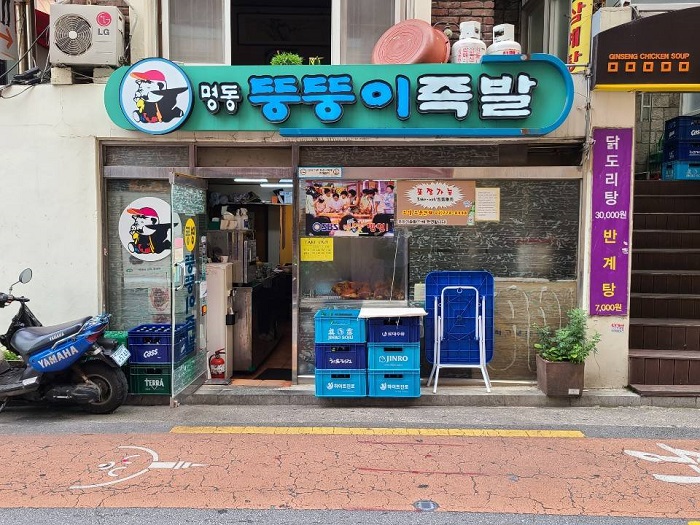
Myeong-dong Ttungttungi Jokbal (명동뚱뚱이족발)
3.0Km 2024-10-15
9, Toegye-ro, 20-gil, Jung-gu, Seoul
One of the old restaurants in Myeong-dong featured in Korean gourmet programs. This Korean dishes restaurant is located in Jung-gu, Seoul. The most famous menu is braised pigs' feet.
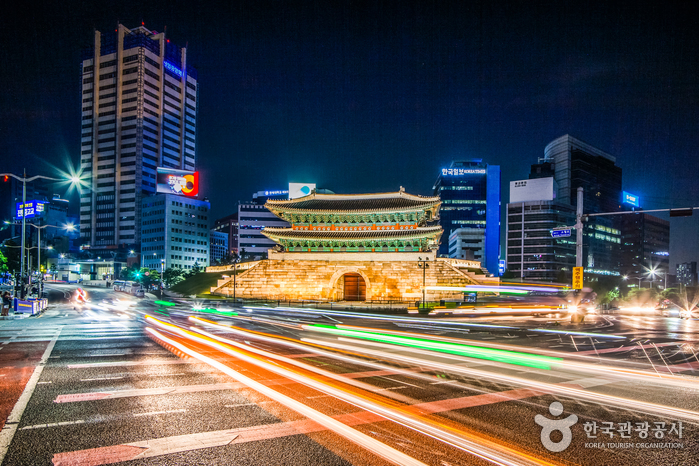
Sungnyemun Gate (숭례문)
3.0Km 2024-11-27
40 Sejong-daero, Jung-gu, Seoul
Sungnyemun Gate is Korea’s National Treasure No. 1, and its unofficial name is Namdaemun Gate. Sungnyemun Gate is the largest castle gate stone structure with an arched entrance in the middle. There’s a column on top of a platform, raising the roof, distinguishing the upper stories and lower stories of the building. Passageways for traffic are located at the east and west ends of the gate. Different from the other gates, Sungnyemun Gate’s tablet has its name written vertically.
On February 10, 2008, Sungnyemun was destroyed by fire. After a 5-year reconstruction work, the gate was re-opened to the public again on May 4, 2013.
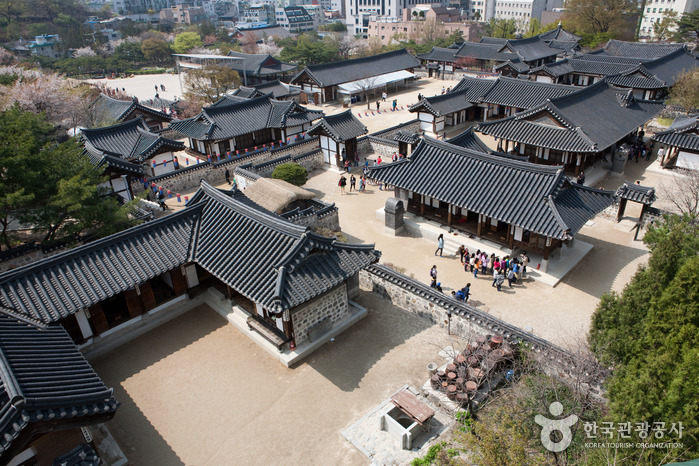
Myeong-dong, Namdaemun, Bukchang-dong, Da-dong and Mugyo-dong Special Tourist Zone (명동 남대문 북창동 다동무교동 관광특구)
3.0Km 2021-12-30
40, Sejong-daero, Jung-gu, Seoul
Myeong-dong, Namdaemun, Bukchang-dong and Da-dong are widely known among international visitors as hot spots for shopping and food.
Myeong-dong is a popular destination for shopping, culture, arts and fashion. Major shopping malls such as Lotte Department Store, Shinsegae Department Store, Myeong-dong Migliore and Samik Fashion Town are located here. Shoppers can find a variety of products here from high-end items to relatively inexpensive clothes. There’s also no shortage of street food, traditional restaurants, coffee shops and fancy cafes.
Namdaemun Market is the biggest traditional market in Korea. Visitors can purchase souvenirs and local produce at an affordable price in the shopping complex crowded with stores and street stalls. The market sells a variety of clothes, kitchenware, toys, accessories, food, flowers and imported goods.
Bukchang-dong and Sogong-dong have high-end accommodations including Lotte Hotel Seoul and Westin Chosun Seoul, duty-free shops, and restaurants serving traditional dishes.
[Myeong-dong, Namdaemun Market and Bukchang-dong Special Tourist Zone]
Areas included: Myeong-dong, Bukchang-dong, Mugyo-dong and Da-dong, Seoul
Area size: 872,809 ㎡
Tourist attractions: Myeong-dong, Namdaemun Market and Bukchang-dong, Department Stores (Lotte Department and Shinsegae Department Store, etc.), Traditional Market, Duty-free Shop, Hanok Village, N Seoul Tower, etc.
Heunginjimun Gate - Dongdaemun Gate (흥인지문)
3.0Km 2025-10-23
288, Jong-ro, Jongno-gu, Seoul
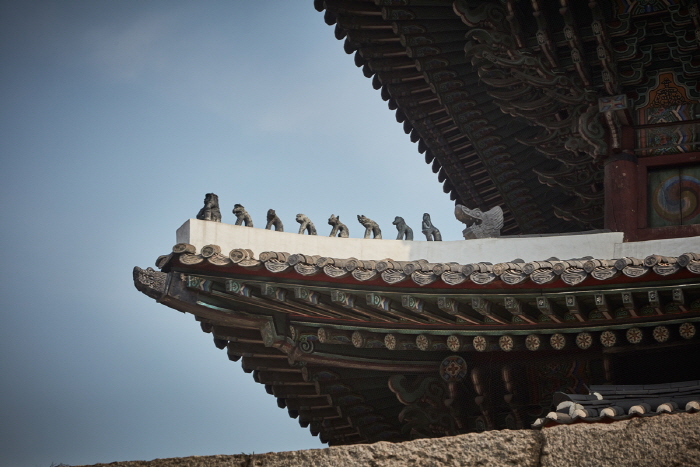
Heunginjimun Gate was built to protect Hanseongbu, which historically housed essential government facilities. Heunginjimun Gate was the gate on the east side of the outer wall of Seoul Fortress among eight gates. It is referred to as Dongdaemun Gate as well. The gate was constructed during King Taejo’s 5th year in 1396, remodeled during the reign of King Danjong in 1453, and was newly built in 1869 during the sixth year of King Gojong’s reign in 1869.
The gate features a hipped roof with five front and two side compartments on a two-storied building. The thin and weak bracket system supports the eaves and is excessively decorated, reflecting the construction features of the late Joseon period. Also, outside of the fortress is the half-circle-shaped Ongseong, a small wall, to protect the gate.
One of the unique factors of Heunginjimun Gate is that it is the only gate among Seoul’s eight to have Ongseong, further exhibiting the style of construction used during the late Joseon period.
Pyounghwa (Pyeonghwa) Fashion Town (서울 평화시장)
3.0Km 2025-01-06
274, Cheonggyecheon-ro, Jung-gu, Seoul
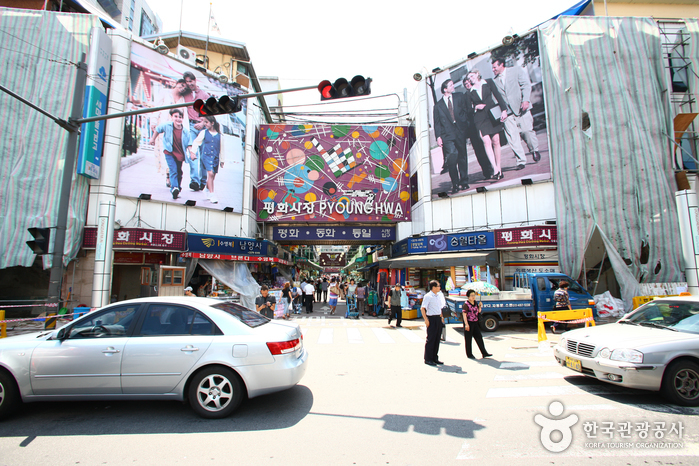
The Pyounghwa Fashion Town market in Dongdaemun has been selling fashion clothing and accessories for over 50 years ever since the end of the Korean War. It was here that in 1953 North Korean refugees started selling clothes made from US army uniforms. Their market was then named Pyounghwa, which means peace, in the hope that no other wars would be fought on Korean soil. The Pyounghwa Fashion Town was therefore the beginning of the 30,000 stores that now make up Dongdaemun Fashion Town, which is seen as one of the global centers of the fashion industry.
Spread over a large area, this historical fashion market is divided into several districts, the ‘Gu Pyounghwa Fashion Town’ is the oldest, and there is also the ‘Shin Pyounghwa Fashion Town’, ‘Dong Pyounghwa Fashion Town’, and ‘Cheong Pyounghwa Fashion Town’.
 English
 한국어
한국어 日本語
日本語 中文(简体)
 Deutsch
 Français
 Español
 Русский


