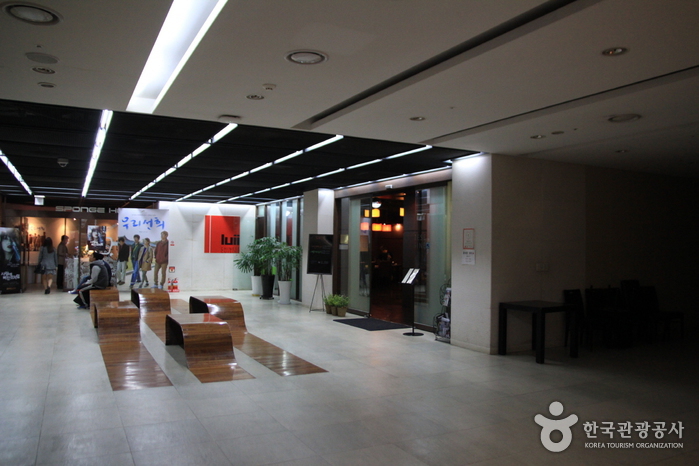
Luii (루이)
19.4Km 2024-07-17
40, Sejong-daero 21-gil, Jung-gu, Seoul
+82-2-736-8889
Luii is a Chinese restaurant operated by a veteran chef with extensive experience in Chinese cuisine. The restaurant has several rooms of different sizes to accommodate various events. It also has a VIP room for more private gatherings.
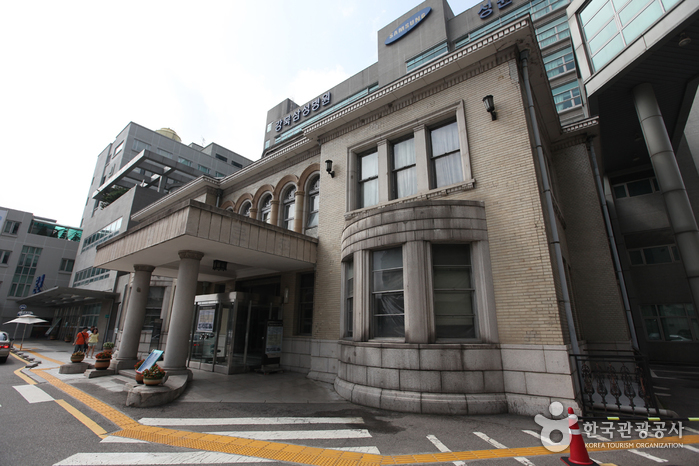
Seoul Gyeonggyojang House (서울 경교장)
19.4Km 2021-09-15
29, Saemunan-ro, Jongno-gu, Seoul
+82-2-735-2038
Gyeonggyojang House, a designated Historic Site, was the location of the provisional government and the place where Baekbeom Kim Koo passed away. Seoul reproduced the historical site, Gyeonggyojang House, to use the area as an educational site. Also, the house exhibits the history of the provisional government in order to see the history more clearly.
Restoration work included the demolition of the interior that was changed when the building was turned into a hospital facility and embassy after Kim Koo passed away in 1949. During the work, the remaining parts were maintained with the utmost care. Reconstructed parts were based on the building's floor plan written in Chosun and Architecture (8th edition in 1938). Visitors can see various contents related to the Korean Provisional Government history through relics, video, and information searching corners.

Kangbuk Samsung Hospital (강북삼성병원)
19.4Km 2025-10-23
29 Saemunan-ro, Jongno-gu, Seoul
Established in 1968, Kangbuk Samsung Hospital has over 50 years of history and is taking a new leap forward with a vision for its centennial year.
Through partnerships with renowned institutions, such as Johns Hopkins Hospital in the United States and the BBDC in Canada, the hospital delivers advanced medical services while leading the public health arena. It is also committed to systematic research and the development of ICT-integrated digital healthcare, which will be the foundation for future medicine. With an excellent infrastructure that includes clinics and specialized centers (e.g., the Diabetes Center, Breast and Thyroid Cancer Center, Digestive Cancer Center, Musculoskeletal Disease Center, and Prostate Center), Kangbuk Samsung Hospital provides top-quality medical services focused on providing patients with satisfactory treatments.
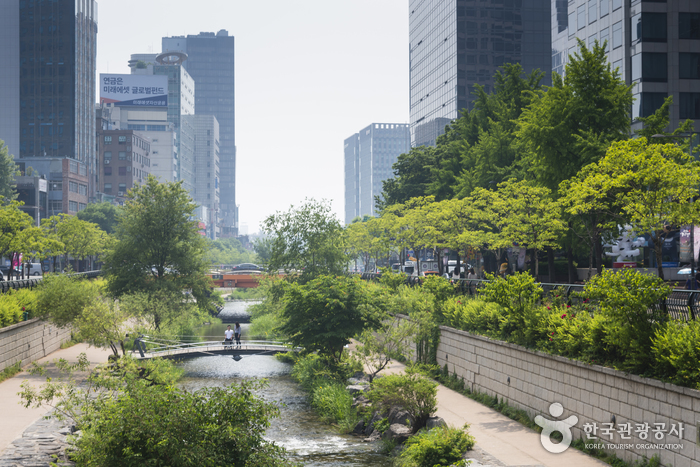
Cheonggyecheon Stream (청계천)
19.4Km 2024-05-16
Changsin-dong, Jongno-gu, Seoul
+82-2-2290-7111
Cheonggye Plaza was built on Sejong-ro Street, where Cheonggyecheon Stream begins. It was built between Dong-A Ilbo, the starting point of the Cheonggyecheon Stream restoration, and Sindap Railroad Bridge, with a length of 160 meters, a x_width of 50 meters, and a total area of 6,962 meters squared. The plaza is decorated with fountains, waterfalls, and walking paths. It was created as a place for meetings, harmony, peace, and unification, to celebrate the significance of the restoration of Cheonggyecheon Stream. A miniaturized version of Cheonggyecheon Stream is displayed here, providing an overview of the restored stream. There are also interpretive panels about the 22 bridges that cross Cheonggyecheon stream. Fountains of various shapes create beautiful scenery. Cheonggyecheon Stream is accessible from the square through stairs on the left and Cheonggye Trail on the right. There is also an 18-meter tunnel on the Cheonggye Trail, providing a unique experience for citizens entering Cheonggyecheon Stream from the plaza. After constructing Cheonggyecheon Plaza, the Seoul Metropolitan Government made it a car-free street on public holidays so that the plaza, waterside area, and streets could be used as cultural spaces for citizens to relax. A spectacular sight is created by three-color lights illuminating the fountains and a two-tiered waterfall coming down from a x_height of four meters. Palseokdam, made of eight stones from eight provinces in Korea, was laid along the waterfall's sides.
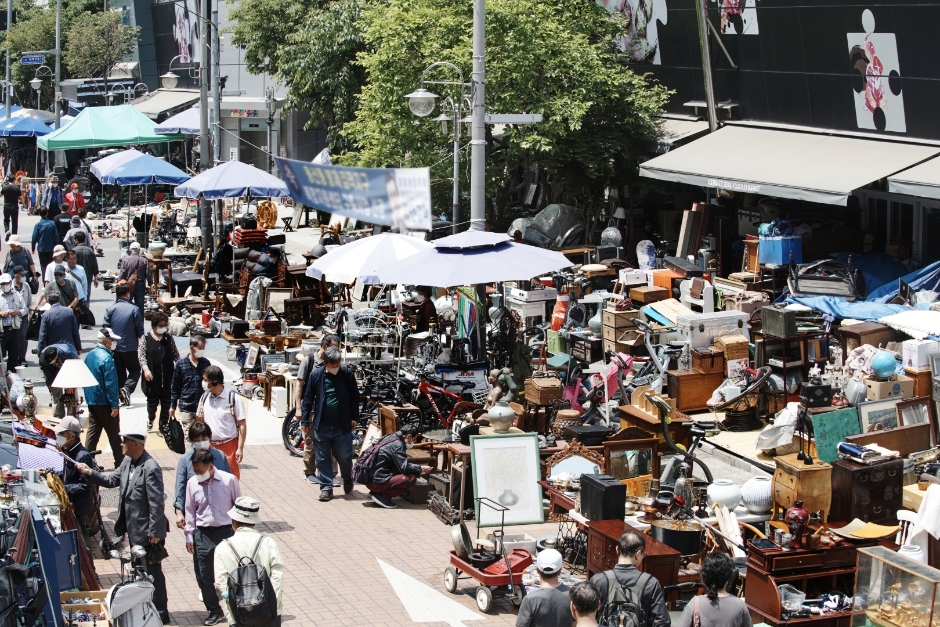
Seoul Folk Flea Market (서울 풍물시장)
19.4Km 2025-04-11
21 Cheonho-daero 4-gil, Dongdaemun-gu, Seoul
+82-2-2232-3367
The Seoul Folk Flea Market is located around Cheonggyecheon Stream's Hwanghakgyo Bridge and Sinseol-dong Station and is on its way to becoming a famous tourist attraction along with the already famous Cheonggyeocheon Stream. The Seoul Folk Flea Market is one of the major folk flea markets preserving the culture of the traditional Korean marketplace and drawing in visitors with a range of folk items that embody the unique charm of Korea. Folk items include everyday items, souvenirs, traditional goods and even traditional foods, allowing visitors to enjoy shopping and eating all under the same roof.
The Seoul Folk Flea Market originated from the flea market in Hwanghak-dong where many street shops and vendors gathered around Cheonggyecheon Stream before it was restored and modernized into its current state. The market was relocated to the Dongdaemun History & Culture Park (Formerly Dongdaemun Stadium) while the Cheonggyecheon Stream was undergoing restorations, and was moved back to Cheonggyecheon Stream sometime later. Seoul City aims to market Seoul Folk Flea Market as a new shopping spot at its current location, the former site of Sungin Girls' Middle School on Cheonggyeo 8-ga Street, near Cheonggyeocheon Stream to develop the Korean representative folk flea market-related tourism industry.
The main items of the Seoul Folk Flea Market include a diverse range of folk items, traditional crafts, local specialties and fashion items. You may also enjoy a range of foods and snacks including traditional Korean food and fusion cuisine from all over the world. What is special about the market is that you can find rare goods and authentic traditional items that cannot be found at other markets. The market atmosphere is a mix of old, revered traditions and modern aspects, providing visitors with a great shopping experience. The Seoul Folk Flea Market is truly a traditional flea market well worth visiting.
Jeongdong-gil Road (정동길)
19.4Km 2024-06-19
2-1 Jeongdong-gil, Jung-gu, Seoul
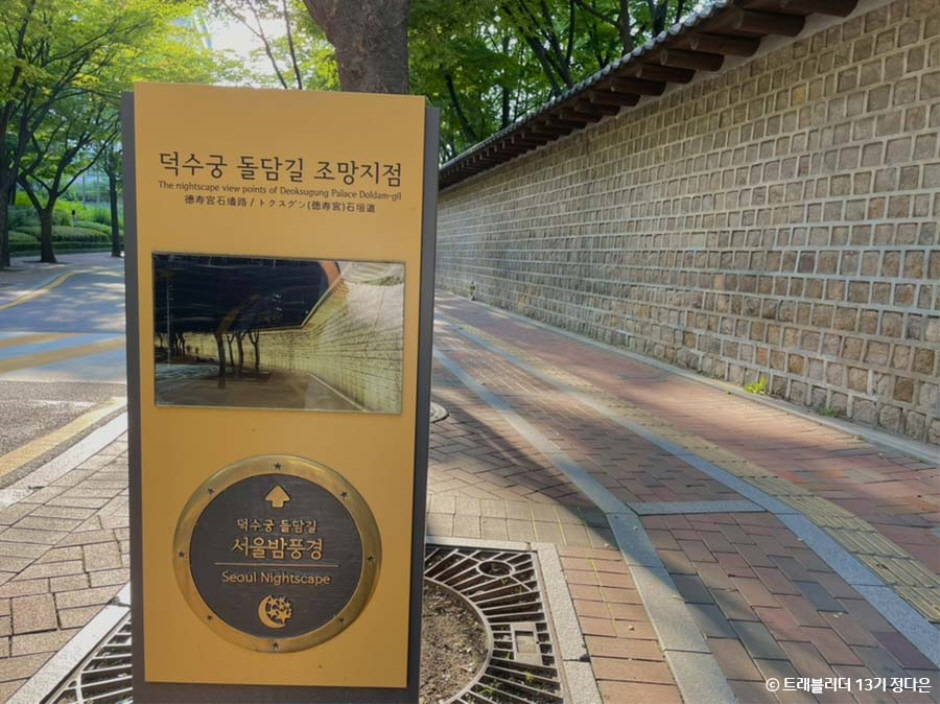
Jeongdong-gil Road is one of Seoul's most famous walking paths, stretching from the intersection in front of Jeongdong Church to Saemunan-gil Road. The street holds importance in Korea's modern history, with the surroundings serving as a living museum of this. During the Joseon dynasty, the area developed into a residental space for distant members of the royal family, with a palace and royal tombs in the area. In 1999, the pedestrian walking area was expanded by turning the two-way road into a one-way road. Since then, the road has earned many awards and honors.
Jeongdong Guksi (정동국시)
19.4Km 2024-06-19
5 Jeongdong-gil, Jung-gu, Seoul
02-732-0114
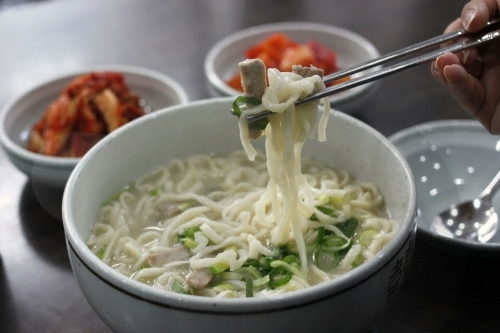
Jeongdong Guksi features a rich soup with a clean taste, created by carefully removing the oil dozens of times while boiling Korean beef bones for 15 hours. The restaurant uses this same beef bone broth in their mandutguk (dumpling soup), something not many restaurants do. The rich flavor of the broth combined with the soft dumplings, made in-house daily, is a must-try. The restaurant is also surrounded by many cultural and artistic spaces, making it a great addition to tours in the area.
Bugeogukjip (북어국집)
19.4Km 2024-12-27
38, Eulji-ro 1-gil, Jung-gu, Seoul
+82-2-777-3891
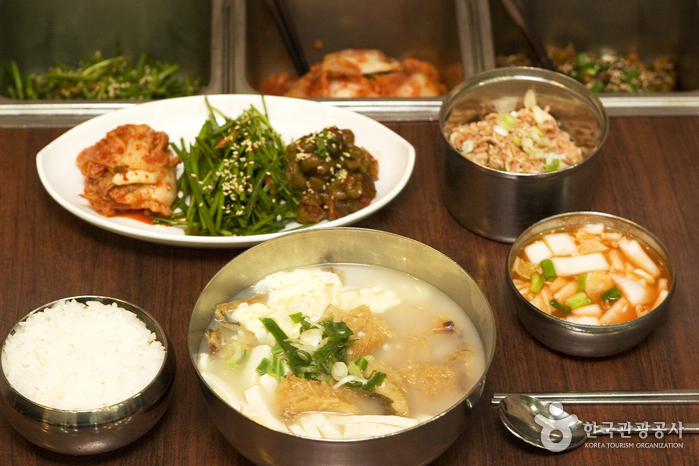
Bugeogukjip (formerly “Teojutgol”) is a restaurant behind City Hall in Seoul that has been serving up authentic dried Pollack soup since 1968. Despite a name change, the restaurant has proudly stood in this same location for decades, earning a strong reputation for its dried Pollack soup made using traditional cooking methods.
Since the restaurant only serves one thing—dried Pollack soup—there are few preparations to be made and the meal arrives on your table in minutes. Customers are free to serve themselves basic side dishes such as kimchi and can have as many servings of rice as they’d like, allowing diners to enjoy a hearty meal at a low price. While the restaurant’s design and menu may be simple, Bugeogukjip takes pride in its long history and the careful efforts that have earned it a reputation as one of the most notable restaurants in Seoul.
NHIS Ilsan Hospital (국민건강보험 일산병원)
19.5Km 2025-10-23
100 Ilsan-ro, Ilsandong-gu, Goyang-si, Gyeonggi-do
NHIS Ilsan Hospital, opened in March 2000, is the nation's only insurer-run hospital and one of the most trusted and frequently visited hospitals in Korea. The International Healthcare Center, established in August 2012, is currently headed by a professor of neurosurgery and operated by a staff of three. In particular, the center is dedicated to providing the best hospital services for Russian-speaking patients. Through partnerships with more than 50 organizations both in Korea and abroad, the hospital actively engages in monitoring local healthcare trends, promoting Korean medical services, and enhancing international patient care. It also conducts annual medical training programs for healthcare professionals from target countries (e.g., Kazakhstan, Mongolia) while providing charitable medical services to financially disadvantaged international patients.
Pyounghwa (Pyeonghwa) Fashion Town (서울 평화시장)
19.5Km 2025-01-06
274, Cheonggyecheon-ro, Jung-gu, Seoul
+82-2-2265-3531~3
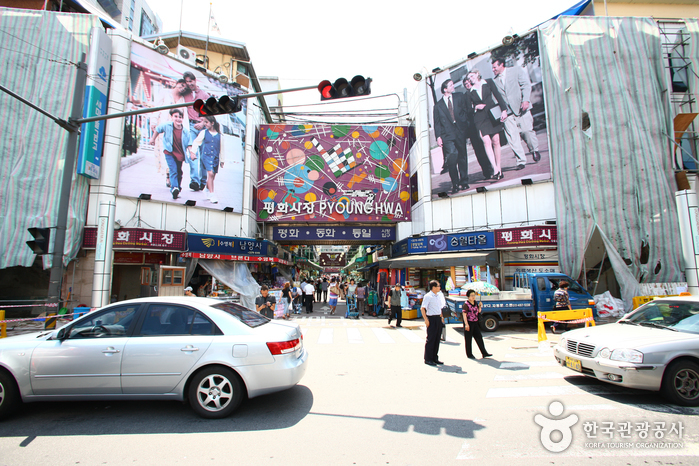
The Pyounghwa Fashion Town market in Dongdaemun has been selling fashion clothing and accessories for over 50 years ever since the end of the Korean War. It was here that in 1953 North Korean refugees started selling clothes made from US army uniforms. Their market was then named Pyounghwa, which means peace, in the hope that no other wars would be fought on Korean soil. The Pyounghwa Fashion Town was therefore the beginning of the 30,000 stores that now make up Dongdaemun Fashion Town, which is seen as one of the global centers of the fashion industry.
Spread over a large area, this historical fashion market is divided into several districts, the ‘Gu Pyounghwa Fashion Town’ is the oldest, and there is also the ‘Shin Pyounghwa Fashion Town’, ‘Dong Pyounghwa Fashion Town’, and ‘Cheong Pyounghwa Fashion Town’.
 English
 한국어
한국어 日本語
日本語 中文(简体)
 Deutsch
 Français
 Español
 Русский


