
Gyeonghuigung Palace (경희궁)
3.3Km 2024-07-09
45 Saemunan-ro, Jongno-gu, Seoul
+82-2-724-0274
Gyeonghuigung Palace, a designated Historic Site, was originally called the large palace by Saemun Gate, or the Western Palace, for its location within the city. It was not until the eighth year of Gwanghaegun (1616) that the palace was used as a royal residence for the king, changing the name to Gyeongdeokgung Palace. The name later changed again to the current Gyeonghuigung Palace in 1760. The palace grounds included many halls but they were mostly all burned down in a fire in 1829. After the Japanese occupation began, all remaining buildings on the site were torn down and the palace grounds were turned into Gyeongseong Middle School (now Seoul High School). The school moved to Gangnam area in 1987, afterwhich the previous location was turned into a park. The palace grounds currently hold Seoul Museum of Art and walking paths, as well as a restoration of Heunghwamun Gate, the main gate of the palace, and Sungjeongjeon Hall, the main hall, completed in November 1994.
National Assembly Dongsim Festival (국회동심한마당)
3.3Km 2025-04-18
1 Uisadang-daero, Yeongdeungpo-gu, Seoul
+82-2-595-3325
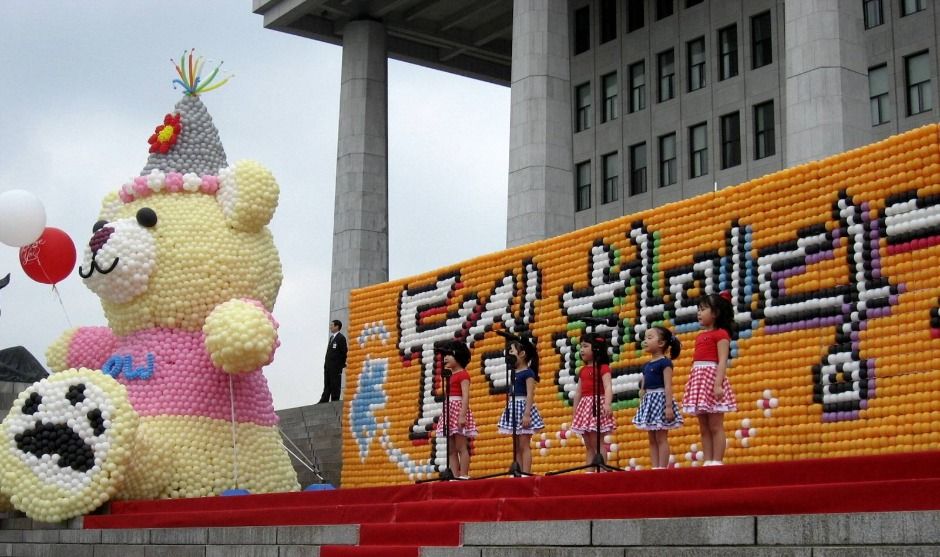
The National Assembly Dongsim Festival started in 2005 by the Pumassi Movement, aiming to revive the tradtional Korean concept of sharing and helping one another. The festival allows youth to meet with and experience adults working in the fields they dream of joining in the future. The festival is attended by over 100 facilities and groups, providing a wide range of experiences, performances, and fun activites for all visitors to enjoy for free.
The National Assembly Building (국회의사당)
3.3Km 2024-02-29
1, Uisadang-daero, Yeongdeungpo-gu, Seoul
+82-2-788-2114
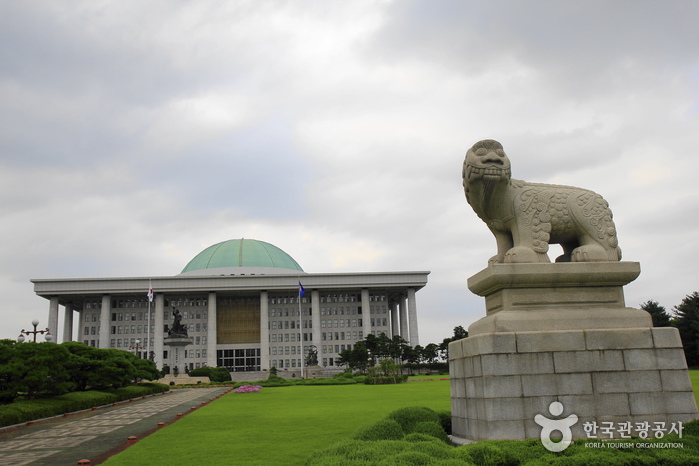
The National Assembly Building stands as the symbol of Korean democracy. It consists of the National Assembly Building, the National Assembly Library, and the Memorial Hall. Visitors can take part in programs such as observing the Plenary Chamber and visiting the Children's Museum. Because it is a great place to learn about Korean history and politics, it is a popular tourist site. Visitors are required to make reservations for their visit, which can be done through the webpage.
Yeouido Park (여의도공원)
3.3Km 2024-04-08
68, Yeouigongwon-ro, Yeongdeungpo-gu, Seoul
Yeouido Park is a large recreational area located on Yeouido Island in the central part of Seoul. It was once originally covered with black asphalt, and people frequented the place for bicycling and roller-skating. The construction began in 1997 and opened officially in February 1999. It is now the place where many people in the city come to rest and enjoy strolling around, playing sports, and cultural events.
Namsan Library (서울특별시교육청 남산도서관)
3.3Km 2021-07-07
109, Sowol-ro, Yongsan-gu, Seoul
+82-2-754-7338
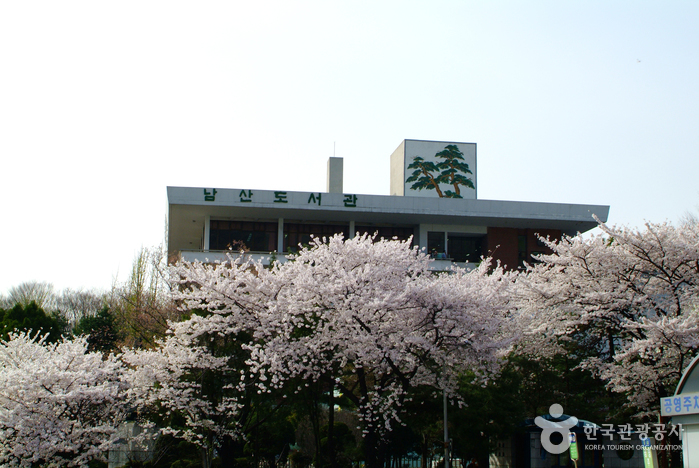
Namsan Library opened as Kyeongseong Prefectural Library in 1922 as a public library in Myeong-dong, Jung-gu, Seoul. The library was moved to the current site in 1964 with a newly built building and its name changed to Namsan Library in 1965. This concrete building was built in 1964 and was designed by architect Lee Haeseong. It was designated as Seoul Future Heritage in 2013, credited for its preservation value.
It is comprised of 19 rooms and educational areas including the Humanity and Social Science Hall, Nature Science Hall, Language and Literature Hall, Electronic Information Room and more. Since opening, the library has collected nearly 500,000 books, 16,000 non-book materials, 700 continuing resources, and other special materials like old books, oriental books (including Japanese books), and more. Namsan Library also operates a reading treatment program unique to this library that began in 2005. The program includes remodeling of reading consultation room, training for people in charge of reading treatment, workshops, programs for individuals and groups. Also, various exhibitions, lectures, shows, cultural classes and other events are available all year long to enhance lifelong education.
Seodaemun Museum of Natural History (서대문자연사박물관)
3.3Km 2021-07-02
51, Yeonhui-ro 32-gil, Seodaemun-gu, Seoul
+82-2-330-8899
Nestled at the foothills of Ansan Mountain, a natural resting area in the city, Seodaemun Museum of Natural History is the first natural history museum in the nation to be established by a government agency. Opened on July 10, 2003, the museum offers various opportunities to experience and learn about the environment. It also provides the chance to interact with animals and plants, teaching the value of life.
Olivine Spa (올리바인 스파)
3.3Km 2025-10-23
4-1 Tongil-ro 16-gil, Jongno-gu, Seoul
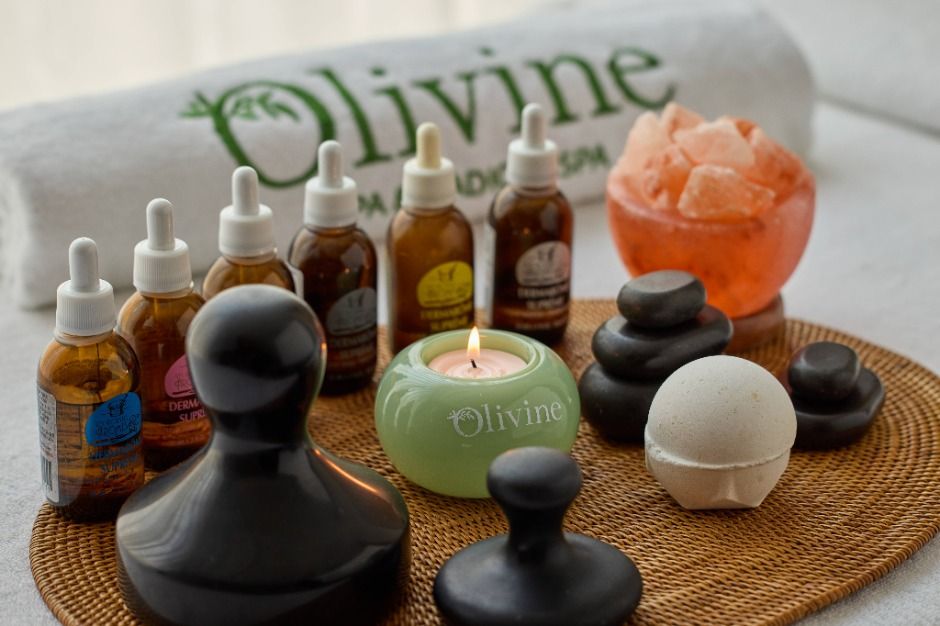
Chosen as one of the 25 recommended wellness tourist destinations by the Ministry of Culture, Sports and Tourism and the Korea Tourism Organization, Olivine Spa operates a luxury spa and a beauty & slimming center in downtown. The spa also provides professional pre-natal and post-natal massage, body shape care, and various beauty programs in partnership with Seran General Hospital and Olivium (a postpartum care center). Olivine Spa provides massages by top-tier therapists in the industry who will relieve fatigue and eliminate toxins accumulated through daily life. They will help your body become healthier and more balanced, ensuring customer satisfaction. Furthermore, Olivine Spa uses Swiss premium brands Les Nouvels Aroma and Darphin in their programs. Its beauty & slimming center provides customized consulting and various beauty-related medical programs in partnership with medical staff at Seran General Hospital.
Deoksugung Stone Wall Path (덕수궁 돌담길)
3.3Km 2025-01-10
24 Sejong-daero 19-gil, Jung-gu, Seoul
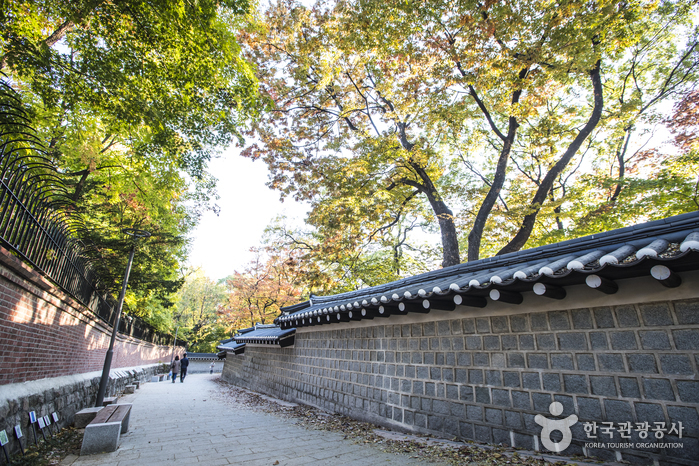
The Deoksugung Stone Wall Path runs along the wall of Deoksugung Palace. It is beautifully lit and landscaped, giving it a romantic atmosphere even at night. There are street performances and flea markets, and the area boasts many famous cafes and restaurants along Jeongdong street. In autumn, the ginkgo trees and walls form a stunning scene. Close to major cultural facilities such as the Seoul Museum of Art and Seoul Museum of History, it attracts numerous visitors come for a stroll.
Inwangsan Mountain (인왕산)
3.3Km 2024-03-04
San 2-1, Muak-dong, Jongno-gu, Seoul
+82-2-2148-2834
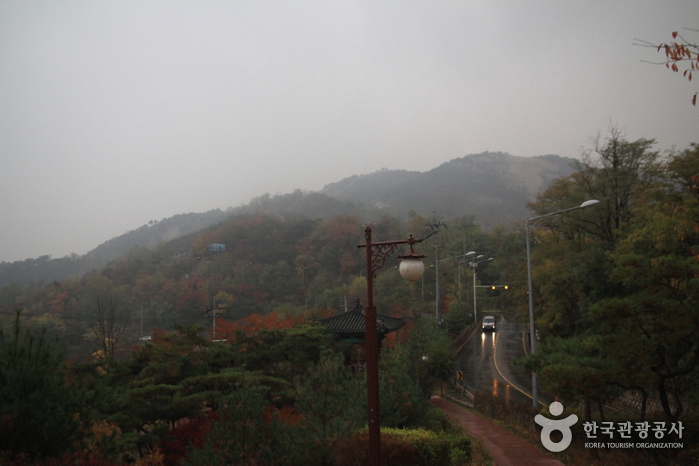
Inwangsan Mountain is a rocky mountain located to the northwestern side of Seoul. It stands 338m tall. The Seoul City Wall is built along its ridge, connecting to the Baegak Mountain Trail. From the summit, one can see the three mountains of Naksan Mountain, Namsan Mountain, and the Bugaksan Mountain surrounding the historical center of Hanyang, the historical name for Seoul in Joseon period, with the Gyeongbokgung Palace at the center. There are five hiking trails, all taking about two hours to complete. It takes about three hours if you want to visit all the peaks of the mountain.
Seoul Marina Club & Yacht (서울마리나 요트&클럽)
3.3Km 2025-04-14
160 Yeouiseo-ro, Yeongdeungpo-gu, Seoul
+82-2-3780-8400
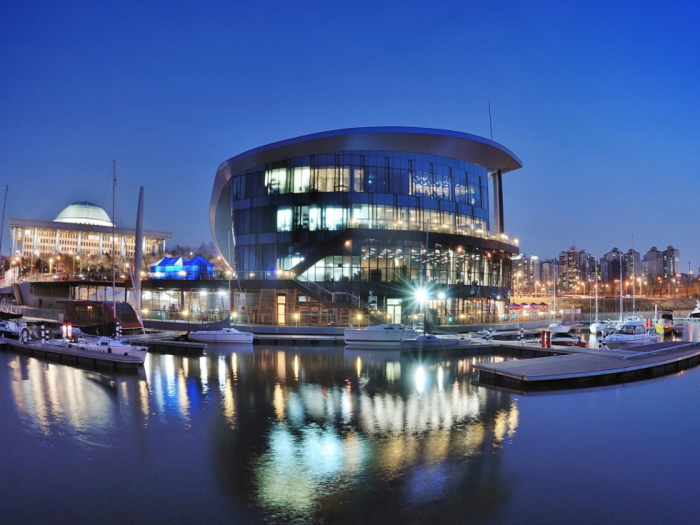
Located right behind the National Assembly of the Republic of Korea, this marina facility has a rather unique scenery that one cannot easily find in Korea, thanks to the view of the Hangang River and the yachts moored at the marina. Professionals operate the yachts here, so safety is guaranteed. Yacht rides here are popular because one can enjoy a sailing experience in the city center. Another draw of the yacht rides here is the scenery of Seoul, especially at night.
 English
 한국어
한국어 日本語
日本語 中文(简体)
 Deutsch
 Français
 Español
 Русский


