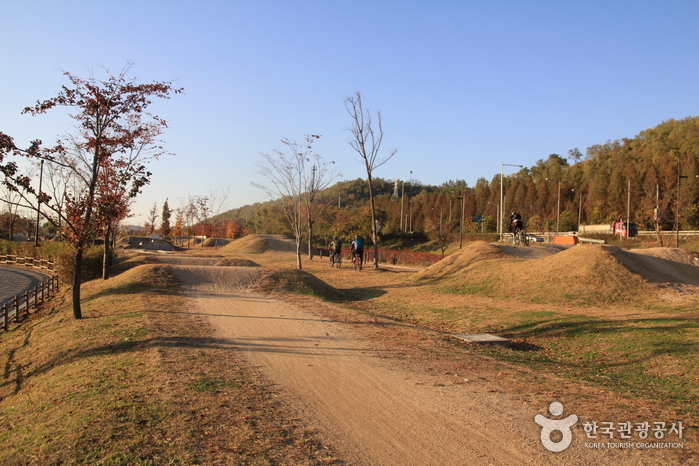
Nanji Hangang Park MTB Course Site (난지한강공원 MTB코스장)
2.8Km 2022-10-26
162, Hangangnanji-ro, Mapo-gu, Seoul
Situated in Nanji Hangang Park, the MTB Course Site is perfect for MTB lovers as well as beginners who wish to enter the world of extreme biking with safety. The MTB Course Site is the nation's first MTB course site, established on a flatland, reproducing perfectly realistic mountain ridges and slopes.

Ewha Womans University (이화여자대학교)
2.9Km 2023-07-04
52, Ewhayeodae-gil, Seodaemun-gu, Seoul
Ewha Womans University is Korea's first women's university founded in 1886 by American Methodist missionary Mary Scranton. Ewha Womans University is also the most famous women's university in Korea and its name originates from Ehwa Hakdang, a name given by Empress Myeongseong in 1887. Ewha Womans University created a four-year university course in 1910, and in 1943, the name of Ewha was taken away during the Japanese colonial period and downgraded to a one-year school. In October 1945, the year of Korea's independence from Japan, it regained the name of Ewha and was promoted to a university with eight departments. Currently, it consists of 15 graduate schools, 11 colleges, and 67 departments, and there are 8 affiliated research institutes.
The street in front of Ewha Womans University is famous for shopping. This place is full of clothing stores and neat food that boast a popping sensation to suit the tastes of female college students. The shopping street in front of Ewha Womans University is a straight road that lies ahead of Exits 2 and 3 of Seoul Subway Line 2. Alleyways stretch out like branches around this street and are filled with various accessory shops, clothing stores, shoe stores, restaurants, cafes, and beauty salons.
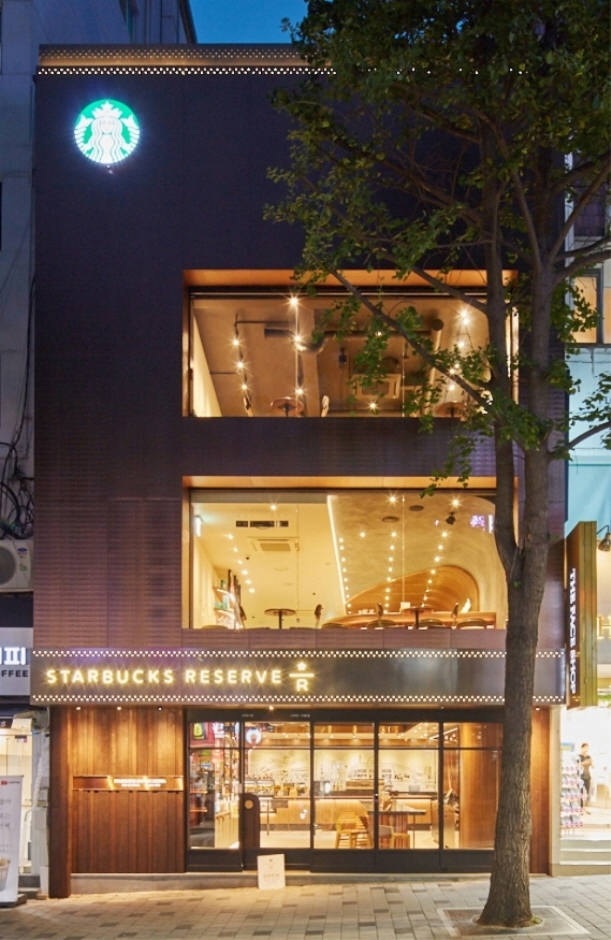
Starbucks Edae R (스타벅스 이대R)
2.9Km 2024-12-27
34 Ewhayeodae-gil, Seodaemun-gu, Seoul
Starbucks Edae R store is the first Starbucks store opened in 1999 and Korea's first Reserve only store
Starbucks Edae R store is the first Starbucks store opened in Korea. It is located 150 meters from the front gate of Ewha Womans University. The store has been loved by customers for over two decades since 1999. In celebrating its 20th anniversary in 2019, the store re-opened as Korea's first Reserve-only store. It specializes in offering specialty coffee and memorable experiences to many customers visiting Korea's first Starbucks store. As the leading store presenting the history and future of Starbucks, it offers high-quality coffee in a beautifully decorated setting, along with unique beverages and exclusive merchandise available only at this particular store.
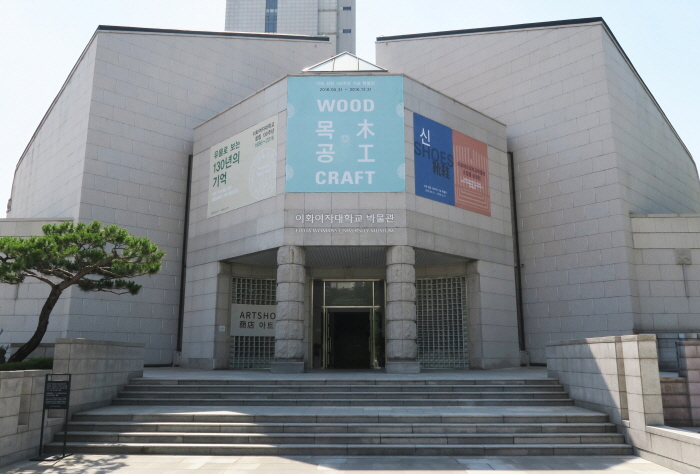
Ewha Womans University Museum (이화여자대학교박물관)
3.0Km 2022-09-14
52, Ewhayeodae-gil, Seodaemun-gu, Seoul
The Ewha Womans University Museum was established in 1935 with the goal of preserving the cultural heritage of Korea. Originally, items related to folk art, traditional woodwork, and pottery were put on display in the hall of the main university to keep them from being confiscated during the Japanese occupation. This later led to the opening of the museum to display and store the growing collection.
Regular exhibitions of the museum’s collection have been taking place annually from 1972. Since 1996, the museum also held special exhibitions that focus on other themes related to cultural heritage. Additional small-scale exhibitions are also held frequently to promote Korea's traditional culture and art.
A ceramics research facility as well as a more traditional museum, a large portion of the museum’s efforts is focused on the research and excavation of kilns. To this aim, excavation teams from the museum have traveled to various parts of the country to conduct studies on historic sites and assess the value of artifacts. Through the publication of books and reports on its discoveries, the museum has contributed to raising knowledge and awareness of Korean cultural heritage in academia and among the public.
Ewha Welcome Center (이화웰컴센터)
3.0Km 2022-09-13
52, Ewhayeodae-gil, Seodaemun-gu, Seoul
Ewha Welcome Center opened in 2013 as the first promotional center and visitor center of its kind on a university campus in Korea, comprised of an information desk, exhibition lounge, and gift shop. The information desk offers useful information to help visitors get the most out of their Ewha campus experience. The exhibition lounge introduces the history, traditions, and vision of the present-day and future of the university year-round. Visitors can purchase university gear at the gift shop. Furthermore, foreign visitors can take part in a range of campus tour programs in English and Chinese for an enriching experience.
Ewha Womans University Mokdong Hospital (이화의대부속목동병원)
3.0Km 2025-10-23
1071 Anyangcheon-ro, Yangcheon-gu, Seoul
Ewha Womans University Mokdong Hospital, established in 1993, continues the legacy of Pogoonyogoan (1887), Korea’s first women’s hospital. As a 5th-stage tertiary hospital, it delivers advanced care through specialized centers, treating high-complexity diseases such as cancer, cardiovascular and cerebrovascular disorders, and organ transplantation, as well as chronic conditions like hypertension, diabetes, and joint diseases. With the opening of Cancer Center for Women (2009), Urology Institute (2022), and Blood Cancer Hospital (2025), the hospital has expanded its expertise and patient-centered environment, providing trusted, high-quality medical services.
Yeouido Park (여의도공원)
3.0Km 2024-04-08
68, Yeouigongwon-ro, Yeongdeungpo-gu, Seoul
Yeouido Park is a large recreational area located on Yeouido Island in the central part of Seoul. It was once originally covered with black asphalt, and people frequented the place for bicycling and roller-skating. The construction began in 1997 and opened officially in February 1999. It is now the place where many people in the city come to rest and enjoy strolling around, playing sports, and cultural events.
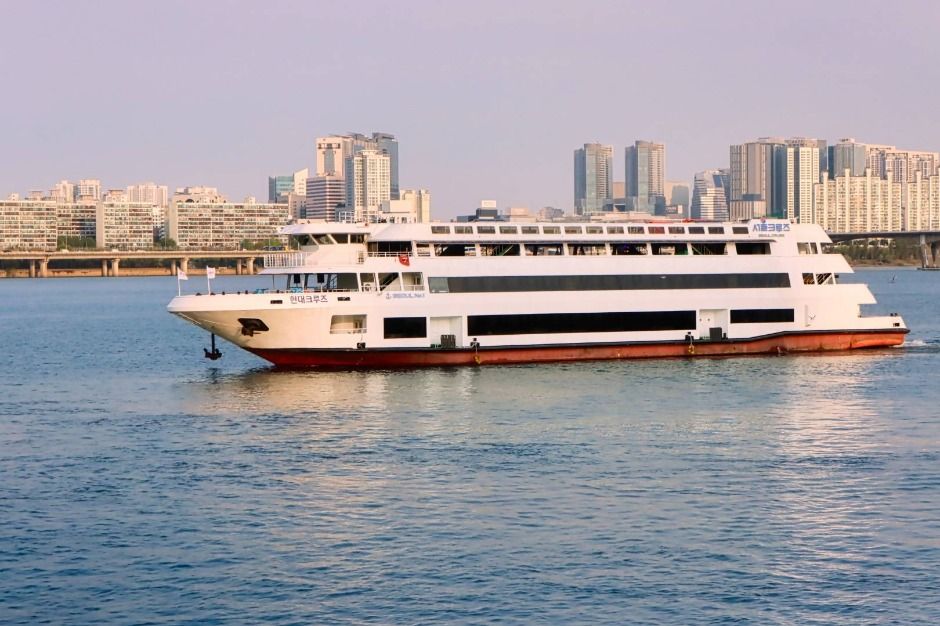
Seoul Cruise (서울크루즈)
3.1Km 2025-12-04
231 Yeouidohanganggongwon-gil, Yeongdeungpo-gu, Seoul
Hyundai Cruise Line, Korea's first marine tourism cruise operator, was founded in 1983 and renamed Seoul Cruise after building a new terminal in Yeouido. With Yeouido Ferry Terminal as its base, Seoul Cruise is the only passenger cruise operator that can travel from the Hangang River to the West Sea, passing through the Ara West Sea Lock. The company currently operates from two terminals: Yeouido Ferry Terminal and Ara Gimpo Terminal. In addition to offering tours that showcase the scenic beauty of the Hangang River, Seoul Cruise also provides other options, such as the Dinner Fireworks Cruise, which lets passengers enjoy a fireworks show along the Ara Waterway in Gimpo.
Haneul Park (하늘공원)
3.1Km 2024-11-28
95 Haneulgongwon-ro, Mapo-gu, Seoul
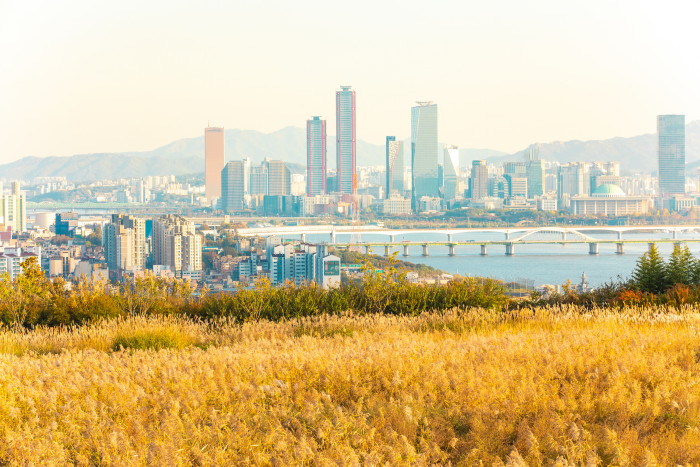
Haneul Park is one of five parks that make up World Cup Park, together with Peace Park, Nanjicheon Park, Nanji Hangang Park, and Noeul Park. It was established for the purpose of restoring the ecological environment so operates its facilities by using natural energy. It features a silver grass field, mixed grassland, rock garden, sunflower field, observatory rest area, and wind power generator. Among the various parts of the World Cup Park, it is located the closest to the sky and shows the transformation from a barren landfill restored to nature. In fall, silver grass forms a spectacle, and, here, visitors can get a clear, panoramic view of Seoul including Bukhansan Mountain and the Hangang River. It is also known as a place for beautiful sunsets and nightscapes.
Runner Station at Yeouinaru Station (여의나루역 러너스테이션)
3.2Km 2025-11-06
343 Yeouidong-ro, Yeongdeungpo-gu, Seoul
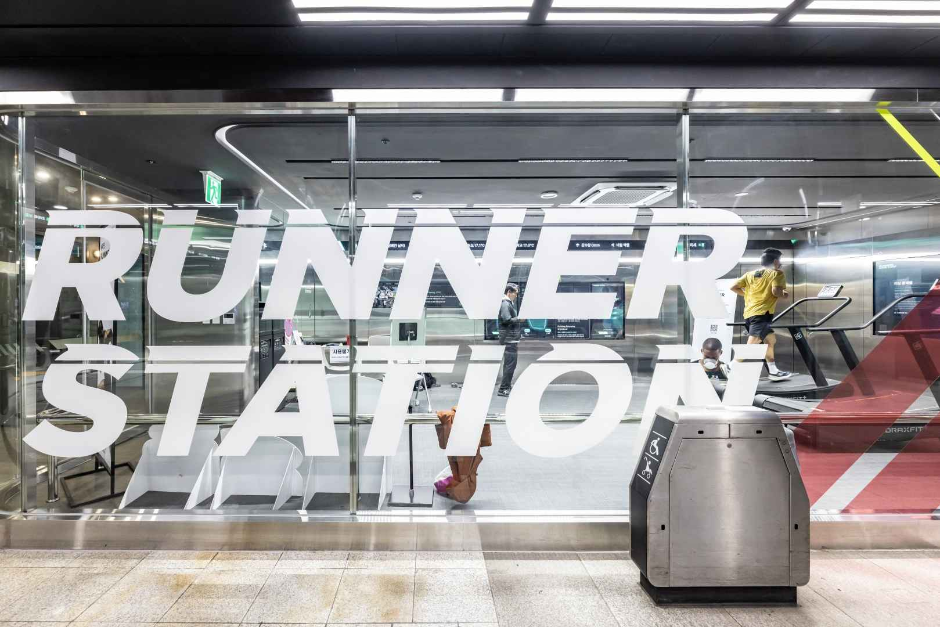
With Seoul’s skyscrapers and the scenic Hangang River, Yeouido has become the top destination for Korean runners. In response to the growing popularity of running along the Hangang among the MZ generation, Yeouinaru Station introduced Runner Station, equipped with essentials like lockers and media boards displaying popular running routes. Wrap up your day with a refreshing run in Yeouido.
 English
 한국어
한국어 日本語
日本語 中文(简体)
 Deutsch
 Français
 Español
 Русский


