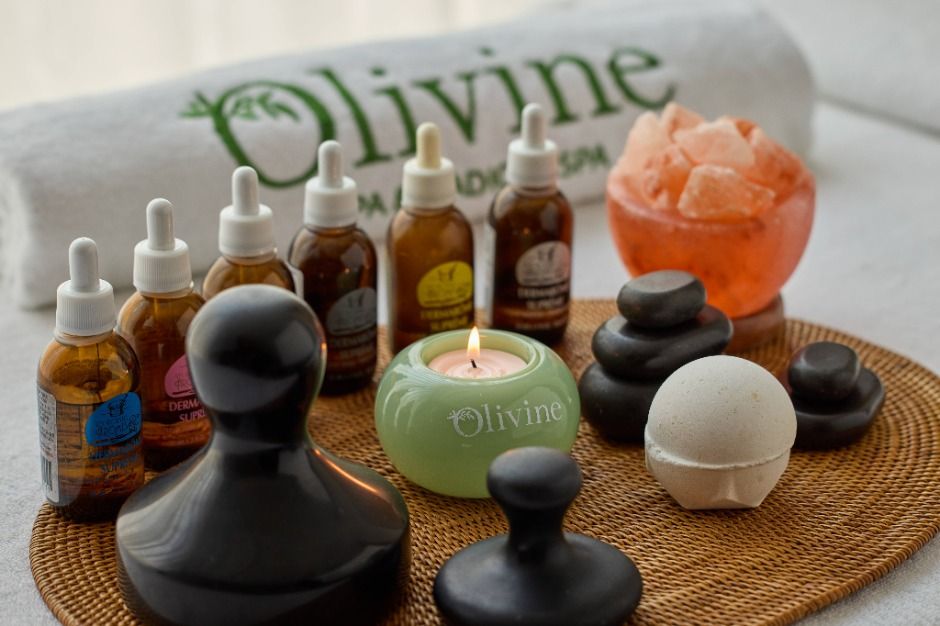
Olivine Spa (올리바인 스파)
5.1Km 2025-10-23
4-1 Tongil-ro 16-gil, Jongno-gu, Seoul
Chosen as one of the 25 recommended wellness tourist destinations by the Ministry of Culture, Sports and Tourism and the Korea Tourism Organization, Olivine Spa operates a luxury spa and a beauty & slimming center in downtown. The spa also provides professional pre-natal and post-natal massage, body shape care, and various beauty programs in partnership with Seran General Hospital and Olivium (a postpartum care center). Olivine Spa provides massages by top-tier therapists in the industry who will relieve fatigue and eliminate toxins accumulated through daily life. They will help your body become healthier and more balanced, ensuring customer satisfaction. Furthermore, Olivine Spa uses Swiss premium brands Les Nouvels Aroma and Darphin in their programs. Its beauty & slimming center provides customized consulting and various beauty-related medical programs in partnership with medical staff at Seran General Hospital.
![E-Mart - Eunpyeong Branch [Tax Refund Shop] (이마트 은평)](http://tong.visitkorea.or.kr/cms/resource/84/2889084_image2_1.jpg)
E-Mart - Eunpyeong Branch [Tax Refund Shop] (이마트 은평)
5.1Km 2024-04-22
111, Eunpyeong-ro, Eunpyeong-gu, Seoul
-
![CheongKwanJang - Eungam Branch [Tax Refund Shop] (정관장 응암)](http://tong.visitkorea.or.kr/cms/resource/52/2888952_image2_1.jpg)
CheongKwanJang - Eungam Branch [Tax Refund Shop] (정관장 응암)
5.2Km 2024-04-23
142, Eunpyeong-ro, Eunpyeong-gu, Seoul
-
![Himart - Eunpyeong Branch [Tax Refund Shop] (하이마트 은평점)](http://tong.visitkorea.or.kr/cms/resource/68/2889968_image2_1.jpg)
Himart - Eunpyeong Branch [Tax Refund Shop] (하이마트 은평점)
5.2Km 2024-04-22
148, Eunpyeong-ro, Eunpyeong-gu, Seoul
-
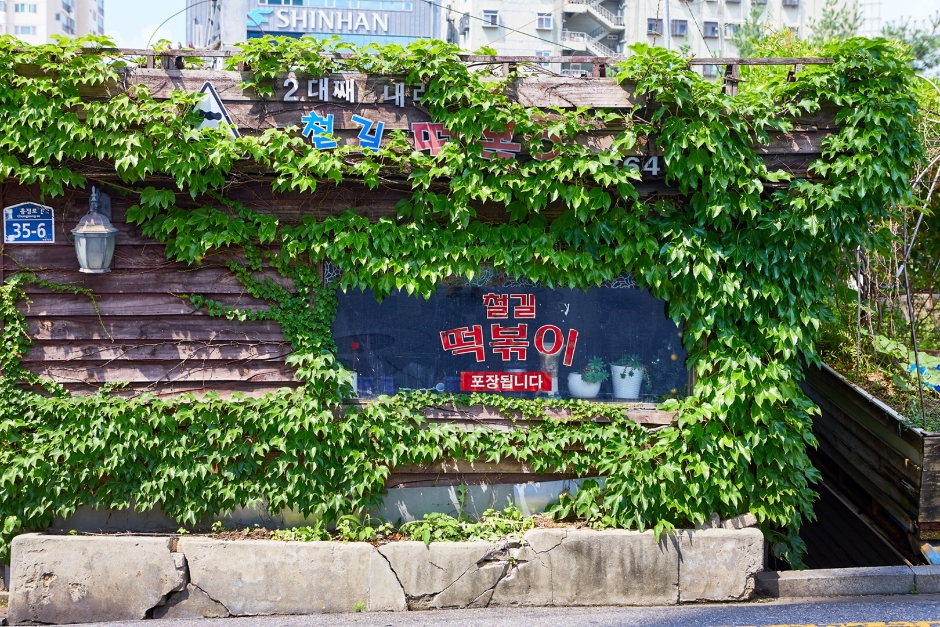
Cheolgil Tteokbokki (철길떡볶이)
5.2Km 2024-03-18
35-6 Chungjeong-ro, Seodaemun-gu, Seoul
Cheolgil Tteokbokki is a famous pilgrimage site for tteokbokki lovers. As the name suggests, it is located next to the railroad (“cheolgil” in Korean) near Chungjeongno Station. There is a wide variety of Korean dishes available, from tteokbokki that will bring back childhood memories to gimbap, deep-fried dishes, and sundae. As the name suggests, it is located next to the railroad near Chungjeongno Station. The restaurant has been in operation for two generations while maintaining its original appearance. The old signboard and exterior have a nostalgic feeling. Unlike tteokbokki in soup, which is currently popular, this tteokbokki with chewy rice cakes is coated well with thick spicy sauce. It's very delicious when mixed with the restaurant’s deep-fried foods. Visitors are recommended to take the seat outdoors to enjoy the view of the railroad tracks while eating.

Youngone Corporation [Tax Refund Shop] (주식회사 영원무역)
5.2Km 2024-04-19
159, Mallijae-ro, Jung-gu, Seoul
-
![LG Best Shop - Eunpyeong Branch [Tax Refund Shop] (엘지베스트샵 은평점)](http://tong.visitkorea.or.kr/cms/resource/76/2890276_image2_1.jpg)
LG Best Shop - Eunpyeong Branch [Tax Refund Shop] (엘지베스트샵 은평점)
5.3Km 2024-04-18
153, Eunpyeong-ro, Eunpyeong-gu, Seoul
-
Seoul Hyochang Park (서울 효창공원)
5.3Km 2024-07-09
177-18 Hyochangwon-ro, Yongsan-gu, Seoul
+82-2-2199-7608
Hyochang Park covers 122,245 square meters spanning across Hyochang-dong and Cheongpa 2-dong. It is a historic landmark that once contained several royal tombs, and was known at that time as Hyochangwon. The cemeteries that were originally located in Hyochangwon belonged to Crown Prince Munhyo, King Jeongjo’s first son who died at the age of five; Royal Noble Consort Uibin of the Seong Clan, King Jeongjo’s royal concubine and Crown Prince Munhyo’s mother; Royal Noble Consort Sugui of the Park Clan, King Sunjo’s royal concubine; and her daughter Princess Yeongon. The royal tombs were moved to Seooreung Tombs in the waning months of the Japanese colonial period. The Japanese empire began the development of Hyochangwon into a park in 1924, and the Japanese governor-general officially assigned the site as a park in 1940.
Presently, several of Korea’s greatest leaders are buried in Hyochang Park. The remains mostly belong to independence activists including Yoon Bong-gil, Lee Bong-chang, and Baek Jeong-gi, whose graves are collectively known as Samuisa Tomb. A statue of Lee Bong-chang has been built in the graveyard. Among the other patriotic martyrs who are interred in the park are Kim Gu and some of the key figures of the provisional government such as Lee Dong-nyeong, Cha I-seok, and Cho Seong-hwan. An ancestral shrine named Uiyeolsa has been built along the main gate and holds the portraits of the deceased independence activists.
![Olive Young - Sindorim Branch [Tax Refund Shop] (올리브영 신도림)](http://tong.visitkorea.or.kr/cms/resource/51/2880151_image2_1.jpg)
Olive Young - Sindorim Branch [Tax Refund Shop] (올리브영 신도림)
5.4Km 2024-04-18
#109, 661, Gyeongin-ro, Guro-gu, Seoul
-
![HB Coms [Tax Refund Shop] (에이치비컴즈)](http://tong.visitkorea.or.kr/cms/resource/94/2891194_image2_1.jpg)
 English
 한국어
한국어 日本語
日本語 中文(简体)
 Deutsch
 Français
 Español
 Русский


