![[Ganghwa Nadeul-gil Course 1] Simdo History & Culture Trail ([강화 나들길 제1코스] 심도역사문화길)](http://tong.visitkorea.or.kr/cms/resource/97/1895197_image2_1.jpg)
[Ganghwa Nadeul-gil Course 1] Simdo History & Culture Trail ([강화 나들길 제1코스] 심도역사문화길)
10.0Km 2022-09-27
24, Cheonghadong-gil, Ganghwa-gun, Incheon
The Ganghwa Nadeul-gil Trails are a collection of walking paths along the coast of Ganghwa Island that connect the watchtowers and and walls of Ganghwasanseong Fortress, as well as royal tombs and other historically significant sites from the Goryeo dynasty that dot the island.
[Ganghwa Nadeul-gil Course 1] Simdo History & Culture Trail
Course 1 stretches over an 18-kilometer area between Ganghwa Bus Terminal and Gapgot Fortification. The trail includes sites such as Yongheunggung Palace, Ganghwahyanggyo Local Confucian School and an Anglican church. The course is an easy walk, with plenty of areas to stop and explore, as well as restaurants and convenience facilities for an enjoyable stroll.
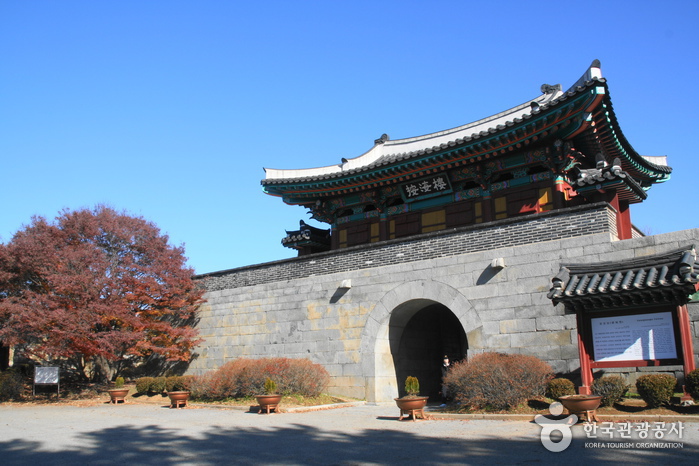
Ganghwado Island (강화도)
10.1Km 2023-03-24
Ganghwa-daero, Ganghwa-gun, Incheon
Ganghwado Island, off the west coast, is the fifth largest island in Korea. The island was connected to the mainland in 1970 with the construction of the Ganghwagyo Bridge. Another larger bridge, Ganghwadaegyo Bridge, was built in 1997, making it easier than ever to travel to Ganghwado Island from Seoul and Incheon areas. The island is home to Chamseongdan Altar on top of Manisan Mountain on the southern coast. This is said to be where Dangun Wanggeom offered sacrificial rites to the heavens. Another important item of note on Ganghwado Island is the collection of stone dolmens, a UNESCO-recognized world heritage.
Ganghwado Island has many famous local products, including the medicinally effective Ganghwa ginseng and hwamunseok, a mat woven with flower patterns. Hwamunseok is famous also as a representative traditional Korean product for its intricate handwork and designs.

Jeokseoksa Temple (적석사)
10.1Km 2021-08-02
181, Yeonchon-gil, Ganghwa-gun, Incheon
Jeokseoksa Temple is a traditional Buddhist temple that was founded around 1,600 years ago. It is known for "Gamnojeong," which is the water trickling out from the rock crevices on the east side of Daeungjeon Hall (main temple building). While the water is cool and sweet, legend has it that it dries up or turns murky in times of national crisis. According to the records, Palman Daejanggyeong (Tripitaka Koreana printing woodblocks) used to be kept in Jeokseoksa before they were moved to Baengnyeongsa Temple, then to Jeondeungsa Temple, and finally to Haeinsa Temple.
Jeokseoksa Temple is connected to Nakjodae Observatory, which offers a magnificent view of the sun setting over the West Sea. In fact, the view is so magnificent that it is admired as one of the 10 best sceneries of Ganghwado Island.
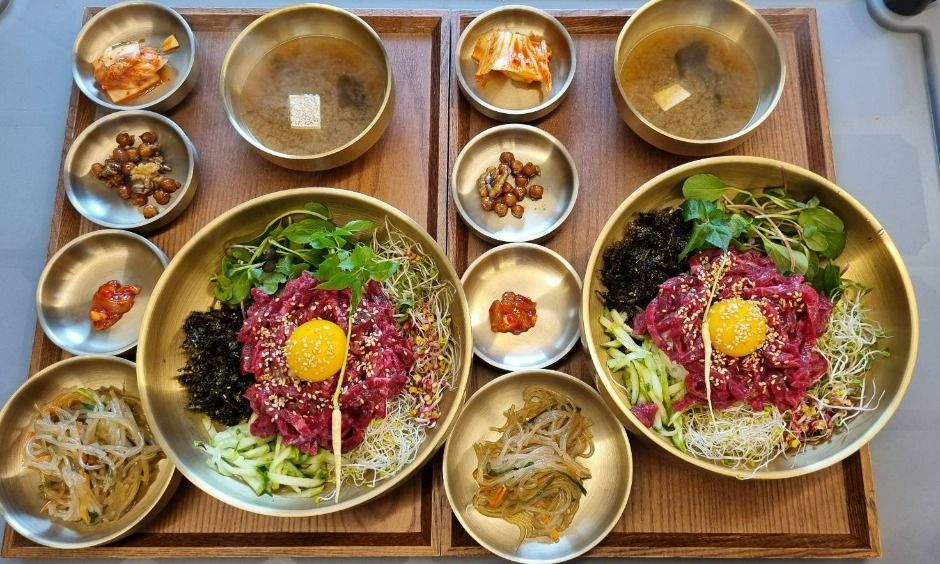
Maeheon 1935 (매헌1935)
10.2Km 2025-10-23
25 Sinmun-gil, Ganghwa-eup, Ganghwa-gun, Incheon
Maeheon 1935 is a restaurant in Gangwha-gun, Incheon that serves Korean dishes. The restaurant uses a renovated hanok built in 1935, and has a garden that blooms with plum blossoms. It is also located to many representative attractions of Ganghwa. The restaurant is characterized by serving a neat Korean food table for each person. Its representative menu items consist of bibimbap, hanu yukjeon (beef pancake), beef bulgogi, and more, made with fresh local ingredients that are produced in Ganghwa.
![[Ganghwa Nadeul-gil Course 2] Homeland Fortification Trail ([강화 나들길 제2코스] 호국돈대길)](http://tong.visitkorea.or.kr/cms/resource/05/1895205_image2_1.jpg)
[Ganghwa Nadeul-gil Course 2] Homeland Fortification Trail ([강화 나들길 제2코스] 호국돈대길)
12.7Km 2021-08-11
24, Cheonghadong-gil, Ganghwa-gun, Incheon
The Ganghwa Nadeul-gil Trails are a collection of walking paths along the coast of Ganghwa Island that connect the watchtowers and and walls of Ganghwasanseong Fortress, as well as royal tombs and other historically significant sites from the Goryeo dynasty that dot the island.
[Ganghwa Nadeul-gil Course 2] Homeland Fortification Trail
Course 2 stretches over a 17 kilometer area between Gapgotdon Watchtower and Chojijin Fort. This trail showcases the history of the island and the changes that happened before and after the opening of the port. The course follows a coastal road that is particularly beautiful in spring and fall.
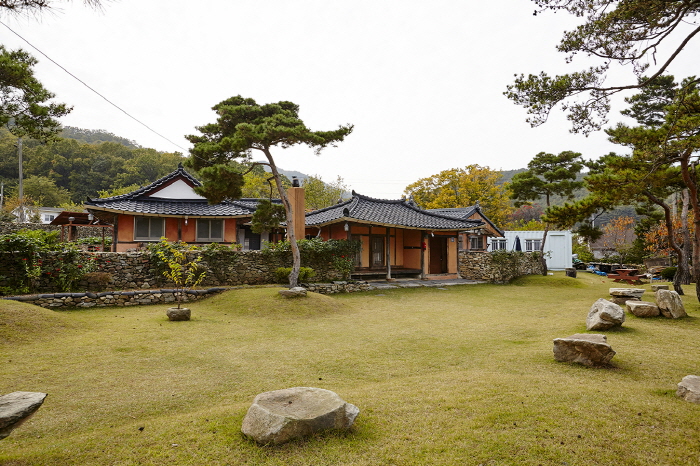
Golden Grass (옛날에금잔디)
12.8Km 2024-12-23
18-1 , Ganghwaseo-ro 225beon-gil, Ganghwa-gun, Incheon
Geumjandi on Ganghwado Island, Gyeonggi-do, is an 80-year-old traditional hanok with red clay walls, timber rafters and beams and a wooden porch. The yard includes a garden with flowers and pine trees, there is a fireplace and cauldron, and a well which adds to the charm. Both the anchae and the sarangchae have guestrooms, and the hanok is an ideal place for outdoor weddings or first birthday parties: a marquee, sound equipment and barbecue facilities are available to hire. Pets are welcome.
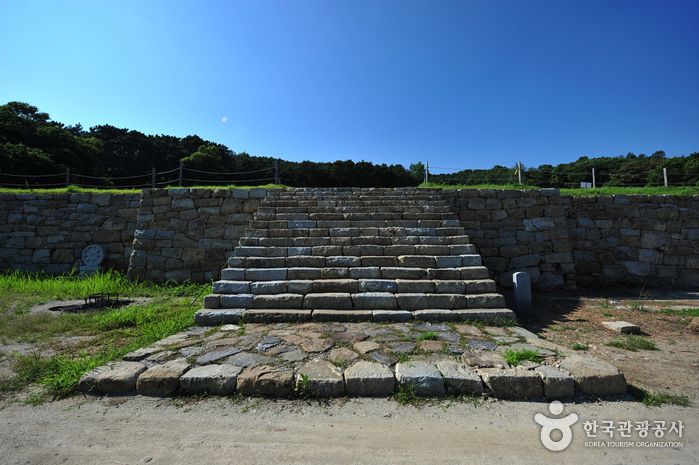
Ganghwa Seonwonsa Temple Site (강화 선원사지)
13.0Km 2022-09-19
222, Seonwonsaji-ro, Ganghwa-gun, Incheon
Ganghwa Seonwonsa Temple Site was first discovered in 1976 during a surface examination around Ganghwado Island undertaken by the Ganghwado Island Academic Research Team of Dongguk University. The site was designated as Historic Site No. 259 in 1977. Seonwonsa Temple was built by General Choi Wu in 1245 (the 32nd year of King Gojong’s reign during the Goryeo dynasty), which was right after the transfer of the capital to Ganghwado during resistance against the Mongolian invasion.
The temple was meant to be a spiritual mainstay in fighting against Mongolia. It used to be one of the two largest temples in Korea along with Songgwangsa Temple. However, the temple was completely destroyed during the early Joseon era, leaving only the site itself. The famous wood blocks of Palman Daejanggyeong (the Tripitaka Koreana), currently housed in Haeinsa Temple at Hapcheon, are said to have been originally stored in Seonwonsa Temple. It is believed that the carved wood blocks were taken from Seonwonsa to Heungcheonsa Temple during the Joseon era and again moved to Haeinsa Temple during the reign of Sejo.
Located on a mountain slope, the presumed location of the building site extends 250 meters from south to north and 170 meters from east to west.
Hwagae Garden (화개정원)
13.5Km 2024-02-20
6-60 Gyodongdong-ro 471beon-gil, Gyodong-myeon, Ganghwa-gun, Incheon
Hwagae Garden is a park situated on the foothills of Hwagaesan Mountain in Gyodong-myeon. Exploring the trails, visitors can immerse themselves in the ever-changing beauty of Hwagaesan Mountain across the seasons. Opting for the monorail to reach the observatory rewards with a panoramic view extending to Ganghwado Island. The park is equipped with various amenities, including walking paths, a lawn, a children's playground, along with restaurants and cafés.

Ganghwa Gyodongdo Island (교동도(강화))
14.4Km 2025-06-30
35 Gyodongnam-ro, Gyodong-myeon, Ganghwa-gun, Incheon
Gyodongdo Island is located northwest of the larger Ganghwado Island, and was made more accessible with the opening of Gyodongdaegyo Bridge in July 2014. The name changed with different dynasties, being Gomokgeunhyeon during the Goguryeo Era and Gyodonghyeon under the reign of Silla King Gyeongdeok. The island served as an important stopover point for ambassadors and envoys heading to China. Popular attractions on the island now include Daeryong Market, an alleyway market decorated with colorful murals and statues, and Manghyangdae Memorial, a gathering place for refugees who fled from the nearby Hwanghaedo Island during the Korean War. Many of the houses on Gyodongdo Island have swallow nests under the eaves. The refugees consider the swallows as guests from their hometowns. As such, the island is home to the "peace & reunion" themed Gyodong Swallow House, Peace Trail, and Gyodong Studio. Gyodong Swallow House serves as an exhibition and performance space. The Peace Trail is a biking path around the island. At Gyodong Studio, visitors can put on old school uniforms and take black-and-white photographs.
Gyodongdo Daeryong Market (교동도 대룡시장)
14.4Km 2025-06-18
35 Gyodongnam-ro, Ganghwa-gun, Incheon
Daeryong Market is an alley market that reproduces the appearance of Yeonbaek Market to maintain a livelihood for residents who temporarily evacuated from Yeonbaek-gun in Hwanghae-do, to Gyodongdo Island during the Korean War. Gyodongdo Island has been the center of economic development for over 50 years. As most of the displaced elderly who created the market passed away and the population rapidly decreased, the market size also reduced considerably. However, with the opening of Gyodongdaegyo Bridge in July 2014, it has become a must-see course for tourists to take pictures of Daeryong Market, which looks like a movie set in the 1960s. Gyodong Giga Island, also referred to as Gyodong Swallow House, opened in late march of 2022 and provides tour information using intellectual techonology as well as bicycle and smartwatch rental services to tourists. In addition, there are various experience programs such as a VR video experience and "Making Gyodong Newspaper."
 English
 한국어
한국어 日本語
日本語 中文(简体)
 Deutsch
 Français
 Español
 Русский


