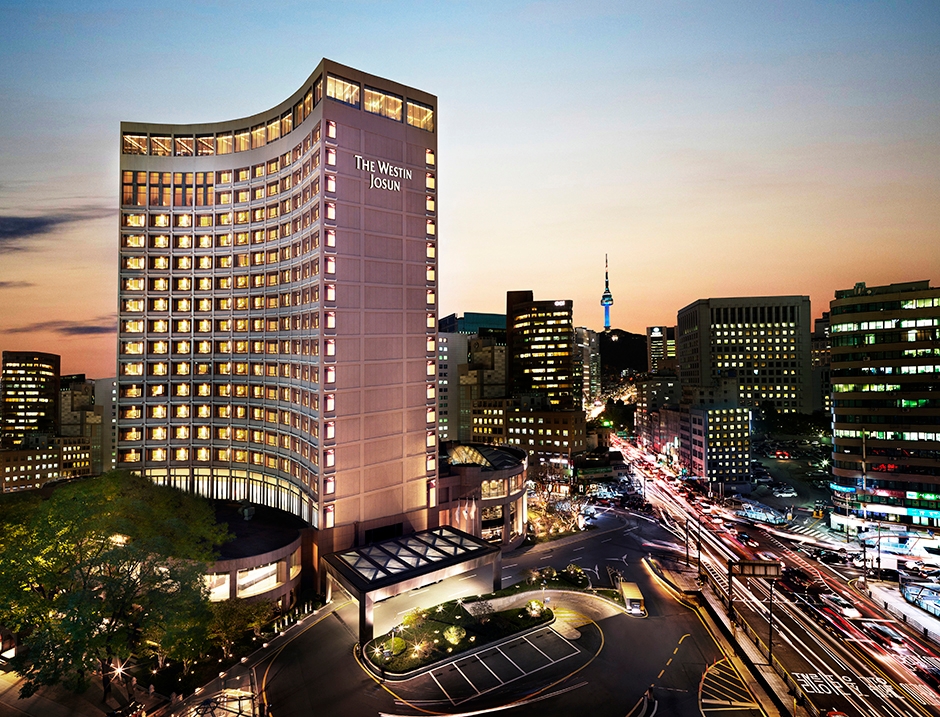
The Westin Josun Seoul (웨스틴 조선 서울)
2.0Km 2025-07-18
106, Sogong-ro, Jung-gu, Seoul
The Westin Josun Seoul is situated in the heart of the business and shopping center of Seoul, where the embassies, banks, and government offices are also located. In 1999 and 2003, the Westin Josun was selected as one of the world's top 100 hotels by international financial institutional investors, boasting newly renovated state-of-the-art facilities and rooms, and great service. The hotel has a health center including a swimming pool, spa, and gym; a business center, conference rooms in various sizes, and restaurants. The Westin Josun also manages a banquet hall service with food catered from Gangnam's COEX food courts. The hotel provides the finest business environment, offering a cutting-edge facility holding guestrooms with desktop PCs, high-speed internet connections, TV internet, fax machines, printers, copy machines, automatic climate control, mini bars, and a 24-hour room service to accommodate to guests' every need. The VIP rooms come furnished with 'Heavenly Beds' guaranteeing the best of comfort.
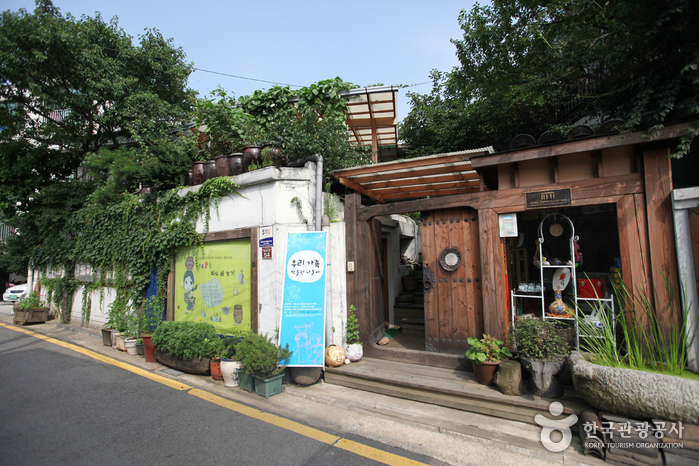
Museo de la Vida Cotidiana de Bukchon (북촌생활사박물관)
2.0Km 2022-08-30
Bukchon-ro 5-nagil 90, Jongno-gu, Seúl.
En este museo se exponen aquellos objetos y muebles antiguos recolectados en el área de Bukchon, en Seúl. Fue inaugurado en el año 2003 y tiene en exposición objetos utilizados hace cientos de años y heredados por varias generaciones, pero que han caído en desuso tras la industrialización. Entre ellos se encuentran el maetdol (molino de piedra que se utilizaba para moler granos), el jangdok (tinaja para almacenar conservas como salsa de soja, pasta de pimiento rojo, etc.) y el yogang (urinal coreano), entre ellos.
Desde antaño, la zona de Bukchon, que incluye los barrios de Wonseo-dong y Samcheong-dong, fue un área de concentración y conservación de las casas tradicionales hanok. El secreto por el que dichas casas se mantienen hasta hoy en día se debe a su estilo arquitectónico tradicional, compuesto por un depósito, el suelo de las habitaciones cubierto de madera, la buhardilla, etc. Hasta la fecha, el museo conserva aproximadamente 20,000 piezas de la vida cotidiana, pero en exposición hay entre 300 y 400.

Parque del Monte Namsan en Seúl (남산공원(서울))
2.0Km 2024-02-22
Samil-daero 231, Jung-gu, Seúl.
El Parque del Monte Namsan (265 m sobre nivel de mar) está en un monte emblemático del centro de la ciudad de Seúl. Pese a que no es muy alto, gracias a su ubicación y la vista panorámica que se logra desde su cumbre, el monte Namsan es muy popular como lugar de descanso.
Sobre la cumbre del monte Namsan hay varias instalaciones de prestaciones públicas tales como Palgakjeong (sala octogonal), Namsan Seoul Tower y la Biblioteca de Namsan, entre otras. Para llegar a la cima, podrá optar por subirse a un teleférico o ir por un sendero escalonado. Además de esta senda de escalones, hay muchos otros caminos para subir a pie a la cumbre partiendo de Namdaemun, Hoehyeon-dong, Toegye-ro 3 -ga, Parque Jangchung, Itaewon, Huam-dong, etc.
El Parque del Monte Namsan también es un sitio histórico. En la cumbre del monte hallará el Bonghwadae (montículo de almenara) porque este fue una vez el centro de defensa de la capital. Durante la dinastía Joseon (1392-1910), la capital fue fundada en Hanyang (la actual Seúl) y para proteger a la ciudad de las invasiones, se construyeron muros de protección en las cuatro montañas principales: Bugaksan, Inwangsan, Naksan y Namsan.
Sobre el pico de Namsan, se levantaron cinco montículos de almenara para informar al gobierno central las noticias del gobierno local con un sistema de señales de fuego. También sobre la cima del monte Namsan, se encuentra el pabellón Palgakjeong, desde el cual se tiene una fantástica vista panorámica.
Desde Namsan Seoul Tower (479,7 metros de altura), podrá ver un panorama de la ciudad. El restaurante giratorio sobre la torre ofrece también vistas grandiosas. Se recomienda especialmente ir a visitar este lugar de noche, para disfrutar de las vistas de la ciudad bellamente iluminada.
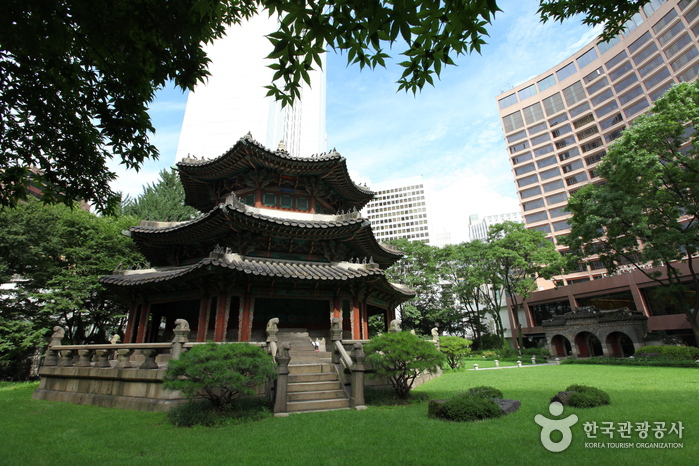
Altar Hwangudan (환구단)
2.0Km 2021-07-30
Sogong-ro 112, Jung-gu, Seúl
El Altar Hwangudan es uno de los altares donde se realizaban rituales sagrados. Los primeros se hicieron durante la dinastía Goryeo, a cargo del rey Seongjong, en el primer mes de 983 (2º año de su reinado), pero su realización se vio interrumpida en diversos períodos hasta que en 1456, ya en la dinastía Joseon, se retomaron estas prácticas. El Altar Hwangudan empezó a tener rituales 1457, pero en 1464 se abolieron nuevamente hasta 1897.
Geumdwaeji Sikdang (금돼지식당)
2.0Km 2024-08-08
149 Dasan-ro, Jung-gu, Seoul
Geumdwaeji Sikdang is renowned as one of the top three pork restaurants in Seoul, specializing in pork dishes. Its signature menu item is the nunkkon moksal (grilled pork shoulder), known for its marbled appearance resembling snowflakes. Bonsamgyeop (grilled bone-in pork belly) and deungmoksal (short loin and pork shoulder) are also popular choices. They offer fragrant basil wraps as a side dish, which perfectly complements the slightly grilled basil with the juicy and flavorful meat, creating a harmonious taste sensation that is considered a delicacy at this establishment.
Biblioteca de Seúl (서울도서관)
2.0Km 2022-12-14
Sejong-daero 110, Jung-gu, Seúl.
La Biblioteca de Seúl ofrece una amplia variedad de documentos, desde materiales relacionados con la historia, la cultura, el urbanismo, el transporte, el medio ambiente, todo tipos de documentos sobre viajes, hasta informes extranjeros, documentos de investigación, materiales visuales e información electrónica.
Plaza Gwanghwamun (광화문광장)
2.0Km 2022-07-25
Sejong-daero 172, Jongno-gu, Seúl.
Inaugurada el 1º de agosto del 2009, la plaza ha sido remodelada como un espacio turístico y recreativo en los alrededores de la Sejong-daero, que se sitúa en el centro de Seúl. El área tiene una historia que data de 600 años.
Durante un largo tiempo, esta calle fue exclusiva para los vehículos, pero con esta última remodelación, ofrece un ambiente especial para las personas. Desde esta plaza se podrá observar el magnífico paisaje del palacio Gyeongbokgung, el monte Bukhansan, etc., y también se ha restaurado la antigua calle Yukjo, para transmitir un ambiente histórico y cultural a los ciudadanos y turistas que la visitan.
La plaza tiene una longitud de 550 m y una anchura de 34 m, se encuentra localizada en el corazón de Seúl. Está clasificada en varios rubros históricos y culturales para el entretenimiento de los visitantes: está el sector de restauración del paisaje de la calle Yukjo, el sector que representa la historia del antiguo Gwanghwamun, el sector cultural para la participación de los ciudadanos, el sector que conecta con el arroyo Cheonggyecheon, etc. Entre las esculturas y establecimientos artísticos famosos están: la estatua del Haetae (criatura mítica coreana), representación del paisaje histórico de la calle Yukjo, la estatua del Gran Rey Sejong, pantallas acuáticas que reflejan los imágenes de la escritura coreana “Hangeul”, etc., entre otras instalaciones tecnológicas y culturales.
Las dos estatuas de grandes dimensiones que representan esta plaza son la del almirante Yi Sun-sin y el Gran Rey Sejong. En los alrededores también se han instalado un estanque y una fuente de agua. La zona que conecta con el arroyo Cheonggyecheon permite el acceso cómodo al palacio Gyeongbokgung y al arroyo. Las aguas subterráneas que brotan de las estaciones de metro de Gyeongbokgung y Gwanghwamun son emitidas hacia el arroyo Cheonggyecheon por medio de un acueducto, y, como la estación de metro está conectada con la parte posterior de la estatua del almirante Yi Sun-sin, los visitantes pueden llegar a la plaza con facilidad. Normalmente, las calles de la plaza son utilizadas para la circulación de los vehículos, pero en caso de festivos nacionales, se restringe el tráfico para disponerlo como área de festivales.
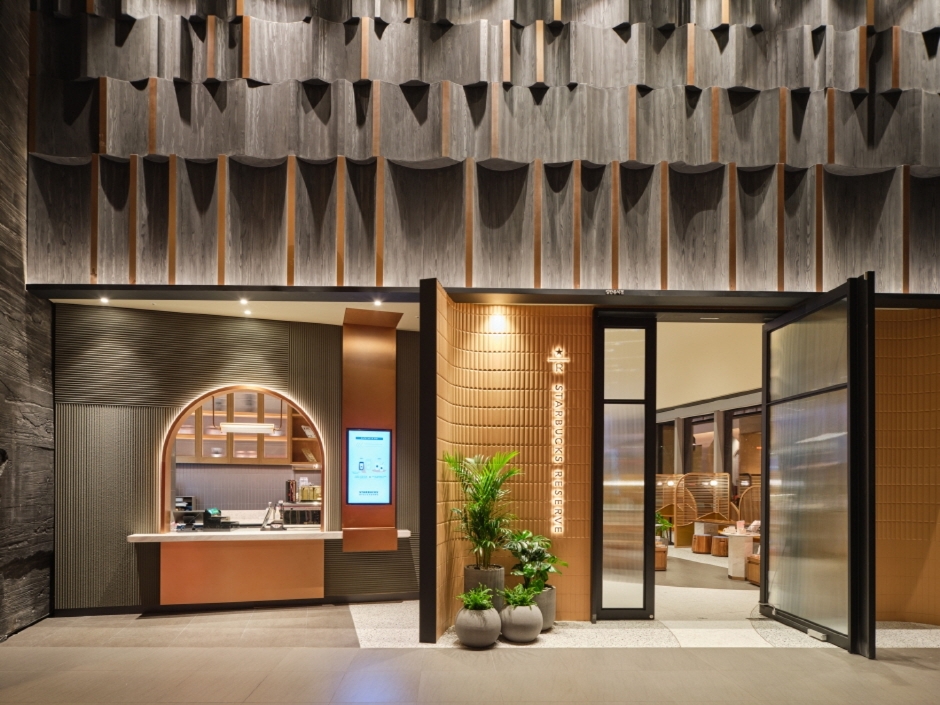
Starbucks - Byeoldabang (스타벅스 별다방)
2.1Km 2024-12-27
Toegye-ro 100, Jung-gu, Seúl
Su nombre, Byeoldabang, toma las palabras byeol ("estrella", en coreano) y dabang (un tipo de antigua taberna coreana, donde se solían consumir bebidas y charlar) se ubica en pleno centro urbano de Seúl y se abrió para celebrar el vigesimosegundo aniversario de la fundación de Starbucks Korea. Aquí se venden café de tipo reserva y alimentos elaborados bajo conceptos novedosos. Uno de sus principales atractivos es su entorno digital y sus vídeos creativos difundidos en el interior del local que atraen a numerosos visitantes. Así, se puede apreciar El viaje de la sirena, donde se ve el derrotero de una sirena que lleva el mensaje del café por el mar, durante el día y la noche.
Sala de la Historia del Rey Sejong y del Almirante Yi Sun-shin (세종충무공이야기)
2.1Km 2022-09-19
Sejong-daero 175 (subsuelo), Jongno-gu, Seúl.
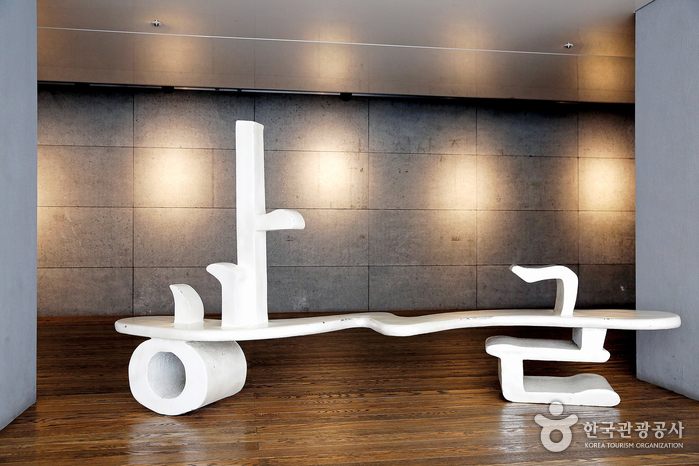
El Gran Rey Sejong (“世宗”, 1397-1450, reinado: 1418-1450), 4º soberano de la dinastía Joseon, fue una figura crucial en la historia de Corea, por la creación del alfabeto coreano hangeul y por los brillantes desarrollos que logró en los sectores de la ciencia, cultura y arte, política militar, etc.
Detrás de la estatua de bronce del Rey Sejong ubicada en la Plaza Gwanghwamun está la entrada a la Sala de la Historia del Rey Sejong, donde se exponen material informativo y piezas culturales relacionadas a este gran personaje de la Historia. Consta con una superficie de 3.200 ㎡, distribuidos en 9 espacios temáticos; la cronología del Rey Sejong, el Minbon Sasang (ideología política centrada en el pueblo), la Creación del Hangeul, la Ciencia y el Arte, la Política Militar de Sejong, entre otros. Los visitantes podrán aprender aquí la historia del hangeul. Además, hay otras instalaciones anexas: sala de exposición especial, sala audiovisual, textos informativos, tienda de suvenires, espacio para descansar, etc.
Por otra parte, una estatua de Yi Sun-shin, el mejor comandante naval de la historia de Corea, fue inaugurada en la Plaza Gwanghwamun, ante la del Rey Sejong el Grande, para celebrar el 465 aniversario de su nacimiento. El 28 de abril de 2010 se inauguró la Sala de la Historia del Almirante Yi Sun-shin, en el subsuelo del Centro Cultural Sejong, para conmemorar su vida y sus logros. La exposición abarca temas relacionados con la vida del almirante Yi, que van desde la determinación y la devoción a la lealtad del país y los compatriotas. El museo utiliza lo último en tecnología digital para dar vida a este gran héroe. Otra gran atracción del museo es el barco acorazado geobukseon (buque con forma de tortuga), que Yi utilizó en sus batalals navales, a una escala de 55% del tamaño real. A pesar de ese tamaño, el barco todavía es lo suficientemente grande como para que los huéspedes suban y remen con los remos, y tiene una pantalla digital de las olas del océano jugando con monitores para una experiencia 4D.
Stay Passport Sindang Ryokan (스테이 패스포트 신당 료칸)
2.1Km 2025-04-25
33, Nangye-ro 11-gil, Jung-gu, Seoul
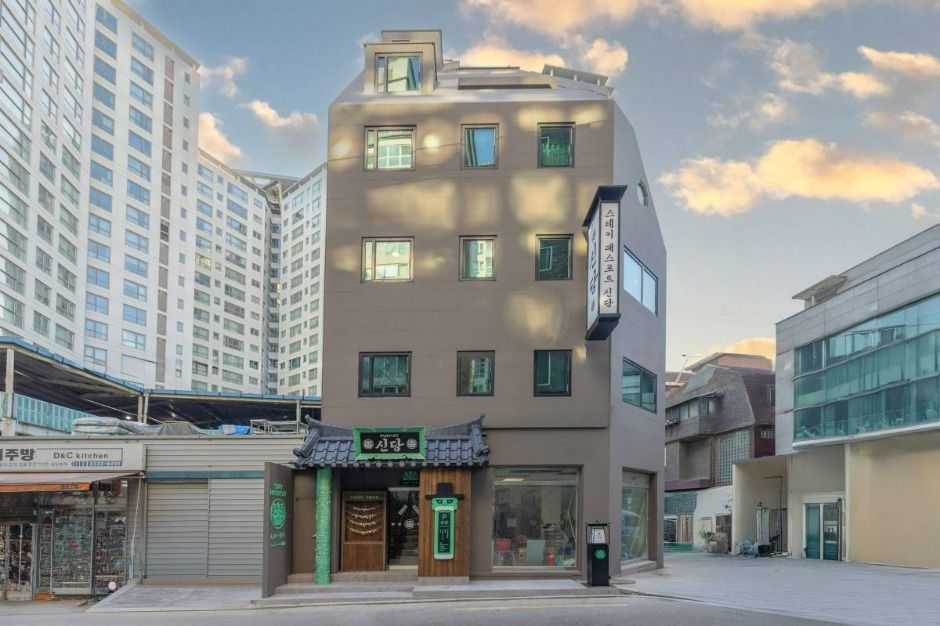
Stay Passport Sindang Ryokan offers a four major room types: "Goyo" and "Sohyang," designed for two who seek privacy and relaxation away from the busy city life; "Pungryu," accommodating up to four people, perfect for family guests or a group of friends; and "Pungyo," designed to offer utmost relaxation.
 Español
 한국어
한국어 English
 日本語
日本語 中文(简体)
 Deutsch
 Français
 Русский


