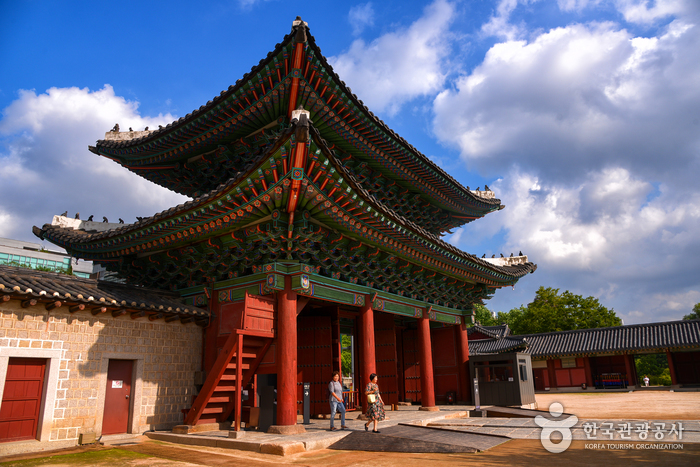
Puerta Honghwamun del Palacio Changgyeonggung (창경궁 홍화문)
742.8M 2025-08-08
Changgyeonggung-ro 185, Jongno-gu, Seúl
Es la puerta instalada en el noreste de la muralla de Seúl, siendo una de las 4 principales. Fue construida en el mes de septiembre del 5º año del rey Taejo (1396), y en aquel momento fue denominada Honghwamun. Pero en el año 1483, al 14º año del reinado de Seongjong, se reconstruyó el palacio Changgyeonggung, pero su puerta oriental también se llamaba Honghwamun, por la que se le cambió el nombre a Hywahwamun en 1511. La puerta fue destruida cuando se abrió una calle para coches durante el período de la ocupación japonesa, en la primera mitad del siglo XX, pero en 1992 fue reconstruida y recuperó su nombre original.
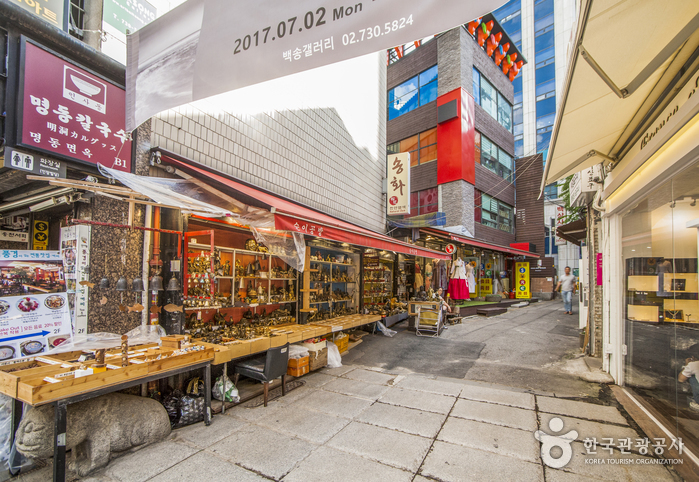
Insa-dong Antique Art Street (인사동 고미술거리)
762.1M 2025-08-04
29, Insadong-gil, Jongno-gu, Seoul
As of today, there are approximately 70 shops in the Insa-dong area that sell antique arts. Some of the products they sell include antique artworks, porcelains, woodcrafts, and metalwork. Visitors may even find rare and valuable products such as earthenware from the Silla period or white porcelain used in the Joseon dynasty. Each shop is a specialty store, authorized to sell product types that are of their expertise, ranging from antique furniture and traditional artworks to handcrafted items.

Templo Jogyesa en Seúl (조계사(서울))
789.4M 2024-05-17
Ujeongguk-ro 55, Jongno-gu, Seúl
El templo Jogyesa es el núcleo del budismo zen en Corea, en él se encuentran la oficina principal de administración del budismo coreano y la sala en donde se realiza la asamblea general, entre otras instalaciones. Fue construido hacia finales del siglo XIV (época de Goryeo) en el interior del actual parque Susong, pero fue destruido (en un período indeterminado) debido a un incendio, y fue reconstruido en el año 1910. A lo largo de su historia ha tomado varios nombres, hasta que recibió la denominación de Jogyesa en el año 1954. El nombre deriva del monte Jogyesan, el cual fue el lugar en donde meditó el monje Hyeneungdaesa. Fue uno de los monjes más respetados, por lo cual sus enseñanzas y su vida han sido objeto de estudio a lo largo de la historia. En el altar del templo Jogyesa, al ser el lugar más sagrado y honrado del budismo en Corea, se llevan a cabo eventos, ceremonias y ritos durante todo el año. El edificio próximo al altar principal es la oficina general de administración del budismo coreano, es decir, es un organismo que ejerce las actividades de control y ejecución, por lo que también se efectúan gran cantidad de eventos budistas. Dentro del edificio se establecen las salas de exposiciones y la imprenta, que edita e imprime semanarios budistas. En el patio principal del templo se sitúa la pagoda de piedra de 7 pisos, construida en el año 1930. En especial, dentro de la pagoda se encuentran enterradas las cenizas de Buda, que fueron traídas en el año 1914 por un monje esrilanqués. Hacia la izquierda se encuentra instalado el campanario, que posee un gran tambor, una campana e instrumentos tradicionales de madera que se utilizan en el templo. Al otro lado del campanario está el primer centro cultural académico, construido en el año 1991, en donde se realizan seminarios, actuaciones, ceremonias de boda, conciertos musicales y exposiciones, entre otros eventos culturales.
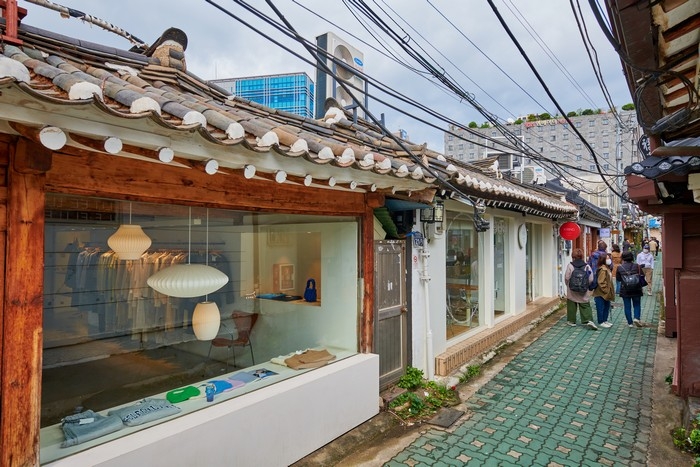
Calle de los Hanok de Ikseon-dong (익선동 한옥거리)
792.3M 2025-05-26
Ikseon-dong, Jongno-gu, Seúl
La Calle de los Hanok de Ikseon-dong es la calle que conecta la salida 6 de la Estación de Jongno 3(sam)-ga con el hotel Ibis Ambassador Insadong. Esta calle, con edificios de estilo tradicional coreano hanok como ninguna otra en Seúl, se ha convertido en un sitio de visita obligada en los recorridos por la capital de Corea para visitantes nacionales e internacionales. Alberga muchos restaurantes, cafés y tiendas en edificios hanok renovados. En el pasado, este barrio estaba cerca de los palacios de la dinastía Joseon, por lo que era el hogar de dignatarios de alto rango, incluidos aristócratas prominentes. Debido a esto, hay muchas casas grandes con techos de tejas (giwajip), lo que le da a la calle un aspecto tradicional. Su designación como Distrito de Preservación Hanok en 2018 resultó en que muchas tiendas locales se mudaran al vecindario. Encontramos una maraña de callejones estrechos que en ocasiones pueden ser un desafío a la hora de circular, en especial cuando hay muchos visitantes, por lo que se recomienda prestar atención al recorrer los alrededores.
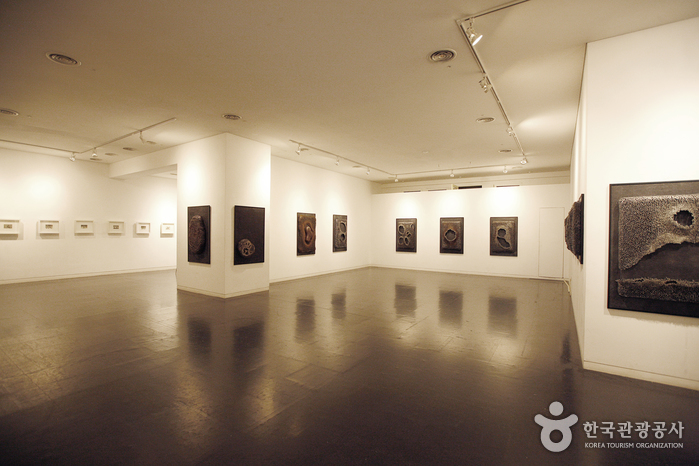
Centro de Arte de Seúl Galería Gongpyeong (서울아트센터 공평갤러리)
797.7M 2023-01-03
Samil-daero 30-gil 10-3, Jongno-gu, Seúl.
Esta galería, inaugurada en 1992, tiene grandes dimensiones: posee 2 pisos, con 4 salas de exposición. La institución organiza exposiciones de todo tipo: arte oriental, occidental, coreano, de escultura, etc., por lo que es un destino imperdible durante una visita a Insa-dong. Más que ser un espacio destinado únicamente a las exposiciones, trata de desarrollarse como un complejo cultural artístico.
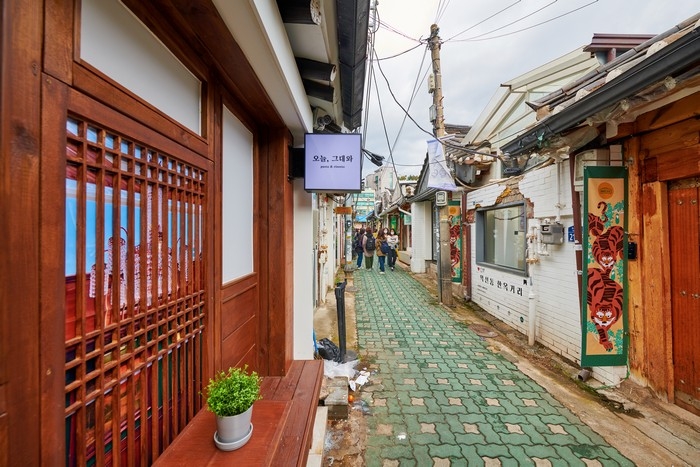
Calles de los Hanok de Ikseon-dong (익선동 한옥거리)
803.6M 2025-05-26
Ikseon-dong, Jongno-gu, Seúl
La Calle de los Hanok de Ikseon-dong es la calle que conecta la salida 6 de la Estación de Jongno 3(sam)-ga con el hotel Ibis Ambassador Insadong. Esta calle, con edificios de estilo tradicional coreano hanok como ninguna otra en Seúl, se ha convertido en un sitio de visita obligada en los recorridos por la capital de Corea para visitantes nacionales e internacionales. Alberga muchos restaurantes, cafés y tiendas en edificios hanok renovados. En el pasado, este barrio estaba cerca de los palacios de la dinastía Joseon, por lo que era el hogar de dignatarios de alto rango, incluidos aristócratas prominentes. Debido a esto, hay muchas casas grandes con techos de tejas (giwajip), lo que le da a la calle un aspecto tradicional. Su designación como Distrito de Preservación Hanok en 2018 resultó en que muchas tiendas locales se mudaran al vecindario. Encontramos una maraña de callejones estrechos que en ocasiones pueden ser un desafío a la hora de circular, en especial cuando hay muchos visitantes, por lo que se recomienda prestar atención al recorrer los alrededores.
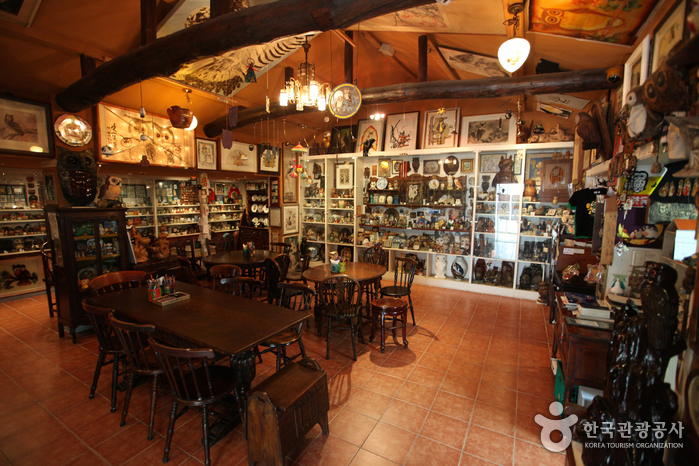
Museo del Búho (부엉이박물관)
820.5M 2022-09-19
Bukchon-ro 143, Jongno-gu, Seúl
El búho es considerado como un animal símbolo de la sabiduría. En los cuentos infantiles, muchas veces se ven a búhos con gafas y libros en sus alas. El museo está diseñado al estilo clásico, como una cafetería, y expone obras artísticas, artesanías, etc., alrededor de 2.000 piezas relacionadas con los búhos. Dichos artículos fueron coleccionados durante 30 años, recorriendo varios lugares del mundo, por Bae Myeong-hui (madre de los búhos), quien es la directora del museo.
Es un espacio peculiar, que fue reconstruido sobre una antigua casa, y los visitantes son recibidos calurosamente por la madre de los búhos, que también les sirve café o té. Al estar ubicado cerca del centro de la ciudad, es ideal para aquellos que deseen disfrutar un momento especial, observando las artesanías y obras artísticas. Además, otra fuente de diversión es escuchar historias sobre los búhos y los episodios relacionados con la colección.
Imun Seolnongtang (이문설농탕)
833.3M 2025-08-08
38-13, Ujeongguk-ro, Jongno-gu, Seoul
Imun Seolnongtang has been serving its hearty seolleongtang for over a hundred years since it first opened in 1907. Even its name has a long history: the word imun comes from Imun-gol, the now-obsolete name of the restaurant’s location, and seolnongtang, an old variation of the word seolleongtang. During the Japanese ocupation rule, the restaurant’s regular customers included Gijeong Son, the marathon gold-medalist at the 1936 Berlin Olympics. To make the rich seolleongtang broth, beef meat and bones are simmered for more than 15 hours. Try putting rice and minced green onion in your seolleongtang for a warm and tasty experience. Kkakttugi (diced radish kimchi), provided as a side dish, is also delicious.
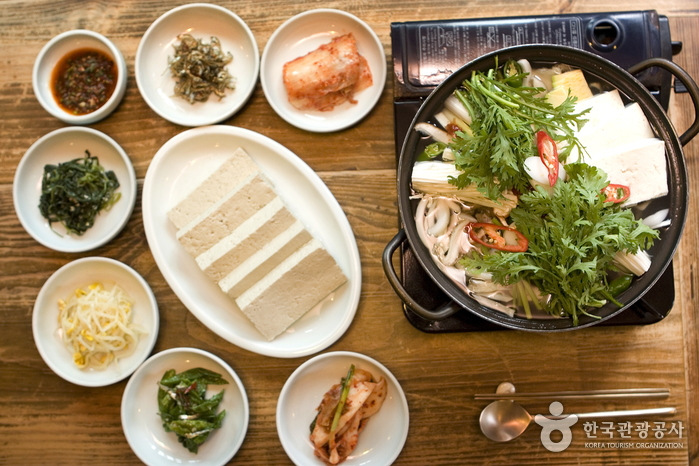
Onmaeul (온마을)
836.8M 2025-07-18
127, Samcheong-ro, Jongno-gu, Seoul
A place that sells dishes made with beans, which are good for the health. This restaurant's signature menu is pureed soybean stew. This Korean dishes restaurant is located in Jongno-gu, Seoul.
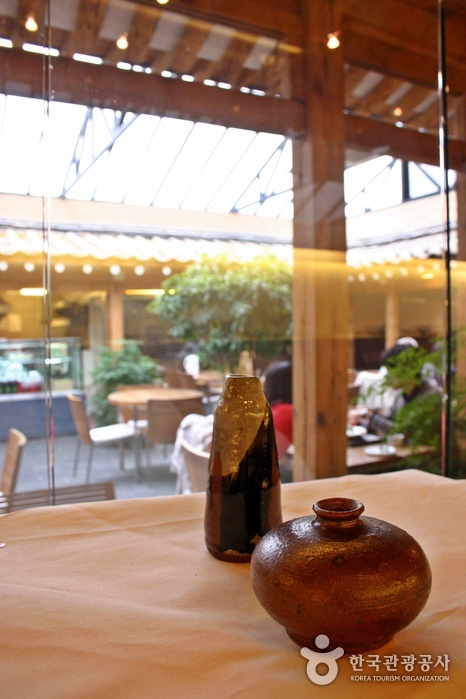
Museo del Té Areumdaun (Beautiful Tea Museum) (아름다운 차박물관)
861.0M 2025-12-17
Insadong-gil 19-11, Jongno-gu, Seúl.
El Museo del Té Areumdaun es un espacio multicultural y comprende una galería que invita a descubrir obras de porcelana realizadas por jóvenes artistas, una tienda que propone alrededor de 110 tipos de té de Corea, China, Japón, Taiwán, Sri Lanka, India y países de Europa, y un salón para degustar un buen té. La sala de exposiciones se divide en tres secciones destinadas respectivamente a Corea, China y el Tíbet. Allí se exponen diversos estilos de servicios de té para tener una impresión de las características del arte del té de cada país. Asimismo, jóvenes artistas organizan exposiciones y ventas. El museo expone cerca de 130 tipos de té, podrá comprar o degustar diferentes variedades como té clásico, té verde, té azul, té negro, té a las hierbas, té a las flores, etc.
 Español
 한국어
한국어 English
 日本語
日本語 中文(简体)
 Deutsch
 Français
 Русский


